
Understanding the process of filing for unemployment in Oregon is crucial for individuals facing job loss. This guide aims to demystify the procedures, eligibility requirements, and essential tips for a smooth application process within the state’s Employment Department. Whether you’ve been laid off due to economic reasons, restructuring, or other qualifying circumstances, knowing how to navigate the system can provide a vital financial bridge during your job search.
Understanding Unemployment Insurance in Oregon
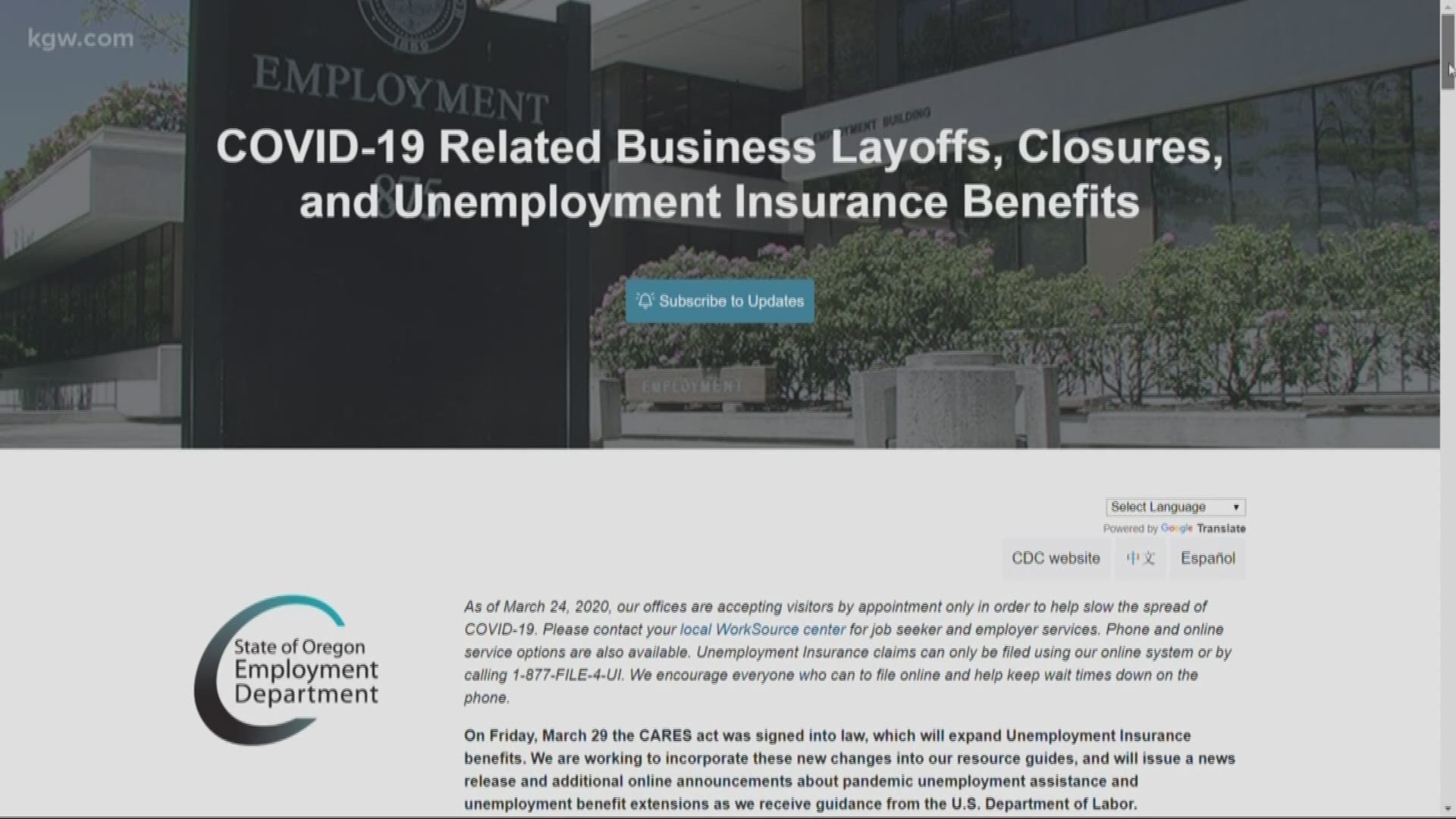
Unemployment Insurance (UI) is a program designed to provide temporary financial assistance to workers who have lost their jobs through no fault of their own. In Oregon, this system is administered by the Oregon Employment Department (OED). The program is funded by taxes paid by employers. To be eligible for benefits, you must meet certain criteria related to your work history and the reason for your separation from employment.
Eligibility Requirements
To qualify for unemployment benefits in Oregon, you generally need to meet the following criteria:
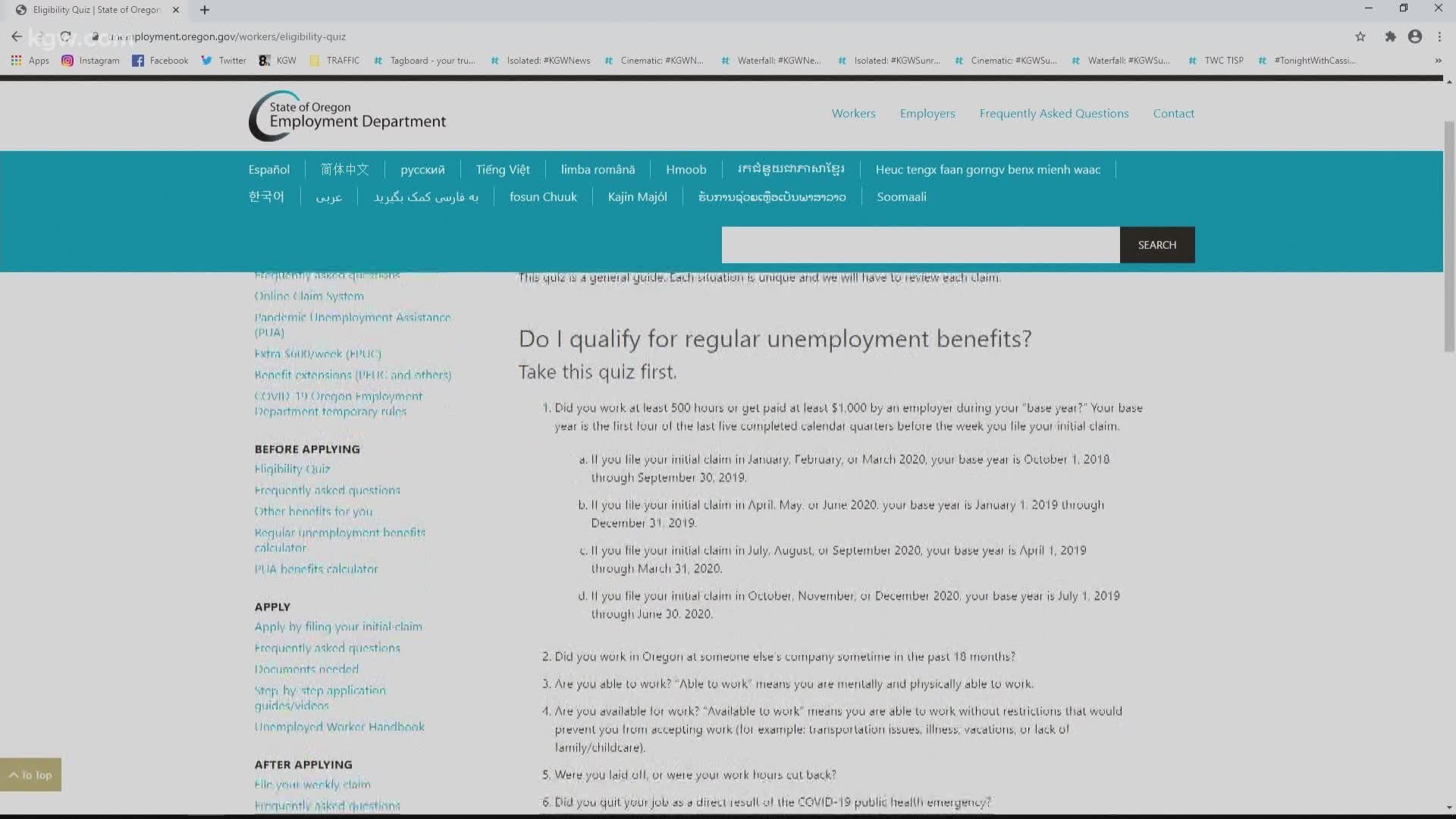
- Monetary Eligibility: You must have earned enough wages in a defined period, known as the “base year,” which typically covers the first four of the last five completed calendar quarters before you file your claim. The OED uses these wage records to determine if you meet the minimum earnings threshold to receive benefits.
- Separation from Work: You must have lost your job through no fault of your own. This typically includes situations like layoffs, mass layoffs, company closures, or reduction in force. If you quit your job, you may still be eligible if you had “good cause” for quitting, such as unsafe working conditions or significant changes to your job duties without your consent. If you were fired for misconduct, you will likely be disqualified.
- Able and Available for Work: You must be physically able to work, available for work, and actively seeking suitable employment. This means you must be ready and willing to accept a job offer that matches your skills, experience, and usual wages. The OED may require you to provide proof of your job search activities.
- Residency and Work Authorization: You must be a resident of Oregon or have worked in Oregon and meet the state’s specific requirements for filing a claim. You must also have legal authorization to work in the United States.
What Constitutes “Good Cause” for Quitting?
The definition of “good cause” for quitting a job can be nuanced. Generally, it refers to compelling reasons that make it impossible or unreasonable for you to continue your employment. Examples include:
- Unsafe or Unhealthy Working Conditions: If your workplace poses a direct and serious threat to your health or safety, and your employer has failed to address the issue after being notified.
- Significant Changes in Employment Terms: If your employer substantially alters your job duties, hours, pay, or location without your agreement, making the job fundamentally different from what you were hired to do.
- Harassment or Discrimination: If you are subjected to illegal harassment or discrimination, and your employer has not taken appropriate action to rectify the situation.
- Personal Circumstances: In some cases, serious personal circumstances, such as the need to care for a seriously ill family member or domestic violence, may be considered good cause, though this is often reviewed on a case-by-case basis.
Disqualification from Benefits
You may be disqualified from receiving unemployment benefits if:
- You quit your job without good cause.
- You were fired for misconduct. Misconduct is generally defined as a willful or deliberate violation of your employer’s rules or standards of behavior that harm your employer’s interests. This can include actions like excessive absenteeism, tardiness, insubordination, theft, or violation of company policies.
- You refuse to accept suitable work. If you are offered suitable employment and refuse it without good cause, your benefits may be suspended or terminated.
- You fail to actively search for work.
- You are incarcerated.
- You are on strike.
How to File Your Initial Unemployment Claim in Oregon
Filing your initial claim for unemployment benefits is a critical first step. The Oregon Employment Department encourages online filing for efficiency and speed.
Online Filing
The most common and recommended method for filing an initial claim is through the OED’s official website.
- Visit the OED Website: Navigate to the Oregon Employment Department website. Look for the section related to “Unemployment Benefits” or “Filing a Claim.”
- Create an Account: You will likely need to create an online account or log in if you have filed before. This account will be your portal for managing your claim, certifying for benefits, and communicating with the OED.
- Complete the Application: The online application will ask for detailed information about your personal identity, employment history, and the reasons for your job separation. Be prepared to provide:
- Your Social Security number.
- Your driver’s license or state ID number.
- Your mailing address and phone number.
- Details about your most recent employer, including the employer’s name, address, and your last day of work.
- Information about any other employers you worked for in the past 18 months.
- Details about why you are no longer employed by your most recent employer.
- Information about any earnings you have received or expect to receive since your last day of work (e.g., vacation pay, severance pay).
- Your work search efforts.
- Submit Your Application: Carefully review all the information you have entered before submitting. Inaccurate or incomplete information can delay your claim.
Filing by Phone
If you are unable to file online, you can file by phone. However, be aware that phone lines can be busy, and wait times may be significant.
- Contact Information: Find the dedicated phone number for filing unemployment claims on the Oregon Employment Department website. This number is typically available during specific business hours.
- Be Prepared: Have all the necessary information ready before you call, as outlined in the online filing section. This will help expedite the process.
Required Information for Your Claim
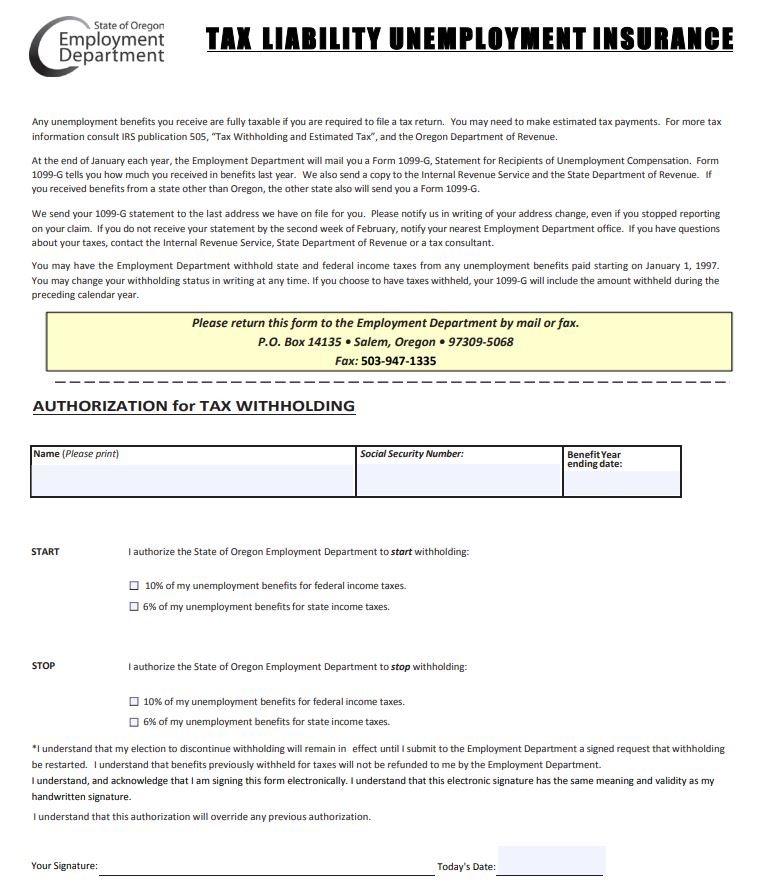
Regardless of how you file, ensure you have the following information readily available:
- Personal Identifiers: Full legal name, Social Security number, date of birth, mailing address, phone number.
- Employment History: For your last employer and any other employers within the last 18 months:
- Employer’s name and address.
- Your job title.
- Your last day of work.
- The reason you are no longer working there.
- Gross earnings in your last week of employment.
- Any payments you received or will receive after your last day of work (e.g., vacation pay, severance, holiday pay).
- Union Information: If you are a member of a union, provide the name and local number of your union.
- Work Authorization: If you are not a U.S. citizen, you will need your Alien Registration Number and your work authorization details.
Certifying for Benefits and Ongoing Responsibilities
Once your initial claim is filed, the process doesn’t end there. To continue receiving unemployment benefits, you must actively participate in the system and meet ongoing requirements.
Weekly or Bi-Weekly Certification
After filing your initial claim, you will be instructed to certify for benefits on a weekly or bi-weekly basis. This is done through your OED online account or by phone. During certification, you will be asked a series of questions to confirm your eligibility for the previous week(s), including:
- Were you able to work?
- Were you available for work?
- Did you look for work? If so, you will need to report your work search activities.
- Did you refuse any job offers?
- Did you earn any wages? You must report all earnings, even if you haven’t been paid yet. Failure to report earnings is considered fraud.
- Did you attend any training or interviews?
Active Work Search
A core requirement for receiving unemployment benefits is actively searching for suitable work. The OED typically requires you to conduct a minimum number of work search contacts per week.
- What Constitutes a Work Search? This can include applying for jobs, attending job fairs, contacting employers, networking, and participating in career counseling services.
- Record Keeping: It is crucial to keep a detailed record of all your work search activities. The OED may request these records at any time to verify your compliance. Your records should include the date of contact, the employer’s name and contact information, the type of contact (e.g., application, interview), and the outcome.
- OED Resources: The Oregon Employment Department offers resources to assist with your job search, including workshops, career counseling, and access to job boards.
Receiving Payment
Once you have certified for benefits and your claim is approved, you will typically receive payments via direct deposit or a prepaid debit card. Payments are usually processed after you certify each week or bi-weekly.
Navigating Challenges and Appeals
It’s possible for your claim to be denied or for issues to arise during the process. Understanding how to address these challenges is important.
Denied Claims
If your initial claim is denied, you will receive a written notice from the OED explaining the reason for the denial. You have the right to appeal this decision.
The Appeals Process
- Review the Notice: Carefully read the denial notice to understand the specific reasons why your claim was rejected.
- File an Appeal: You must file your appeal within a specified timeframe, usually 30 days from the date of the notice. The notice will provide instructions on how to file an appeal, typically by mail, fax, or online.
- Gather Evidence: Collect any documentation or evidence that supports your case. This could include letters from your former employer, performance reviews, emails, or witness statements.
- Hearing: An appeals hearing may be scheduled, where you will have the opportunity to present your case to an administrative law judge. You can represent yourself or have an attorney or other representative present with you.
- Decision: After the hearing, the judge will issue a decision. If you disagree with this decision, there may be further avenues for appeal.
Other Issues
- Overpayments: If you are paid benefits you were not eligible for, you may be required to repay the overpaid amount. The OED has specific policies regarding overpayments and repayment plans.
- Fraud: Intentionally providing false information to obtain benefits is considered fraud and carries severe penalties, including fines, repayment of benefits, and potential criminal charges.
Seeking Assistance
If you are struggling with the unemployment application process or have questions, the Oregon Employment Department provides customer service through their website and phone lines. You can also explore resources from local workforce development boards or legal aid organizations for assistance, especially with appeals.
Filing for unemployment in Oregon can seem complex, but by understanding the eligibility requirements, following the application process carefully, and fulfilling your ongoing responsibilities, you can successfully navigate the system and secure the support you need while you find new employment.
LifeOutOfTheBox is a participant in the Amazon Services LLC Associates Program, an affiliate advertising program designed to provide a means for sites to earn advertising fees by advertising and linking to Amazon.com. Amazon, the Amazon logo, AmazonSupply, and the AmazonSupply logo are trademarks of Amazon.com, Inc. or its affiliates. As an Amazon Associate we earn affiliate commissions from qualifying purchases.