
Navigating the vibrant landscapes and bustling cities of California is a dream for many, but for individuals with disabilities, ensuring accessible transportation is a crucial aspect of daily life and travel planning. A disabled parking permit, often referred to as a “placard” or “plates,” is an invaluable tool that grants access to designated parking spaces, significantly enhancing mobility and independence. This comprehensive guide delves into the specifics of obtaining a disabled parking permit in California, ensuring you understand the process, eligibility, and responsibilities associated with this essential lifestyle accommodation.

Understanding California’s Disabled Parking Program
The California Department of Motor Vehicles (DMV) administers the Disabled Person Parking Placard and License Plate program, designed to facilitate easier access for individuals with qualifying disabilities. This program is a cornerstone of accessibility, allowing individuals to park closer to their destinations, whether it’s for work, appointments, leisure, or simply enjoying the Golden State’s myriad attractions. Understanding the nuances of this program is the first step towards securing your permit.
Who Qualifies for a Permit?
Eligibility for a disabled parking permit in California is strictly defined and requires certification from a licensed medical professional. The primary criteria revolve around conditions that significantly impair mobility or require specific accommodations. You may qualify if you:
- Have lost the use of one or both legs.
- Are severely disabled in walking.
- Suffer from a lung disease that impairs respiration.
- Use a portable oxygen tank.
- Have a cardiac condition classified as Class III or IV by the American Heart Association.
- Are severely limited in the use of both hands.
- Have a diagnosed disease or disorder that makes it difficult or impossible to walk without a prosthetic device, wheelchair, crutches, or other assistive device.
- Are legally blind (for specific placards).
It’s important to note that the qualifying condition must be severe enough to impact your ability to walk independently and without extreme difficulty over a significant distance. Temporary conditions, such as a broken leg, may also qualify for a temporary permit.
Types of Disabled Parking Permits
The California DMV issues several types of permits to cater to varying needs:
- Permanent Placard (DPP): This is the most common type, issued to individuals with permanent disabilities. It is blue, valid for two years, and expires on June 30 of odd-numbered years. While the placard itself must be renewed, a new medical certification is generally not required for renewal unless there’s a specific flag on your record or a change in your condition.
- Temporary Placard (TPP): For individuals with temporary disabilities, such as recovering from surgery or a short-term injury, a red temporary placard is available. This permit is valid for a maximum of 180 days (six months) or the date indicated by your certifying medical professional, whichever is shorter. It cannot be renewed; a new application with medical certification is required if you need an extension.
- Disabled Person License Plates (DP Plates): For those with permanent disabilities who are the registered owner of a vehicle, you can opt for disabled person license plates instead of a placard. These plates are issued directly to the vehicle and do not require renewal as long as the vehicle registration is current. These are particularly useful for individuals who primarily drive their own vehicle.
- Disabled Veteran License Plates (DV Plates): Exclusively for eligible disabled veterans, these plates offer similar parking privileges and may also provide certain fee exemptions. Eligibility typically requires a 100% service-connected disability or specific loss of limbs.
Choosing the correct type of permit depends entirely on the nature and duration of your disability. Your medical professional will assist in determining the appropriate certification.
The Application Process: Step-by-Step Guide
Obtaining a disabled parking permit in California involves a clear, multi-step process that primarily focuses on medical certification and submission to the DMV. While it might seem daunting, breaking it down into manageable steps makes it straightforward.
Gathering Necessary Documentation
Before you even visit your doctor, ensure you have your personal identification ready. This typically includes:
- Your California Driver’s License or ID card number.
- If applying by mail, a photocopy of your driver’s license or ID card.
- Any existing placard numbers if you are applying for a renewal or replacement.
The core of the application is the “Application for Disabled Person Placard or Plates” (form REG 195). This form is available online on the DMV website or at any DMV office.
The Role of Your Medical Professional
This is the most critical step. Part 2 of the REG 195 form must be completed and signed by a licensed medical professional. Acceptable certifiers include:
- A licensed physician or surgeon
- A licensed chiropractor
- A licensed optometrist (for blindness only)
- A licensed physician assistant
- A licensed nurse practitioner
Your medical professional must attest to your qualifying disability, its nature, and its impact on your mobility. They will indicate whether your condition is permanent or temporary and provide their license number and signature. Ensure all information is accurate and legible to avoid delays. For temporary placards, the doctor will also specify the expected duration of the disability, which will determine the placard’s expiration date.
Submitting Your Application to the DMV
Once your medical professional has completed and signed their section of the REG 195 form, you can submit your application. There are typically three ways to do this:
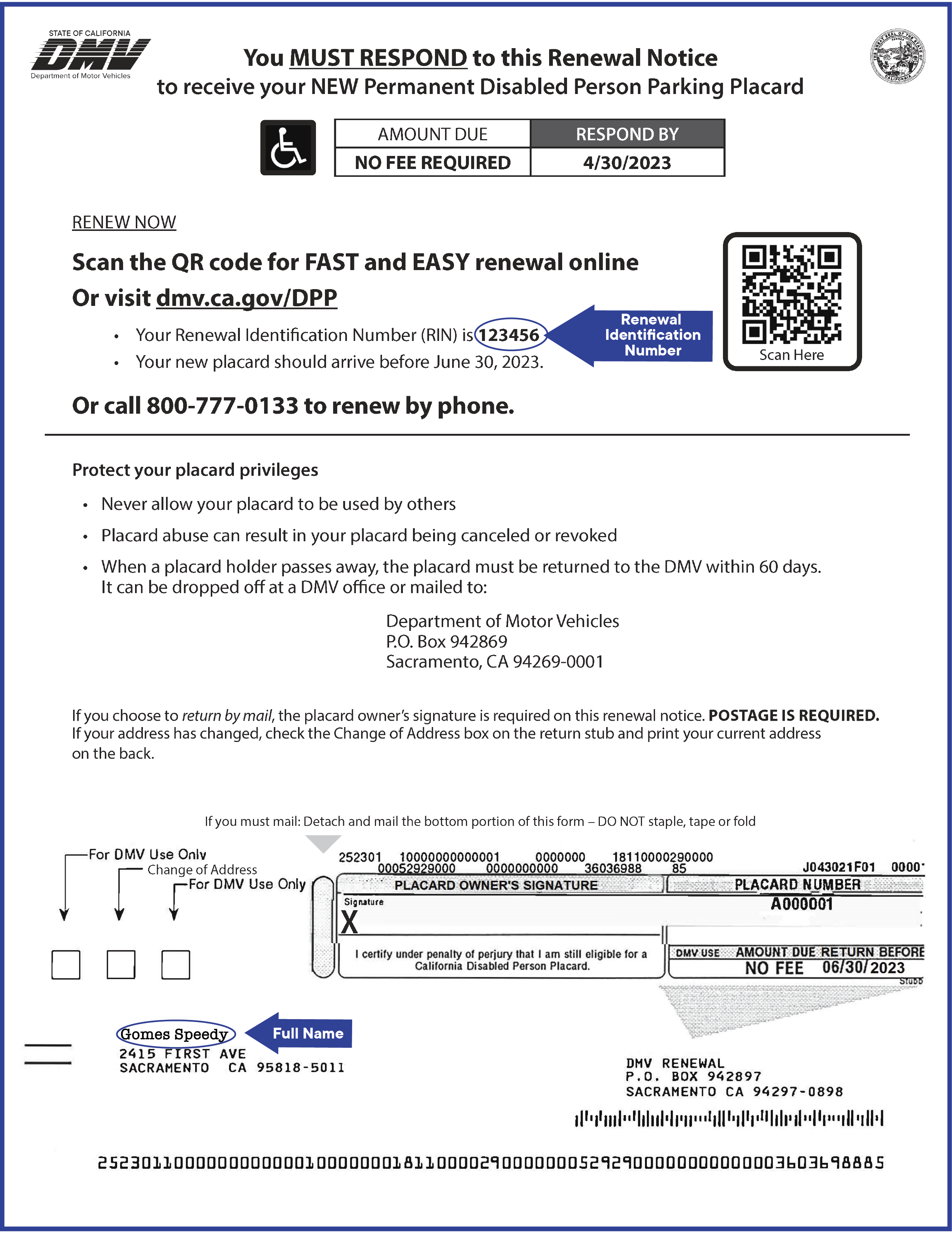
- By Mail: This is the most common method. Send the completed REG 195 form to the address provided on the form, usually to the DMV Placard Processing Unit in Sacramento. Remember to keep a copy for your records.
- In Person: You can take your completed application to any DMV field office. This might be faster if you have immediate travel plans or need the permit quickly, but wait times can vary.
- Online (for renewals only): If you are renewing a permanent placard and no new medical certification is required, the DMV often allows online renewal, especially if you received a renewal notice.
There is no fee for a permanent or temporary disabled person parking placard. If you are applying for disabled person license plates, standard vehicle registration fees still apply, but there is no additional fee for the specialized plates themselves. Once processed, your placard or plates will be mailed to you. Processing times can vary, so it’s advisable to apply well in advance of when you anticipate needing the permit.
Using Your Disabled Parking Permit Responsibly
Possessing a disabled parking permit comes with significant responsibilities. It is a privilege designed to assist those with genuine mobility challenges, and its misuse carries severe penalties.
Where You Can Park with Your Placard
Your California disabled parking permit allows you to park in:
- Any designated disabled parking space (marked with the international symbol of access).
- On-street metered parking spaces without paying a fee.
- Any parking zone with time limits, for an unlimited period (unless specific local ordinances state otherwise, or parking is prohibited).
- Green curb zones (time limits do not apply).
- Residential permit parking zones.
It is crucial to remember that the placard must be displayed prominently, typically hanging from the rearview mirror, whenever the vehicle is parked in a disabled space. When driving, remove the placard to ensure an unobstructed view.
Preventing Misuse and Understanding Penalties
The disabled parking program relies on honesty and integrity. Misuse of a placard is a serious offense, punishable by substantial fines (up to $1,000), potential jail time, and revocation of the permit. Misuse includes:
- Using a placard issued to someone else without that person being present in the vehicle.
- Lending your placard to someone else.
- Forging or altering a placard.
- Using an expired or revoked placard.
The permit is solely for the benefit of the individual with the disability, and they must be either the driver or a passenger in the vehicle at the time the parking privilege is used. Public awareness campaigns and enforcement efforts are robust in California to protect the integrity of these spaces for those who truly need them.
Maintaining and Renewing Your Permit
Keeping your permit current is essential to avoid parking violations and ensure continuous access to designated spaces.
Permanent Placard Renewal
Permanent placards expire on June 30 of every odd-numbered year. The DMV typically sends a renewal notice by mail approximately 45 days before the expiration date. You can usually renew your permanent placard online, by mail, or in person without needing a new medical certification, provided there are no changes to your medical condition or outstanding issues. It’s crucial to renew promptly to avoid any lapse in parking privileges.
Temporary Placard Expiration
Temporary placards are valid for a maximum of 180 days or the date specified by your medical professional, whichever is shorter. They cannot be renewed. If your temporary condition extends beyond the initial period, you must apply for a new temporary placard by submitting a completely new REG 195 form with an updated medical certification. This process ensures that temporary permits are only used for their intended duration.
Beyond the Permit: Enhancing Mobility in California
While a disabled parking permit is a vital component of accessible living in California, it’s part of a larger ecosystem of resources designed to enhance mobility and quality of life for individuals with disabilities. For many, this permit isn’t just about parking; it’s about enabling a fuller lifestyle – facilitating access to employment, education, healthcare, and leisure activities across the state.
Accessibility Resources for Travelers with Disabilities
California, with its diverse geography from the beaches of Los Angeles and San Diego to the cultural hubs of San Francisco, strives to be accessible. Many popular tourist destinations, national parks, and public transportation systems offer accommodations for individuals with disabilities. Websites and apps dedicated to accessible travel often highlight routes, attractions, and hotels that are wheelchair-friendly or provide specific services. Researching these resources in conjunction with your parking permit can unlock a world of possibilities.
Planning Accessible Trips in California
With your disabled parking permit secured, planning trips across California becomes significantly easier. Consider factors like accessible lodging, public transport options (many cities offer paratransit services), and the accessibility of specific attractions. Major airports in California are required to provide assistance for travelers with disabilities, and most national and state parks offer accessible trails and facilities. The permit serves as a gateway, allowing you the flexibility to explore, engage, and enjoy all that California has to offer, truly integrating your personal mobility needs into a rich and fulfilling lifestyle.
Securing a disabled parking permit in California is a straightforward process when you understand the requirements and steps involved. It’s an essential tool that champions independence and accessibility, allowing individuals with disabilities to navigate their daily lives and explore the vast opportunities available in the Golden State with greater ease and confidence. By adhering to the rules and utilizing the permit responsibly, you contribute to a system that genuinely supports inclusive living and travel for all.
LifeOutOfTheBox is a participant in the Amazon Services LLC Associates Program, an affiliate advertising program designed to provide a means for sites to earn advertising fees by advertising and linking to Amazon.com. Amazon, the Amazon logo, AmazonSupply, and the AmazonSupply logo are trademarks of Amazon.com, Inc. or its affiliates. As an Amazon Associate we earn affiliate commissions from qualifying purchases.