
Navigating the complexities of administrative processes is an essential aspect of an organized and prepared lifestyle, particularly when it involves vital personal documents. A birth certificate is arguably one of the most foundational records an individual possesses, serving as proof of identity, age, and citizenship. In California, like any other state, there are specific procedures for obtaining a new copy of this crucial document, whether it’s for a newborn, an adult who needs a replacement, or to correct an existing record. Understanding these steps is paramount for anyone living in or with ties to the Golden State, ensuring that personal affairs can be managed without unnecessary hurdles. This guide provides a professional and insightful overview of how to secure a new birth certificate in California, ensuring clarity and ease in an often daunting process.

Understanding Your California Birth Certificate Needs
Before initiating any application, it’s vital to understand why you need a new birth certificate and what type of document will best serve your purpose. The California Department of Public Health – Vital Records is the primary authority responsible for maintaining and issuing these documents, but knowing the nuances of your request can streamline the process significantly.
Why You Might Need a New Birth Certificate
The reasons for requesting a new or replacement birth certificate are varied and often interconnected with significant life events and personal responsibilities. From a lifestyle perspective, having an up-to-date and accessible birth certificate is crucial for maintaining seamless transitions and avoiding potential disruptions. Common reasons include:
- Identity Verification: A birth certificate is a cornerstone document for establishing identity, especially when applying for a driver’s license, passport, or other government-issued identification. For those planning international travel or even domestic air travel, a passport (which requires a birth certificate for application) is indispensable.
- Educational Enrollment: Whether enrolling children in school or pursuing higher education oneself, institutions often require a birth certificate for age verification and identity purposes.
- Employment: Certain jobs, particularly those requiring background checks or federal clearances, may necessitate a birth certificate as part of the hiring process.
- Social Security and Benefits: Applying for Social Security benefits, veterans’ benefits, or other governmental assistance programs almost always requires a birth certificate as proof of eligibility.
- Family and Legal Matters: Adoption proceedings, marriage applications, divorce settlements, estate planning, and probate often call for official birth records. For individuals managing their family’s legal affairs, having these documents readily available is a mark of proactive lifestyle management.
- Replacement of Lost, Stolen, or Damaged Certificates: Accidents happen, and documents can be misplaced. Ensuring you have a valid copy on hand is a prudent measure against unforeseen circumstances.
Types of Birth Certificates Available
In California, two primary types of birth certificates are typically issued, each serving different purposes:
- Authorized Certified Copy: This is a full, certified copy of the original birth record, suitable for legal purposes such as obtaining a driver’s license, passport, or for other governmental and legal requirements. It contains all the information from the original record, including parentage details. Due to the sensitive nature of the information, authorized copies can only be issued to specific individuals who can prove their direct relationship to the person named on the certificate.
- Informational Certified Copy: This copy is primarily for informational purposes and cannot be used for legal identity verification. It often has a legend across the face stating, “INFORMATIONAL, NOT A VALID DOCUMENT TO ESTABLISH IDENTITY.” While it contains the same information as an authorized copy, its restricted use makes it unsuitable for official transactions where identity proof is required. This type is generally easier to obtain by a wider range of individuals, including researchers or those simply seeking information for genealogical purposes, without strict proof of relationship.
Knowing which type you need will dictate the application form and the supporting documentation required.
The Application Process: Step-by-Step Guide
The process of obtaining a new birth certificate in California is systematic, requiring careful attention to detail and adherence to specific guidelines. From a lifestyle perspective, having a clear roadmap minimizes stress and ensures efficiency.
Who Can Request a Birth Certificate
Access to authorized certified copies of birth certificates is restricted to protect individual privacy and prevent identity theft. Only eligible individuals can request these documents:
- The registrant (the person named on the certificate)
- A parent or legal guardian of the registrant
- A child, grandchild, or sibling of the registrant
- A spouse or domestic partner of the registrant
- An attorney representing the registrant or their estate
- A party entitled to receive the record by court order
- A law enforcement agency or a government agency conducting official business
If you do not fall into one of these categories, you may still be able to obtain an informational certified copy.
Required Documentation
To apply for an authorized certified copy, you will typically need to provide:
- A Completed Application Form: This form, generally titled “Application for Certified Copy of Birth Record,” can be downloaded from the California Department of Public Health – Vital Records website or obtained from local county recorder/clerk offices. It will require details such as the registrant’s full name at birth, date of birth, place of birth (city/county), and parents’ full names (including mother’s maiden name).
- Valid Photo Identification: You must submit a clear photocopy of a valid government-issued photo ID (e.g., driver’s license, state ID card, passport, military ID). The name on the ID must match the name of the applicant.
- Sworn Statement (if applicable): For authorized copies, you will need to complete the “Sworn Statement” section on the application form, declaring under penalty of perjury that you are an authorized person to receive the certificate. This statement often needs to be notarized if you are mailing your application or cannot appear in person. The notary public verifies your identity and signature.
- Proof of Relationship (if applicable): If you are requesting a certificate for someone other than yourself (e.g., as a parent, child, or spouse), you may need to provide documentation proving your relationship to the registrant, such as your own birth certificate or a marriage certificate.
Filling Out the Application Form
Accuracy is key when completing the application form. Double-check all spellings, dates, and locations. Any discrepancies could lead to delays or rejection of your application. Ensure the sworn statement is correctly filled out and notarized if required for your submission method. For those embracing a detail-oriented lifestyle, this step is crucial for successful outcomes.
Submitting Your Request in California
Once you have gathered all the necessary documents and completed the application form, there are several convenient ways to submit your request for a new birth certificate in California.
Online Applications
While the California Department of Public Health – Vital Records does not directly process online orders, it partners with third-party vendors that offer online services for birth certificate requests. These services typically charge an additional processing fee but can offer convenience and tracking options. Be sure to use only authorized and reputable vendors listed on the CDPH website to protect your personal information. These online options cater to a modern lifestyle, allowing for efficient document procurement from the comfort of your home.
Mail-In Requests
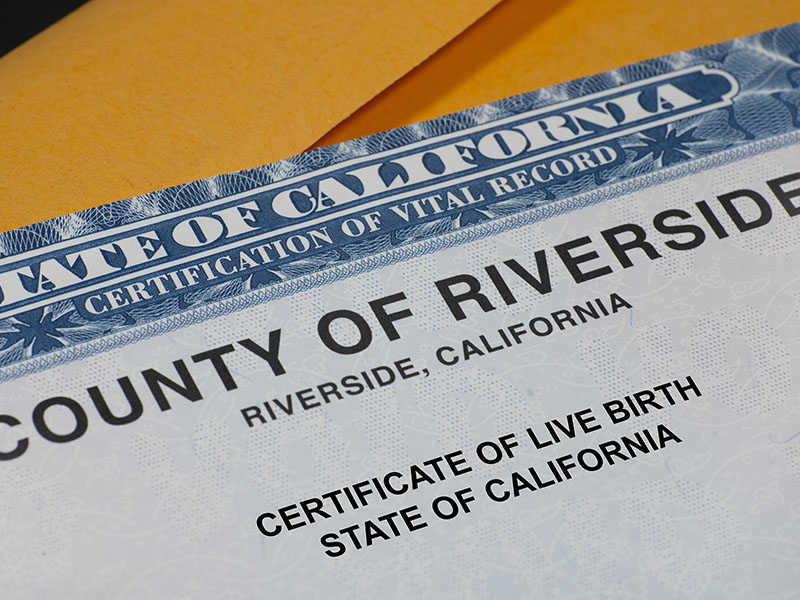
Submitting your application by mail is a common and reliable method. You will need to mail your completed application form, a photocopy of your valid photo ID, the notarized sworn statement (if required), and payment (check or money order) to the appropriate office. For births that occurred within the last two years, requests are typically sent to the county recorder/clerk’s office in the county where the birth occurred. For older records, or if you’re unsure, the California Department of Public Health – Vital Records office in Sacramento is the central repository for all birth records in the state. Always check the specific county or state website for the exact mailing address and current instructions.
In-Person Applications
For those who prefer direct interaction or require the certificate urgently, applying in person is an option at most county recorder/clerk offices. You will need to bring your completed application form, original valid photo identification, and payment. Staff will assist you with the sworn statement and notarization if needed. Some county offices offer same-day service for in-person requests, provided all documentation is in order. This can be particularly beneficial for individuals facing immediate deadlines, offering a practical solution for urgent lifestyle needs.
Fees, Processing Times, and Expedited Services
Understanding the financial and time commitments involved is crucial for planning and managing expectations.
Understanding the Costs
The fee for a certified copy of a birth certificate in California is set by the state. As of recent updates, the fee is typically around $29 per copy, but it is subject to change. It’s always best to verify the current fee on the California Department of Public Health – Vital Records website or the relevant county recorder’s office website before submitting your application. Payments are usually accepted via check or money order for mail-in requests, and cash, credit/debit cards, or checks for in-person applications. Online services will have additional processing fees. Budgeting for these fees is another element of sound financial lifestyle management.
Typical Processing Durations
Processing times can vary significantly depending on the method of application and the volume of requests.
- Mail-In: Standard mail-in requests processed by the California Department of Public Health – Vital Records can take several weeks, sometimes extending to two months or more, especially during peak periods. County offices might have slightly faster turnaround times.
- Online: While submission is instant, the actual processing time after the vendor forwards the request to the state or county can be similar to mail-in requests, plus shipping time.
- In-Person: This is typically the fastest option, with many county offices offering same-day issuance if all requirements are met.
When to Consider Expedited Options
If you need a birth certificate urgently for travel, employment, or other critical matters, consider the following:
- In-Person Application: As mentioned, this is often the quickest way to obtain a certificate.
- Expedited Shipping: Some online services or county offices may offer expedited shipping for an additional fee once the document is processed.
- Special Request for Urgency: In rare, extreme circumstances, you might be able to communicate an urgent need to the county or state office, though this is not a guaranteed service.
For those whose lifestyle demands quick action, understanding these expedited pathways is invaluable.
Common Challenges and Important Considerations
Even with careful planning, challenges can arise. Being prepared for these can save time and frustration.
Addressing Discrepancies or Errors
If you discover an error on your existing birth certificate or need to make a change (e.g., due to a legal name change, gender recognition, or error in original filing), the process is more complex. You will need to file an “Application to Amend a Birth Record.” This often requires submitting documentary evidence to support the requested amendment (e.g., court orders, marriage certificates, affidavits) and may involve a separate fee and longer processing times. It’s a critical administrative task that reflects a commitment to personal accuracy and legal compliance in your lifestyle.
What to Do If Your Request is Denied
A request for a birth certificate can be denied for several reasons, including:
- Incomplete Application: Missing information or signatures.
- Insufficient Identification: Unclear copies, expired ID, or incorrect ID type.
- Ineligibility: Not being an authorized person to receive the certified copy.
- Incorrect Fees: Sending the wrong amount.
- Record Not Found: If the birth record cannot be located using the provided information, further investigation may be required.
If your request is denied, the office will typically inform you of the reason. Carefully review their communication, correct the identified issues, and resubmit your application.

Protecting Your Vital Records
Once you obtain your new birth certificate, it’s crucial to protect it. Store it in a secure, fireproof, and waterproof location, such as a home safe or a bank safe deposit box. Consider making certified copies for use in applications where the original isn’t strictly necessary, reserving the original for paramount needs. This proactive approach to document management is a cornerstone of a well-organized and secure lifestyle, ensuring peace of mind for future needs and unforeseen events.
Obtaining a new birth certificate in California is a straightforward process when approached with understanding and diligence. By following these guidelines, you can ensure that this vital document is secured efficiently, providing the foundational proof of identity necessary for navigating the many facets of modern life.
LifeOutOfTheBox is a participant in the Amazon Services LLC Associates Program, an affiliate advertising program designed to provide a means for sites to earn advertising fees by advertising and linking to Amazon.com. Amazon, the Amazon logo, AmazonSupply, and the AmazonSupply logo are trademarks of Amazon.com, Inc. or its affiliates. As an Amazon Associate we earn affiliate commissions from qualifying purchases.