
California, a state synonymous with innovation and a dynamic educational landscape, attracts aspiring educators from across the nation and beyond. Obtaining a teaching credential in the Golden State is a structured process designed to ensure high standards for its students. For those embarking on this rewarding career path, understanding the journey from hopeful candidate to certified educator is paramount. This guide delves into the essential steps, requirements, and pathways available for securing a teaching credential in California.
Understanding the California Commission on Teacher Credentialing
The gateway to becoming a credentialed teacher in California is the California Commission on Teacher Credentialing (CTC). This independent state agency is responsible for establishing and maintaining standards for educator preparation and licensing. All individuals seeking to teach in public schools within California must meet the requirements set forth by the CTC. The commission approves teacher preparation programs, evaluates credentials, and ensures that educators possess the necessary knowledge and skills to serve California’s diverse student population.
The Role of the CTC
The CTC’s primary mission is to ensure that all students in California receive high-quality instruction from competent and dedicated professionals. They achieve this through:
- Credentialing Standards: Developing and upholding rigorous standards for all teaching credentials.
- Program Approval: Approving educator preparation programs offered by colleges and universities across the state.
- Examinations: Administering and overseeing required subject matter and pedagogical examinations.
- Background Checks: Mandating comprehensive background checks to ensure the safety of students.
- Continuing Education: Promoting professional development and ensuring that educators remain current in their fields.
Familiarizing oneself with the CTC’s website and resources is an indispensable first step for any aspiring educator.
Core Requirements for a California Teaching Credential
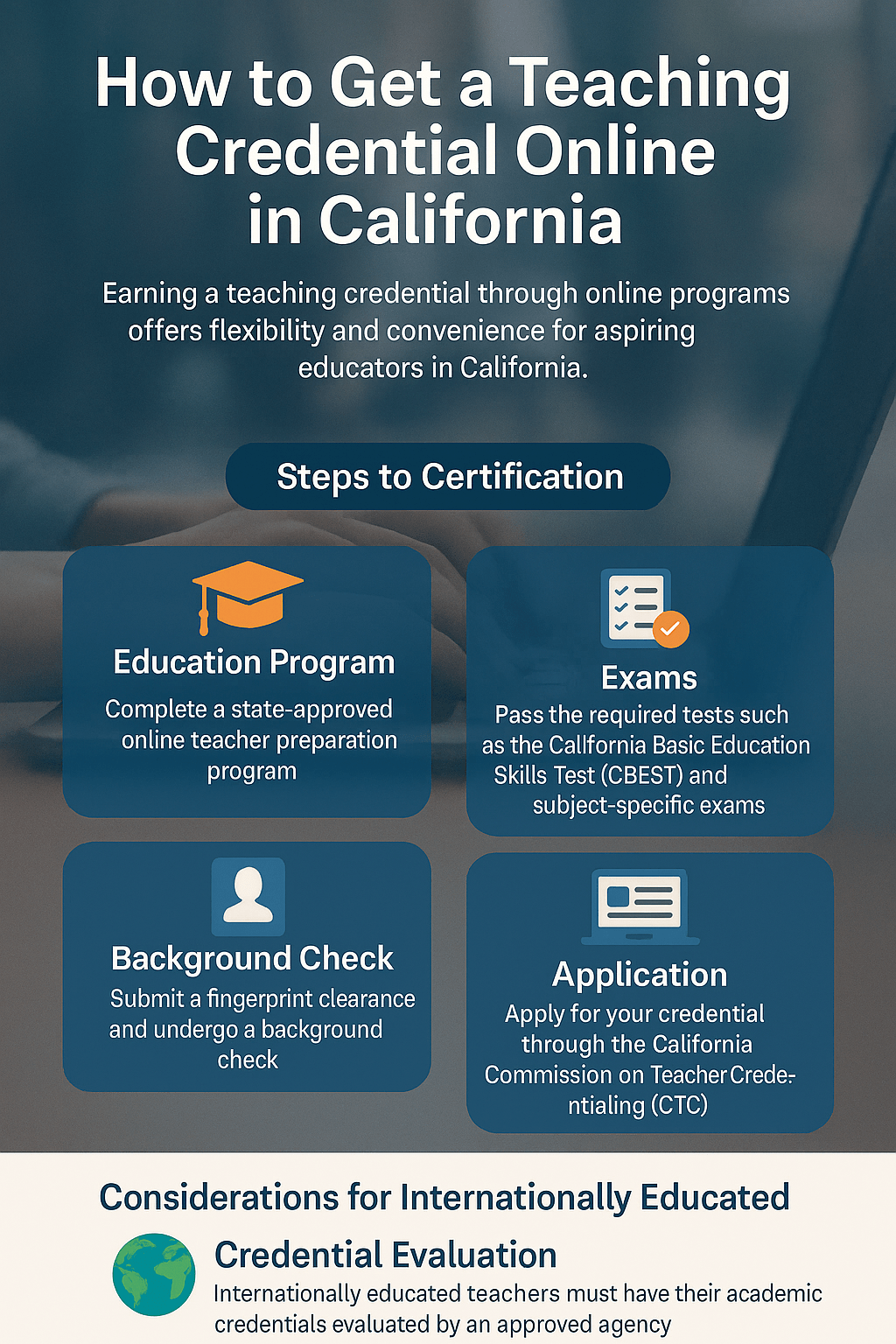
While specific requirements can vary depending on the type of credential sought (e.g., elementary, secondary, special education), several fundamental elements are common to most pathways. These typically include obtaining a bachelor’s degree, completing an approved teacher preparation program, passing required examinations, and undergoing a background check.
Bachelor’s Degree
A foundational requirement for any California teaching credential is a bachelor’s degree from an accredited institution. The degree should be in an area that aligns with the subject matter you intend to teach. For instance, if you aim to teach high school history, a bachelor’s degree in history or a closely related social science is generally expected. The degree demonstrates a certain level of academic achievement and subject matter mastery.
Approved Teacher Preparation Program
This is arguably the most crucial component of obtaining a teaching credential. California requires candidates to complete a state-approved teacher preparation program. These programs are offered by universities, colleges, and other accredited institutions and are designed to equip individuals with the pedagogical knowledge, classroom management skills, and practical experience necessary for effective teaching.
Types of Preparation Programs:
- Integrated Programs: These programs often combine undergraduate coursework with teacher preparation, allowing students to earn their bachelor’s degree and preliminary credential simultaneously.
- Post-Baccalaureate Programs: For individuals who already hold a bachelor’s degree, these programs offer focused teacher preparation coursework and student teaching experiences.
- Internship Programs: These programs allow individuals to begin teaching under a provisional credential while completing their preparation requirements concurrently. They are often a good option for those who have secured a teaching position.
- Alternative Certification Programs: The CTC also offers alternative pathways for individuals with significant subject matter expertise but without a traditional teaching degree, such as the High School Subject Matter Programs.
Each approved program will have its own admission requirements, curriculum, and duration. Researching and selecting a program that best fits your academic background, career goals, and learning style is essential. Many programs are housed within larger educational institutions, such as Stanford University or University of California, Berkeley.
Subject Matter Competence
To teach a specific subject or grade level, you must demonstrate competence in that area. This can be achieved in several ways:
- Major or Minor: Completing a bachelor’s or master’s degree with a major or minor in the subject you wish to teach.
- Subject Matter Examinations: Passing state-mandated subject matter competency tests, such as the California Subject Examinations for Teachers (CSET).
- Coursework: Completing specific coursework in the subject area, often outlined by the CTC or your chosen preparation program.
Student Teaching and Supervised Field Experience
A cornerstone of any teacher preparation program is supervised field experience, most commonly known as student teaching. This hands-on component allows candidates to apply their theoretical knowledge in a real classroom setting under the guidance of experienced mentor teachers and university supervisors. The duration and structure of student teaching vary by program but are designed to provide ample opportunities for developing essential teaching skills, lesson planning, assessment, and classroom management.
Examinations and Assessments
Beyond academic and program completion requirements, aspiring teachers in California must pass a series of examinations designed to assess their readiness to teach.
Basic Skills Requirement
Historically, candidates had to pass the California Basic Educational Skills Test (CBEST). However, the CTC has introduced alternative ways to meet this requirement, allowing for more flexibility. These can include:
- Passing the Reading, Writing, and Mathematics sections of the Praxis Core Academic Skills for Educators.
- Completing specific college coursework with a minimum grade.
- Achieving certain scores on standardized tests like the SAT or ACT.
It is crucial to verify the most current options for fulfilling the basic skills requirement with the CTC or your preparation program.
Subject Matter Competence Examinations
As mentioned earlier, demonstrating subject matter competence often involves passing the California Subject Examinations for Teachers (CSET) for the specific subject you intend to teach. These exams are computer-based and cover a broad range of knowledge within a particular discipline. For example, aspiring mathematics teachers would take the CSET: Mathematics.
Performance Assessment
California also requires candidates to pass a performance assessment, most notably the California Teacher Performance Assessment (CalTPA). This assessment requires candidates to plan, teach, and assess a series of lessons, and then reflect on their practice. It is designed to evaluate a candidate’s ability to effectively implement instructional strategies, manage a classroom, and support student learning. The CalTPA is typically completed during the student teaching experience.
Background Checks and Health Examinations
Ensuring the safety and well-being of students is a top priority in California. Consequently, all individuals seeking a teaching credential must undergo a thorough background check.
Fingerprinting and Criminal Record Review
This process involves submitting fingerprints to the Department of Justice and the Federal Bureau of Investigation for a criminal record review. Any history of specific criminal offenses can prevent an individual from obtaining a credential.
Tuberculosis (TB) Test
A recent tuberculosis (TB) test showing freedom from active TB is also a mandatory health requirement for obtaining and maintaining a California teaching credential.
Types of Credentials and Endorsements
California offers a variety of credentials to meet diverse educational needs. Understanding these different types can help aspiring educators identify the most suitable pathway.
Preliminary Teaching Credentials
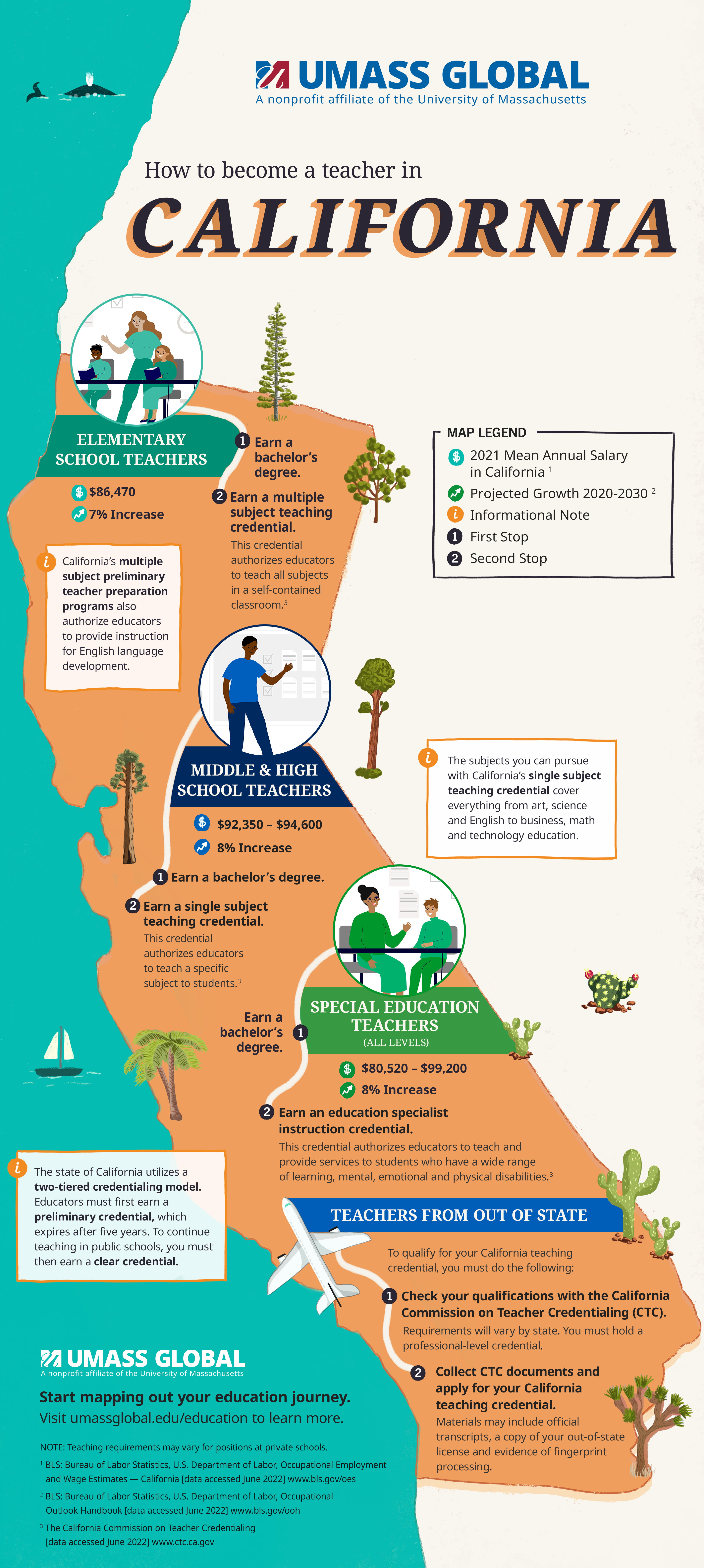
Most individuals begin their teaching career in California with a Preliminary Teaching Credential. This is a five-year credential that requires the holder to complete a set of induction program requirements to advance to a Clear Credential.
Clear Teaching Credentials
The Clear Credential is the professional, permanent teaching license in California. To obtain a Clear Credential, holders of a Preliminary Credential must successfully complete an approved teacher induction program. Induction programs provide ongoing professional development, mentorship, and support as new teachers refine their skills and deepen their understanding of teaching practice.
Special Education Credentials
For those passionate about working with students with special needs, California offers specialized credentials, such as:
- Education Specialist Instruction Credential with an Autism Spectrum Disorder (ASD) Added Authorization.
- Education Specialist Instruction Credential with a Mild/Moderate Disabilities and/or Moderate/Severe Disabilities Added Authorization.
- Deaf and Hard of Hearing Specialist Instruction Credential.
These credentials require specific coursework and fieldwork related to the unique needs of students with disabilities.
Subject Matter and Grade Level Endorsements
Beyond the general teaching credential, individuals can obtain endorsements to teach specific subjects or grade levels. These are often integrated into the preparation program or can be added later by meeting additional subject matter and testing requirements. Examples include:
- Multiple Subject Credential: For elementary school teaching.
- Single Subject Credential: For teaching specific subjects in middle or high school (e.g., English, Mathematics, Science, Social Studies, World Languages).
- Specialized Added Authorizations: Such as English Learner authorization, gifted and talented education, or specific career and technical education fields.
The Path to a Clear Credential: Induction Programs
Once a Preliminary Teaching Credential is obtained and an individual is employed as a teacher in a California public school, they will typically enroll in an approved teacher induction program. These programs are vital for the ongoing professional growth and development of new teachers.
Components of Induction Programs
- Mentorship: Pairing new teachers with experienced, credentialed mentors who provide guidance, support, and feedback.
- Professional Development: Offering targeted workshops, training sessions, and resources focused on pedagogy, classroom management, curriculum, and student support.
- Individualized Growth Plans: Assisting teachers in setting professional goals and developing plans to achieve them.
- Formative Assessment: Providing opportunities for teachers to reflect on their practice and receive constructive feedback.
Successful completion of an induction program leads to the issuance of a Clear Teaching Credential, signifying that the educator has met all state requirements for permanent licensure.
Conclusion: A Rewarding Journey
Obtaining a teaching credential in California is a comprehensive process that requires dedication, academic rigor, and a commitment to professional development. By understanding the requirements set by the California Commission on Teacher Credentialing, selecting an approved preparation program, and successfully navigating the examinations and assessments, aspiring educators can embark on a fulfilling career dedicated to shaping the minds of the next generation. The journey is challenging but ultimately incredibly rewarding, offering the opportunity to make a profound and lasting impact on students’ lives and contribute to the vibrant educational tapestry of California.
LifeOutOfTheBox is a participant in the Amazon Services LLC Associates Program, an affiliate advertising program designed to provide a means for sites to earn advertising fees by advertising and linking to Amazon.com. Amazon, the Amazon logo, AmazonSupply, and the AmazonSupply logo are trademarks of Amazon.com, Inc. or its affiliates. As an Amazon Associate we earn affiliate commissions from qualifying purchases.