
For many, the summons for jury duty arrives as an unwelcome interruption, a jarring note in the carefully orchestrated symphony of travel plans, professional commitments, and lifestyle aspirations. While fulfilling this civic duty is a cornerstone of a functional democracy, the practicalities of modern life, especially for those with a penchant for exploration, a demanding career, or a globe-trotting lifestyle, can make an unscheduled stint in a courthouse a significant burden. In a vibrant state like California, known for its diverse landscapes, bustling cities, and as a gateway to both domestic and international adventures, understanding your options when called for jury service is crucial. This article delves into the nuances of navigating jury duty in California, particularly for individuals whose lives are interwoven with travel, unique accommodation needs, and a dynamic lifestyle.

Whether you’re planning a luxurious escape to Maui, coordinating a critical business trip to London, or simply living a digital nomad lifestyle that requires constant movement, the thought of being confined to a jury box can be daunting. The good news is that the California court system, while committed to upholding justice, also recognizes the realities of modern life and provides various avenues for deferral or exemption based on specific circumstances.
Understanding Your Obligation and Options in California
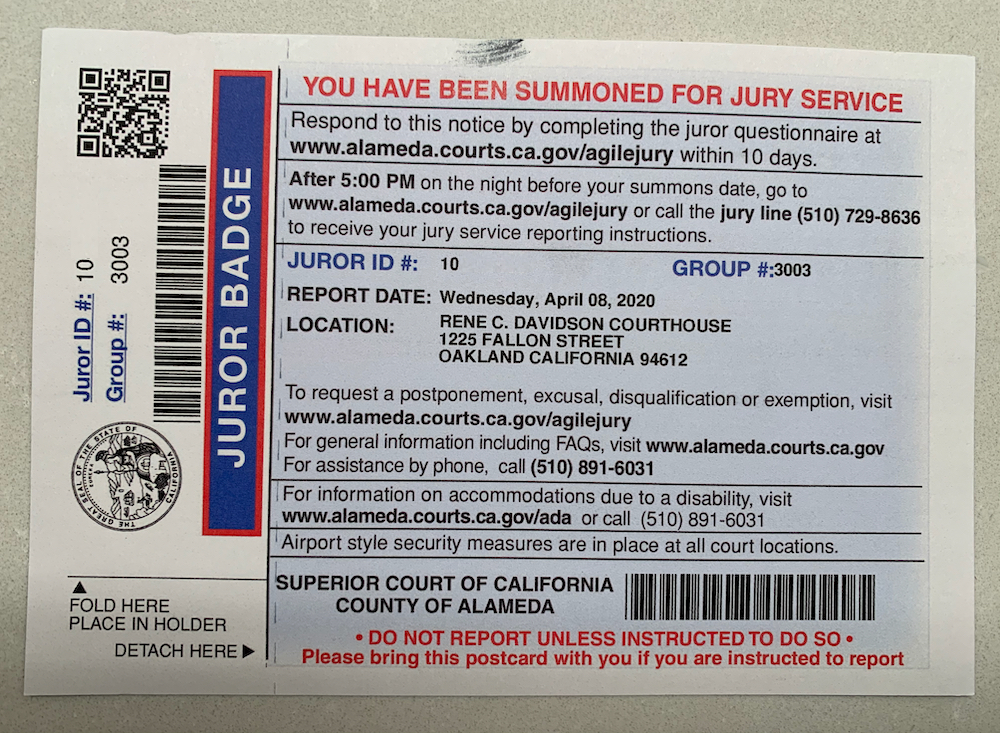
The journey begins with the jury summons itself, an official document from the Superior Court of California in your county. Ignoring it is not an option and can lead to legal penalties. However, understanding the difference between deferral and exemption is the first step in managing your obligation, especially when your lifestyle revolves around travel, specific accommodation arrangements, or professional mobility.
The Initial Summons and Your First Steps
Upon receiving a jury summons, the immediate instinct might be to panic, particularly if it clashes with pre-arranged travel plans or critical business engagements. However, the initial response doesn’t have to be a cancellation spree. The summons typically provides instructions on how to respond, often online or by mail. It’s imperative to read these instructions carefully, as they outline the process for requesting a deferral or exemption. Many counties in California offer online portals where you can manage your jury service, making it convenient to address conflicts from anywhere in the world, provided you have internet access.
The summons will specify your reporting date and location, which could be in major metropolitan areas like Los Angeles, San Francisco, or San Diego, or a smaller county courthouse. Knowing this location is vital, as it influences potential local attractions to explore if you do end up serving.
Deferral vs. Exemption: Key Differences for Travelers
It’s crucial to distinguish between a deferral and an exemption. An exemption means you are permanently excused from jury service due to a specific legal qualification (e.g., you are not a U.S. citizen, not a resident of the summoning county, or have served on a jury within the past 12 months in some jurisdictions). These are generally straightforward and less flexible, not typically applying to travel-related conflicts.
A deferral, on the other hand, is a postponement of your service to a later date. This is the primary mechanism for individuals with travel plans or other significant, time-sensitive commitments. California law allows for deferrals based on “undue hardship,” which is a broad category that can encompass a wide range of personal and professional circumstances. This is where your travel and lifestyle commitments become highly relevant. Most courts allow at least one deferral without extensive justification, often just a simple request to move your service to a more convenient time within a specific window (e.g., the next 90 days to one year). This initial deferral can be a lifesaver for minor scheduling conflicts or short trips. However, for more complex situations involving long-term travel, unique accommodation bookings, or critical business trips, you’ll need to make a more compelling case for undue hardship.
Leveraging Travel and Lifestyle Commitments for Deferral
The “undue hardship” provision is your best friend when your travel plans or unique lifestyle clash with jury duty. The courts understand that cancelling non-refundable trips, abandoning pre-paid accommodation, or missing critical professional engagements can lead to significant financial loss and personal distress.
Pre-Booked Vacations and Planned Getaways
Imagine you’ve meticulously planned a dream vacation: non-refundable flights to Tokyo, a week-long stay at a luxurious Four Seasons resort, and a curated itinerary of cultural experiences. Or perhaps an adventurous safari in Kenya complete with specialized tour packages and unique tented camp accommodations. These are precisely the types of scenarios that can qualify as undue hardship.
When requesting a deferral based on pre-booked travel, emphasis should be placed on:
- Non-refundable expenses: Highlight any non-refundable flights, hotel reservations (e.g., at the opulent Waldorf Astoria Beverly Hills or the scenic St. Regis Monarch Beach), cruise tickets (perhaps for a Royal Caribbean adventure in the Caribbean), or pre-paid tour packages to destinations like Bali or an exclusive ski resort in Aspen. The financial burden of losing these investments can be substantial.
- Significance of the trip: Is it a once-in-a-lifetime adventure? A milestone celebration? A long-awaited family reunion abroad? Conveying the personal importance of the trip can add weight to your request. For example, missing Oktoberfest in Munich after years of planning, or Carnival in Rio for which accommodations were secured a year in advance, represents a significant personal loss beyond just financial cost.
- Inability to reschedule: If the trip is tied to a specific event (a wedding, a festival, a limited-time exhibition) or a specific season (ski season, monsoon season for certain regions), explain why rescheduling is not feasible.
Critical Business Travel and Professional Engagements
For professionals whose work involves frequent travel or critical international engagements, jury duty can pose a severe disruption to their livelihood and company operations. Individuals in global industries, tech, or international consulting often have commitments that transcend state lines, even national borders.
Consider these scenarios:
- International Conferences: Attending or presenting at a major conference in Singapore that is crucial for career advancement or industry networking.
- Client Meetings Abroad: A pre-scheduled meeting with a key international client that is vital for securing a contract or maintaining a critical business relationship. Missing this could result in significant financial loss for your company and impact your professional standing.
- Project-Critical Assignments: Being dispatched for an extended period to oversee a project in another country, requiring specific long-term accommodation and logistical planning. For instance, a temporary relocation to Europe for several months for a project.
- Sole Proprietors/Entrepreneurs: For those who are self-employed, particularly in fields related to travel writing, photography, or guiding, time spent on jury duty directly translates to lost income and missed opportunities, especially if they have specific bookings or engagements. The disruption to their unique lifestyle and income stream can be a valid reason for undue hardship.
When presenting your case, detail the nature of the business trip, its importance to your job or company, and the financial repercussions of your absence. Provide documentation such as flight itineraries, conference registration, or official letters from your employer.

Extended Stays and Unique Accommodation Needs
The rise of digital nomadism and long-term travel means more individuals are operating without a fixed address, or with long-term rental agreements in various parts of the world. If you’ve committed to an extended stay in a foreign country, perhaps exploring the cultural richness of Paris for several months, or have made arrangements for a long-term apartment rental in another city, your return for jury duty might constitute an undue hardship.
Examples include:
- Digital Nomads: Individuals who have established a lifestyle of remote work and continuous travel, with no permanent residence in California during the summons period. While they may maintain a legal address, their actual presence and living arrangements are elsewhere.
- Sabbaticals/Study Abroad: If you are on an academic sabbatical or enrolled in a long-term study program abroad, requiring specific student accommodation and presence in another country.
- Caregiving Responsibilities Abroad: If you are currently residing abroad to care for an ailing family member and your presence is essential, returning for jury duty could be a significant burden.
For these situations, evidence of your long-term accommodation bookings, visa stamps, or official letters confirming your extended stay or unique living situation can be powerful tools in your deferral request. The key is to demonstrate that your lifestyle is inherently incompatible with the demands of jury service during the specified period.
Practical Strategies for Presenting Your Case
Successfully obtaining a deferral hinges on clear communication, thorough documentation, and a respectful approach to the court.
Gathering Documentation: Your Travel Itinerary as Evidence
Proof is paramount. For any deferral request based on travel or professional commitments, you must provide substantiating evidence. This includes:
- Flight and Hotel Confirmations: Printouts or digital copies of non-refundable flight tickets, hotel reservations, or other accommodation bookings (e.g., Airbnb, villa rentals). Make sure dates, passenger names, and payment details are clearly visible.
- Tour and Activity Bookings: Receipts or confirmations for pre-paid tours, cruises, event tickets (like a concert or sports event abroad), or specialized activities.
- Conference Registrations/Invitations: Official documents confirming your attendance, speaking engagement, or role at a business conference or industry event.
- Employer Letters: A formal letter from your employer on company letterhead, explaining the critical nature of your business travel, the dates, destinations, and the potential impact of your absence.
- Lease Agreements/Proof of Residence Abroad: For extended stays, copies of lease agreements, utility bills, or official documents proving your temporary residence in another country.
Organize all your documents clearly. Highlight key dates and costs. The more comprehensive and organized your evidence, the easier it will be for court staff to assess your request.
Communicating with the Court: Online, Mail, or In-Person
Most California courts prefer initial deferral requests to be made online or by mail, as specified on your summons.
- Online Portal: This is often the most efficient method. Log in to the court’s jury services website, follow the prompts for requesting a deferral due to hardship, and upload your supporting documents. Be concise and factual in your explanation.
- Mail: If an online option isn’t available or preferred, send your request and documents via certified mail with a return receipt requested. This provides proof that your request was sent and received.
- Phone Call: While some basic deferrals can be handled over the phone, complex hardship requests usually require written documentation. Only use the phone for initial inquiries or to confirm receipt of your mailed or online request.
- In-Person (Last Resort): In rare cases, if your request is denied and you believe you have an extremely compelling case, you might be asked to appear in person on your summons date to explain your situation to the jury commissioner or judge. This is typically a last resort and should be prepared for meticulously, bringing all your documentation.
Always maintain a polite and respectful tone. Remember that the court staff process thousands of these requests, and a clear, well-supported application is more likely to be successful.
When Deferral Isn’t an Option: Making the Most of It
Despite your best efforts, sometimes a deferral isn’t granted, or you might find yourself in a situation where serving is the path of least resistance. Instead of viewing it purely as a disruption, consider it an unexpected opportunity to immerse yourself in local culture, explore nearby attractions, or simply reset.
Exploring Local Attractions During Your Service
If you’re summoned to a major California city, jury duty can become an impromptu local tourism experience.
- In San Diego: During breaks or after your service day, you could wander through the historic Gaslamp Quarter, explore the museums and gardens of Balboa Park, or take a short drive to the picturesque coastline of La Jolla.
- In Los Angeles: Depending on the courthouse location, you might be near iconic landmarks like Hollywood or Beverly Hills. A visit to the Griffith Observatory offers stunning views, or you could explore Venice Beach. Consider a stay at a boutique hotel nearby for convenience.
- In San Francisco: If serving in the city by the bay, you have access to the Golden Gate Bridge, Alcatraz Island, and countless vibrant neighborhoods.
- In Orange County: After duty, you could visit Disneyland Resort or relax on the beautiful beaches of Newport Beach or Laguna Beach.
Many courthouses are centrally located, making it easy to pop into a local cafe, visit a nearby museum, or simply enjoy a different part of the city you might otherwise overlook. Think of it as an unplanned “staycation” within your summoning county.
Maximizing Your Downtime: Productive Waits and Local Dining
Jury service often involves periods of waiting. This downtime can be utilized productively.
- Catch Up on Work/Reading: Bring a laptop, tablet, or a good book. Many courthouses offer Wi-Fi, allowing you to catch up on emails or personal projects.
- Explore Local Cuisine: Use lunch breaks to sample local eateries. Discover hidden gems and local favorites near the courthouse. This offers a different kind of “tourism” experience, connecting you with the local food culture.
- Networking (Discreetly): You’ll be alongside other citizens from various walks of life. While inappropriate to discuss the trial, discreet networking or simply engaging in civil conversation can broaden your perspective and even lead to interesting connections.
If you anticipate a multi-day service, consider booking a comfortable hotel nearby. Many cities offer excellent accommodation options, from luxurious resorts like The Ritz-Carlton properties found in California to charming boutique hotels that can transform your mandatory civic duty into a more comfortable experience. Look for properties with amenities that can help you relax and recharge, perhaps a spa or a fine dining restaurant.
Ultimately, jury duty is a fundamental aspect of civic responsibility. While it can undoubtedly complicate a lifestyle built around travel and dynamic engagements, understanding the rules and presenting your case effectively can often lead to a successful deferral. For those times when deferral isn’t possible, embracing the unexpected and finding ways to integrate local exploration and personal productivity can transform a potential disruption into a unique, albeit unplanned, chapter in your California experience. Remember to always be honest, polite, and thorough in your communications with the court, ensuring you navigate this civic obligation with integrity and efficiency.
LifeOutOfTheBox is a participant in the Amazon Services LLC Associates Program, an affiliate advertising program designed to provide a means for sites to earn advertising fees by advertising and linking to Amazon.com. Amazon, the Amazon logo, AmazonSupply, and the AmazonSupply logo are trademarks of Amazon.com, Inc. or its affiliates. As an Amazon Associate we earn affiliate commissions from qualifying purchases.