
The dream of visiting Hawaii is a bucket-list staple for travelers across the globe. Situated in the heart of the Pacific Ocean, this volcanic archipelago is the most isolated population center on Earth. Because of its remote location—roughly 2,400 miles from California and over 3,800 miles from Japan—the logistics of reaching these islands require more than a simple road trip. Whether you are seeking the emerald cliffs of the Napali Coast or the historical solemnity of Pearl Harbor, understanding the pathways to paradise is the first step in any successful journey.
The Aerial Gateway: Navigating Flights to the Islands
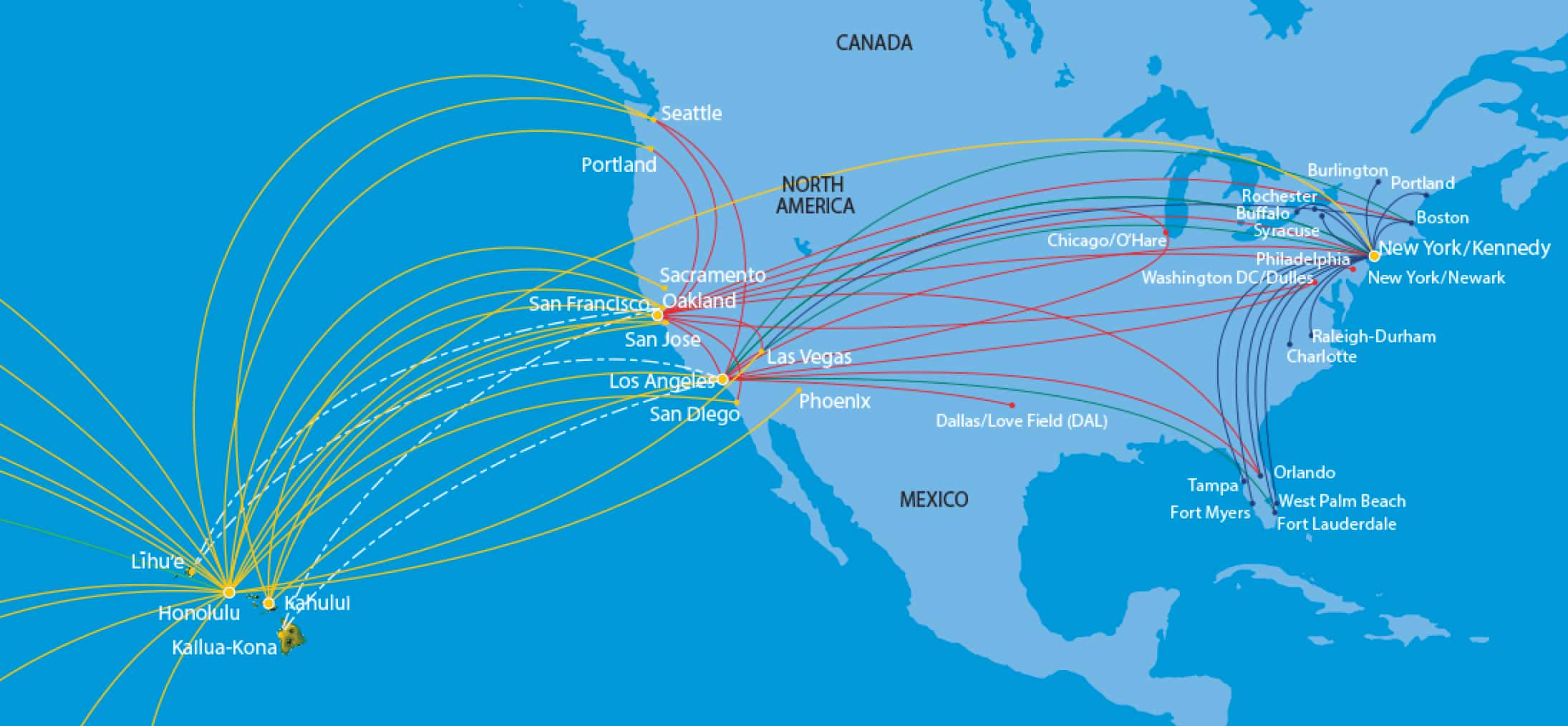
For the vast majority of visitors, the only practical way to reach Hawaii is by air. The state is served by several international and domestic airports, each acting as a gateway to a specific island’s unique personality.
Major International Hubs
The primary entry point for the state is the Daniel K. Inouye International Airport in Honolulu on the island of Oahu. This massive facility serves as the central nervous system for Hawaiian travel, receiving the lion’s share of international flights from Asia, Oceania, and North America. If you are flying from Tokyo, Sydney, or Seoul, you will likely land here before transferring to a smaller island.
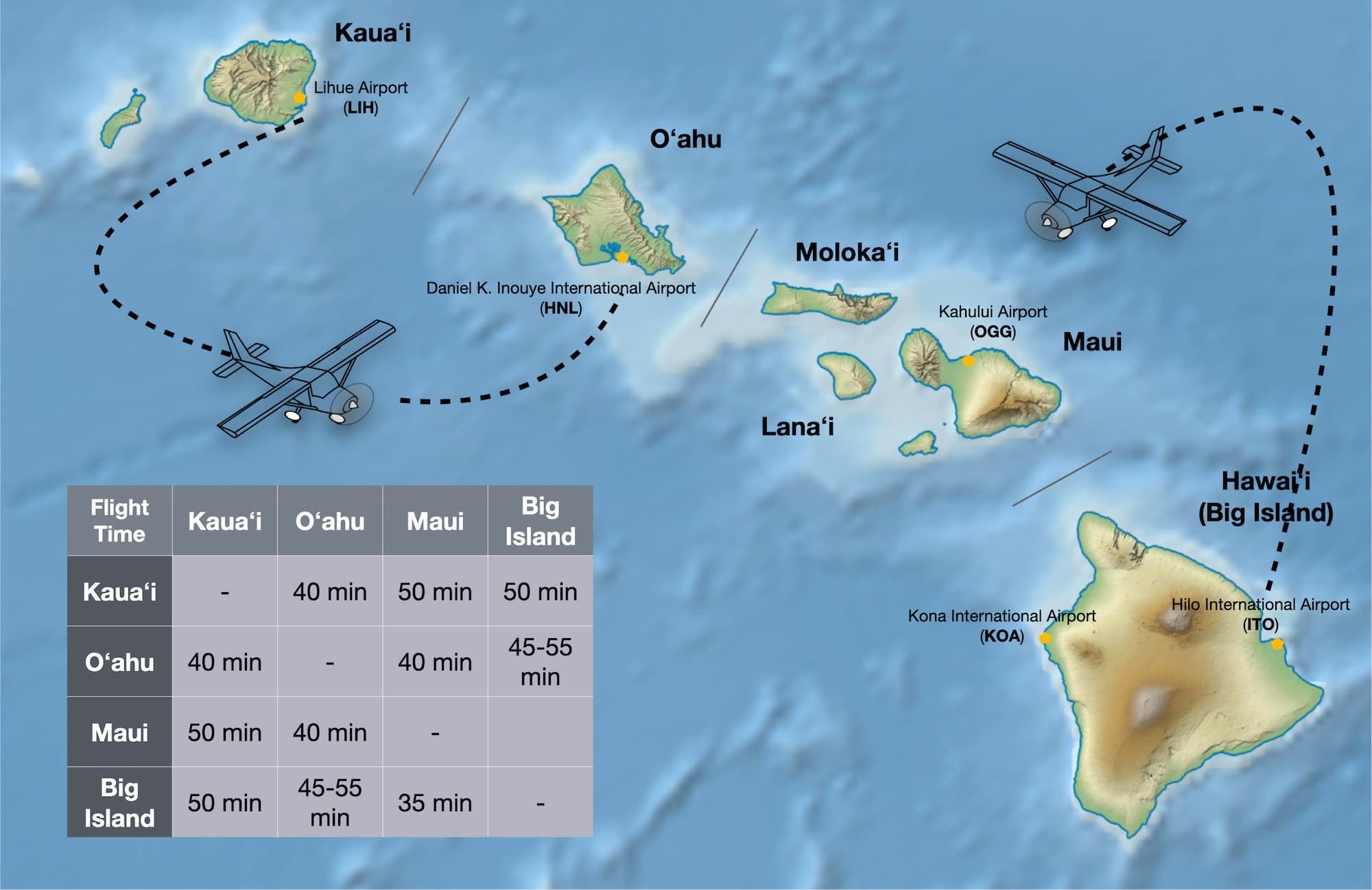
For those heading directly to the “Valley Isle,” Kahului Airport on Maui is the second busiest hub. It offers a significant number of direct flights from the mainland United States and Canada. Similarly, travelers bound for the “Garden Isle” will touch down at Lihue Airport on Kauai. The Big Island (formally known as Hawaii Island) features two main airports: Kona International Airport on the sunny west side and Hilo International Airport on the lush east side.
Leading Carriers and Routes
Several major airlines dominate the routes to the islands. Hawaiian Airlines is the flagship carrier, known for its island-themed hospitality and extensive network connecting the islands to cities like Los Angeles, San Francisco, Seattle, and New York.
From the mainland, United Airlines, Delta Air Lines, and American Airlines offer frequent daily departures. In recent years, Southwest Airlines has revolutionized travel to the islands by offering budget-friendly fares from the West Coast and expanding inter-island service. For those traveling from the north, Air Canada and WestJet provide vital links from Vancouver and Calgary.
Transpacific Voyages: Reaching Hawaii by Sea
While flying is the fastest method, arriving in Hawaii by sea offers a nostalgic and leisurely alternative. There are no ferry services connecting the mainland to the islands due to the extreme distances and rough waters of the Pacific Ocean, but the cruise industry provides several luxurious options.
Transpacific Cruises
Most transpacific cruises depart from West Coast ports such as San Diego, Los Angeles, or San Francisco. These voyages typically take four to five days to reach the first Hawaiian port of call. Major lines like Princess Cruises, Holland America Line, and Celebrity Cruises offer round-trip itineraries that allow passengers to experience the transition from the cool coastal waters of the mainland to the tropical warmth of the central Pacific.
The Inter-Island Cruise Experience
If your goal is to see as many islands as possible without the hassle of repeated airport security lines, the Pride of America operated by Norwegian Cruise Line is a unique option. As the only major U.S.-flagged cruise ship in the region, it sails year-round itineraries that begin and end in Honolulu. This allows travelers to visit Oahu, Maui, Kauai, and the Big Island in a single week-long voyage.
Navigating Between the Islands
Once you have arrived in the archipelago, you may find that your adventures require hopping from one island to another. Because the channels between the islands are deep and often treacherous, there is no bridge system, and public ferry options are extremely limited.
Inter-Island Flights
The most common way to travel between islands is via short “puddle-jumper” flights. These flights typically last between 20 and 50 minutes. Hawaiian Airlines operates a robust schedule of Boeing 717 aircraft that act as a shuttle service between the major hubs.
For a more intimate experience or to reach smaller airports like those on Molokai or Lanai, travelers often turn to Mokulele Airlines. Flying in smaller Cessna Grand Caravans, these flights offer stunning low-altitude views of the Pacific Ocean and the dramatic coastal cliffs of the islands.
Sea Transit Options
While there is no large-scale car ferry service between the main islands, a passenger ferry does exist for specific routes. The Manele Koele Ferry connects Lahaina (though services have faced disruptions due to local conditions) or Maalaea on Maui to Manele Harbor on Lanai. This hour-long boat ride is a favorite for day-trippers and offers excellent whale-watching opportunities during the winter months when Humpback Whales migrate to Hawaiian waters.
Logistics, Timing, and Preparation
Getting to Hawaii involves more than just booking a ticket. Because of its unique ecosystem and its status as a United States state, there are specific procedural steps every traveler must follow.
Agricultural Inspection and Customs
Hawaii takes its biosecurity very seriously. To protect the local flora and fauna from invasive species, all arriving passengers must fill out an Agricultural Declaration Form. Upon departure back to the mainland, your luggage will be screened by the U.S. Department of Agriculture to ensure you aren’t carrying uncertified fruits, plants, or animals.
For international travelers coming from Australia, New Zealand, or Europe, the entry process is the same as entering any other part of the United States. You will need a valid passport and, depending on your country of origin, an ESTA (Electronic System for Travel Authorization) or a traditional visa.
Choosing the Best Time to Travel
The “how” of getting to Hawaii is often influenced by the “when.” The peak travel seasons usually coincide with school holidays in North America, specifically late December through early January and the summer months of June and July. During these times, flight prices can soar, and availability becomes limited.
For a more tranquil journey, many seasoned travelers recommend the “shoulder seasons”—the periods between Easter and mid-June, or the window between Labor Day and mid-December. During these months, the weather remains tropical and pleasant, but the influx of tourists is thinner, making the process of navigating Honolulu International Airport or securing a rental car much more manageable.
Packing for the Long Haul
Regardless of where you are flying from, the journey to Hawaii is a long-haul commitment. From the East Coast of the United States, flights can exceed 10 hours. It is essential to pack for comfort. While the destination is famous for “slippers” (flip-flops) and Aloha Shirts, the aircraft cabins are often chilly. Bringing layers, noise-canceling headphones, and staying hydrated are key strategies for arriving at your destination ready to explore landmarks like Diamond Head or Haleakala National Park.
Planning the Final Leg: Arrival and Ground Transport
The journey doesn’t end when the plane touches the tarmac. Getting from the airport to your final destination—whether it’s the high-rises of Waikiki, the surf towns of the North Shore, or the volcanic landscapes near Hawaii Volcanoes National Park—requires a plan.
On Oahu, the TheBus offers an extensive public transit system, and the new Skyline rail system is expanding options for travelers. However, on the more rural islands like Kauai or the Big Island, renting a car is almost a necessity. Companies like Hertz, Enterprise Rent-A-Car, and Alamo operate at all major airports. It is highly recommended to book your vehicle well in advance, as island inventories are finite and can sell out during festivals or peak holiday weeks.
Reaching Hawaii is a logistical feat that rewards the traveler with some of the most stunning landscapes and cultural experiences in the world. By selecting the right hub, choosing a carrier that fits your budget, and preparing for the unique biosecurity and transit requirements of the islands, you ensure that your arrival is as serene as a sunset over Kaanapali Beach. The journey across the Pacific Ocean is the prelude to an unforgettable adventure in the Alaskan State is far away, but the spirit of Polynesia waits just over the horizon.
LifeOutOfTheBox is a participant in the Amazon Services LLC Associates Program, an affiliate advertising program designed to provide a means for sites to earn advertising fees by advertising and linking to Amazon.com. Amazon, the Amazon logo, AmazonSupply, and the AmazonSupply logo are trademarks of Amazon.com, Inc. or its affiliates. As an Amazon Associate we earn affiliate commissions from qualifying purchases.