
The story of the founding of Hawaii is not a single event, but a millennia-spanning epic of celestial navigation, royal conquest, and international diplomacy. To understand who founded these islands, one must look beyond a single date or person. The archipelago was first discovered by daring voyagers from Polynesia, later unified into a kingdom by a legendary warrior-king, and eventually transformed by global powers into the modern state it is today. Each era of its founding is etched into the landscape, from the volcanic cliffs of the Big Island to the historic streets of Honolulu.
The Polynesian Pioneers: The First Voyage to the Archipelago
The true founders of the islands were the ancient voyagers who traversed thousands of miles across the Pacific Ocean without the aid of modern instruments. These master navigators used the stars, the patterns of the waves, and the flight of birds to find land in the vast blue expanse.
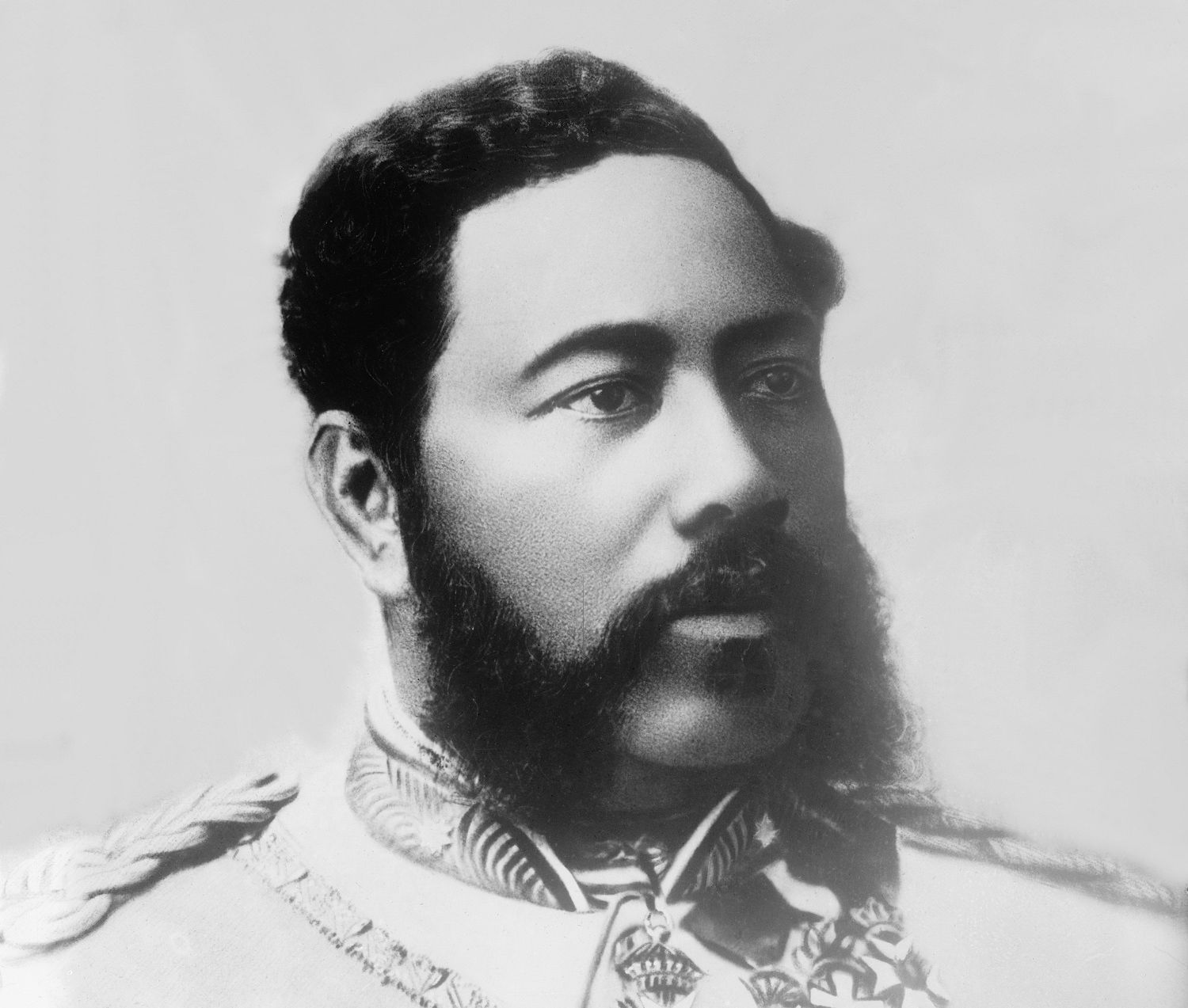
The Navigational Mastery of the Ancient Polynesians
History suggests that the first settlers arrived from the Marquesas Islands around 400 AD. These pioneers traveled in double-hulled canoes, bringing with them essential plants like taro, breadfruit, and sweet potatoes, as well as livestock. This initial wave of settlement established the foundational culture of the islands. Centuries later, around 1200 AD, a second wave of settlers arrived from the Society Islands, specifically Tahiti. This later group introduced new religious structures, a stricter social hierarchy known as the kapu system, and the oral traditions that would define the Hawaiian identity for generations.
Settling the Islands of Kauai and Oahu
The early settlers spread across the archipelago, establishing thriving communities on Kauai and Oahu. These islands offered rich soil and abundant freshwater, allowing for the construction of complex irrigation systems and fishponds. On Oahu, the area surrounding Diamond Head and Waikiki became centers of agricultural and social life. The remnants of these early settlements can still be found in the sacred sites and stone structures known as heiau, which served as the spiritual heart of the community.
The Rise of the Kamehameha Dynasty: Unifying the Islands
While the Polynesians discovered the islands, King Kamehameha I is credited with founding the Kingdom of Hawaii. Before his reign, the islands were a collection of independent chiefdoms often engaged in territorial warfare. Through strategic brilliance and the integration of new technologies, he brought the entire chain under one rule.
King Kamehameha I and the Battle of Nuuanu
Born on the Big Island, King Kamehameha I spent decades consolidating power. His most decisive victory occurred at the Battle of Nuuanu on Oahu in 1795. By driving the opposing forces over the steep cliffs of the Nuuanu Pali, he secured control over the major islands. By 1810, through a combination of military force and diplomatic negotiation with the King of Kauai, the unification was complete. This era marked the birth of a sovereign nation that would soon gain recognition on the world stage.
The Influence of the Big Island
The Big Island remained a central hub for the monarchy in its early years. Sites like Puuhonua o Honaunau National Historical Park and the royal residences in Kailua-Kona reflect the power and spiritual significance of this period. King Kamehameha I established a legal framework, the Law of the Splintered Paddle, which protected the rights of the common people and remains a symbol of human rights in the islands today.
The Arrival of European Explorers and the Shift in Governance
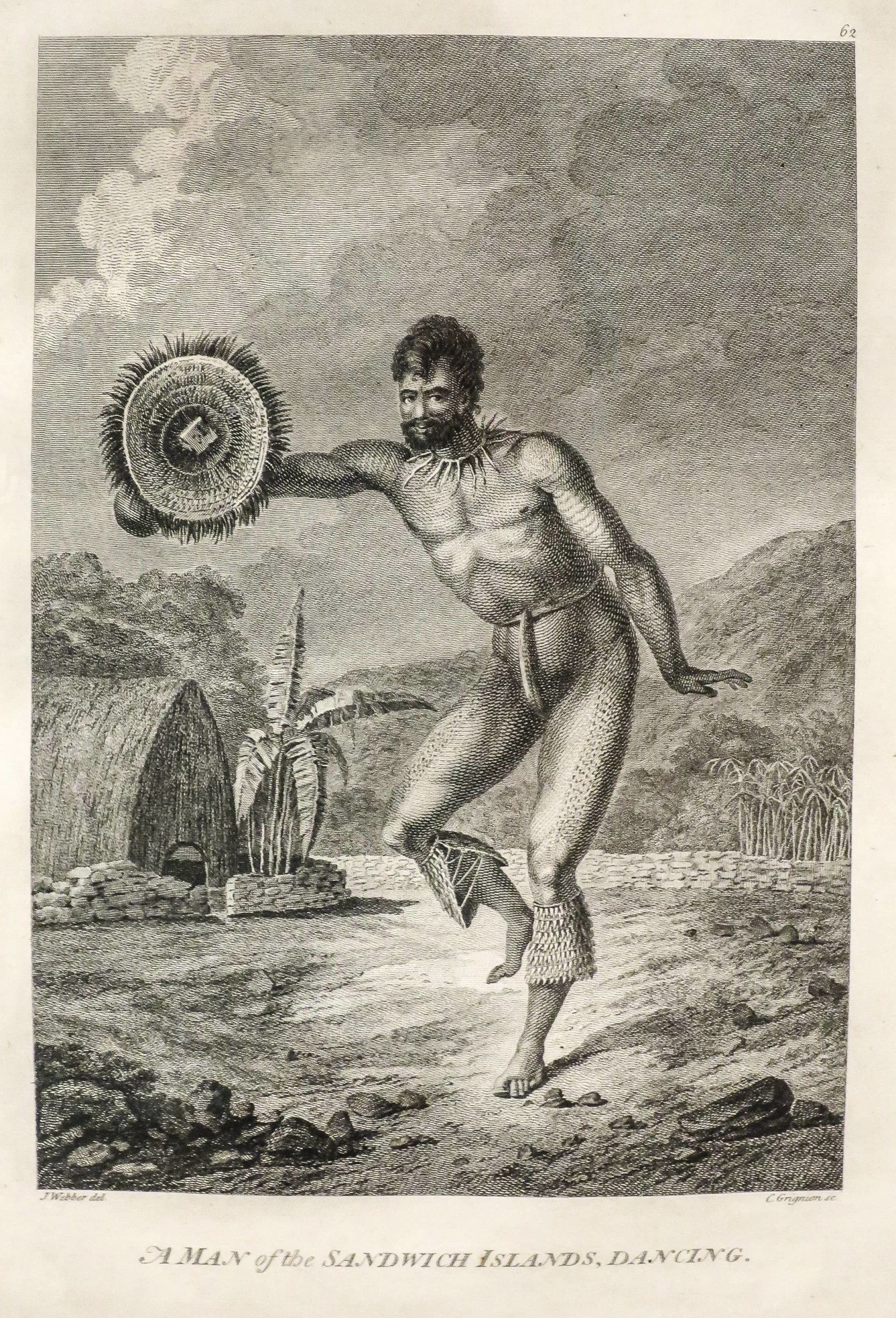
The late 18th century brought a new group of “founders” who, while not the first to arrive, irrevocably altered the course of the islands’ history. The arrival of Westerners introduced the islands to the global economy and shifted the political landscape.
Captain James Cook and the Discovery of the Sandwich Islands
In 1778, the British explorer Captain James Cook became the first documented European to make contact with the islands. Sailing for Great Britain, he named them the Sandwich Islands in honor of the Earl of Sandwich. His arrival at Kealakekua Bay on the Big Island opened the floodgates for trade, missionary work, and western influence. While Captain James Cook met his end in the islands during a conflict with the locals, his maps and journals brought the archipelago to the attention of Europe and the United States.
The Impact of Western Landmarks in Honolulu
As the capital moved from Lahaina on Maui to Honolulu on Oahu, the architecture and governance began to reflect Western styles. Under the reign of King Kamehameha III, the kingdom established a constitutional monarchy. Buildings like Washington Place and various government structures in the downtown area showcase the blend of indigenous authority and foreign design that defined this transitional era.
The Transition to Statehood and Modern Governance
The founding of Hawaii as we know it today—the 50th state of the United States—was a tumultuous process involving the overthrow of the traditional monarchy and a shift in global military strategy.
The Overthrow of the Hawaiian Kingdom
In 1893, a group of businessmen and sugar plantation owners, backed by the United States military, orchestrated the overthrow of Queen Liliuokalani. This controversial event led to the establishment of a republic and later the annexation of the islands by the United States in 1898. The Iolani Palace, the only royal palace on American soil, stands as a poignant landmark of this era, representing both the height of the Hawaiian monarchy and its ultimate loss of sovereignty.
Presiding Over the Pearl Harbor Era
The 20th century saw the islands become a strategic centerpiece for the United States military. The development of Pearl Harbor transformed the economic and social fabric of the islands. Following the events of World War II, a movement for statehood gained momentum, eventually leading to the islands officially joining the union in 1959. This final stage of “founding” established the modern political and legal identity of the state.
Preserving the Legacy of Hawaii’s Founders Today
To truly appreciate who founded Hawaii, one must visit the landmarks that preserve the memories of these diverse figures. From the ancient stones of the first settlers to the Victorian halls of the monarchy, the history is alive and accessible.
Visiting the Iolani Palace and Bishop Museum
For those seeking an insightful look at the royal founders, Iolani Palace provides an intimate look at the lives of the later monarchs. Nearby, the Bishop Museum houses the world’s largest collection of Polynesian artifacts, offering a deep dive into the culture of the original navigators. These institutions serve as guardians of the stories that define the islands.

Natural Landmarks as Living History
The nature of the islands is itself a founder of the culture. The volcanic landscapes of Maui and the Big Island shaped the spiritual beliefs and survival strategies of the people. Landmarks like the Royal Mausoleum of Hawaii in Honolulu and the historic ports of Hilo offer a quiet space to reflect on the lineage of those who built the nation. Whether it was the first Polynesian to sight the peaks of Mauna Kea or King Kamehameha I planning his empire, the founders of Hawaii were people of immense vision, resilience, and connection to the land.
LifeOutOfTheBox is a participant in the Amazon Services LLC Associates Program, an affiliate advertising program designed to provide a means for sites to earn advertising fees by advertising and linking to Amazon.com. Amazon, the Amazon logo, AmazonSupply, and the AmazonSupply logo are trademarks of Amazon.com, Inc. or its affiliates. As an Amazon Associate we earn affiliate commissions from qualifying purchases.