
Homeschooling in California represents a significant lifestyle choice, offering families unparalleled flexibility and control over their children’s education. Far from the traditional image of children confined to a kitchen table, modern homeschooling in the Golden State embraces diverse educational philosophies, integrates with family travel, and fosters a deep connection to the rich cultural and natural landscape of California. This approach allows families to tailor learning to individual needs, passions, and family values, making it an increasingly popular option for those seeking a dynamic and personalized educational journey.
Understanding California’s Homeschooling Landscape
Navigating the legal framework for homeschooling in California is the first crucial step for any family considering this lifestyle. Unlike some states with specific homeschooling statutes, California offers several distinct pathways, each with its own requirements and implications for family life. Understanding these options is key to selecting the one that best aligns with a family’s educational philosophy and lifestyle aspirations.
Legal Pathways to Homeschooling in California
In California, homeschooling primarily falls under the umbrella of operating a private school. This allows for significant autonomy but also requires adherence to specific regulations. The main legal avenues include:
- Establishing a Private School Affidavit (PSA): This is the most common and direct route for many homeschooling families. Parents effectively establish their home as a private school. To do this, they must file a Private School Affidavit with the California Department of Education between August 1st and October 15th each year. As the administrators of their private school, parents are responsible for maintaining attendance records, curriculum planning, health records, and providing instruction in subjects commonly taught in public schools. This path offers maximum freedom in curriculum choice and scheduling, making it ideal for families who desire complete control over their educational lifestyle.
- Enrolling in a Private School Satellite Program (PSP): PSPS are private schools that offer oversight and support to homeschooling families. These programs provide a legal umbrella under which families can homeschool, often handling the administrative paperwork (like the PSA filing) and offering resources such as curriculum guidance, record-keeping services, and community events. While families under a PSP must adhere to the program’s specific guidelines, this option can reduce the administrative burden on parents and connect them with a broader homeschooling community. Many PSPs cater to different educational philosophies, from classical to unschooling, offering a diverse array of choices for various family lifestyles.
- Instruction by a Certified Tutor: Parents who hold a valid California teaching credential can tutor their own children, provided the instruction is for at least three hours a day, 175 days a year, and in the “several branches of study required in the public schools of the state.” This pathway is less common but provides another legal framework for credentialed parents.
- Public School Independent Study Programs (ISPs): While not strictly “homeschooling” in the private school sense, ISPs offered through public school districts allow students to learn at home with curriculum and oversight provided by the district. Students are officially enrolled in the public school system but receive instruction remotely. This option typically involves regular check-ins with a supervising teacher, adherence to district curriculum and assignments, and periodic assessments. It offers structure and resources from the public system while allowing for home-based learning, which can be a good fit for families transitioning or those desiring a hybrid approach.
Choosing Your Educational Approach
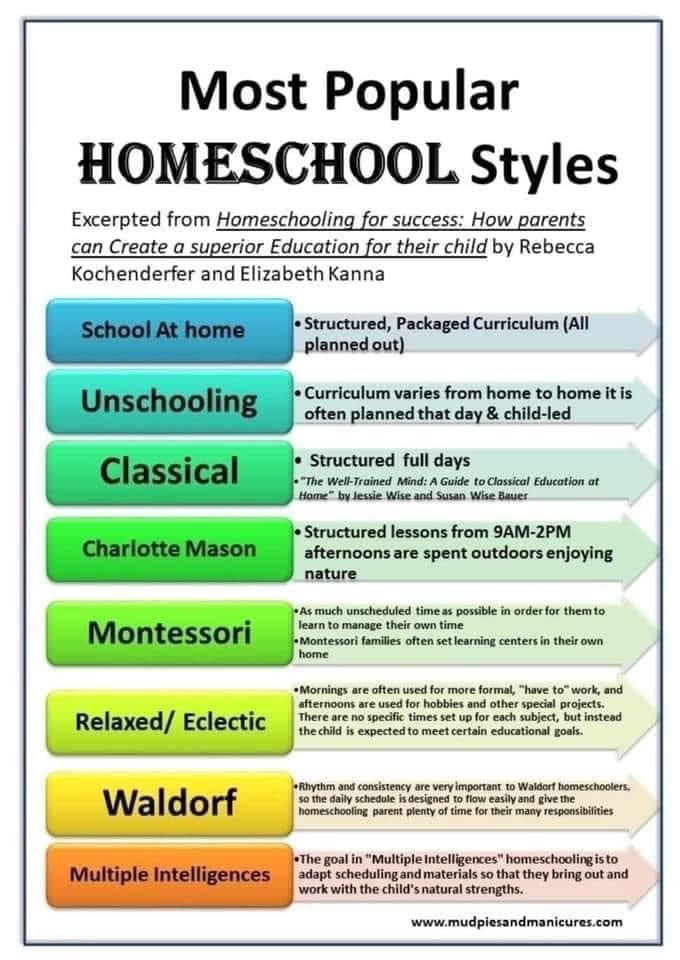
Once the legal pathway is understood, families must decide on their pedagogical approach, which profoundly influences their homeschooling lifestyle. California’s diverse homeschooling community embraces a spectrum of philosophies:
- Traditional Homeschooling: Mimics a conventional school setting at home, often using textbooks and structured schedules.
- Unschooling: Child-led learning, driven by the child’s natural curiosity and interests. This highly flexible approach often integrates learning seamlessly into daily life and travel experiences.
- Charlotte Mason: Emphasizes living books, nature study, and habit training.
- Waldorf/Montessori at Home: Adapts principles from these renowned educational models, focusing on holistic development and hands-on learning.
- Eclectic Homeschooling: A blend of various methods, customized to the child’s needs and the family’s lifestyle.
The choice of approach determines the rhythm of the homeschooling family’s life, from daily routines to travel plans and resource allocation.
Crafting a Thriving Homeschool Environment
A successful homeschooling lifestyle in California extends beyond legal compliance; it involves creating an engaging, supportive, and enriching learning environment. California’s unique geography and culture offer unparalleled opportunities to integrate learning with real-world experiences.
Curriculum Selection and Resources
The beauty of homeschooling lies in the ability to handpick curricula that resonate with a child’s learning style and the family’s educational goals. Resources are abundant, ranging from comprehensive all-in-one packages to individual subject textbooks, online courses, and educational apps. Many families opt for a hybrid approach, drawing from various sources. Free and low-cost resources are also widely available, including libraries, educational websites, and open-source materials. The key is to select materials that are not only academically sound but also adaptable to a flexible, lifestyle-oriented learning schedule.
Integrating Learning with California’s Unique Lifestyle
California offers an incredible extended classroom. Homeschooling families frequently leverage the state’s diverse attractions for experiential learning:
- Science and Nature: Exploring the tide pools along the coast, visiting the California Academy of Sciences in San Francisco, hiking in Yosemite National Park, or stargazing at the Griffith Observatory in Los Angeles. The San Diego Zoo and Safari Park also offer fantastic zoological and conservation education.
- History and Culture: Visiting missions like Mission San Juan Capistrano, exploring the gold rush history in Sacramento, or delving into art at the Getty Center in Los Angeles or the de Young Museum in San Francisco.
- Arts and Performance: Attending local theater productions, visiting art studios, or participating in music lessons across cities like Pasadena or Oakland.
These real-world excursions transform abstract concepts into tangible experiences, enriching the homeschooling lifestyle and creating lasting family memories.
Building a Community and Support Network

While homeschooling allows for individualized education, it does not mean isolation. California boasts a vibrant and extensive homeschooling community. Families can connect through:
- Local Homeschool Co-ops: Groups that meet regularly for classes, field trips, and social activities.
- Online Forums and Social Media Groups: Platforms for sharing resources, asking questions, and finding local meetups.
- Homeschooling Organizations: Such as the HomeSchool Association of California, which provides advocacy, resources, and events statewide.
- Community Classes: Many community centers, museums, and private organizations offer classes specifically geared towards homeschoolers, covering subjects from robotics to art.
These networks are invaluable for emotional support, resource sharing, and ensuring children have opportunities for socialization and collaborative learning, which are vital components of a balanced lifestyle.
Navigating the Practicalities and Benefits
Beyond the educational content, the practical aspects of homeschooling greatly influence the family’s lifestyle. Thoughtful planning can maximize the benefits and minimize potential challenges.
Record-Keeping and Compliance
Regardless of the chosen pathway, diligent record-keeping is essential. For PSA filers, this includes attendance records, courses of study, and samples of student work. PSPs typically have their own record-keeping requirements. While the California Department of Education does not mandate specific assessments or curriculum for private homeschools, maintaining records provides a clear picture of educational progress and can be helpful for future transitions or for college applications.
Financial Considerations and Budgeting
Homeschooling can be more cost-effective than private schooling, but it still requires careful budgeting. Families must factor in curriculum costs, educational supplies, field trip expenses, and potential membership fees for co-ops or online platforms. Many families creatively manage costs by utilizing library resources, free online materials, and discounted educational programs, ensuring that homeschooling remains an accessible lifestyle choice.
The Lifestyle Advantages of Homeschooling in California
The benefits of homeschooling often extend far beyond academics, shaping the entire family lifestyle:
- Flexibility and Travel: Homeschooling allows families to travel during off-peak seasons, integrate road trips through California’s diverse regions into learning units, and even embark on longer, location-independent adventures without disrupting education. Imagine studying marine biology during a visit to the Monterey Bay Aquarium or SeaWorld San Diego.
- Personalized Learning Pace: Children can delve deeply into subjects they love or take extra time on challenging concepts, fostering a genuine love for learning rather than rushing through material.
- Stronger Family Bonds: The increased time together often leads to deeper relationships and shared experiences, making education a collaborative family endeavor.
- Integration with Life Skills: Homeschooling naturally incorporates practical life skills, from budgeting and cooking to household management, preparing children for independent living.
- Customized Schedule: Families can design a schedule that fits their unique rhythm, accommodating extracurricular activities, parental work schedules, or even simply enjoying California’s beautiful weather outdoors.
Beyond the Basics: Enrichment and Future Paths
Homeschooling in California is a dynamic journey that evolves with a child’s growth and the family’s changing needs. Planning for enrichment and future educational or career paths is an integral part of this lifestyle.
Exploring Extracurricular Activities and Travel
Homeschoolers are often highly engaged in extracurricular activities. Local sports leagues, art classes, music lessons, volunteer opportunities, and community college courses (Pasadena City College or Santa Monica College are examples) provide avenues for specialization and social interaction. The flexibility of homeschooling also enables families to integrate meaningful travel, whether it’s exploring historical sites in Sacramento, enjoying the natural wonders of Lake Tahoe, or even broader international trips that become immersive learning experiences.

Preparing for Higher Education
Many homeschooling families successfully navigate the path to higher education. California’s universities, both public and private, are increasingly familiar with homeschooled applicants. Key considerations include:
- Transcript Creation: Families (or PSPs) are responsible for creating comprehensive transcripts that reflect the courses taken, grades achieved, and credits earned.
- Standardized Tests: Encouraging students to take the SAT or ACT is often crucial for college admissions.
- Portfolios and Recommendations: Showcasing unique learning experiences, projects, and receiving strong letters of recommendation can significantly strengthen an application.
- Community College First: Many homeschoolers opt to attend a community college for a year or two before transferring to a four-year university, offering a cost-effective and flexible transition.
Homeschooling in California is more than just an educational method; it is a holistic lifestyle choice that prioritizes individualized learning, family integration, and experiential engagement with the world. With careful planning and an embrace of the state’s abundant resources, families can create an enriching and vibrant educational journey tailored to their unique needs.
LifeOutOfTheBox is a participant in the Amazon Services LLC Associates Program, an affiliate advertising program designed to provide a means for sites to earn advertising fees by advertising and linking to Amazon.com. Amazon, the Amazon logo, AmazonSupply, and the AmazonSupply logo are trademarks of Amazon.com, Inc. or its affiliates. As an Amazon Associate we earn affiliate commissions from qualifying purchases.