
Navigating public transportation in a new city can be a source of considerable anxiety for any traveler. Understanding the fare system, payment methods, and available passes is crucial for making the most of your visit. For those exploring the vibrant and dynamic city of Seattle, particularly its extensive bus network operated by King County Metro and Sound Transit, knowing how to pay for your journey is fundamental to a seamless experience. This guide will demystify the fare collection process, outlining the various options available to ensure you can travel efficiently and affordably throughout the Emerald City.
Understanding Seattle’s Fare System
Seattle employs a tiered fare system for its bus services, primarily managed by King County Metro for local routes and Sound Transit for regional express and light rail services. The base fare is typically determined by the distance of your trip, with longer journeys costing more. This system is designed to be equitable, reflecting the cost of service provided.
Fare Zones and Pricing
Both King County Metro and Sound Transit utilize a zone-based fare structure for many of their services, though specific implementation can vary. For King County Metro buses, fares are generally divided into zones based on the distance traveled from your starting point. Most trips within the city of Seattle fall into the lowest fare zone, making local travel quite economical.
Sound Transit, which operates the Link light rail and regional bus services, also employs a zone system. The Link light rail, for instance, has a simpler fare structure, often with a flat fare for trips within certain corridors or a tiered system that increases with distance.
It’s important to note that fare policies can evolve. Always check the official websites of King County Metro and Sound Transit for the most current fare information, including any seasonal adjustments or promotions.
Discounts and Concessions
Seattle’s public transit system offers discounted fares for specific groups, making it more accessible for a wider range of users. These typically include:
- Youth Fares: Children and teenagers often ride for free or at a reduced rate. For example, youth aged 18 and under generally ride King County Metro and Sound Transit services for free.
- Senior and Disabled Fares: Individuals aged 65 and older, as well as those with qualifying disabilities, are eligible for reduced fares. Proof of eligibility, such as a Regional Reduced Fare Permit, may be required.
- Low-Income Fares: Both transit agencies offer programs for low-income individuals, providing significant discounts on fares. These programs aim to ensure that cost is not a barrier to accessing essential transportation.
To qualify for these discounts, you may need to apply for a specific ORCA card (see below) or provide documentation. Detailed information on eligibility and application processes can be found on the respective transit agency websites.
Payment Methods: Your Options in Seattle
Seattle offers a modern and flexible approach to fare payment, catering to both the tech-savvy traveler and those who prefer traditional methods. The primary method of payment across both King County Metro and Sound Transit is the ORCA card, but other options are also available.
The ORCA Card: The Smart Choice
The ORCA (One Regional Card Authority) card is the integrated contactless fare payment system for public transit in the Puget Sound region, including Seattle. It’s a rechargeable card that can be used on buses, light rail, streetcars, and ferries. Using an ORCA card is generally the most convenient and often the most cost-effective way to pay for your bus fare.
How to Get and Use an ORCA Card:
-
Purchasing an ORCA Card:
- Online: You can order an ORCA card directly from the ORCA website.
- In Person: ORCA cards can be purchased at select retail locations, including many grocery stores and convenience stores throughout Seattle. They are also available at major transit stations, such as the King Street Station or the University of Washington Station.
- At Ticket Machines: Automated ticket vending machines at light rail stations also sell ORCA cards.
-
Loading Value onto Your ORCA Card:
- Online: You can load value (add money) to your ORCA card through the ORCA website.
- App: The official ORCA app allows you to manage your card, check your balance, and load value from your smartphone.
- In Person: At retail locations, ticket machines, and customer service centers.
- Autoreload: A convenient feature that automatically adds funds to your card when your balance drops below a set threshold.
-
Using Your ORCA Card on the Bus:
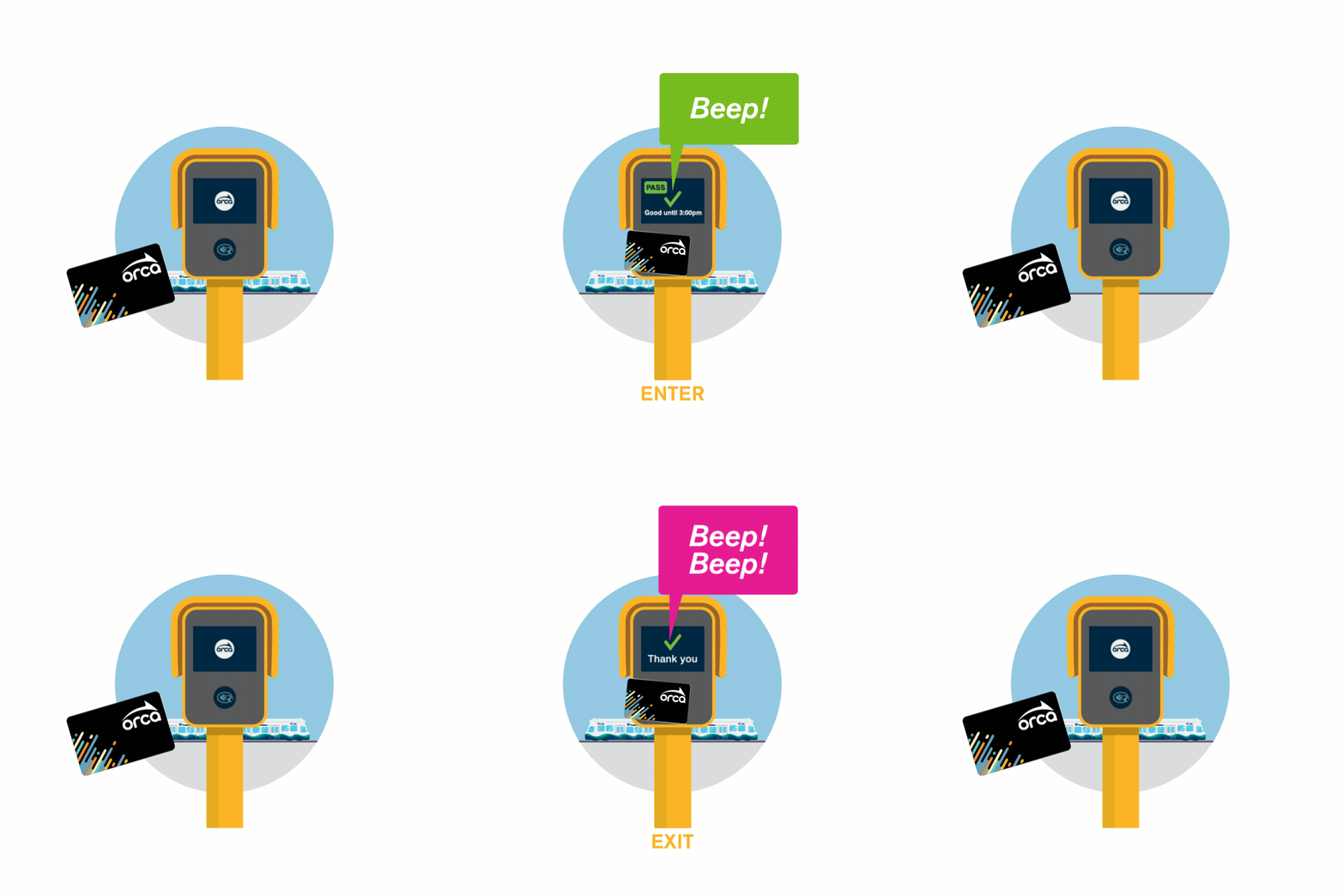
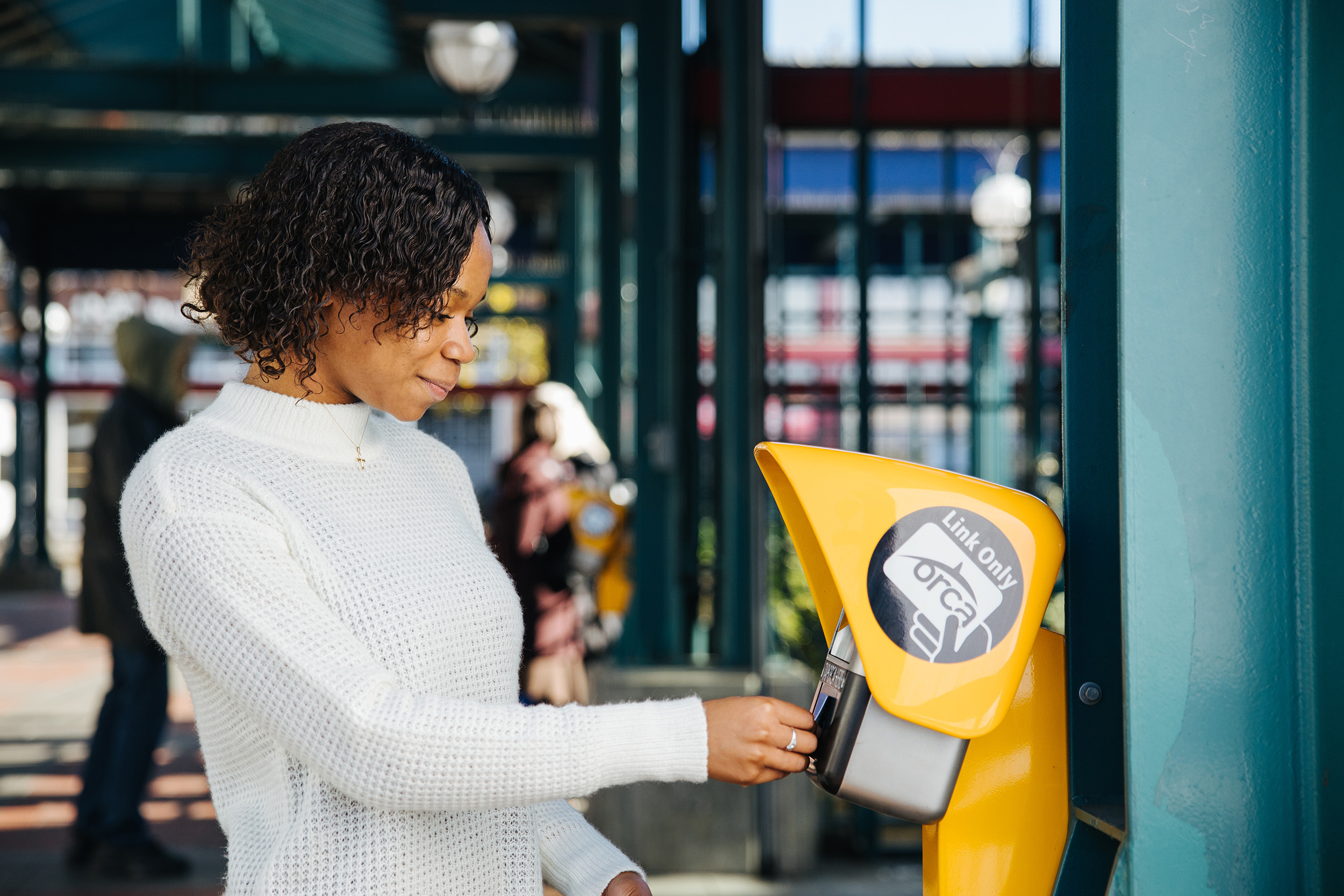
- Tap and Go: When boarding a bus, locate the ORCA card reader, typically near the farebox or on a pole by the door. Tap your ORCA card to the reader. You’ll hear a beep and see a confirmation on the screen indicating the fare has been deducted.
- Tap Once: It is crucial to tap only once. Tapping multiple times can result in incorrect fare deductions or errors.
- Tap Off (for some services): While most King County Metro bus trips do not require tapping off, certain Sound Transit services, particularly regional buses and light rail, may require you to tap off at your destination to ensure the correct fare is charged. Always pay attention to onboard announcements or signage.
Benefits of Using an ORCA Card:
- Convenience: No need to carry exact change.
- Savings: Often provides a slight discount compared to cash fares.
- Transfers: Seamless transfers between different transit agencies and modes (bus, light rail, streetcar) within a two-hour window are automatically applied, saving you money.
- Autoreload: Eliminates the worry of running out of funds.
- Account Management: Track your spending and manage your card online or via the app.
Cash Fares: The Traditional Approach
For infrequent riders or those who prefer not to obtain an ORCA card, cash is still an accepted form of payment on most King County Metro buses. However, there are important limitations to be aware of.
How to Pay with Cash:
- Exact Change Required: Buses do not carry change. You must have the exact fare amount in coins or dollar bills. Fareboxes are equipped to accept bills up to $20, but it’s best to use smaller denominations.
- Boarding the Bus: When you board, insert your exact fare into the farebox located near the driver.
- No Transfers: If you pay with cash, you will not be able to get a transfer for subsequent rides. Each cash payment covers a single one-way trip.
- Limitations on Sound Transit: While cash is accepted on some Sound Transit bus routes, it is generally not accepted for Link light rail or at ticket vending machines for loading value onto an ORCA card.
Recommendation: While cash is an option, it is significantly less convenient and more expensive in the long run due to the lack of transfer benefits. For any regular use of public transport in Seattle, an ORCA card is highly recommended.
Mobile Payment: The Future of Transit
As technology advances, mobile payment options are becoming increasingly integrated into public transit systems. Seattle is no exception, with the ORCA system offering robust mobile solutions.
- ORCA App: The official ORCA app allows you to manage your ORCA card, load funds, view transaction history, and even set up autoreload. This is an extension of the card system, not a standalone mobile ticket.
- Mobile Wallets (Limited): While not as widespread as in some other cities, there is ongoing development for integration with popular mobile wallets like Apple Pay and Google Pay for direct ticket purchasing or card loading. It is advisable to check the ORCA website or app for the latest updates on mobile payment functionalities.
Planning Your Journey and Fare Considerations
Before you embark on your Seattle adventure, a little planning regarding your transportation needs can save you time and money.
Estimating Your Fare
The easiest way to determine the fare for your intended journey is to use the trip planner tools provided by the transit agencies.
- King County Metro Trip Planner: Available on their website, this tool allows you to input your starting point and destination, and it will suggest routes and provide estimated fare information.
- Sound Transit Trip Planner: Similar to King County Metro, Sound Transit offers a comprehensive trip planner that includes fare estimates.
- OneBusAway App: This popular app provides real-time bus information and can also assist with trip planning and fare estimates.
Travel Passes and Day Passes
If you plan to use public transportation extensively during your visit, purchasing a day pass or a multi-day pass can offer significant savings.
- ORCA Regional Day Pass: These passes allow unlimited rides on King County Metro, Sound Transit buses, and Link light rail for a 24-hour period. They are loaded onto your ORCA card. The cost of a day pass is typically equivalent to the fare for a few individual trips, making it a good value for those making multiple journeys.
- Monthly Passes: For longer stays or for residents, monthly passes loaded onto an ORCA card offer the best value for frequent riders.
These passes are an excellent option for tourists who want the freedom to explore Seattle and its surrounding areas without constantly worrying about fare calculations. Simply load the desired pass onto your ORCA card, and you’re ready to go.
Navigating the Airport and Downtown Core
Getting to and from Seattle-Tacoma International Airport (SEA) is made easy by the Link light rail. The fare from the airport to downtown Seattle is a fixed rate, and you can pay using your ORCA card or purchase a ticket from the machines at the station.
Within the downtown core, there’s often a “fare-free zone” for local bus routes. This means you can ride many King County Metro buses within this designated area for free. Always check signage on the bus or consult transit maps to confirm if your route is within the fare-free zone. This is particularly helpful for short hops between attractions like the Pike Place Market and the waterfront.
By understanding these payment options and planning your journeys, you can confidently and affordably navigate Seattle using its excellent public bus system, making your travel experience smoother and more enjoyable.
LifeOutOfTheBox is a participant in the Amazon Services LLC Associates Program, an affiliate advertising program designed to provide a means for sites to earn advertising fees by advertising and linking to Amazon.com. Amazon, the Amazon logo, AmazonSupply, and the AmazonSupply logo are trademarks of Amazon.com, Inc. or its affiliates. As an Amazon Associate we earn affiliate commissions from qualifying purchases.