
California’s Diverse Climates: A Traveler’s Overview
California, often romanticized as the land of perpetual sunshine and golden beaches, presents a far more complex and varied climatic tapestry for the discerning traveler. While coastal cities boast mild, Mediterranean weather for much of the year, venturing inland or to higher elevations quickly reveals a different story, where temperatures can plummet dramatically, bringing snow, ice, and biting cold. Understanding these regional variations is paramount for planning any trip, ensuring appropriate packing, and selecting the ideal destinations and activities to match your comfort level and desired experience.
The Myth of Perpetual Sunshine
Many visitors arrive in California expecting uniform warmth, a notion largely perpetuated by the state’s iconic imagery. However, this vast state encompasses nearly 164,000 square miles, stretching over 800 miles from north to south. Its diverse geography means that at any given time, you could be sunbathing on a beach in San Diego, skiing down a snowy slope in the Sierra Nevada, or experiencing freezing desert nights. This dramatic range in temperatures means that “how cold does it get?” isn’t a simple question with a single answer; rather, it’s an exploration into microclimates and seasonal shifts that shape unique travel opportunities.
Geographic Influences on Temperature
The primary drivers of California’s temperature extremes are its formidable mountain ranges, expansive deserts, and the moderating influence of the Pacific Ocean. The Sierra Nevada and other smaller ranges block moisture from moving inland, creating a rain shadow effect that leads to arid conditions in the east. These mountains also host some of the coldest temperatures and heaviest snowfall in the continental United States. Conversely, the Pacific Ocean keeps coastal areas relatively cool in summer and mild in winter, preventing extreme heat or cold. Inland valleys and deserts, such as the Mojave Desert and the Central Valley, experience greater temperature fluctuations, with hot summers giving way to surprisingly chilly winters and significant diurnal temperature swings.
Northern California: Embracing the Chill
Travelers heading to Northern California during the colder months should be prepared for a genuine winter experience, particularly in the mountainous and far inland regions.
Mountain Retreats and Winter Sports
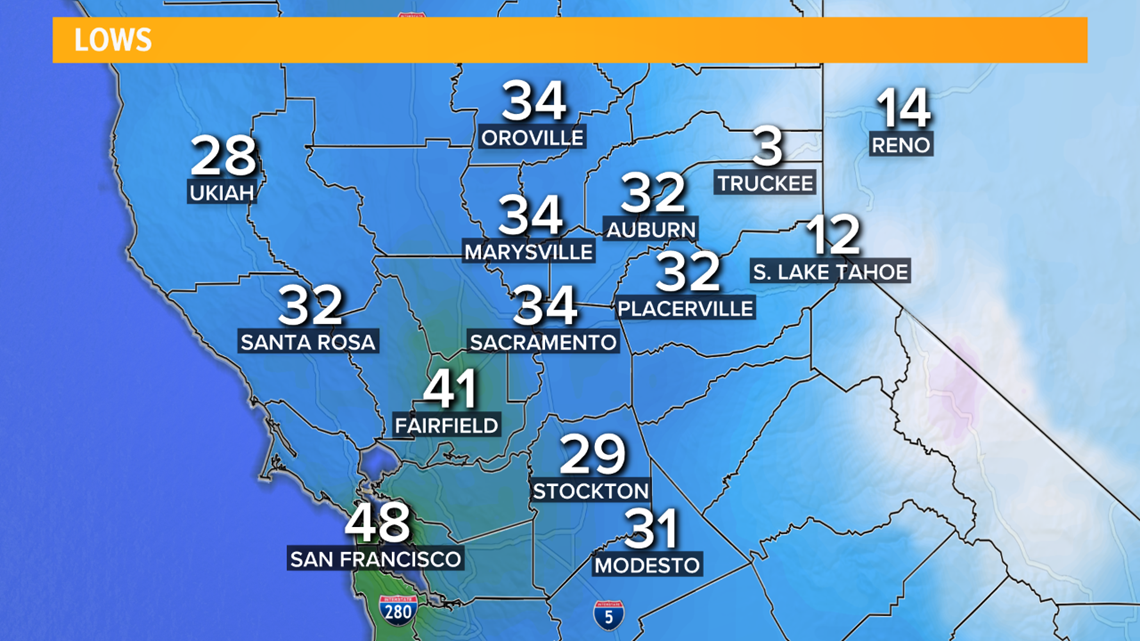
The towering Sierra Nevada mountain range is the epicenter of California’s cold weather, with destinations like Lake Tahoe and Mammoth Lakes regularly seeing temperatures drop well below freezing, often dipping into the single digits or even negative Fahrenheit during cold snaps, especially at night. Snowfall here is legendary, often accumulating several feet at a time, making it a prime destination for winter sports from December through April, and sometimes into May or June at higher elevations. Ski resorts such as Palisades Tahoe, Heavenly Mountain Resort, and Kirkwood Mountain Resort offer world-class skiing and snowboarding, but require robust cold-weather gear. Beyond the slopes, travelers can enjoy snowshoeing, cross-country skiing, ice skating, or simply cozying up in a mountain cabin with a fireplace, all while experiencing bone-chilling temperatures outdoors. Even Yosemite National Park transforms into a serene, snow-covered wonderland in winter, with valley temperatures frequently in the 20s-30s Fahrenheit (around -7 to 0 Celsius) during the day and falling much lower at night.
Coastal Coolness and City Frosts
Northern California’s coast, while not experiencing the same extreme cold as the mountains, is consistently cool and often damp. San Francisco, famed for its fog, rarely sees temperatures above the mid-60s Fahrenheit (around 18 Celsius) even in summer, and winter daytime averages hover in the low 50s (10-12 Celsius), with nighttime lows in the 40s (4-7 Celsius). While freezing temperatures are uncommon directly in the city, the wind chill can make it feel much colder. Further north, cities like Eureka and areas around Redwood National Park maintain a similar cool, temperate climate year-round, with winter daytime temperatures typically in the 40s to 50s Fahrenheit. Travelers exploring these coastal and forest regions should pack layers, including waterproof and windproof outerwear, to stay comfortable during misty hikes or strolls along the brisk coastline. The cold here is less about ice and snow and more about persistent chill and dampness.
Central and Southern California: Unexpected Variations
While often associated with warmth, Central and Southern California also present surprising cold weather conditions, particularly as one moves away from the immediate coast.
High Deserts and Mountain Peaks
The high desert regions east of Los Angeles, such as Palm Springs, Joshua Tree National Park, and even Death Valley National Park, offer a fascinating duality. While known for scorching summers, winter brings crisp days and remarkably cold nights. In Palm Springs, daytime temperatures in winter are often a pleasant 60s-70s Fahrenheit (15-25 Celsius), but once the sun sets, temperatures can drop into the 30s (0-4 Celsius), with occasional freezes. Joshua Tree National Park experiences similar drastic diurnal swings, making camping a truly cold experience at night, sometimes dipping into the 20s (-7 to -1 Celsius). Even Death Valley National Park, famous for extreme heat, can see overnight lows near freezing in winter, especially at higher elevations within the park.
Higher up in the mountains bordering Southern California, such as the San Bernardino Mountains home to resorts like Big Bear Lake, winter temperatures are significantly colder, consistently below freezing, with substantial snowfall. This offers another popular option for skiing and snowboarding within a couple of hours’ drive from major metropolitan areas. Temperatures here can reach single digits or even below zero Fahrenheit during peak winter.
Coastal Comfort and Inland Extremes
The iconic coastal cities of Southern California — Los Angeles and San Diego — enjoy arguably the mildest winters in the state. Daytime temperatures typically range from the low to mid-60s Fahrenheit (15-18 Celsius), with overnight lows usually in the 40s (4-9 Celsius). Frost is rare and snow is virtually nonexistent at sea level. Travelers here can often enjoy outdoor activities year-round with just a light jacket or sweater. However, moving even a short distance inland, especially into the sprawling Central Valley, reveals colder conditions. Cities like Fresno or Bakersfield can experience winter mornings in the 30s Fahrenheit (0-4 Celsius), with dense fog known as “Tule fog” often blanketing the region, making it feel much colder and significantly impacting visibility for travelers. Freezing temperatures and frost are common here, necessitating warmer attire for early morning excursions.
Preparing for California’s Cold: A Traveler’s Guide
Armed with an understanding of California’s diverse climate, travelers can strategically plan their visits to embrace or avoid the chill.
Essential Packing Tips
Regardless of your exact destination, layering is the golden rule for traveling in California during cooler months. For mountain and high-desert regions, essential items include thermal base layers, fleece or down mid-layers, a waterproof and windproof outer shell, warm hats, gloves or mittens, insulated waterproof boots, and wool socks. For coastal cities and milder inland areas, a warm sweater, a light to medium-weight jacket, and comfortable walking shoes are usually sufficient, though a scarf can be a welcome addition for brisk evenings. Always check the specific local forecast for your destination just before your trip, as conditions can change rapidly.
Best Times to Visit for Cold-Weather Experiences
For those specifically seeking cold-weather experiences, such as skiing, snowboarding, or enjoying snowy landscapes, the prime time to visit California’s mountains is typically from late December through March. Some resorts, especially those at higher elevations like Mammoth Mountain (part of Mammoth Lakes), may offer skiing into May or even June. For cooler, crisp desert explorations in places like Joshua Tree National Park or Death Valley National Park, the cooler months of November to March are ideal, offering pleasant daytime temperatures for hiking without the oppressive summer heat, though travelers must be prepared for freezing nights. Coastal cities like San Francisco are perpetually cool, making any time of year suitable for a refreshing chill, but winter might bring more rain.
Unique Cold-Weather Activities & Attractions
California’s colder regions offer a wealth of unique travel experiences beyond just snow sports. Many natural hot springs, particularly in the Eastern Sierra, become incredibly inviting in winter, offering a warm soak amidst frosty landscapes. Winter hiking in Yosemite National Park or around Mount Shasta provides unparalleled solitude and breathtaking views of snow-dusted formations. Stargazing in the clear, cold desert nights of Anza-Borrego Desert State Park or Joshua Tree National Park is spectacular. Even along the coast, whale watching season from December to May can be a thrilling cold-weather activity, requiring warm layers to combat ocean breezes while spotting migrating gray whales. Charming towns like Santa Cruz or Carmel-by-the-Sea offer cozy wine-tasting experiences and stunning coastal walks that are invigorated by the crisp winter air.

Health and Safety Considerations
When traveling to California’s colder, mountainous regions, consider safety. Altitude sickness can be a concern at elevations above 8,000 feet, so acclimatize gradually and stay hydrated. Driving in snowy conditions requires experience and proper equipment (chains or four-wheel drive). Always check road conditions before heading into mountain passes. In cold, dry desert environments, hydration remains crucial even if you don’t feel thirsty, and protect your skin from windburn and sun exposure, which can still be significant even in winter. By understanding the nuances of California’s climate and preparing accordingly, travelers can unlock a wealth of memorable cold-weather adventures.
LifeOutOfTheBox is a participant in the Amazon Services LLC Associates Program, an affiliate advertising program designed to provide a means for sites to earn advertising fees by advertising and linking to Amazon.com. Amazon, the Amazon logo, AmazonSupply, and the AmazonSupply logo are trademarks of Amazon.com, Inc. or its affiliates. As an Amazon Associate we earn affiliate commissions from qualifying purchases.