
Navigating the process of applying for housing assistance through the Section 8 program in Texas can seem complex. This program, officially known as the Housing Choice Voucher Program (HCVP), is administered by the U.S. Department of Housing and Urban Development (HUD) and implemented by local Public Housing Agencies (PHAs). Its primary goal is to help low-income families, the elderly, and the disabled afford safe, decent, and sanitary housing in the private market. In Texas, the application process is overseen by various PHAs, each serving specific cities or counties. Understanding the steps involved is crucial for a successful application.

Understanding Section 8 Eligibility Requirements
Before embarking on the application journey, it’s essential to grasp the fundamental eligibility criteria for the Section 8 Housing Choice Voucher Program in Texas. These requirements are designed to ensure that assistance reaches those who need it most.
Income Limits
The most significant factor determining eligibility is income. HUD sets income limits that vary based on family size and the cost of living in a particular area. In Texas, these limits are established for Very Low-Income families (at or below 50% of the median income for the area) and Extremely Low-Income families (at or below 30% of the median income for the area). PHAs use these figures to define who qualifies for assistance.
- Annual Income Calculation: Applicants will need to provide documentation for their total annual income, including wages, salaries, social security benefits, pensions, and any other sources of income. Deductions for certain expenses, such as child care or medical expenses for elderly or disabled family members, may be considered.
- Area Median Income (AMI): The AMI is a benchmark set by HUD that reflects the midpoint of a region’s income distribution. It is adjusted annually to account for inflation and changes in local economic conditions. It is important to check the specific AMI for the county or city where you are applying, as this will directly impact the income limits.
Family Composition and Size
Family composition plays a role in determining eligibility and the size of the voucher you might receive. A “family” for Section 8 purposes can include a single person, a couple, or a group of individuals living together, as well as any live-in attendants who are essential to the care of a disabled or elderly family member. The size of the voucher allocated is typically based on the number of bedrooms needed for the family.
- Definition of Family: HUD defines a family broadly to include various household structures. This ensures that assistance is available to a wide range of individuals and groups.
- Bedroom Size Allocation: The number of bedrooms assigned is generally based on the number of individuals in the household, with specific guidelines to prevent overcrowding and ensure adequate living space.
Citizenship and Immigration Status
Applicants must be U.S. citizens or have eligible immigration status. PHAs will require documentation to verify this status.
- Verification Documents: This typically includes birth certificates, passports, permanent resident cards, or other valid immigration documents.
- Immigration Status Categories: HUD outlines specific eligible immigration statuses, and applicants must fall within one of these categories to be considered for the program.
Criminal Background and Eviction History
PHAs conduct background checks on applicants. Certain criminal convictions, particularly those related to drug offenses or violent crimes, may disqualify an applicant. Similarly, a history of serious lease violations or evictions may also impact eligibility.
- PHA Discretion: Each PHA has its own specific policies regarding criminal history reviews, but federal guidelines provide a framework for these decisions.
- Honesty and Disclosure: It is crucial for applicants to be upfront and honest about any past issues, as failure to disclose relevant information can lead to disqualification.
The Application Process: Step-by-Step Guide
Applying for Section 8 housing in Texas involves several distinct stages. Following these steps diligently will increase your chances of a successful application.
Locating Your Local Public Housing Agency (PHA)
The first and most critical step is identifying the PHA responsible for your area. Section 8 is not a centralized federal application but is managed at the local level.
- HUD Website Resources: The U.S. Department of Housing and Urban Development (HUD) website provides a search tool to find PHAs by state and city. You can also contact your local HUD office for assistance.
- County and City Websites: Many counties and major cities in Texas, such as Dallas, Houston, San Antonio, and Austin, have their own PHAs. Checking these government websites directly can often yield the most up-to-date information.
- Contacting PHAs: Once you’ve identified your PHA, visit their official website or call their office. They will have specific instructions, application forms, and information about their waiting list status.
Obtaining and Completing the Application Form
Once you’ve identified your PHA, you’ll need to obtain their application form. This is typically available for download from the PHA’s website or can be picked up in person at their office.
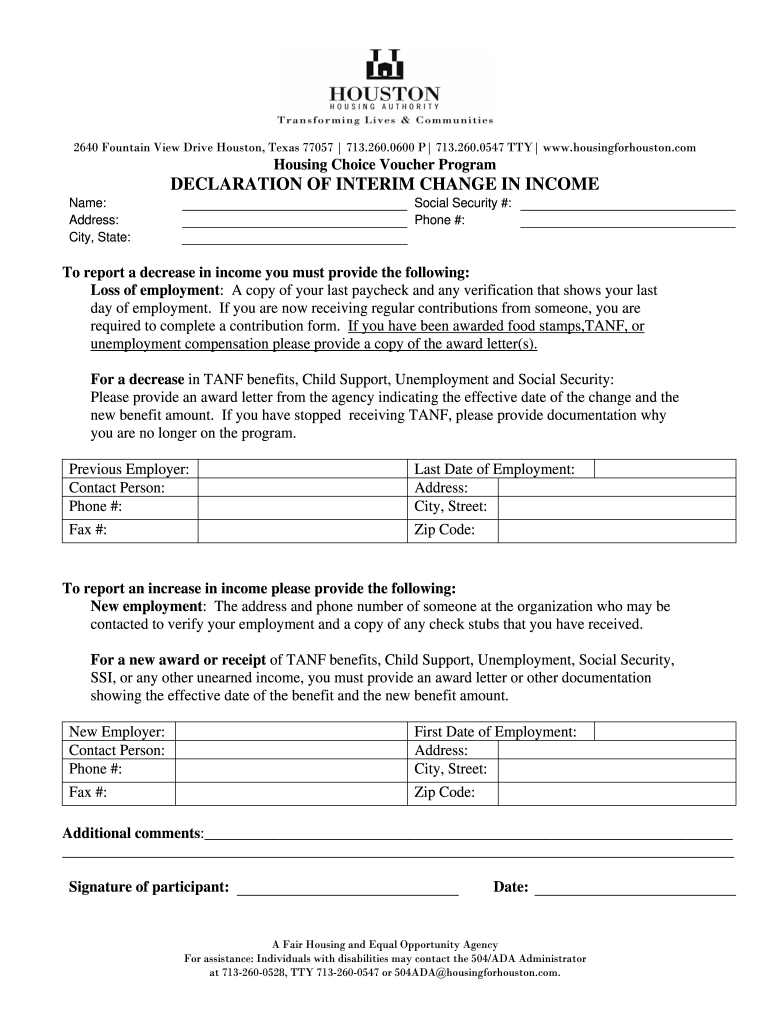
- Application Availability: PHAs often have specific application periods or maintain waiting lists that may be open or closed depending on demand. It’s crucial to check the PHA’s website for current application status.
- Gathering Necessary Documents: You will need to provide a significant amount of personal information and supporting documentation. This usually includes:
- Proof of identity for all household members (e.g., driver’s licenses, state IDs, birth certificates).
- Social Security cards for all household members.
- Proof of income for all household members (e.g., pay stubs, award letters for benefits, tax returns).
- Information about assets (e.g., bank statements, property deeds).
- Proof of residency in the PHA’s jurisdiction.
- Information regarding any disabilities or medical conditions that may qualify for specific preferences.
- Accuracy is Key: Fill out the application form completely and accurately. Any errors or omissions can delay your application or lead to its rejection. Be sure to include all household members who will be residing in the unit.
Submitting Your Application and Waiting List Management
After completing the application and gathering all required documents, you will submit them to the PHA. The method of submission (online, mail, or in-person) will be specified by the PHA.
- Waiting List: Once your application is accepted, you will be placed on the PHA’s waiting list. The length of the waiting list can vary significantly depending on the PHA and the demand for housing assistance in that area. Some waiting lists can be several years long.
- Preferences: Many PHAs offer preferences for certain applicants, which can move them higher on the waiting list. These preferences often include:
- Working families.
- Elderly or disabled individuals.
- Families with very low income.
- Local residency.
- Homeless individuals or families.
- Maintaining Contact: It is essential to keep your contact information updated with the PHA. If they cannot reach you when a voucher becomes available, you may lose your place on the list. Check in periodically with the PHA to confirm your status and ensure your information is current.
What Happens After You’re Approved?
Being approved for Section 8 housing is a significant milestone, but it’s just one part of the process. The next steps involve finding a suitable property and moving in.
Receiving a Voucher and Eligibility Determination
Once a voucher becomes available for your household, the PHA will notify you. You will then undergo a final eligibility determination, which includes a more thorough review of your documentation and a background check.
- Voucher Issuance: The voucher specifies the maximum rent the PHA will subsidize for your unit and the number of bedrooms your family is entitled to.
- Portability Option: If you have a voucher from one PHA, you may be able to use it in another jurisdiction through the “portability” option. This allows you to move to a different area, provided the receiving PHA administers the program and you meet their requirements.
Finding a Suitable Rental Property
With your voucher in hand, you can begin searching for a rental property that meets program standards. The property must be safe, decent, and sanitary, and its rent must be affordable within the terms of the voucher.
- Landlord Participation: Not all landlords participate in the Section 8 program. You will need to look for properties advertised as Section 8-friendly or inquire directly with landlords about their willingness to accept vouchers.
- Rent Reasonableness: The PHA will conduct a rent reasonableness test to ensure that the rent you agree to with the landlord is comparable to rents for similar unassisted units in the same area.
- Housing Quality Standards (HQS): The PHA will inspect the prospective rental unit to ensure it meets HUD’s Housing Quality Standards (HQS). This inspection covers aspects such as safety, sanitation, and basic utilities. The unit must pass this inspection before the lease can be approved.
Lease Signing and Move-In
Once you’ve found a suitable property, the landlord completes the necessary paperwork with the PHA. This includes a Request for Tenancy Approval (RTA).
- Lease Agreement: You will sign a lease agreement with the landlord. This lease will outline the terms of your tenancy, including rent, duration, and responsibilities. This lease is separate from the Housing Assistance Payments (HAP) contract between the landlord and the PHA.
- HAP Contract: The PHA enters into a HAP contract with the landlord. Under this contract, the PHA pays a portion of the rent directly to the landlord each month, and you are responsible for paying your portion of the rent (your “tenant’s portion” or “family’s portion”), typically based on your income.
- Initial Occupancy: After the HAP contract is signed and the first rent payment is processed, you can move into your new home.
Tips for a Successful Application and Tenancy
Successfully navigating the Section 8 application and tenancy process requires diligence, patience, and a proactive approach.
Staying Informed and Organized
- Keep Records: Maintain meticulous records of all submitted documents, correspondence with the PHA, and any communication with potential landlords.
- Follow Up: Regularly follow up with the PHA regarding your application status and waiting list position.
- Understand Your Rights and Responsibilities: Familiarize yourself with the PHA’s policies and your rights and responsibilities as a voucher holder and tenant. HUD and your PHA should provide informational materials.
Choosing the Right Property and Landlord
- Inspect Thoroughly: Before signing any lease, thoroughly inspect the property yourself. Look for any potential issues that might cause problems during the HQS inspection.
- Communicate with Landlords: Build a good rapport with your landlord. Open and honest communication can prevent many disputes.
- Seek Advice: If you are unsure about any aspect of the lease agreement or landlord’s request, consult with the PHA or a housing advocate.

Maintaining Your Home and Tenancy
- Pay Rent on Time: Consistently pay your portion of the rent on time to avoid lease violations.
- Maintain the Property: Keep the rental unit in good condition and report any maintenance issues to the landlord promptly. This will help ensure your unit continues to pass annual HQS inspections.
- Follow Lease Terms: Adhere to all terms and conditions of your lease agreement.
The Section 8 program is a vital resource for many individuals and families in Texas seeking stable housing. By understanding the eligibility requirements, meticulously following the application process, and being an engaged and responsible tenant, you can successfully utilize this program to secure a safe and affordable home.
LifeOutOfTheBox is a participant in the Amazon Services LLC Associates Program, an affiliate advertising program designed to provide a means for sites to earn advertising fees by advertising and linking to Amazon.com. Amazon, the Amazon logo, AmazonSupply, and the AmazonSupply logo are trademarks of Amazon.com, Inc. or its affiliates. As an Amazon Associate we earn affiliate commissions from qualifying purchases.