
Florida, the Sunshine State, beckons entrepreneurs with its vibrant economy, diverse population, and a constant influx of tourists. Whether you dream of opening a beachfront boutique, a unique tour operator, or a specialized hospitality service, the allure of starting a business here is undeniable. With its thriving tourism sector, rich cultural tapestry, and a pro-business environment, Florida offers fertile ground for new ventures. This guide will navigate you through the essential steps and considerations for launching your enterprise in this dynamic state, drawing parallels with the vibrant life and experiences found across our website.
Laying the Foundation: Business Planning and Legal Structure
Embarking on the entrepreneurial journey in Florida begins with a robust plan and a clear understanding of legalities. Much like planning a memorable trip or finding the perfect accommodation, a solid business plan acts as your roadmap, guiding you through the complexities of launching and growing your venture.
Crafting Your Business Blueprint
Your business plan is more than just a document; it’s the crystallization of your vision. It should detail your business concept, target market, marketing and sales strategies, operational plan, and, crucially, your financial projections. For businesses in the travel and tourism sector, understanding the nuances of your target audience is paramount. Are you catering to luxury travel enthusiasts seeking five-star resorts in places like Miami, or budget-conscious families looking for affordable attractions and guides to explore the natural wonders of the Everglades?
Consider the competitive landscape. Are there similar businesses operating in your chosen niche, perhaps in popular tourist hubs like Orlando with its famous theme parks, or along the picturesque coastlines of the Florida Keys? Researching existing businesses, their offerings, and their pricing will help you differentiate your venture and carve out your unique selling proposition. This diligent preparation is akin to researching hotels for a family trip, ensuring you find the best fit for your needs and budget.
Choosing Your Legal Structure
The legal structure of your business will impact your liability, taxes, and administrative requirements. The most common options for new businesses in Florida include:
- Sole Proprietorship: This is the simplest structure, where the business is owned and run by one individual. There is no legal distinction between the owner and the business. While easy to set up, it offers no personal liability protection.
- Partnership: Similar to a sole proprietorship, but involves two or more individuals. Profits and losses are passed through to the partners. Again, personal liability is a concern.
- Limited Liability Company (LLC): An LLC offers liability protection, separating your personal assets from your business debts. It’s a popular choice for small to medium-sized businesses due to its flexibility and pass-through taxation.
- Corporation (S-corp or C-corp): Corporations are more complex to set up and maintain but offer the strongest liability protection. They are separate legal entities from their owners.
The choice of structure will depend on factors like the size of your planned operation, your investment capital, and your risk tolerance. Consulting with a legal professional or business advisor in Florida is highly recommended to make the most informed decision for your specific situation. This is a crucial step, much like ensuring your travel bookings are confirmed and secure before embarking on an adventure.
Navigating Florida’s Regulatory Landscape
Florida’s business environment is generally considered favorable, but like any jurisdiction, it has its own set of regulations and requirements that must be met. Understanding these will prevent potential hurdles and ensure smooth operations. This involves more than just knowing the best food tours in Tampa; it’s about understanding the rules of engagement.
Registering Your Business and Obtaining Licenses
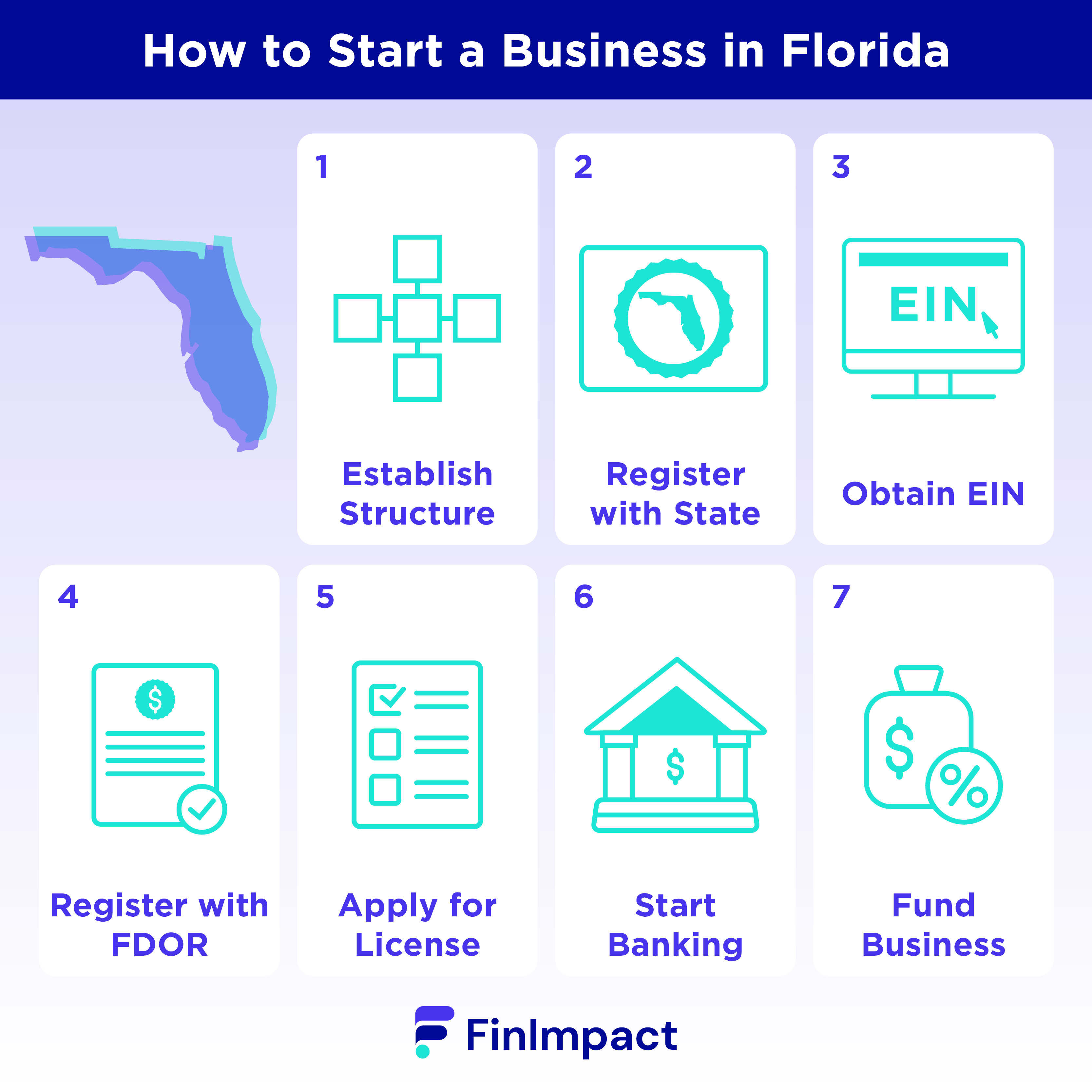
The first official step is typically registering your business name with the Florida Department of State. If you operate under a name different from your own legal name (for sole proprietorships and partnerships) or the registered LLC/corporation name, you’ll need to file a “Doing Business As” (DBA) or fictitious name registration.

Depending on your industry and location, you will likely need to obtain various federal, state, and local licenses and permits. For businesses in the hospitality sector, this could include food service permits, liquor licenses, and health department approvals. Tourism-related businesses might require specific permits for operating tours, renting out vehicles, or engaging in activities that impact natural resources.
For example, if you’re planning to offer guided nature tours in national parks or state forests, you’ll need to comply with regulations set by agencies like the National Park Service or the Florida Forest Service. If your business involves providing accommodation, such as managing short-term rental properties or operating a small bed and breakfast, you’ll need to adhere to local zoning laws and regulations concerning guest stays, often outlined in city or county ordinances. This is a vital part of the process, akin to securing the necessary travel documents for an international trip.
Understanding Tax Obligations
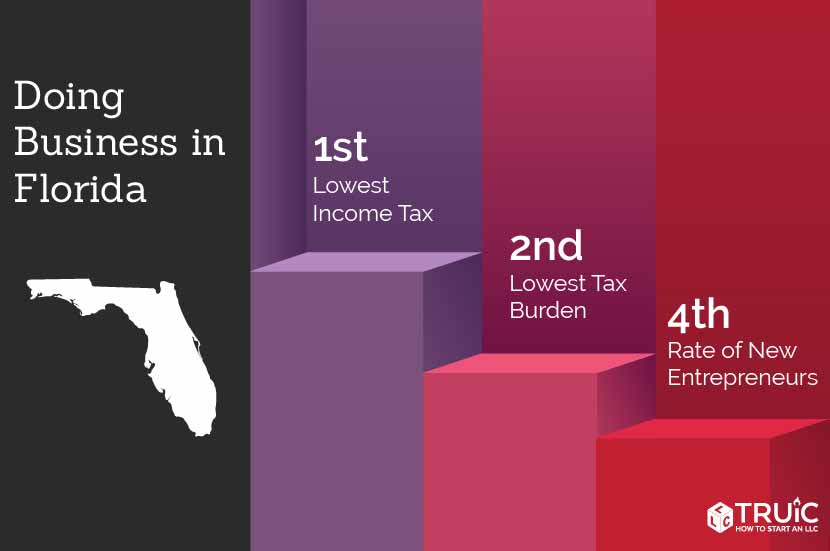
Florida has no state income tax for individuals, which is a significant draw for residents and businesses alike. However, your business will still be subject to federal taxes, and potentially state sales tax and other local taxes.
- Federal Taxes: You’ll need an Employer Identification Number (EIN) from the IRS if you plan to hire employees or operate as a corporation or partnership.
- Sales Tax: Most tangible goods and some services sold in Florida are subject to sales tax. You’ll need to register with the Florida Department of Revenue to collect and remit sales tax. This applies to businesses selling merchandise in stores or online, or providing taxable services.
- Reemployment Tax: Businesses that hire employees are generally required to pay Florida’s Reemployment Tax (formerly known as Unemployment Tax).
Thoroughly understanding your tax liabilities is crucial. Consider working with a qualified accountant or tax advisor who is familiar with Florida’s tax laws. They can help you set up your accounting systems and ensure compliance, freeing you up to focus on growing your business, much like a reliable travel agency handles the complexities of booking your itinerary.
Building Your Brand and Reaching Your Audience
Once your business is legally established and you’ve navigated the regulatory maze, the focus shifts to attracting customers and building a strong brand presence. This is where the principles of marketing and customer engagement come into play, areas where Florida’s vibrant tourism and lifestyle sectors offer a wealth of inspiration.
Developing a Compelling Brand Identity
Your brand is the essence of your business – what it stands for, what it offers, and how it makes customers feel. In a state known for its sunshine, beaches, and diverse attractions, a strong brand identity can help you stand out.
Consider the aesthetic and messaging that will resonate with your target audience. If you’re offering luxury travel experiences in places like the upscale communities of Palm Beach, your branding should reflect sophistication and exclusivity. If your business focuses on affordable family trips to theme parks in Orlando, your branding should be fun, energetic, and accessible.
This extends to all aspects of your business, from your logo and website design to your customer service and the overall experience you provide. Think about the unique aspects of Florida that you can weave into your brand. Are you highlighting the rich history of St. Augustine, the vibrant arts scene in Miami, or the stunning natural beauty of the Florida Everglades?
Marketing Your Business Effectively
Effective marketing is key to reaching your customers and driving sales. In Florida, a state heavily reliant on tourism, a multi-faceted approach is often most successful.
- Online Presence: A professional website is non-negotiable. For businesses in the travel and hospitality sectors, high-quality photography and detailed descriptions of your destinations, hotels, attractions, and experiences are crucial. Search Engine Optimization (SEO) will help potential customers find you when searching for services like “best resorts in Florida” or “unique tours in Miami.”
- Social Media Marketing: Platforms like Instagram, Facebook, and TikTok are powerful tools for showcasing what your business offers. Visually appealing content, customer testimonials, and engaging posts can attract a wide audience, especially those planning trips or looking for local tips and activities.
- Content Marketing: Creating valuable content, such as travel guides, blog posts about local culture or history, and articles highlighting unique landmarks or architecture, can establish your business as an authority and attract organic traffic.
- Partnerships and Collaborations: Partnering with other businesses in the tourism ecosystem – such as hotels, tour operators, or local attractions – can expand your reach. Cross-promotion and joint marketing efforts can introduce your business to new customer bases. For instance, a hotel could collaborate with a local tour guide offering specialized experiences.
- Customer Reviews and Reputation Management: Positive online reviews are invaluable. Encourage satisfied customers to leave reviews on platforms like Google, TripAdvisor, or Yelp. Actively monitor and respond to reviews, both positive and negative, to demonstrate your commitment to customer satisfaction. This is akin to checking reviews before booking accommodation.
By thoughtfully developing your brand and implementing a strategic marketing plan, you can effectively capture the attention of both locals and the millions of tourists who visit Florida each year, turning your entrepreneurial dream into a thriving reality. Whether your business is focused on providing exceptional suites, unforgettable villas, or guided tours of famous places, a strong brand and targeted marketing are your keys to success in the vibrant Florida market.
LifeOutOfTheBox is a participant in the Amazon Services LLC Associates Program, an affiliate advertising program designed to provide a means for sites to earn advertising fees by advertising and linking to Amazon.com. Amazon, the Amazon logo, AmazonSupply, and the AmazonSupply logo are trademarks of Amazon.com, Inc. or its affiliates. As an Amazon Associate we earn affiliate commissions from qualifying purchases.