
Colorado, a state synonymous with majestic peaks and pristine powder, beckons skiers and snowboarders from around the globe. The allure of its world-class resorts, breathtaking vistas, and vibrant après-ski culture makes it a premier destination for winter sports enthusiasts. But the crucial question that lingers for many planning their pilgrimage to the Rockies is, “When is the ski season in Colorado?” Understanding the nuances of the ski season is paramount to maximizing your experience, ensuring you hit the slopes at their prime and enjoy the full spectrum of what Colorado’s winter wonderland has to offer.
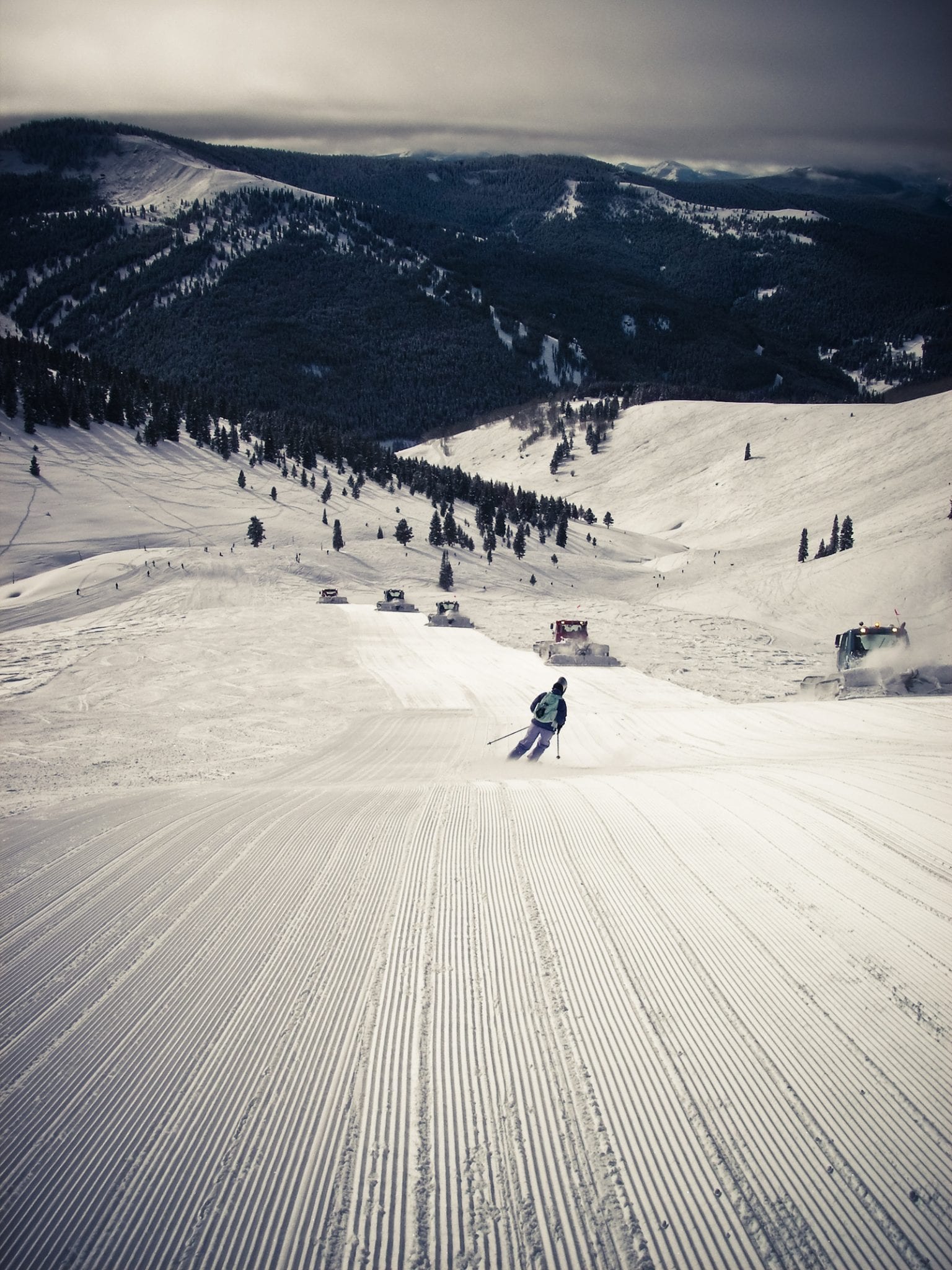
The ski season in Colorado is not a monolithic entity; it’s a dynamic period influenced by snowfall patterns, resort opening and closing dates, and the specific microclimates of different mountain ranges. While there’s a general timeframe, keen skiers and snowboarders will appreciate the finer details that can make or break a trip. From the early dumps that signal the season’s start to the lingering spring snow that allows for extended enjoyment, Colorado offers a diverse skiing experience throughout its winter months. This guide aims to demystify the Colorado ski season, providing insights for both seasoned veterans and first-time visitors, ensuring your trip is planned with precision and anticipation.
The Traditional Colorado Ski Season Timeline
The traditional ski season in Colorado generally kicks off in mid-November and extends through mid-April. This six-month window provides ample opportunity for people to experience the snowy slopes. However, this is a broad stroke, and the actual opening and closing dates can vary significantly from one resort to another, and even year to year based on natural snowfall.
Early Season: The Anticipation Builds (Mid-November to December)
The first whispers of winter often arrive in Colorado in October, with early snowfalls gracing the highest peaks. Resorts typically begin their snowmaking operations as temperatures permit, aiming to open by Thanksgiving or the weekend after. Wolf Creek Ski Area, known for its abundant snowfall, is often among the first to open its doors, sometimes even before Thanksgiving. Other resorts, like Arapahoe Basin Ski Area and Loveland Ski Area, are also early contenders, capitalizing on their higher elevations to provide consistent early-season conditions.
During this period, the focus is on opening as much terrain as possible. Not all runs may be accessible, and the snow base might still be developing, but the thrill of being on the snow after a long off-season is palpable. This is an excellent time for those who want to get a head start on the season, often with fewer crowds and potentially more affordable lodging options. The crisp mountain air and the burgeoning snowscape create a magical atmosphere, setting the stage for the months ahead. For travelers seeking a more exclusive experience, many luxury hotels and resorts offer early-season packages.
Peak Season: The Heart of Winter (January to March)
January through March represents the undisputed peak of the Colorado ski season. This is when the state typically receives its most significant snowfall, leading to the deepest snow bases and the most extensive open terrain across all resorts. Major storms, often referred to as “pow days,” can blanket the mountains in fresh powder, making it a dream come true for skiers and snowboarders.
This period is also when Colorado hosts its most popular events and sees its highest visitor numbers. Resorts like Aspen Snowmass, Vail Ski Resort, Breckenridge Ski Resort, and Park City Mountain Resort (though technically in Utah, it’s a popular day trip and often compared with Colorado resorts) are bustling with activity. The lodging options become more limited and tend to be at their most expensive, so booking well in advance is crucial.
The conditions during peak season are generally excellent, offering a wide variety of skiing and snowboarding experiences, from challenging expert terrain to perfectly groomed beginner slopes. The vibrant après-ski scene comes alive, with lively bars, fine dining restaurants, and cozy lodges offering warm refuges after a day on the mountain. This is the quintessential Colorado ski experience that draws so many to its slopes.
Late Season: Spring Skiing and Shoulder Season Perks (April to Mid-May)
As spring approaches, the days grow longer, and the sun’s rays become warmer. This signals the beginning of the “spring skiing” season. While some smaller resorts may close by late March or early April, many of Colorado‘s larger and higher-elevation resorts continue to operate well into April, and sometimes even into May.
Spring skiing in Colorado is a unique and often highly enjoyable experience. The snow can be a mix of soft, corn snow in the mornings and firmer conditions later in the day. The sunshine is abundant, making for pleasant days on the mountain, often enjoyed in lighter ski attire. This is also a time when lift ticket prices and lodging rates can decrease, offering a more budget-friendly option for those looking to extend their ski season.
Resorts like Winter Park Resort and Steamboat Ski Resort often boast excellent late-season conditions. The atmosphere shifts from the intense focus of mid-winter to a more relaxed, celebratory vibe. It’s a great time to enjoy the mountains without the peak-season crowds, often accompanied by special spring events and festivals. The possibility of skiing in sunshine with a t-shirt on, followed by a refreshing drink on a sun-drenched patio, is a hallmark of the Colorado spring ski experience.
Factors Influencing the Colorado Ski Season
While the general timeline provides a good framework, several factors can influence the exact opening and closing dates, as well as the quality of the snow throughout the season. Understanding these can help you fine-tune your travel plans.
Snowfall Variability: The Unpredictable Element
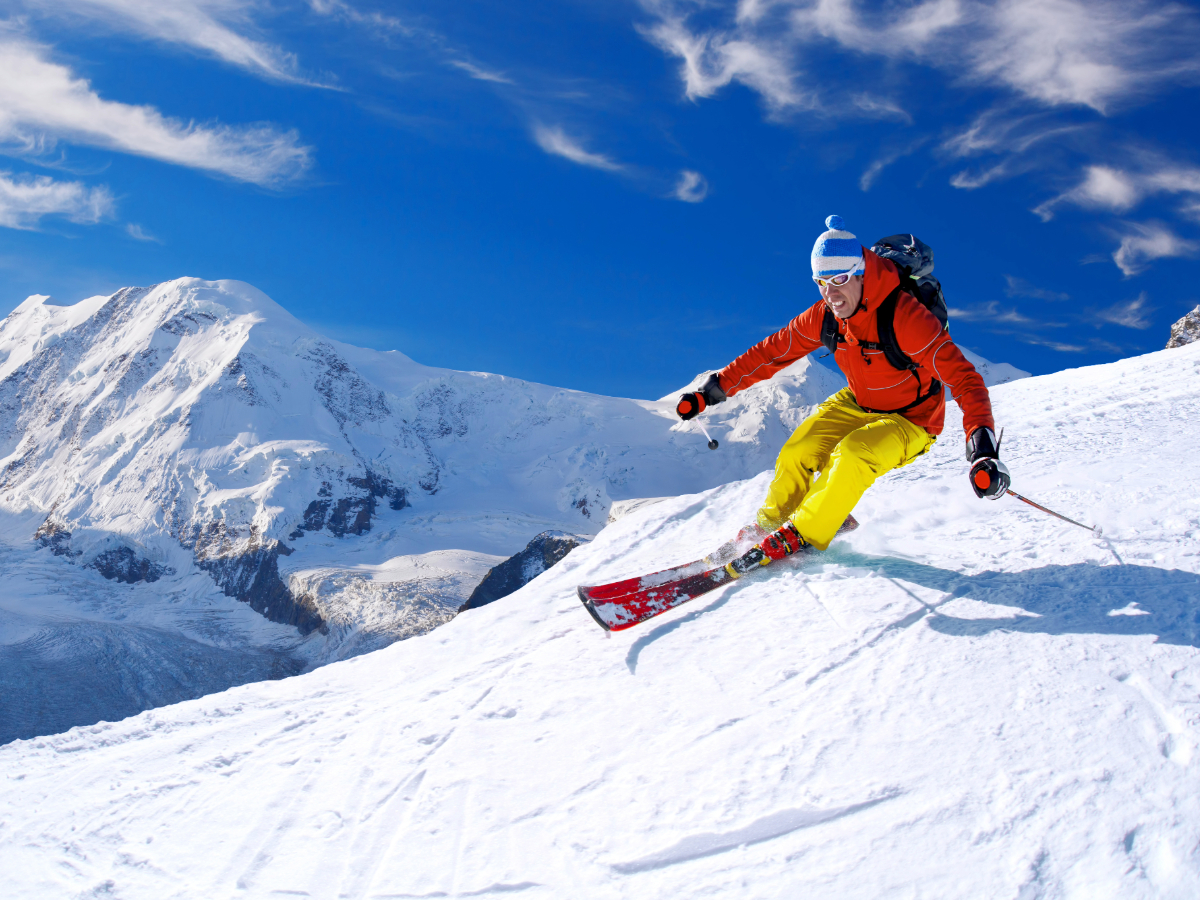
The most significant factor determining the length and quality of the ski season is snowfall. Colorado is renowned for its “champagne powder,” a light, dry, and fluffy snow that is ideal for skiing. However, the amount of snowfall can vary dramatically from one winter to the next. Some years, the season is blessed with abundant storms from early November through April, resulting in deep bases and extended operating periods. In other years, snowfall might be less consistent, leading to resorts opening later or closing earlier.
The Colorado Avalanche Information Center (CAIC) plays a crucial role in monitoring snowpack and avalanche conditions, providing vital information for safety and planning. Resorts themselves closely monitor their snow depths and weather forecasts to make informed decisions about opening and closing dates. It’s always advisable to check the specific resort’s website for the most up-to-date snow reports and operational status.
Elevation: The Altitude Advantage
A resort’s elevation is a critical factor in its ski season. Higher elevation resorts, such as those found in areas like Telluride Ski Resort or Aspen Highlands, tend to receive more snow and maintain colder temperatures, allowing them to open earlier and close later. Their terrain is often above the tree line, meaning more consistent snow cover regardless of lower-elevation melt.
Conversely, lower elevation resorts might be more susceptible to warmer temperatures and rain, which can impact snow quality and the duration of the season. However, even lower resorts often have sophisticated snowmaking capabilities to supplement natural snowfall and ensure a viable ski experience. The advantage of higher elevation is particularly noticeable in the shoulder seasons, when higher resorts can still offer excellent skiing while lower ones are struggling with melt.
Resort Operations: Opening and Closing Dates
Each resort sets its own opening and closing dates based on snow conditions, operational readiness, and business strategy. These dates are not fixed and can be adjusted based on weather patterns. For instance, if a major storm hits in late October, a resort might be able to open earlier than initially planned. Conversely, a prolonged dry spell could delay openings or necessitate an earlier closure.
Major resorts like Park City Mountain Resort (as mentioned before, located in Utah but a close neighbor) and Whistler Blackcomb (in Canada, a benchmark for North American ski seasons) often have well-defined, longer seasons due to their extensive snowmaking and high elevations. In Colorado, resorts like Copper Mountain and Keystone Resort are known for their consistent operations, often offering the longest seasons, with Keystone Resort famously boasting night skiing well into the spring.
Planning Your Colorado Ski Trip Around the Season
To make the most of your Colorado ski adventure, timing your visit strategically is key. Consider what you prioritize: the best snow, fewer crowds, lower prices, or a specific type of experience.
Maximizing Snowfall and Conditions
If your primary goal is to ski in the deepest powder and experience the most exhilarating conditions, aiming for the peak season, from mid-January to mid-March, is your best bet. This period generally offers the most reliable snowfall and the widest open terrain. However, be prepared for larger crowds and higher prices. For those willing to venture out earlier or stay later, the shoulder seasons can still offer fantastic skiing with added benefits.
Avoiding Crowds and Finding Value
For travelers seeking a more relaxed experience and potentially better value, the early season (mid-November to mid-December, excluding the Thanksgiving holiday) and the late season (April) can be ideal. Crowds are generally smaller, and you might find more competitive pricing on accommodation and lift tickets. While the snow conditions might not always be as abundant as in peak season, many resorts are still in excellent shape, and the opportunity to enjoy the mountains with fewer people can be a significant advantage.
Experiencing Colorado’s Unique Winter Lifestyle
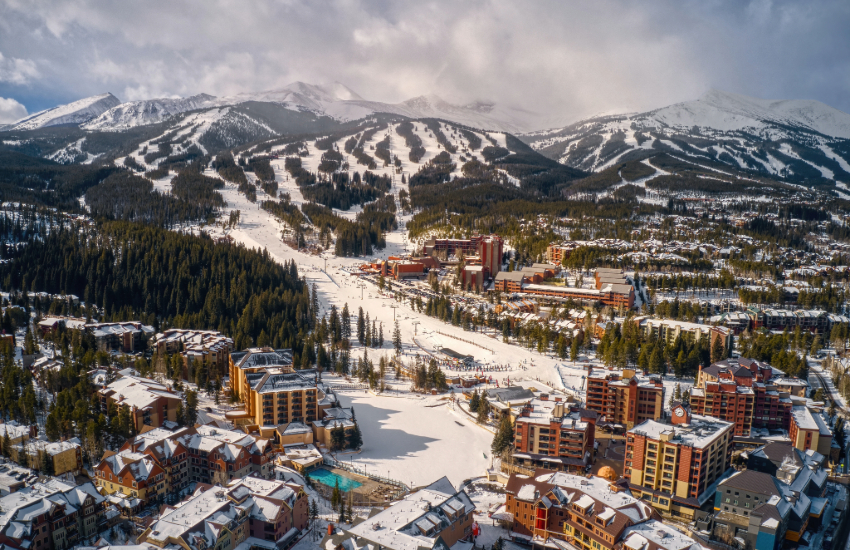
Beyond just the skiing and snowboarding, Colorado offers a rich tapestry of winter experiences. From charming mountain towns with bustling main streets to world-class dining and vibrant nightlife, the lifestyle aspect of a ski trip is often as important as the time on the slopes. Consider the types of après-ski activities you enjoy. Resorts like Aspen are known for their luxury shopping and fine dining, while towns like Breckenridge offer a more historic and bohemian vibe.
The unique charm of Colorado‘s ski towns, such as Steamboat Springs with its Western heritage, or the purpose-built village of Beaver Creek Resort, adds another layer to the travel experience. Each offers a distinct atmosphere and a range of activities beyond skiing, including ice skating, snowshoeing, and sleigh rides. Planning your trip to coincide with local festivals or events can further enhance your understanding and appreciation of Colorado‘s local culture.
In conclusion, the ski season in Colorado is a multifaceted period that offers something for every winter sports enthusiast. By understanding the general timelines, the influencing factors, and the unique characteristics of each part of the season, you can plan a Colorado ski trip that perfectly aligns with your preferences, ensuring an unforgettable adventure in the heart of the Rocky Mountains. Whether you’re chasing powder in January or enjoying the spring sunshine in April, Colorado‘s winter magic awaits.
LifeOutOfTheBox is a participant in the Amazon Services LLC Associates Program, an affiliate advertising program designed to provide a means for sites to earn advertising fees by advertising and linking to Amazon.com. Amazon, the Amazon logo, AmazonSupply, and the AmazonSupply logo are trademarks of Amazon.com, Inc. or its affiliates. As an Amazon Associate we earn affiliate commissions from qualifying purchases.