
Starting a Limited Liability Company (LLC) in California represents a strategic move for entrepreneurs, particularly those venturing into or expanding within the dynamic accommodation sector. Whether your ambition is to manage short-term rentals, operate boutique hotels, or oversee a portfolio of vacation villas, forming an LLC provides critical legal and financial safeguards, alongside operational flexibilities essential for success in the competitive hospitality landscape. This guide outlines the comprehensive process of establishing an LLC in the Golden State, specifically tailored to the unique considerations of the accommodation industry.
The Strategic Advantage of an LLC for Accommodation Ventures in California
For anyone looking to establish or formalize an accommodation business in California, an LLC offers a compelling framework. Its hybrid structure combines the liability protection of a corporation with the operational simplicity and tax flexibility of a partnership. This becomes particularly vital when dealing with property management, guest interactions, and the inherent risks associated with real estate and hospitality.
Personal Liability Protection for Property Owners
One of the foremost benefits of an LLC is the personal liability protection it affords its owners, known as members. In the accommodation business, where interactions with guests and physical properties are constant, the risk of accidents, disputes, or property damage is a significant concern. Should your accommodation business face a lawsuit – perhaps due to a guest injury on the property, a breach of contract with a supplier, or unforeseen property damage – the LLC structure generally shields your personal assets (like your home, personal savings, or other investments) from business debts and liabilities. This separation is crucial, allowing you to invest in and grow your accommodation enterprise with greater peace of mind, knowing your personal wealth is protected.
Tax Flexibility for Real Estate Investments
LLCs in California offer advantageous tax treatment options, which can be particularly beneficial for real estate and accommodation ventures. By default, a multi-member LLC is taxed as a partnership, and a single-member LLC as a sole proprietorship. This means profits and losses “pass through” directly to the owners’ personal income, avoiding the double taxation often associated with corporations. However, LLCs also have the flexibility to elect to be taxed as an S-corporation or even a C-corporation, depending on the specific financial strategies and growth objectives of the accommodation business. For instance, electing S-corp status can potentially lead to self-employment tax savings for active owners. Consulting with a tax professional experienced in California business and real estate taxation is highly recommended to determine the most beneficial tax structure for your specific accommodation enterprise.
Enhancing Credibility with Accommodation Partners and Guests
Operating under a formal business structure like an LLC lends an air of professionalism and credibility. This can be invaluable when seeking financing from banks for property acquisition or renovations, negotiating with vendors for supplies and services, or engaging with booking platforms and property management companies. For guests, seeing that your accommodation is operated by a legally recognized entity can instill greater trust and confidence, especially for high-value bookings or long-term stays. It signifies a serious, well-organized operation committed to industry standards and customer satisfaction.
Navigating California’s LLC Formation Process
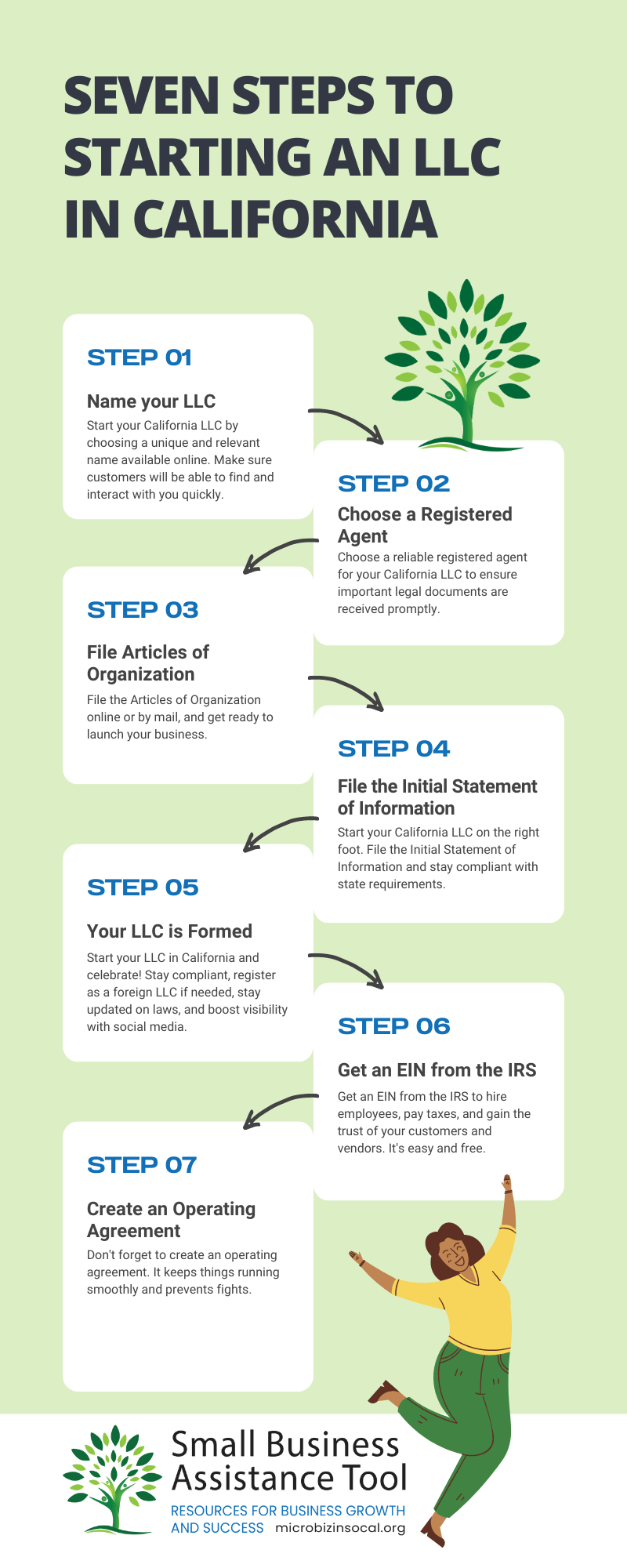
The process of forming an LLC in California involves several key steps, each critical for ensuring your accommodation business is legally sound and fully compliant. Diligence at each stage will lay a robust foundation for your venture.
Choosing and Registering Your Business Name
The first step is to select a unique and memorable name for your accommodation LLC. The name must include “Limited Liability Company,” “LLC,” or “L.L.C.” and must not be deceptively similar to an existing business name on file with the California Secretary of State. You can check name availability through the California Secretary of State’s website. Once a suitable name is identified, it’s often advisable to reserve it for up to 60 days by filing a Name Reservation Request (Form子里Name Reservation Request). This ensures your chosen name remains available while you complete other formation steps. Consider a name that resonates with your accommodation brand, whether it’s a luxury retreat, a cozy guesthouse, or a modern apartment rental service.
Appointing a Registered Agent in California
Every California LLC must designate a registered agent, who is an individual or corporate entity responsible for receiving legal documents and official correspondence on behalf of the LLC. The registered agent must have a physical street address in California (not a P.O. Box) and be available during regular business hours. For accommodation businesses, particularly those with owners who travel frequently or do not reside permanently in California, utilizing a professional registered agent service can provide reliability and ensure that critical legal notices are never missed. This also helps maintain your privacy by keeping your personal address off public records.
Filing the Articles of Organization with the Secretary of State
The cornerstone of your LLC formation is filing the Articles of Organization (Form LLC-1) with the California Secretary of State. This document officially establishes your LLC’s existence. It requires basic information such as the LLC’s name, its purpose, the registered agent’s details, and the management structure (whether it’s member-managed or manager-managed). For accommodation businesses, the purpose clause can be broad, such as “to engage in any lawful act or activity for which a limited liability company may be organized under the California Revised Uniform Limited Liability Company Act.” The filing can be done online, by mail, or in person. Once accepted, the California Secretary of State will return a stamped copy, which serves as official proof of your LLC’s formation.
Crafting a Comprehensive Operating Agreement
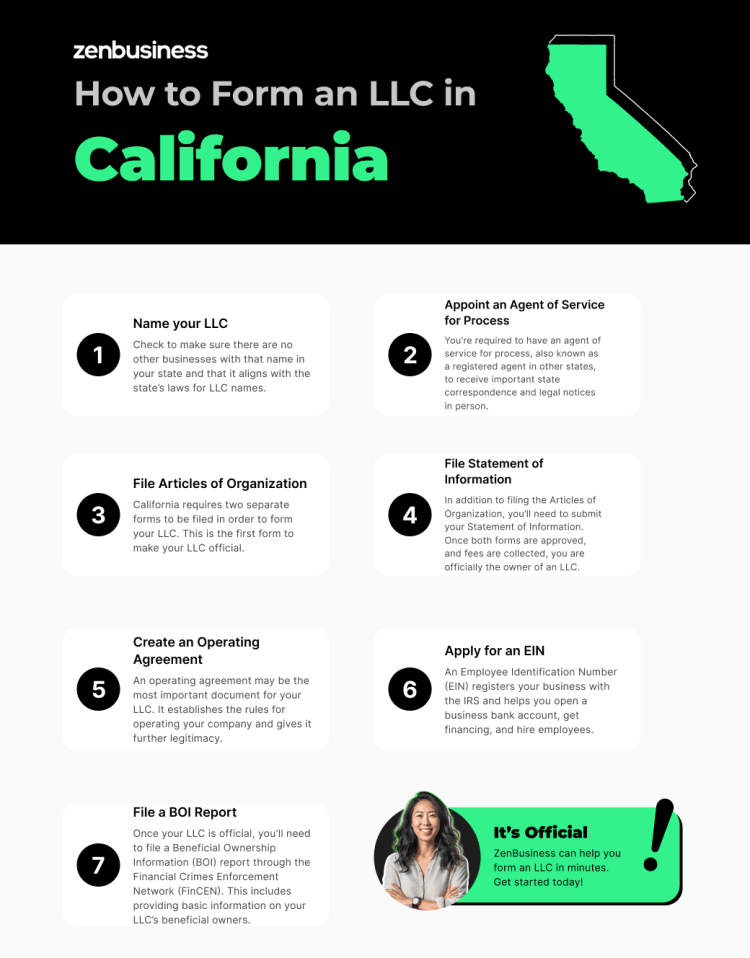
While not legally required to file with the California Secretary of State, a robust Operating Agreement is arguably the most vital internal document for any California LLC, especially for accommodation businesses with multiple members. This legally binding agreement outlines the ownership percentages, member roles and responsibilities, profit and loss distribution, decision-making processes, procedures for admitting new members, and protocols for resolving disputes or dissolving the LLC. For an accommodation venture, it should also address specific operational aspects such as property management duties, capital contributions for maintenance or expansion, and strategies for handling bookings or guest complaints. A well-drafted Operating Agreement helps prevent future disagreements and provides a clear roadmap for your business operations.
Obtaining Necessary Permits and Licenses for Accommodation
Beyond state-level LLC formation, accommodation businesses in California must secure various permits and licenses at the federal, state, and local levels.
- Federal: Obtain an Employer Identification Number (EIN) from the IRS, which acts as your LLC’s tax ID number, even if you don’t initially have employees.
- State: Depending on the nature of your accommodation, you may need specific state licenses, such as a Seller’s Permit if you plan to sell tangible personal property (e.g., mini-bar items, merchandise) or if your services are subject to sales tax.
- Local: This is where requirements vary significantly. Cities and counties in California often have specific regulations for short-term rentals (STRs), hotels, and other types of accommodation. For example, cities like Los Angeles and San Francisco have complex STR ordinances requiring registration, permits, and strict compliance with zoning and occupancy rules. You’ll likely need a local business license, and potentially health and safety permits, transient occupancy tax (TOT) permits, and fire safety inspections. Thoroughly research the specific requirements of the city and county where your accommodation property is located before you begin operations.
Ongoing Compliance for Your California Accommodation LLC
Forming your LLC is just the beginning. Maintaining its good standing in California requires adherence to several ongoing compliance obligations.
Annual Franchise Tax Obligations
All LLCs registered in California are subject to an annual minimum franchise tax, currently $800, regardless of income. This tax is due every year to the Franchise Tax Board. Additionally, LLCs with net income above a certain threshold (currently $250,000) will owe an additional LLC fee based on their total income. Accurate and timely payment of these taxes is crucial to avoid penalties and maintain your LLC’s active status.
Statement of Information Filings
Within 90 days of filing your Articles of Organization, and every two years thereafter, your California LLC must file a Statement of Information (Form LLC-12) with the California Secretary of State. This document updates the state with current information about your LLC, including its principal office address, registered agent, and the names and addresses of its managing members or managers. Failing to file this can lead to penalties and potentially the suspension of your LLC.
Maintaining Separate Finances
To preserve the personal liability protection offered by your LLC, it is paramount to strictly separate your business and personal finances. This means opening a dedicated business bank account for your accommodation LLC and using it exclusively for all business-related income and expenses. Avoid commingling funds or paying personal bills from the business account. This practice, known as maintaining the “corporate veil,” is critical; without it, courts could potentially “pierce the corporate veil,” holding you personally liable for business debts.
Understanding Local Accommodation Regulations
For accommodation businesses, staying abreast of local regulations is an ongoing and evolving task. Cities and counties in California frequently update their ordinances concerning short-term rentals, hotel operations, and guest safety. This includes rules on noise, occupancy limits, parking, waste management, and emergency preparedness. Regularly check with your local planning department and business licensing office to ensure continuous compliance. For example, San Francisco’s Office of Short-Term Rentals continually refines its requirements, which can directly impact your ability to operate lawfully. Proactive engagement with local authorities and community guidelines will help foster good relationships and ensure smooth operations.
Securing Funding and Insurance for Your Accommodation Business
With your LLC established and compliant, the next steps often involve securing the necessary financial resources and protections for your accommodation venture.
Business Bank Accounts and Credit
As mentioned, opening a dedicated business bank account is essential. This account will facilitate tracking income from bookings, paying for property maintenance, utilities, and marketing expenses. Over time, establishing business credit separate from your personal credit can open doors to more favorable loan terms for expansion, property upgrades, or bridging seasonal dips in occupancy. Most banks will require your EIN, Articles of Organization, and Operating Agreement to set up a business account.

Essential Insurance Policies for Property and Guests
An LLC provides liability protection, but it does not negate the need for comprehensive insurance. For accommodation businesses, this typically includes:
- Commercial Property Insurance: Protects your physical assets (the property itself, furnishings, equipment) against damage from perils like fire, theft, or natural disasters.
- General Liability Insurance: Covers claims of bodily injury or property damage that occur on your premises, crucial for guest-related incidents.
- Business Interruption Insurance: Provides income replacement if your property becomes temporarily uninhabitable due to a covered loss.
- Workers’ Compensation Insurance: (If you have employees) Required by California law to cover medical expenses and lost wages for work-related injuries or illnesses.
- Specific Short-Term Rental Insurance: Some standard homeowners’ or commercial policies may not adequately cover the risks associated with short-term rentals. Specialized policies are available that cater specifically to these unique exposures.
Establishing an LLC for your accommodation business in California is a foundational step towards building a resilient, legally protected, and professionally recognized enterprise. By meticulously following these steps and maintaining ongoing compliance, you can effectively navigate the complexities of the California business environment and focus on delivering exceptional guest experiences.
LifeOutOfTheBox is a participant in the Amazon Services LLC Associates Program, an affiliate advertising program designed to provide a means for sites to earn advertising fees by advertising and linking to Amazon.com. Amazon, the Amazon logo, AmazonSupply, and the AmazonSupply logo are trademarks of Amazon.com, Inc. or its affiliates. As an Amazon Associate we earn affiliate commissions from qualifying purchases.