
The integrity of the electoral process is a cornerstone of democratic governance, and California, with its vast and diverse population, employs a robust multi-layered system to ensure that only eligible citizens cast ballots. This intricate framework, central to the civic lifestyle of its residents, is designed to maintain accuracy, prevent fraud, and instill public confidence in election outcomes. Understanding these mechanisms offers insight into the administrative meticulousness that underpins the state’s democratic functions.
The Foundation of California’s Electoral Integrity
At the heart of California’s voter verification system lies a comprehensive process that begins even before a ballot is cast. This initial phase focuses on establishing eligibility and accurately recording voter information, a critical step that ensures every registered voter is legitimately entitled to participate.
Initial Registration and Data Matching
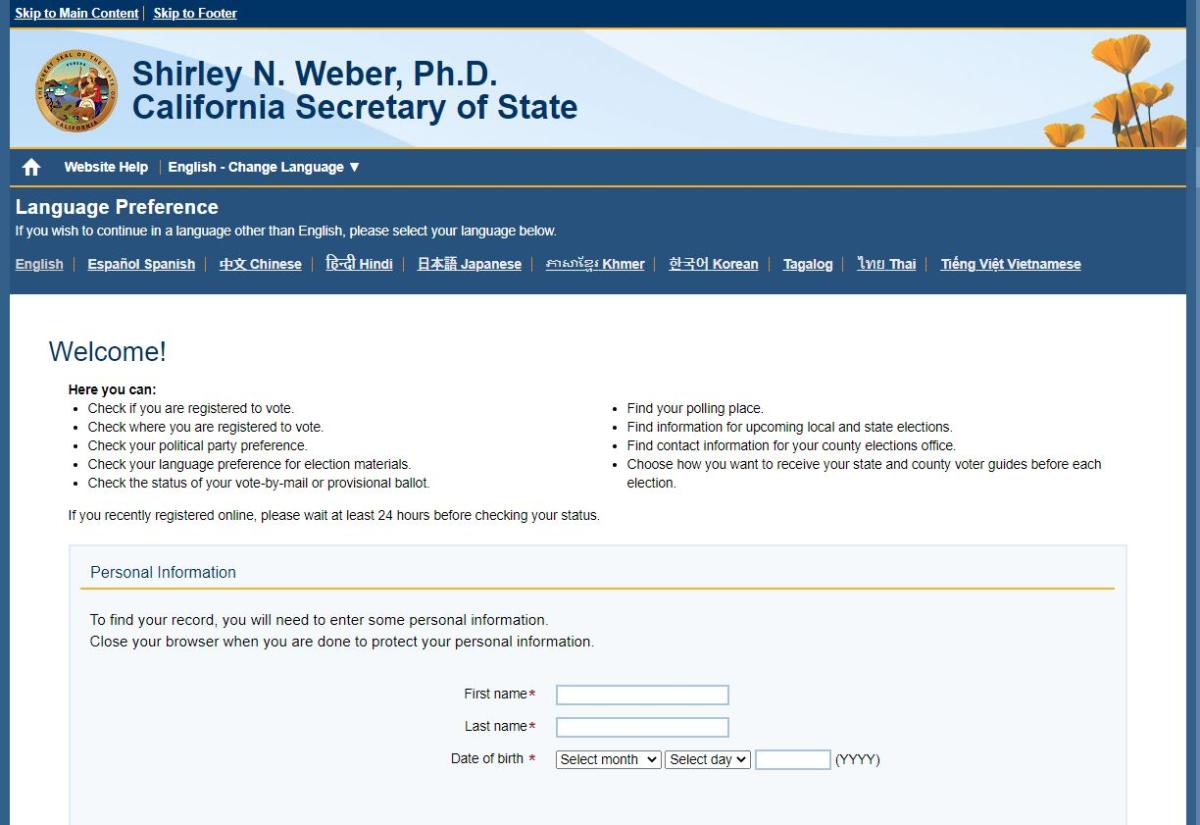
The journey to becoming a verified voter in California typically begins with registration. Citizens can register to vote online, by mail, or in person at various government offices. A significant innovation in this process is the “motor voter” program, automatically enrolling eligible individuals when they interact with the Department of Motor Vehicles (DMV) unless they opt out.
Upon submission, voter registration applications are cross-referenced with various government databases to confirm eligibility criteria. Key checks include:
- Citizenship Verification: Applicants must attest to being U.S. citizens. While the initial verification may rely on driver’s license or state ID numbers linked to citizenship records, if no matching record is found, election officials may request additional proof of citizenship. This is crucial for upholding federal and state election laws.
- Age and Residency: Applicants must be at least 18 years old by Election Day and reside in California. The provided address is used to assign voters to the correct precinct and legislative districts, ensuring they receive the appropriate ballot for their locality.
- Felony Disqualification: California law permits individuals with felony convictions to vote unless they are currently serving a state or federal prison sentence for a felony. The registration system checks against databases of incarcerated individuals to prevent ineligible registrations.
- Duplicate Detection: Advanced algorithms are used to identify potential duplicate registrations within the California Voter Registration Database (CVR) and across counties. This prevents individuals from registering or voting multiple times, a significant aspect of maintaining electoral hygiene.
The California Secretary of State oversees the centralized CVR, which serves as the authoritative source for voter information across all 58 counties. This database is continuously updated and reconciled, playing a pivotal role in ensuring consistency and accuracy statewide.
Ongoing Voter List Maintenance
Verifying voters is not a one-time event; it’s an ongoing, dynamic process. After initial registration, California’s election officials diligently work to maintain accurate voter rolls, a requirement under the Help America Vote Act (HAVA) and the state’s own Election Code. This proactive maintenance is crucial for preventing outdated information from compromising election integrity.
National Change of Address (NCOA)
One of the primary tools for list maintenance is the regular comparison of voter registration records with the US Postal Service’s National Change of Address (NCOA) database. When a voter submits a change of address to the US Postal Service, this information is shared with election officials. If a voter has moved within the same county, their registration can be updated automatically. If they have moved to a different county or state, election officials initiate a process to contact the voter and confirm their new address, potentially leading to inactivation or removal from the rolls if no response is received.
Cross-State Data Sharing
California participates in interstate data-sharing programs, such as the Electronic Registration Information Center (ERIC). ERIC is a non-profit organization that helps states improve the accuracy of their voter rolls and increase access to registration for eligible citizens. Member states securely submit their voter registration data, which ERIC then compares with other states’ data, as well as with US Postal Service change of address records and Social Security Administration death records. This process identifies voters who have moved out of state, registered in multiple states, or are deceased, allowing California to update its rolls accordingly. The Interstate Crosscheck Program, while facing scrutiny and reduced participation, also aimed at identifying duplicate registrations across state lines.
Local County Efforts

Beyond statewide and national efforts, individual county election offices play a vital role in local list maintenance. They send out non-forwardable mailings to voters to confirm residency. If mail is returned as undeliverable, or if there is other evidence that a voter has moved, the county will send a confirmation notice. If the voter does not respond within a specified period and does not vote in subsequent general elections, they may be placed on an inactive list and eventually removed from the voter rolls. This methodical approach ensures that the electoral system remains clean and responsive to demographic shifts.
Safeguards Against Fraud and Errors
Even with robust list maintenance, California implements several safeguards at the point of voting and during post-election processes to verify ballots and prevent fraudulent activity. These measures are crucial for upholding the integrity of each election.
Signature Verification
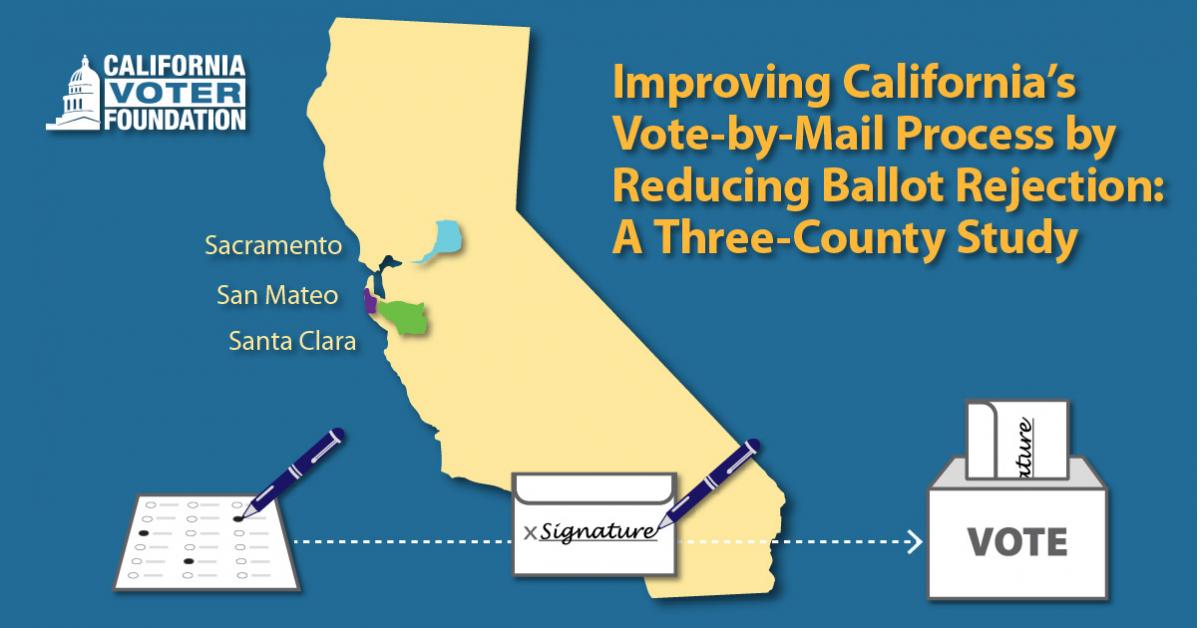
For all vote-by-mail ballots, which are increasingly common in California, signature verification is a critical security feature. Each ballot envelope requires the voter’s signature. Election officials, typically trained and experienced staff, compare the signature on the return envelope with signatures on file in the voter’s registration record (e.g., from DMV records or previous registration forms).
If there is a mismatch or a question about the authenticity of a signature, the voter is contacted and given an opportunity to “cure” their ballot by providing a valid signature or confirming their identity. This process protects against identity theft and ensures that only the registered voter’s ballot is counted.
Provisional Ballots
California allows voters whose eligibility is in question at the polls (e.g., their name isn’t on the roster, or they moved recently) to cast a provisional ballot. These ballots are segregated from regular ballots and are only counted after election officials verify the voter’s eligibility. The provisional ballot system ensures that no eligible voter is disenfranchised while simultaneously preventing ineligible votes from being counted, striking a balance between access and security.
Audits and Post-Election Reviews
After every election, California conducts rigorous post-election audits to verify the accuracy of the vote count. A mandatory 1% manual recount of ballots, or a risk-limiting audit in some counties, is performed to ensure that the machine counts match the paper ballots. These audits are often conducted publicly, adding transparency to the verification process. Furthermore, canvassing boards meticulously review all provisional ballots, challenged ballots, and conditional voter registration forms to ensure every valid vote is counted and every invalid vote is rejected according to law.
Technological Integration and Accessibility
California’s commitment to modernizing its election systems also contributes to voter verification by enhancing efficiency, accessibility, and transparency. Technology plays an increasingly significant role in supporting the complex administrative tasks associated with managing millions of voters.
Online Registration and Updates
The state’s online voter registration portal streamlines the initial verification process. By linking directly to DMV records, it allows for instant matching and verification of personal details, citizenship, and age. This digital convenience not only encourages voter participation but also reduces data entry errors that might occur with paper forms, thereby improving the accuracy of the voter rolls from the outset. Voters can also use the online portal to update their addresses or party affiliations, ensuring that their records are current and accurate without requiring manual intervention.
Ballot Tracking Systems
In recent years, California has implemented “Where’s My Ballot?” online tracking systems, which allow voters to monitor the status of their vote-by-mail ballot from mailing to receipt and ultimately, to being counted. While primarily a transparency feature for voters, this system indirectly supports verification by providing an auditable trail for each ballot. It helps identify issues, such as undelivered ballots or those requiring signature cures, enabling timely intervention and resolution, and reinforcing confidence in the process.
The layered approach to voter verification in California reflects a deep commitment to electoral integrity. From initial registration and continuous list maintenance to safeguards during voting and post-election audits, the system is designed to be comprehensive, adaptable, and resilient. These processes ensure that the democratic expression of the state’s vibrant civic lifestyle is accurately and reliably recorded, making the act of voting a trusted and fundamental aspect of life in California.
LifeOutOfTheBox is a participant in the Amazon Services LLC Associates Program, an affiliate advertising program designed to provide a means for sites to earn advertising fees by advertising and linking to Amazon.com. Amazon, the Amazon logo, AmazonSupply, and the AmazonSupply logo are trademarks of Amazon.com, Inc. or its affiliates. As an Amazon Associate we earn affiliate commissions from qualifying purchases.