
The intricate relationship between water resources and urban development is a critical consideration for any burgeoning metropolis. In the arid landscapes of the American West, the sustainability of water supply is not merely a logistical challenge but a fundamental determinant of a city’s very existence and future growth. While both Las Vegas and Los Angeles are situated in water-scarce regions, their approaches to water management, particularly concerning their reliance on shared and distinct sources, offer a fascinating comparative study. The title’s mention of a “water comparator” suggests an exploration of how these two iconic cities, despite their geographical proximity and shared hydrological basin dependence, manage their water consumption and sourcing differently, particularly concerning the Colorado River.
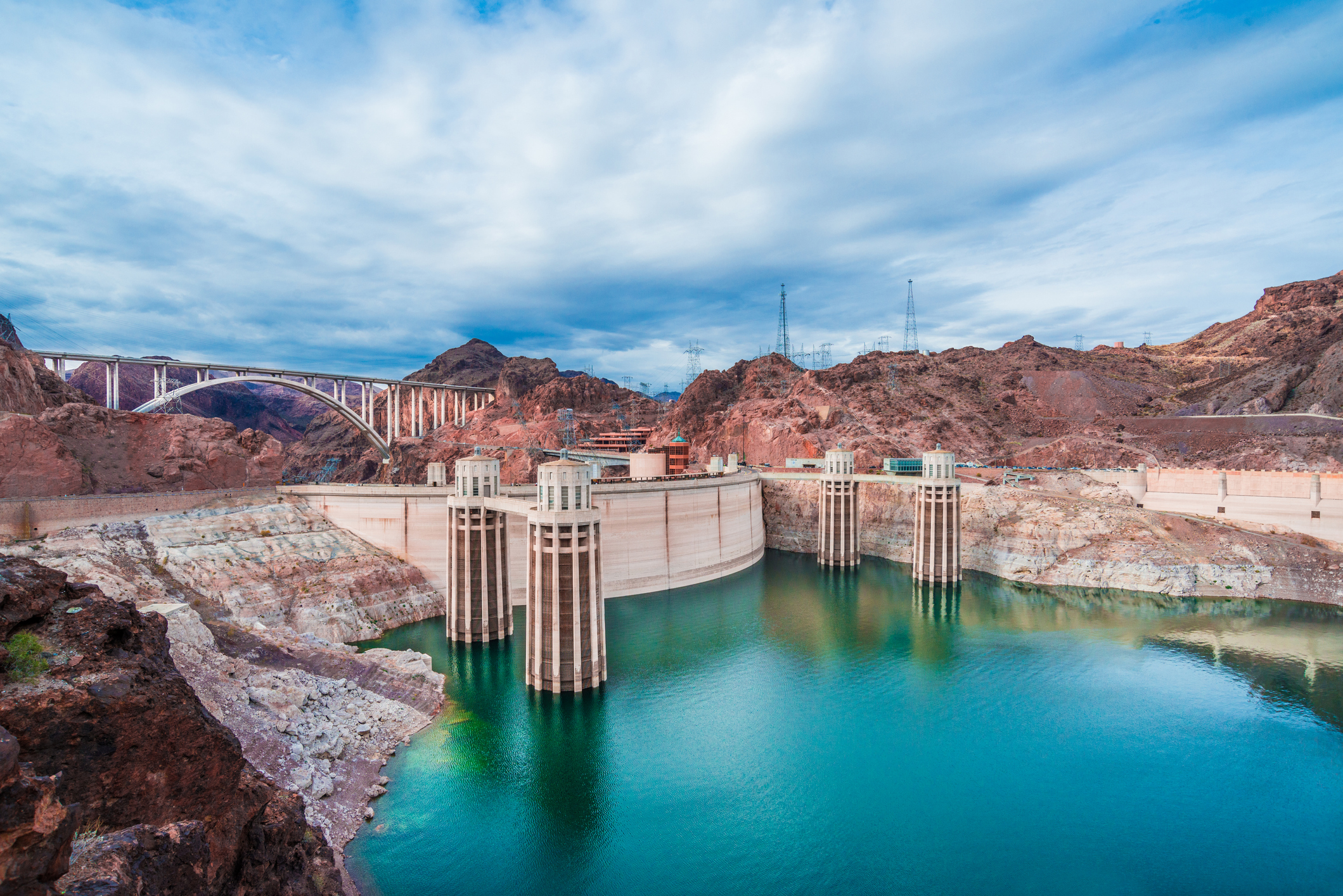
The Colorado River: A Lifeline for the Southwest
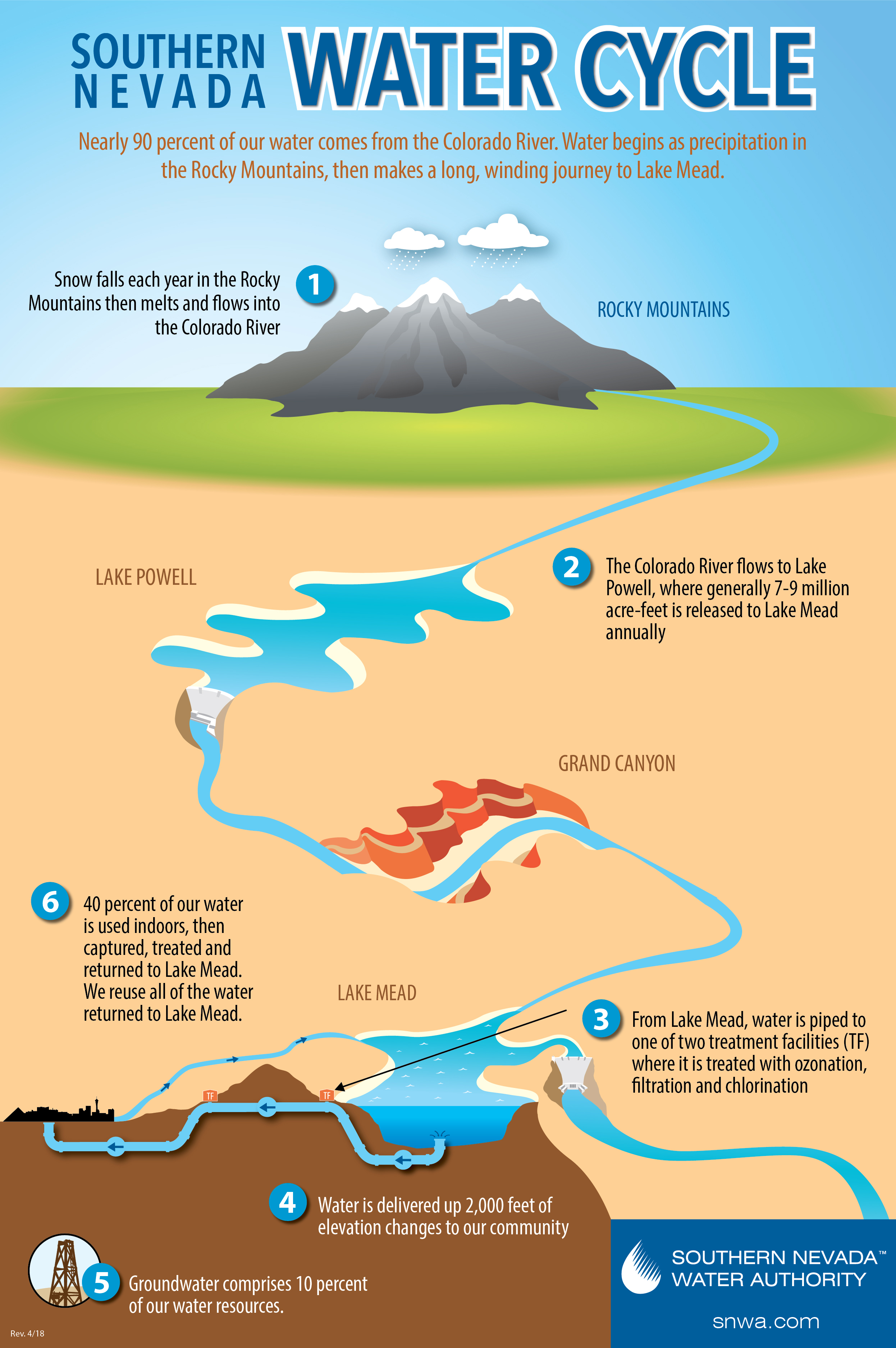
The Colorado River is the lifeblood of the American Southwest, a vital artery that sustains millions of people and vast agricultural lands across seven states: Wyoming, Colorado, Utah, New Mexico, Arizona, Nevada, and California. Its managed flow, dictated by a complex web of interstate compacts and agreements, is a testament to human ingenuity in harnessing natural resources. However, the river’s finite capacity, coupled with increasing demand and the looming specter of climate change-induced drought, has placed immense pressure on this essential resource. Both Las Vegas and Los Angeles are heavily reliant on the Colorado River, but their allocation, consumption patterns, and the specific mechanisms by which they draw water reveal significant differences in their “water comparator” status.
Allocation and Entitlements
The distribution of the Colorado River’s waters is governed by the Colorado River Compact of 1922, which, along with subsequent agreements and court decisions, allocates specific quantities of water to each of the Upper and Lower Basin states.
Nevada’s Share
Nevada, as a relatively junior water rights holder, receives the smallest allocation from the Colorado River. Its entitlement is capped at 300,000 acre-feet per year. Given its rapid growth, particularly in the Las Vegas metropolitan area, this limited allocation presents a substantial challenge. The Southern Nevada Water Authority (SNWA) is the primary entity responsible for managing water resources for southern Nevada, and it has been instrumental in developing innovative strategies to maximize the use of its limited entitlement.
California’s Entitlement
California, being the most populous state in the Lower Basin, has the largest historical entitlement to the Colorado River, legally established at 4.4 million acre-feet per year. However, the state has often taken more than its allocated share, a practice that has become increasingly unsustainable with shrinking river flows. Los Angeles, as the largest city in California, plays a significant role in this demand. The Metropolitan Water District of Southern California (MWD) serves as the primary water wholesaler for much of Southern California, including the Los Angeles region, and negotiates much of its Colorado River water.
Water Sourcing and Infrastructure: Divergent Strategies
While both cities draw from the Colorado River, the specific infrastructure and methods employed create a distinct “water comparator.” The engineering feats involved in transporting water across vast distances are awe-inspiring examples of human ambition and necessity.
Las Vegas: Remarkable Conservation and Innovation
The Las Vegas metropolitan area’s reliance on its limited Colorado River allocation has compelled it to become a global leader in water conservation. The SNWA operates the Lake Mead Intake No. 3, a vital piece of infrastructure that draws water from Lake Mead, the nation’s largest reservoir.
Strict Regulations and Public Awareness
A cornerstone of Las Vegas’s water strategy is its aggressive approach to water conservation. This includes:
- Outdoor Watering Restrictions: Numerous restrictions are in place for landscape irrigation, including limitations on the types of plants that can be used and the days and times when watering is permitted.
- “Use It or Lose It” Policy: Water rights are tied to actual use. This incentivizes efficient usage and discourages wasteful practices.
- Rebates and Incentives: The SNWA offers generous rebates for residents who replace water-intensive landscaping with drought-tolerant alternatives and for installing water-efficient appliances.
- Public Education Campaigns: Extensive public awareness campaigns have been conducted to educate residents and businesses about the importance of water conservation and provide practical tips for reducing consumption.
Water Recycling and Reuse
Las Vegas has also been remarkably successful in water recycling and reuse. Nearly all of the water used indoors by homes and businesses is collected, treated, and returned to Lake Mead. This closed-loop system significantly reduces the amount of new water required from the Colorado River. This innovative approach is a key differentiator when comparing Las Vegas to other cities.
Groundwater and Other Sources
While the Colorado River is the primary source, Nevada also utilizes groundwater resources and has explored various options for water importation and acquisition, though the Colorado River remains the dominant player in its water portfolio.
Los Angeles: A Multifaceted Water Supply Network
Los Angeles faces a different set of challenges due to its larger population and historical development patterns. Its water supply is sourced from a more diverse, yet equally complex, network of aqueducts and reservoirs.
The Los Angeles Aqueduct
The iconic Los Angeles Aqueduct system, a monumental engineering achievement completed in stages starting in 1913, transports water from the Owens Valley and, more recently, from the Colorado River via the California Aqueduct. The Los Angeles Department of Water and Power (LADWP) manages this complex system.
Colorado River Water via the State Water Project
A significant portion of Los Angeles’s water supply comes from the Colorado River through the MWD, which in turn receives water from the California State Water Project (SWP). The SWP, originating from the Sacramento-San Joaquin Delta, also conveys Colorado River water, illustrating the interconnectedness of regional water systems.
Local Groundwater and Water Recycling
Like Las Vegas, Los Angeles also relies on its local groundwater basins and has been investing heavily in water recycling and stormwater capture initiatives. The Hyperion Treatment Plant is one of the largest wastewater treatment facilities in the world, and its treated effluent is increasingly being utilized for non-potable purposes and is a critical component of future water security plans.
The “Water Comparator” in Action: Consumption and Conservation
When comparing the two cities directly, several key differences emerge in their “water comparator” narrative.
Per Capita Consumption
Historically, Las Vegas has had a higher per capita water consumption rate, largely due to its expansive green landscapes and a lifestyle that historically emphasized water-intensive amenities. However, the SNWA’s aggressive conservation programs have led to a dramatic decrease in per capita use, bringing it closer to, and in some periods even below, that of Los Angeles. This rapid reduction is a testament to the effectiveness of strict regulations and public buy-in.
Los Angeles, while having a lower historical per capita use, faces the challenge of an enormous overall demand due to its sheer population size. Conservation efforts in Los Angeles have been more gradual, driven by a combination of regulatory measures and public appeals, but the sheer scale of the city means that even marginal reductions have a significant impact.
Outdoor Water Use
One of the most striking differences lies in outdoor water use. Las Vegas has taken a much more radical approach to reducing outdoor water use, particularly through the prohibition of non-functional grass (grass that is not for recreation or aesthetic beauty) and strict landscaping ordinances. This has fundamentally reshaped the appearance of many communities in the Las Vegas valley.
Los Angeles has also implemented landscape conversion programs and watering restrictions, but the vastness of its urban environment and the historical reliance on lawns mean that outdoor use remains a substantial component of its water demand.
Innovation vs. Scale
The “water comparator” highlights a contrast between Las Vegas’s focused, almost emergency-driven, approach to water conservation and Los Angeles’s more multifaceted strategy that balances supply from multiple, distant sources with incremental conservation efforts. Las Vegas has achieved remarkable per capita reductions through stringent policies and a unique ability to implement top-down mandates. Los Angeles, on the other hand, manages a more complex system with a larger number of stakeholders and a broader range of supply sources, necessitating a more nuanced and often slower pace of change.
Future Outlook and Interdependence
The future of water in the American Southwest is inextricably linked to the health of the Colorado River. Both Las Vegas and Los Angeles, despite their differing approaches, are subject to the same hydrological realities. As the river continues to experience declining flows, inter-state tensions over water allocation are likely to intensify.
Drought Contingency Planning
Both states have engaged in drought contingency planning, with agreements in place to reduce water diversions from the Colorado River in the event of critically low reservoir levels at Lake Mead and Lake Powell. These plans are crucial for ensuring a baseline water supply and preventing complete system collapse.
The Imperative of Sustainable Water Management
Ultimately, the “water comparator” between Las Vegas and Los Angeles underscores the universal imperative for sustainable water management in arid regions. While Las Vegas offers a compelling case study in radical conservation and innovative reuse, Los Angeles demonstrates the complexities of managing water for a vast, established metropolis. Both cities, however, are on a shared journey, acutely aware that their ability to thrive and innovate is fundamentally tied to the responsible stewardship of their precious, and increasingly scarce, water resources. The lessons learned from their comparative strategies will be invaluable as the entire region navigates the challenges of a drier future.
LifeOutOfTheBox is a participant in the Amazon Services LLC Associates Program, an affiliate advertising program designed to provide a means for sites to earn advertising fees by advertising and linking to Amazon.com. Amazon, the Amazon logo, AmazonSupply, and the AmazonSupply logo are trademarks of Amazon.com, Inc. or its affiliates. As an Amazon Associate we earn affiliate commissions from qualifying purchases.