
California, often romanticized as the Golden State, conjures images of sun-drenched beaches, innovation hubs, and a laid-back yet vibrant culture. However, beneath the allure lies a pervasive question for anyone considering a move or extended visit: just how expensive is California? The answer, like much else in this diverse state, is complex and highly dependent on one’s chosen lifestyle, specific location, and personal priorities. From luxury living to budget-conscious choices, California offers a wide spectrum of experiences, each with its own price tag. Understanding this economic landscape is key to navigating the state successfully, whether you’re seeking a permanent residence or an immersive travel experience.
The California Cost Spectrum: From Budget-Friendly to Lavish Living
The notion that California is universally expensive is a common misconception, though it holds true for its most prominent urban centers. The sheer size and diversity of the state mean that the cost of living varies dramatically from one region to another. A luxurious lifestyle in Beverly Hills will naturally demand a significantly higher income than a comfortable, yet modest, existence in the Central Valley. This spectrum necessitates a careful examination of where you choose to establish roots or spend your time, as geographical choices are perhaps the single biggest determinant of your financial outlay in California.
High-Cost Havens: The Urban Experience
Cities like San Francisco, Los Angeles, San Jose, and much of Orange County consistently rank among the most expensive places to live globally. This is largely driven by robust job markets, particularly in tech and entertainment, and a desirable climate that attracts residents from around the world. In these areas, the cost of housing is astronomical, and daily expenses for everything from groceries to transportation are considerably higher than the national average. A luxury lifestyle here might involve waterfront properties, exclusive dining experiences, high-end shopping on Rodeo Drive, and frequent cultural events or concerts. Even a moderate lifestyle often requires careful budgeting and a higher-than-average income to maintain a comfortable standard of living.
Moderate-Cost Regions: Balancing Affordability and Amenities
Moving away from the immediate coastlines and major metropolitan areas, one can find more manageable costs. Cities like Sacramento, Riverside, and even parts of San Diego’s inland communities offer a better balance. Here, while still above national averages, housing costs are more approachable, and the overall cost of living allows for a more flexible lifestyle without the constant pressure of exorbitant expenses. These areas provide access to many of California’s amenities and attractions, albeit often requiring a short drive, making them attractive to families and professionals seeking a quality lifestyle without the premium price tag of coastal hubs.
Budget-Friendly Pockets: Uncovering Value
For those prioritizing affordability, there are indeed budget-friendly pockets within California. The Central Valley, with cities like Fresno and Bakersfield, offers significantly lower housing costs and a more modest overall cost of living. While these regions may lack the immediate glamour of the coast, they provide access to nature, a slower pace of life, and a strong sense of community. A budget lifestyle here might involve enjoying local farmers’ markets, exploring nearby state parks, and embracing a more self-sufficient approach to daily life. Even in popular tourist destinations, strategic choices like staying slightly outside prime areas or opting for self-catering accommodations can drastically reduce expenses.
Housing and Accommodation: The Cornerstone of Californian Expenses
Without a doubt, housing costs represent the most significant component of living expenses in California, particularly in its desirable urban and coastal areas. This factor alone can dictate whether a lavish, comfortable, or budget-conscious lifestyle is attainable.
Renting vs. Buying: A Steep Climb
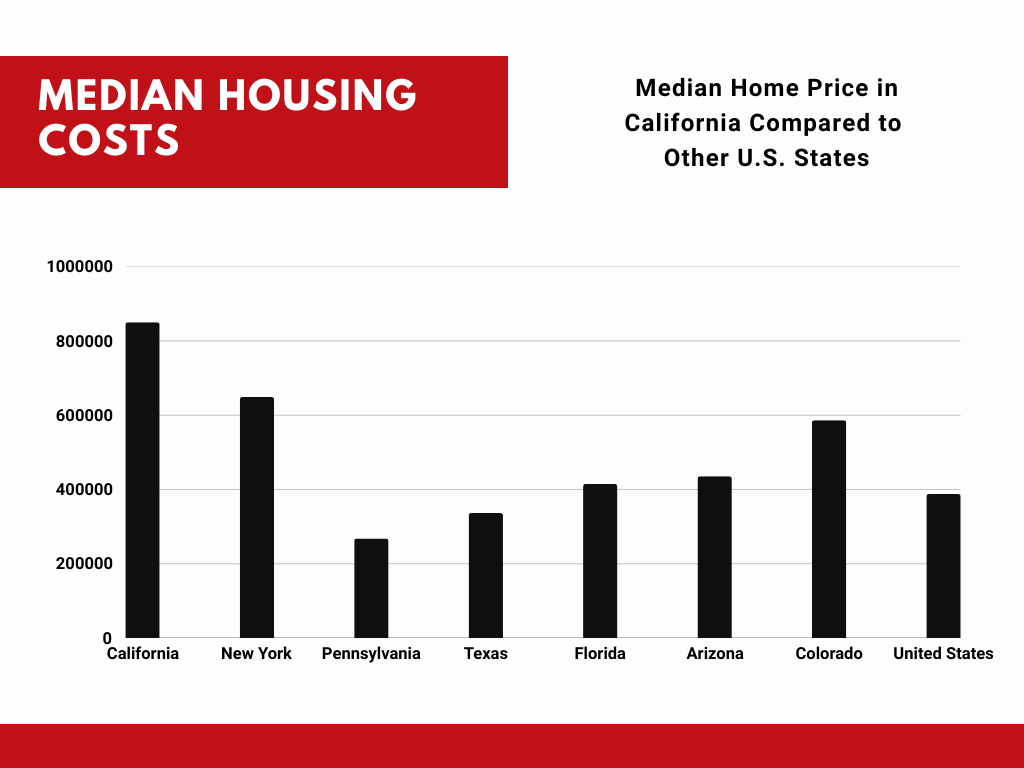
The median home price in California far surpasses the national average, making homeownership a distant dream for many. In San Francisco or Silicon Valley, a modest starter home can easily exceed seven figures. Renting is often the more accessible option, but even then, average rents in Los Angeles or San Francisco can consume a significant portion of one’s income. A luxury lifestyle might entail a spacious apartment in Marina del Rey or a penthouse overlooking the Golden Gate Bridge. A comfortable lifestyle might mean a two-bedroom apartment in a good neighborhood, while a budget lifestyle often necessitates sharing an apartment, living further from city centers, or opting for smaller, more utilitarian spaces. For visitors, luxury hotels like the Fairmont San Francisco or The Beverly Hills Hotel offer unparalleled service and amenities, while budget travelers might opt for hostels, motels, or Airbnbs in less central locations.
Strategic Location Choices
The choice of city dramatically impacts housing costs. For instance, a one-bedroom apartment in downtown San Francisco can easily cost over $3,000 per month, while a similar unit in Fresno might be closer to $1,500. Even within a single metropolitan area, significant differences exist; rent in Santa Monica will be substantially higher than in Burbank, despite both being part of the greater Los Angeles area. Understanding these localized variations is crucial for anyone planning their budget.
Daily Expenses: Fueling Your Californian Lifestyle
Beyond housing, the cost of everyday necessities and discretionary spending also influences the overall expense of a California lifestyle.
Transportation
California is a car-centric state, and owning a vehicle comes with expenses including gas, insurance, maintenance, and often exorbitant parking fees in urban areas. Gasoline prices are consistently among the highest in the nation. For a luxury lifestyle, this might involve owning multiple high-end vehicles or relying on ride-sharing services for convenience. A comfortable lifestyle usually includes a reliable car. A budget lifestyle might lean heavily on public transport in cities like San Francisco or Los Angeles, cycling, or living within walking distance of work and amenities. Public transportation, while improving, is not as extensive or efficient in many parts of California as in older East Coast cities or European counterparts, making car dependence a financial reality for many.
Food and Groceries
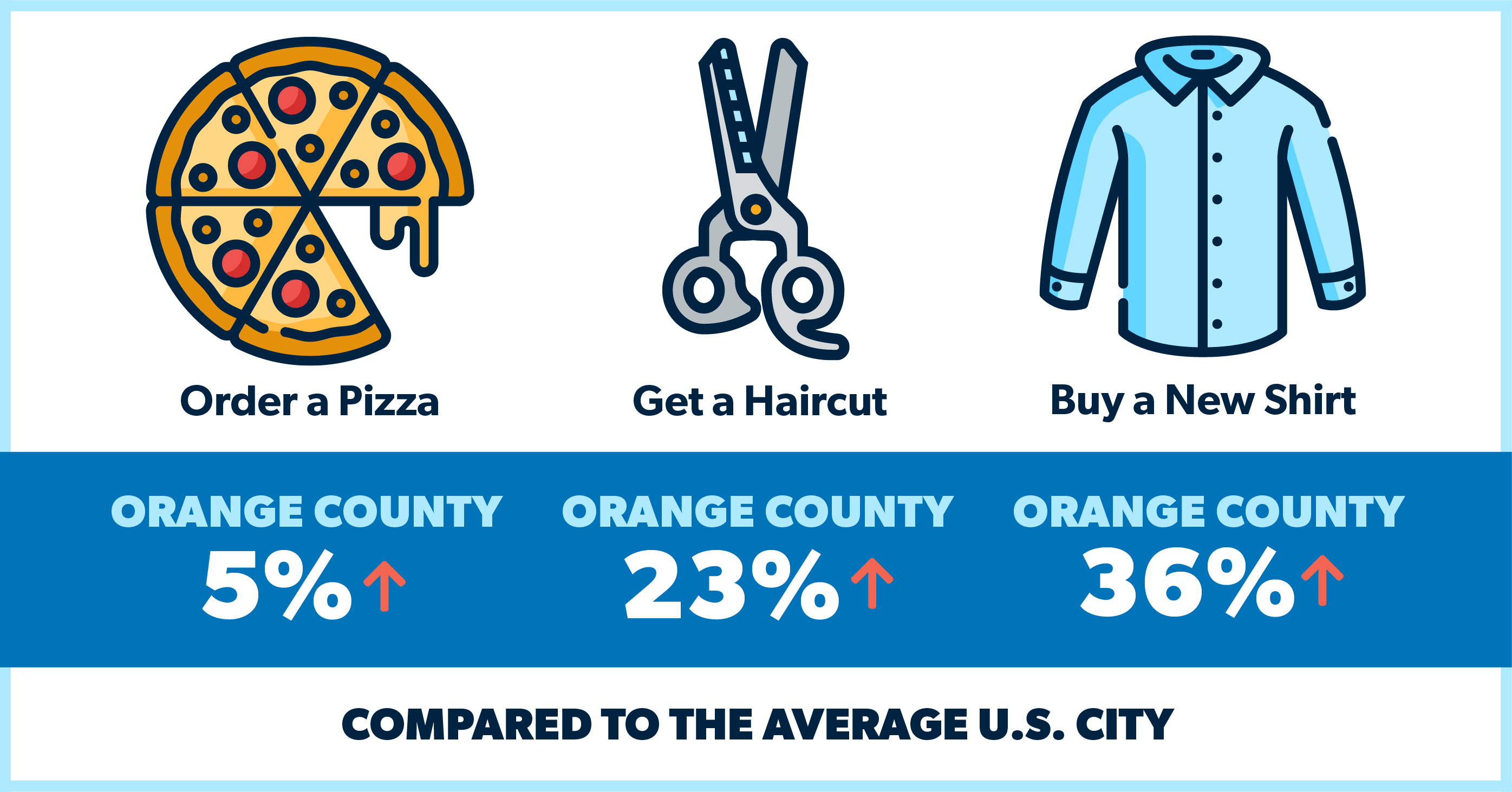
Grocery prices in California tend to be higher than the national average, especially for fresh produce and specialty items, though the abundance of farmers’ markets can offer competitive prices. Dining out, particularly in popular urban spots, can be quite expensive. A luxury lifestyle might include frequent meals at Michelin-starred restaurants in Yountville or Los Angeles, and gourmet grocery shopping. A comfortable lifestyle allows for regular restaurant visits and quality groceries. For a budget lifestyle, cooking at home, utilizing discount grocery stores, and taking advantage of happy hour deals are essential strategies. California’s diverse culinary scene caters to all budgets, from upscale dining in Napa Valley to authentic street tacos in East Los Angeles.
Utilities and Services
Basic utilities, including electricity, gas, water, and internet, also contribute to the cost of living. These can vary significantly based on usage, particularly air conditioning in hotter inland areas or heating during cooler winters in the mountains or northern regions. Internet services, while generally robust, can be pricey, especially for higher speeds.
Leisure and Entertainment: Crafting Your California Experience
One of California’s greatest assets is its unparalleled array of leisure and entertainment options. The cost here is entirely within your control, allowing for everything from extravagant escapades to free natural wonders.
High-End Experiences
A luxury lifestyle in California might involve private wine tours in Sonoma, exclusive club access in West Hollywood, season tickets to major sports teams, bespoke spa treatments, or stays at five-star resorts overlooking the Pacific. Theme parks like Disneyland and Universal Studios Hollywood offer immersive experiences at a premium price, especially with added features like Genie+ or VIP tours. Attending a concert at the Hollywood Bowl or catching a Broadway show at the Pantages Theatre are also quintessential high-end entertainment options.
Moderate and Budget-Friendly Fun
California truly shines in its abundance of free or low-cost activities. Its stunning natural landscapes, from the beaches of Malibu to the hiking trails of Yosemite National Park (though park entrance fees apply), offer endless opportunities for recreation. Exploring the Hollywood Walk of Fame, visiting the numerous free museums in Los Angeles (like the Getty Center), or picnicking by Lake Tahoe can provide incredible experiences without breaking the bank. Even in expensive cities, numerous parks, public beaches, and community events offer free entertainment. A budget lifestyle leverages these natural and public resources to the fullest, while a comfortable lifestyle might mix paid attractions with free ones, finding balance.
Strategies for Savvy Spending in the Golden State
Living an enjoyable lifestyle in California, regardless of budget, requires strategic planning and smart choices.
Embrace Public Resources
Utilize California’s state and national parks, free museums, public beaches, and hiking trails. An annual pass for state parks or national parks can be a worthwhile investment for frequent visitors.
Smart Housing Choices
Consider living slightly outside the most coveted zip codes. Commuting a bit further or choosing a smaller space can lead to significant savings. For visitors, staying in an Airbnb or an extended-stay hotel with kitchen facilities can cut down on dining-out expenses.
Optimize Transportation
If possible, live near your workplace or within areas with better public transport links. Carpooling, cycling, and walking can reduce reliance on personal vehicles and the associated costs. For long-distance travel, explore Amtrak or regional bus services.
Budget-Conscious Dining
Cook at home often, take advantage of farmers’ markets for fresh and affordable produce, and look for happy hour specials or lunch deals when dining out. Many ethnic neighborhoods offer delicious and inexpensive food options.
Seek Out Deals and Discounts
Look for local coupons, museum free days, and discount passes for attractions. Many cities offer cultural passes that bundle admissions to multiple venues at a reduced rate.
Ultimately, “How expensive is California?” is a question whose answer is sculpted by individual decisions. While its reputation for high costs is well-earned in specific areas, the state’s vastness ensures that a fulfilling lifestyle, whether opulent or economical, remains within reach for those who plan thoughtfully and embrace its diverse opportunities.
LifeOutOfTheBox is a participant in the Amazon Services LLC Associates Program, an affiliate advertising program designed to provide a means for sites to earn advertising fees by advertising and linking to Amazon.com. Amazon, the Amazon logo, AmazonSupply, and the AmazonSupply logo are trademarks of Amazon.com, Inc. or its affiliates. As an Amazon Associate we earn affiliate commissions from qualifying purchases.