
For many, the mention of Hawaii conjures images of pristine beaches, lush tropical landscapes, and a serene, “aloha spirit” lifestyle. It’s a dream destination for travelers seeking an escape and an aspirational home for those yearning for a life surrounded by unparalleled natural beauty. However, beneath the captivating surface of volcanic peaks and turquoise waters lies a stark economic reality: Hawaii consistently ranks as one of the most expensive places to live in the United States, and indeed, the world. This comprehensive guide delves into the intricate financial landscape of island living, exploring the myriad costs, from housing and groceries to healthcare and transportation, and offering insights into how one might navigate the economic currents to make paradise a sustainable home.
Understanding the true cost of living in Hawaii goes beyond just comparing price tags. It involves acknowledging the unique geographical, logistical, and cultural factors that contribute to its high expenses. Isolated in the middle of the Pacific Ocean, thousands of miles from the mainland, the islands rely heavily on imported goods, driving up the cost of almost everything. Limited land availability, coupled with high demand, creates a fiercely competitive and expensive housing market. Yet, for countless residents and long-term visitors, the intangible benefits – the vibrant culture, the outdoor lifestyle, the sense of community, and the breathtaking environment – often outweigh the financial burdens.
The Financial Landscape: Understanding Hawaii’s High Cost of Living
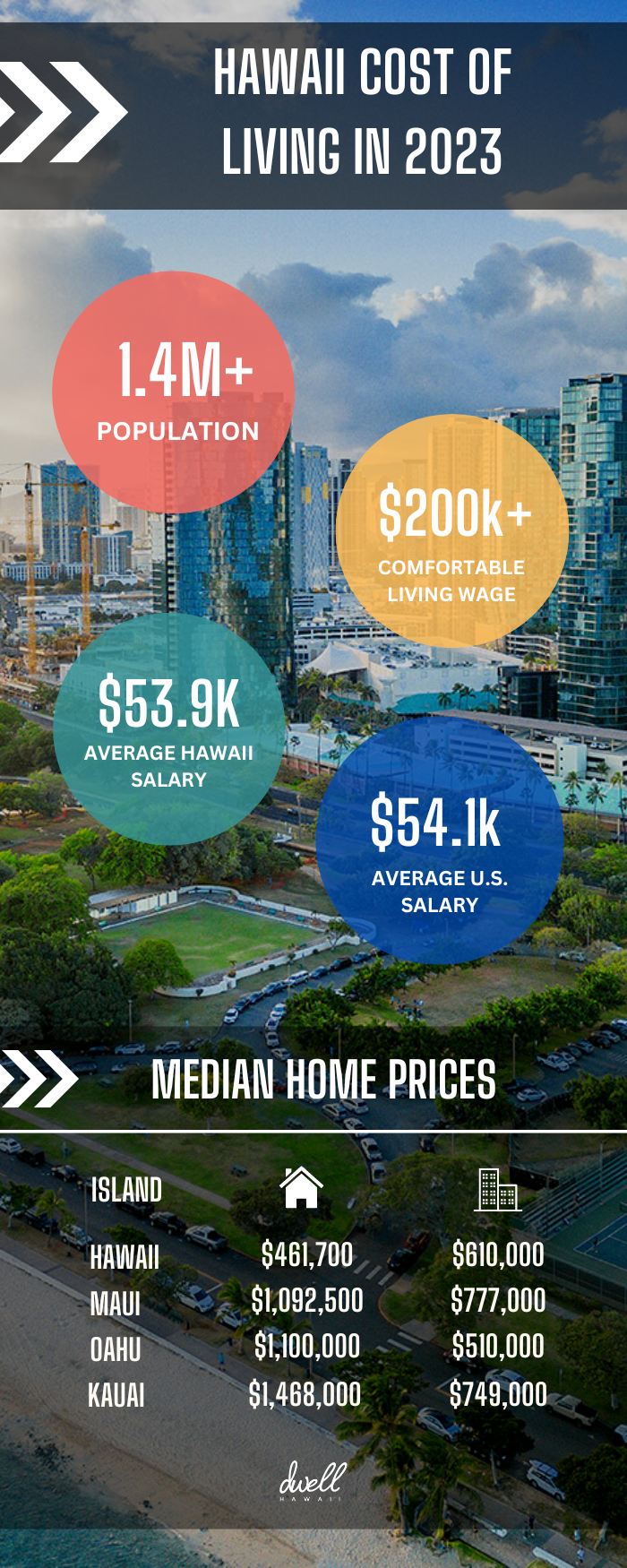
When considering a move or an extended stay in Hawaii, the first hurdle is often the sheer scale of expenses compared to most other parts of the United States or even North America and Asia. Various indices and reports consistently place Hawaii at the top of the list for cost of living. This isn’t just about a few categories being pricey; it’s a systemic elevation of costs across almost all aspects of daily life, making thoughtful budgeting and financial planning absolutely critical.
Housing: The Largest Financial Hurdle
Housing is, without a doubt, the most significant factor contributing to Hawaii’s high cost of living. The limited landmass across the archipelago, combined with strict zoning laws and high demand from both residents and investors, creates an incredibly competitive and expensive real estate market. Whether you’re looking to buy a home or rent an apartment, be prepared for figures that often dwarf those found on the mainland.
The median price for a single-family home on Oahu, the most populous island and home to Honolulu, has frequently surpassed the $1 million mark, with condominium prices also commanding premium rates. Other islands like Maui and Kauai often present similarly daunting figures, especially in desirable coastal areas. Even on the Big Island, traditionally considered more affordable, prices have been on a steady upward trajectory.
For those looking at long-term accommodation, the rental market offers little reprieve. In Honolulu, a 1-bedroom apartment can easily cost upwards of $2,000 to $2,500 per month, with 2-bedroom units often exceeding $3,000. Rent in popular areas of Maui can be even higher. Even in less urbanized areas, such as Kailua-Kona or Hilo on the Big Island, a 1-bedroom apartment typically ranges from $1,500 to $2,000. These figures are significantly higher than the national average, demanding a substantial portion of a household’s income.
Certain neighborhoods and districts are particularly notorious for their high prices. In Honolulu, upscale areas like Waikiki, Kaka’ako, Ala Moana, Kahala, Lanikai, and those nestled near Diamond Head come with luxury price tags, reflecting their prime locations, stunning views, and exclusive amenities. Conversely, more affordable options on Oahu can be found in communities further from the urban core, such as Ewa Beach, Kapolei, Mililani, Aiea, Pearl City, and Kaneohe. These areas offer a more suburban feel and generally lower rents, though they come with longer commute times to downtown Honolulu. On the Big Island, Hilo tends to be more affordable than Kona, offering a greener, rainier landscape.

When planning for accommodation, it’s crucial to consider not just the base rent or mortgage but also associated costs like property taxes (if buying), homeowner association (HOA) fees for condos, and insurance, all of which add to the overall financial commitment. For long-term stays, researching different types of accommodations—from traditional apartments and houses to more flexible options like serviced apartments or even house-sitting in some cases—can help manage expenses.
Everyday Necessities: Groceries, Utilities, and Transportation
Beyond housing, the cost of daily essentials in Hawaii also far exceeds mainland averages, primarily due to the logistical challenges of island life and the need to import most goods.
-
Groceries: Expect your grocery bill to be significantly higher than what you’re accustomed to. Basic staples like a gallon of milk or a dozen eggs can cost anywhere from 50% to 100% more than on the mainland. Fresh produce, while available locally, is often supplemented by imports, driving up prices. To mitigate these costs, residents often frequent local farmers’ markets for fresh, island-grown fruits and vegetables, and large warehouse clubs like Costco or Sam’s Club for bulk purchases of non-perishables and household items. Cooking at home rather than dining out frequently is another critical strategy for managing food expenses.
-
Utilities: Hawaii holds the unenviable distinction of having the highest electricity rates in the United States. This is largely due to the reliance on imported fossil fuels for power generation. An average monthly electricity bill can easily range from $200 to $400, depending on usage and whether air conditioning is a necessity. Water and sewer costs are also higher than the national average, reflecting the preciousness of fresh water resources on the islands. Internet and cell phone services, while essential, generally have pricing comparable to mainland rates, though coverage can vary in more remote areas. Strategies to conserve energy, such as utilizing natural ventilation, minimizing AC use, and investing in energy-efficient appliances, are common among residents.
-
Transportation: For most residents, especially those living outside of Honolulu’s urban core, owning a car is a near necessity. Gas prices are consistently among the highest in the nation, often exceeding $5 per gallon. Car insurance rates are also elevated due to the unique driving conditions and high accident rates. Public transportation is primarily developed on Oahu through “TheBus” system, which offers an extensive network, particularly in and around Honolulu. However, for many commutes and certainly on other islands, personal vehicles remain indispensable. Inter-island travel, which often involves short flights, can also add up for those needing to move between the islands for work or leisure, effectively adding another layer to transportation costs.
Healthcare and Childcare: Essential Services with High Costs
Two other critical categories that significantly impact the budget for families and individuals alike are healthcare and childcare.
-
Healthcare: Hawaii is known for providing quality healthcare, but these services come at a premium. The cost of health insurance premiums, deductibles, and co-pays can be substantial. Major healthcare providers and hospitals include Queen’s Medical Center, Kaiser Permanente, Hawaii Pacific Health, and the local Blue Cross Blue Shield affiliate, Hawaii Medical Service Association (HMSA). Access to specialized care, particularly on smaller islands, might require inter-island travel, adding to expenses. For families, children’s hospitals like Kapiolani Medical Center for Women & Children provide essential pediatric care. Navigating the healthcare system requires careful planning, and robust health insurance is not just recommended, but practically mandatory.
-
Childcare and Education: For families with young children, childcare costs in Hawaii are among the highest in the nation. Infant care, in particular, can be astronomically expensive, often rivaling or even exceeding monthly rent payments for many families. Preschools and private schools also command significant tuition fees. Prominent private educational institutions include Punahou School, Kamehameha Schools, Mid-Pacific Institute, and St. Francis School, all known for their strong academic programs but also for their considerable costs. Public schools are an option, of course, but even there, school supplies and extracurricular activities can add up quickly. Understanding the various state-funded support programs through the Department of Human Services might be beneficial for eligible families.
Lifestyle and Economic Realities: Balancing Dreams with Budgets
Living in Hawaii isn’t just about paying more for basic goods and services; it’s about navigating a unique economic environment where the “Hawaii premium” extends to almost every aspect of life. This premium reflects the cost of island remoteness, limited resources, and the high desirability of the locale.
Average Income & Job Market
While costs are high, wages do reflect this to some extent, though often not enough to fully offset the increased expenses. The median household income in Hawaii is higher than the national average, but when adjusted for the cost of living, the purchasing power can be significantly diminished. The job market is largely driven by the tourism and hospitality industries, which are the lifeblood of the islands’ economy. Other significant sectors include military and government employment, healthcare, and education. While these fields offer various opportunities, finding high-paying jobs outside of these sectors can be challenging, and competition can be fierce. Individuals considering a move to Hawaii are strongly advised to secure employment before relocating or to have a robust savings cushion.
Taxation
Hawaii has a progressive state income tax structure, with rates that can be significant for higher earners. Additionally, the state levies a General Excise Tax (GET) on almost all goods and services, which acts like a sales tax but is applied at multiple stages of production and distribution, further contributing to the elevated prices consumers face. While property taxes can be relatively low compared to some mainland states, they are still a significant consideration for homeowners.
Saving Money and Budgeting in Paradise
Successfully living in Hawaii on a budget requires intentional planning and a willingness to adapt your lifestyle. Here are some key strategies:
- Shop Smart: Prioritize local produce from farmers’ markets to save on groceries and support local agriculture. Utilize warehouse clubs for bulk items. Plan meals and cook at home as much as possible, as dining out frequently can quickly deplete your budget.
- Embrace the Outdoors: Hawaii offers an abundance of free or low-cost outdoor activities. Instead of expensive entertainment, spend time at the beaches, go hiking, surfing, or snorkeling. The natural beauty is the island’s greatest amenity.
- Consider Location: Choose your neighborhood carefully. As discussed, areas further from urban centers or tourist hotspots tend to be more affordable for both renting and buying. For instance, comparing the cost of living in Waikiki to Aiea or Kapolei on Oahu reveals significant differences.
- Minimize Car Dependence: On Oahu, take advantage of TheBus public transportation system. On other islands, consider carpooling or exploring ride-sharing options if possible, though these are less prevalent.
- Energy Conservation: Be mindful of electricity usage. Embrace natural ventilation, use fans instead of constant air conditioning, and unplug electronics when not in use.
- Leverage Local Discounts: Many businesses offer kama’aina (resident) discounts. Always ask if you qualify once you become a resident.
- Long-term Accommodation Flexibility: For those staying for extended periods, exploring options like house-sitting, room rentals, or co-living arrangements might provide more affordable alternatives than traditional apartment leases.
Island-Specific Differences
While Hawaii as a whole is expensive, there are noticeable variations between the islands.
- Oahu: The most populated and urbanized island, home to Honolulu, tends to be the most expensive, particularly for housing. However, it also offers the most job opportunities, amenities, and public transportation options.
- Maui: Known for its luxury resorts and stunning scenery, Maui is also very expensive, especially in popular tourist areas. The job market is heavily reliant on tourism.
- Kauai: The “Garden Isle” offers breathtaking natural beauty but comes with a high price tag for living. Opportunities are fewer outside of tourism and local services.
- Big Island (Island of Hawaii): Generally considered the most affordable of the major islands, especially in areas further from Kona. It offers a more rural and laid-back lifestyle, with a greater emphasis on agriculture and outdoor activities. However, job opportunities can be more limited, and services might be spread out.
Embracing the Aloha Spirit: The Value Beyond the Price Tag
Despite the formidable financial challenges, millions of people visit Hawaii annually, and a significant number choose to call it home. This is because the value of living in Hawaii extends far beyond monetary considerations. The “aloha spirit” – a profound sense of welcome, love, and respect – permeates the culture, fostering a unique quality of life that many find invaluable.
The islands offer an unparalleled connection to nature. Imagine waking up to the sound of exotic birds, spending your afternoons exploring iconic landmarks such as Pearl Harbor or surfing the legendary waves of Waikiki, and your weekends hiking to cascading waterfalls or through volcanic landscapes. Hawaii is a playground for outdoor enthusiasts, with activities ranging from snorkeling and diving in vibrant coral reefs to exploring the famous Hana Highway on Maui, marveling at the dramatic cliffs of the Na Pali Coast on Kauai, or gazing into the vastness of the Waimea Canyon. Cultural experiences abound, from learning about Polynesian history at the Polynesian Cultural Center to visiting historic sites like the Dole Plantation, Iolani Palace, the Bishop Museum, the Maui Ocean Center, or the solemn USS Arizona Memorial.
The year-round tropical climate eliminates heating costs and allows for a lifestyle focused on the outdoors, fostering physical activity and well-being. The rich multicultural environment, a melting pot of Polynesian, Asian, and Western influences, offers unique culinary experiences, vibrant festivals, and a deep sense of community often missing in more transient locales.
Ultimately, living in Hawaii is an investment – not just financially, but in a lifestyle that prioritizes well-being, natural beauty, and cultural richness. While the cost of living is undeniably high, with careful financial planning, a willingness to adapt, and a deep appreciation for the unique benefits it offers, the dream of calling Hawaii home can become a sustainable reality. For those who prioritize sunshine, stunning landscapes, and a vibrant island culture, the challenges are often seen as minor trade-offs for a truly extraordinary life.
LifeOutOfTheBox is a participant in the Amazon Services LLC Associates Program, an affiliate advertising program designed to provide a means for sites to earn advertising fees by advertising and linking to Amazon.com. Amazon, the Amazon logo, AmazonSupply, and the AmazonSupply logo are trademarks of Amazon.com, Inc. or its affiliates. As an Amazon Associate we earn affiliate commissions from qualifying purchases.