
Whether you’re planning an extended vacation, moving to the Lone Star State for work or study, or simply need a reliable form of identification while exploring its vast landscapes, obtaining a Texas ID is a fundamental step. For anyone navigating the vibrant culture and diverse attractions of Texas, a valid identification card is more than just a piece of plastic; it’s your key to seamless travel, hassle-free accommodation bookings, and a deeper immersion into local life. From checking into a charming boutique hotel in Austin to renting a car for a road trip through Big Bend National Park, having the correct identification ensures your journey through Texas is as smooth as possible.
This comprehensive guide will walk you through everything you need to know about acquiring a Texas ID, focusing on the specific requirements, processes, and considerations for both long-term residents and those visiting for an extended period. We’ll delve into the nuances of different ID types, the critical documents required, and tips to streamline your application, ensuring you’re well-prepared to enjoy all that Texas has to offer.
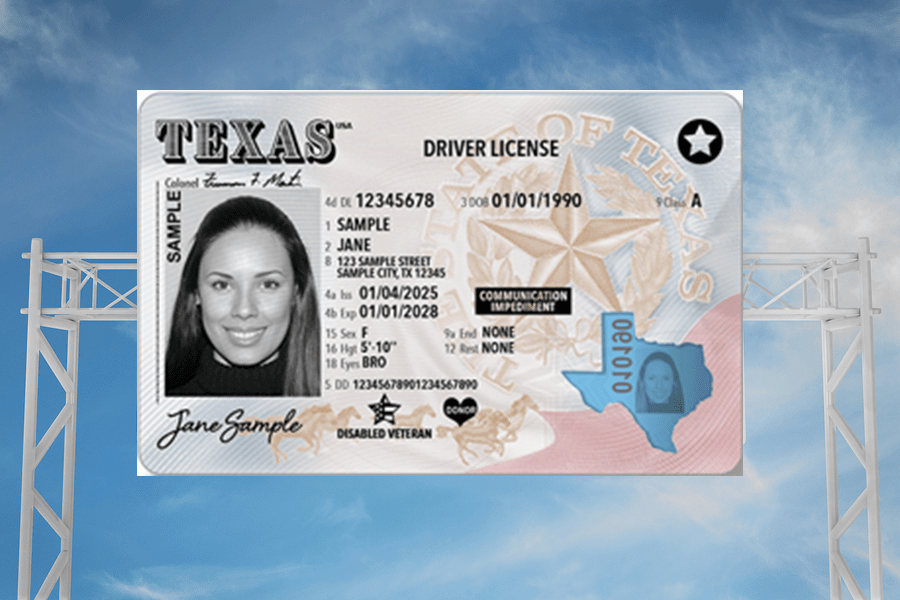
Understanding Your Texas ID Options: Driver License vs. ID Card
Before embarking on the application process, it’s crucial to understand the two primary forms of identification issued by the state: the Texas Driver License and the Texas Identification Card. While both serve as official proof of identity, their primary functions differ significantly. Your choice will depend on your specific needs and intentions during your stay in Texas.
The Texas Driver License: For the Road Trippers and Long-Term Stays
The Texas Driver License is the most common form of identification for residents. It permits you to legally operate a motor vehicle on public roads, making it indispensable for anyone planning to drive within the state. For travelers, this means the freedom to rent cars, explore remote destinations like Guadalupe Mountains National Park, or simply navigate city streets in Dallas or Houston at your leisure. Beyond its driving function, it also serves as a robust form of age verification and general identification, widely accepted for everything from hotel check-ins to accessing local nightlife. If you’re relocating to Texas or planning an extended stay that involves driving, this is likely the card you’ll need.
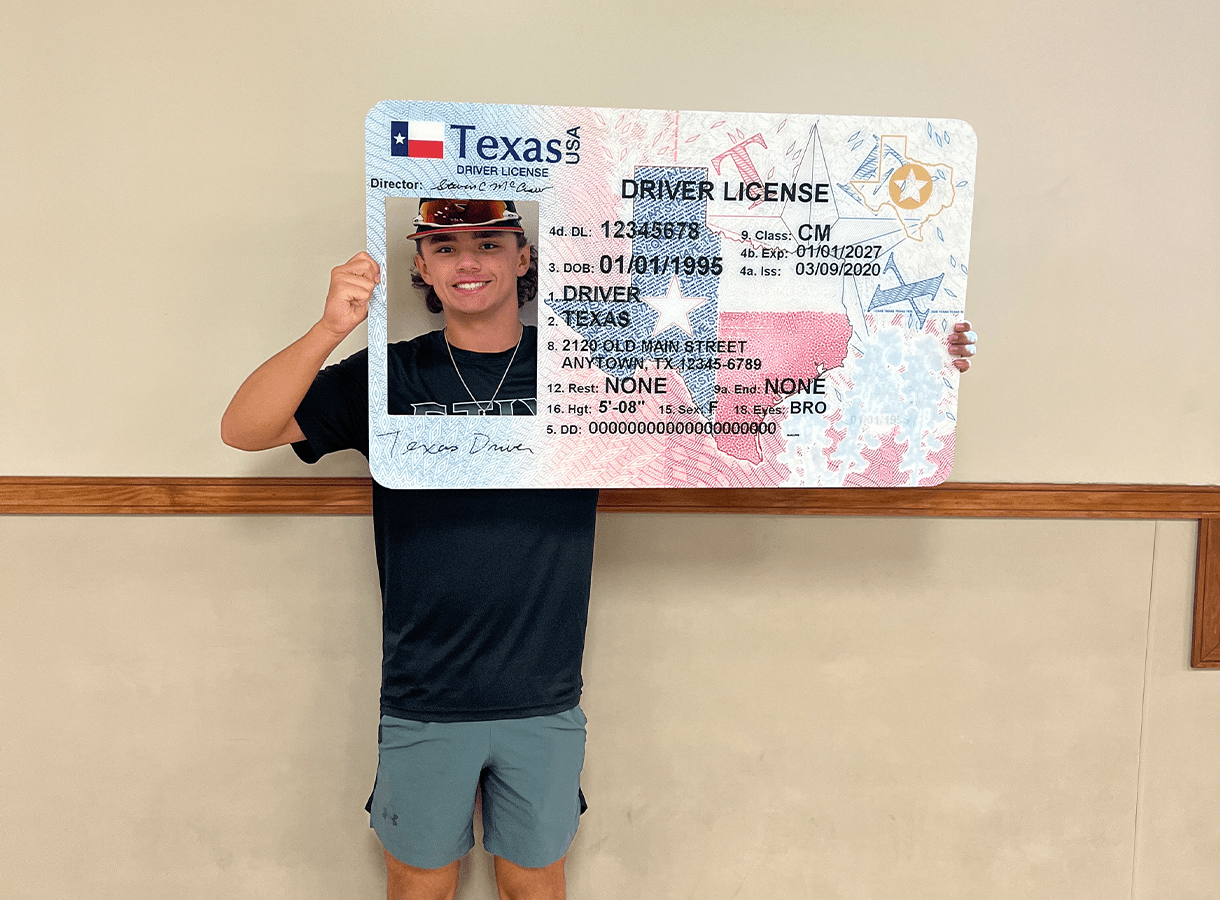
The Texas Identification Card: A Versatile Proof of Identity
For those who do not plan to drive, or who are perhaps too young to obtain a driver license, the Texas Identification Card is the ideal solution. It functions purely as a photo identification card and carries the same weight as a driver license for non-driving purposes. This makes it perfect for students, long-term visitors, or individuals who prefer public transportation or ride-sharing services. It’s an excellent option for verifying your identity when booking accommodations, boarding domestic flights (in conjunction with other travel documents like a passport for non-citizens), or simply as proof of age when enjoying Texas’ vibrant culinary scene and attractions. The requirements for obtaining an Texas Identification Card are generally less stringent than for a driver license, as no driving test or vehicle-related documentation is needed.
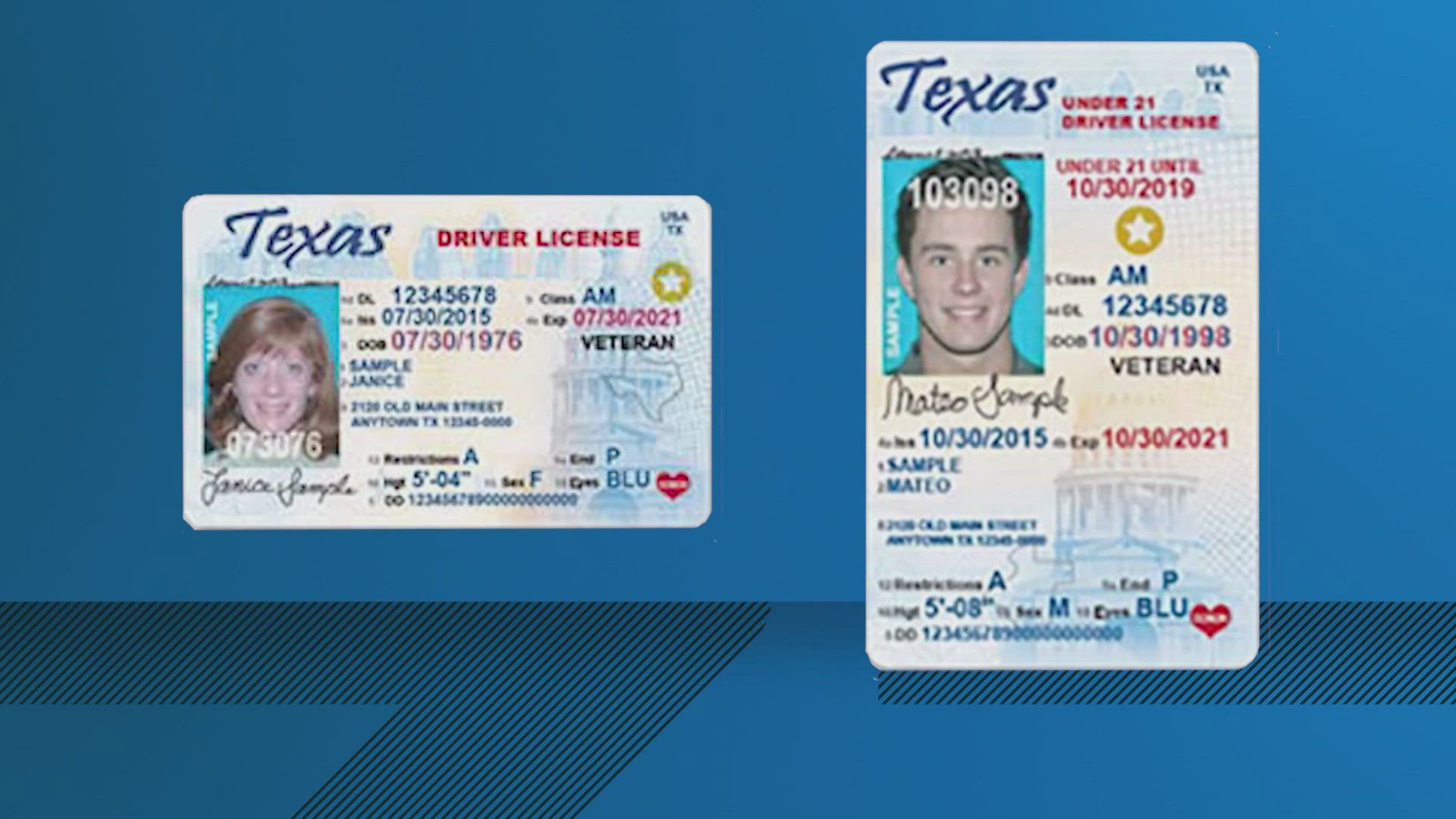
Navigating the Documentation Gauntlet: What You’ll Need
Regardless of whether you choose a Texas Driver License or a Texas Identification Card, preparing the correct documentation is the most critical step. The Texas Department of Public Safety (DPS) Office enforces strict requirements to verify your identity, residency, and legal status. Gathering these documents beforehand will significantly expedite your application process and prevent frustrating delays.
Establishing Your Identity: Primary, Secondary, and Supporting Documents
The DPS Office requires a robust set of documents to confirm who you are. These are typically categorized into primary, secondary, and supporting documents. You’ll generally need one primary, one secondary, and two supporting documents, or a combination that meets their criteria.
- Primary Identity Documents: These are the strongest forms of identification. Examples include:
- A U.S. Passport or Passport Card.
- A Birth Certificate (original or certified copy) issued by a U.S. state, territory, or the District of Columbia.
- A U.S. Certificate of Citizenship or Naturalization.
- A Permanent Resident Card (Green Card)) or other valid immigration documents for non-citizens.
- Secondary Identity Documents: These support your primary document. Examples include:
- An original or certified copy of a marriage certificate or divorce decree.
- A court order with your name and date of birth.
- A Texas Driver License or Texas Identification Card (if applying for a renewal or duplicate).
- Supporting Identity Documents: These further corroborate your identity. Examples often include:
- A current employer ID card.
- A school ID card.
- A valid health insurance card.
- A Social Security card.
- A W-2 form or 1099 form.
It’s essential to bring original documents, not photocopies, unless specifically stated by the DPS Office. For international visitors or new immigrants, your Passport and Visa, or Permanent Resident Card are paramount.
Proving Your Residency and Legal Status in Texas
To obtain a Texas ID, you must demonstrate that Texas is your current place of residence. The DPS Office typically requires two different documents that show your name and your current Texas address. These documents must be recent, usually within the last 90 days.
- Proof of Residency Examples:
- A current utility bill (electricity, water, gas, internet/cable).
- A current lease agreement or mortgage statement.
- A homeowner’s or renter’s insurance policy.
- A current bank statement from a Texas bank.
- A valid Texas voter registration card.
- A current selective service card.
- Certain governmental correspondence or school transcripts.
For those just moving to Texas and staying in temporary accommodation, obtaining these documents can be a challenge. In such cases, a letter from a hotel manager confirming an extended stay, combined with other forms of mail addressed to you at that location, might be accepted, but it’s always best to check with the DPS Office directly for specific guidance on unconventional proofs of residency.
Furthermore, you must provide proof of your U.S. Citizenship or lawful presence in the United States. This typically involves your Birth Certificate, U.S. Passport, or, for non-citizens, your Permanent Resident Card (Green Card)) or valid Visa along with your I-94 record. The duration of your ID’s validity may be tied to your immigration status.
Social Security and Other Essential Verifications
Proof of your Social Security Number (SSN) is also required. You can present your original Social Security Card, a W-2 form, a 1099 form, or a pay stub that clearly shows your name and SSN. If you do not have an SSN, specific rules apply, and you may need to provide a formal letter from the Social Security Administration indicating your ineligibility.
For those applying for a Texas Driver License, additional vehicle-related documents are necessary. You’ll need proof of current vehicle registration for any vehicle you own and proof of financial responsibility (car insurance). It’s crucial that these documents are current and match the vehicle you intend to drive.
The Application Process: Step-by-Step to Your Texas ID
Once you have meticulously gathered all required documents, the actual application process is relatively straightforward. Adhering to the established steps will ensure a smooth experience at the DPS Office.
Scheduling Your Visit to a DPS Office
The first step is to locate your nearest DPS Office and schedule an appointment. While walk-ins may be accepted, wait times can be extensive, particularly in major metropolitan areas like San Antonio or Houston. Scheduling an appointment online through the Texas DPS website is highly recommended. This allows you to pick a convenient date and time, significantly reducing your waiting period and making the entire process much more efficient – a boon for travelers on a tight schedule or new residents eager to settle in.
What to Expect During Your Appointment
On the day of your appointment, arrive a few minutes early with all your original documents. You’ll typically:
- Check-in: Present your appointment confirmation and initial documents.
- Submit Application: Fill out the required application form (DL-14A for driver licenses/ID cards). This form is often available online for pre-completion.
- Document Review: A DPS Office representative will meticulously review all your submitted documents to ensure they meet the criteria.
- Fingerprints and Photo: You will have your fingerprints scanned and a digital photograph taken for your new ID. Ensure you look presentable, as this photo will represent you for years to come.
- Signature: You’ll provide a digital signature.
- Vision Test (for Driver License): If applying for a Texas Driver License, you will undergo a brief vision screening. If you wear corrective lenses, bring them.
- Knowledge and Driving Test (for Driver License applicants without previous license): First-time driver license applicants or those from certain countries may also need to pass a written knowledge test and a driving skills test.
- Pay Fees: The applicable fee for your Texas ID or Texas Driver License must be paid. Fees vary based on the type of card and its validity period. The DPS Office accepts various payment methods, including cash, check, money order, and most major credit cards.
Receiving Your Temporary and Permanent ID
Upon successful completion of all steps and payment of fees, you will typically be issued a temporary, paper Texas ID or Texas Driver License. This temporary document is valid for immediate use as proof of identity or driving privilege until your permanent card arrives in the mail. Keep it safe, as it contains important information. Your permanent, plastic card will then be mailed to the address provided on your application, usually within 2-3 weeks. Ensure your mailing address is accurate to avoid delays.
Special Circumstances and Pro Tips for a Seamless Experience
While the general process remains consistent, certain situations or proactive measures can further smooth your path to obtaining a Texas ID.
Considerations for New Texas Residents and Non-Citizens
New residents to Texas have 90 days after establishing residency to obtain a Texas Driver License if they plan to drive. If you hold a valid driver license from another U.S. state or territory, you may be able to simply transfer it without taking a driving test. However, you will still need to pass the knowledge test and present all required identity, residency, and SSN documents.
For non-citizens, particularly those on student visas, work visas, or other temporary statuses, the validity of your Texas ID or Texas Driver License will typically be tied to the expiration date of your lawful presence in the United States. It’s crucial to keep your immigration documents updated and bring all relevant proofs of legal status. Be prepared for potential additional scrutiny of your immigration paperwork.
Essential Tips for a Stress-Free Application
- Review the DPS Website: Before you even start gathering documents, visit the official Texas DPS website. They provide comprehensive checklists and the most up-to-date requirements. Policies can change, so always verify current information.
- Create a Document Checklist: Print out the official checklist from the DPS Office website and methodically check off each document as you gather it. Use a folder to keep all originals organized.
- Double-Check Names: Ensure all your documents consistently show your full legal name. Discrepancies (e.g., nicknames, missing middle names) can cause significant delays. If names differ due to marriage, divorce, or legal change, bring supporting legal documents like a marriage certificate or court order.
- Early Bird Gets the Worm: Schedule your appointment as far in advance as possible, especially during peak seasons (summer, holidays, university start dates). If no appointments are available, keep checking the website, as slots can open up.
- Be Patient and Polite: DPS Office staff handle many applications daily. Being patient, organized, and polite will make the process smoother for everyone.
- Consider a Passport: For international travelers or those looking for the ultimate widely accepted form of identification, a U.S. Passport (or your home country’s Passport for non-citizens) is universally recognized and can often simplify identity verification, even if it doesn’t serve as a driver license.
Beyond the ID: Unlocking Texas Experiences with Your New Card
Obtaining your Texas ID or Texas Driver License is more than just completing a bureaucratic task; it’s about gaining greater freedom and ease in experiencing Texas. With your new card, you’ll find it easier to:
- Travel: Breeze through domestic airport security checkpoints within the United States, confidently rent a car from agencies at Dallas/Fort Worth International Airport, and confirm your identity for various travel-related services.
- Accommodate: Secure hotel bookings, check into resorts, or even establish long-term rental agreements in apartments or villas across the state without hiccups. Your Texas ID serves as a trusted form of identification for all accommodation types.
- Experience Tourism: Gain access to age-restricted events, purchase alcoholic beverages in Texas’ vibrant bars, or verify your identity for certain tours or activities. From visiting historical landmarks like the Alamo in San Antonio to exploring the wonders of the NASA Johnson Space Center in Houston, a valid ID makes the process smoother.
- Enjoy Local Lifestyle: Open a local bank account, register for classes, or engage with local community services. It’s a vital tool for establishing your presence and participating fully in Texas life, whether you’re embracing a luxury travel experience or managing a budget-friendly stay.
The process of getting a Texas ID might seem daunting at first, but with careful preparation and attention to detail, it’s a manageable step toward fully integrating into the Texas experience. By understanding the requirements, gathering your documents meticulously, and following the application steps, you’ll soon hold the key to unlocking all the adventures and opportunities the Lone Star State has to offer. So, get your documents in order, schedule that appointment, and prepare to explore Texas with confidence and ease!
LifeOutOfTheBox is a participant in the Amazon Services LLC Associates Program, an affiliate advertising program designed to provide a means for sites to earn advertising fees by advertising and linking to Amazon.com. Amazon, the Amazon logo, AmazonSupply, and the AmazonSupply logo are trademarks of Amazon.com, Inc. or its affiliates. As an Amazon Associate we earn affiliate commissions from qualifying purchases.