
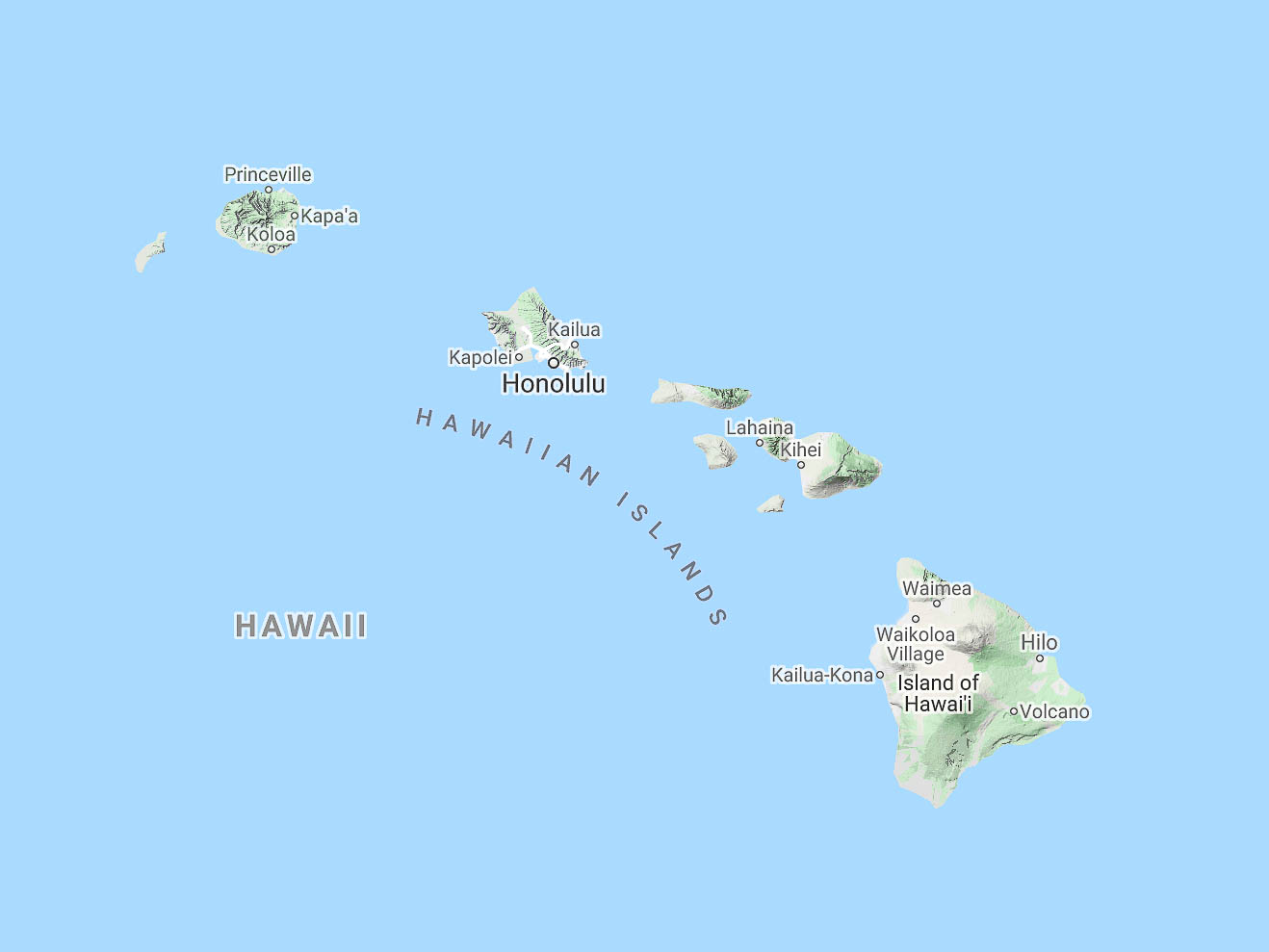
In the vast expanse of the Pacific Ocean, a stunning archipelago emerges, renowned globally for its unparalleled beauty, vibrant culture, and diverse ecosystems: Hawaii. Comprising eight main islands, each with its own distinct personality and charm, the Hawaiian chain presents a magnificent tapestry of natural wonders and cultural heritage. Among these islands, one stands out, not just for its geological youth and ongoing creation, but for its sheer, undeniable scale. This is the Big Island, and to dispel any ambiguity, its official name is Hawaii Island.
Often referred to simply as the Big Island to avoid confusion with the state of Hawaii itself, this remarkable landmass is indeed the largest and southernmost island in the Hawaiian chain. Its name is not merely a descriptive moniker but a literal testament to its colossal size, dwarfing its siblings like Maui, Oahu, and Kauai. For travelers seeking an authentic Hawaiian experience that encompasses everything from snow-capped peaks to active volcanoes, black sand beaches to lush rainforests, the Big Island offers an adventure unlike any other. It is a destination that truly lives up to its name, promising grand landscapes, expansive adventures, and a journey into the heart of geological marvel.
Unveiling Hawaii’s Largest Gem
The Big Island is a place of dramatic contrasts, a living, breathing testament to the powerful forces of nature. Unlike the older, more eroded islands in the chain, Hawaii Island is still actively growing, thanks to the continuous volcanic activity that shapes its dynamic landscape. This geological youth means visitors can witness the raw power of creation firsthand, making it a unique destination for science enthusiasts and nature lovers alike. Its sheer size and ongoing evolution contribute to an incredible array of microclimates and ecosystems, allowing for an astonishing diversity of experiences within a single island.
The Sheer Scale: How Big Is “Big”?
To understand why Hawaii Island earned its famous nickname, one only needs to look at the numbers. At approximately 4,028 square miles (10,432 square kilometers), the Big Island is nearly twice the size of all the other Hawaiian islands combined. To put this into perspective, it is larger than the states of Rhode Island and Delaware combined in the United States. This immense land area means that travel between different regions of the island can take several hours, resembling a road trip across a small continent rather than a mere island hop.
This vastness is primarily due to the presence of five massive shield volcanoes that formed the island: Mauna Kea, Mauna Loa, Hualalai, Kohala, and Kilauea. While Kohala is extinct and Hualalai is dormant, Mauna Loa and especially Kilauea remain active, continuously adding new land to the island. Mauna Kea, a dormant volcano, is the tallest mountain in the world when measured from its base on the ocean floor, reaching over 33,000 feet (10,000 meters) from base to peak, with 13,803 feet (4,207 meters) above sea level. Its summit is so high that it often receives snow in winter, offering a truly surreal sight in a tropical paradise.

A Land of Striking Contrasts
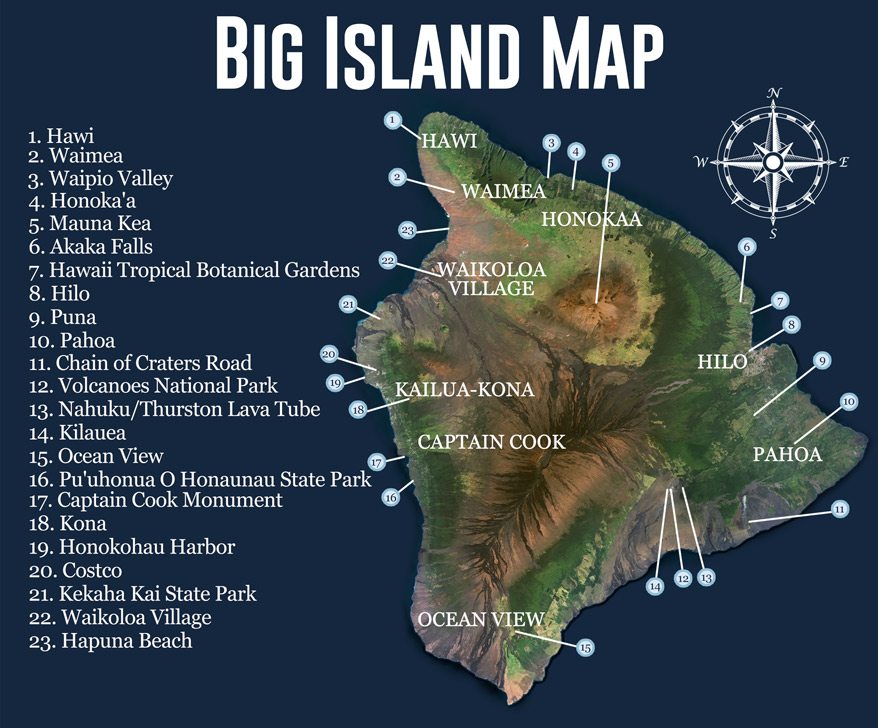
The immense size of the Big Island allows for an incredible array of landscapes and climates, ranging from sun-drenched beaches to alpine tundra. This diversity is what truly sets Hawaii Island apart. On a single day, a visitor could experience the vibrant energy of the Kailua-Kona coast, delve into the misty rainforests of the Hamakua Coast, and ascend to the stark, lunar landscape of Mauna Kea’s summit.
The leeward side, centered around Kailua-Kona, is typically dry and sunny, characterized by black lava fields and pristine white sand beaches, perfect for resort living and water sports. In stark contrast, the windward side, near Hilo, receives abundant rainfall, fostering lush tropical rainforests, cascading waterfalls, and vibrant botanical gardens. Inland, the paniolo (Hawaiian cowboy) country around Waimea offers rolling green pastures reminiscent of Ireland, while the volcanic landscapes around Volcano Village present an otherworldly, often barren, yet deeply compelling vista. This remarkable range of environments ensures that every traveler finds something to captivate their imagination on the Big Island.
Must-See Landmarks and Natural Wonders
The Big Island’s size and geological activity have sculpted a landscape replete with iconic landmarks and breathtaking natural wonders. These attractions range from formidable volcanoes to stunning beaches, each telling a unique story of the island’s formation and cultural significance.
Volcanic Majesty: Hawaii Volcanoes National Park
Undoubtedly, the crown jewel of the Big Island is Hawaii Volcanoes National Park. This UNESCO World Heritage site is one of the most dynamic natural attractions in the world, home to two of the most active volcanoes: Kilauea and Mauna Loa. Visitors can explore vast volcanic landscapes, walk through lava tubes, and, when conditions permit, even witness the mesmerizing glow of molten lava. The park offers an extraordinary opportunity to learn about volcanology, geology, and the unique ecosystems that thrive in this constantly changing environment. Hiking trails weave through steam vents, solidified lava flows, and lush rainforests, providing diverse perspectives on the powerful forces at play. A visit here is not just a sightseeing tour; it’s an immersive educational experience into the very heart of planetary creation.
Pristine Beaches and Coastal Escapes
Despite its volcanic origins, the Big Island boasts an impressive array of beaches, each with its own distinctive character, often influenced by the volcanic activity.
The famous Punalu’u Black Sand Beach, located in the southeastern part of the island, is one of the most iconic. Its jet-black shores, formed by lava flowing into the ocean and rapidly cooling, provide a striking contrast to the turquoise waters. It’s also a common spot to see endangered green sea turtles basking in the sun.
For a truly unique experience, the Papakolea Green Sand Beach, one of only four green sand beaches in the world, offers a stunning hue derived from olivine crystals eroded from a volcanic cinder cone. Access requires a bit of an adventure, but the reward is unparalleled.
Along the Kohala Coast, visitors will find pristine white sand beaches like Hapuna Beach State Recreation Area and Kaunaoa Beach (Mauna Kea Beach), consistently ranked among the best beaches in the United States for their soft sands, clear waters, and excellent swimming and snorkeling conditions. These coastal areas are perfect for relaxation, sunbathing, and indulging in various water sports.
Lush Valleys and Stargazing Sanctuaries
Beyond its volcanic peaks and diverse beaches, the Big Island is home to lush, verdant valleys and pristine natural reserves. The Waipio Valley, known as the “Valley of Kings,” is a place of immense historical and cultural significance. With towering cliffs, cascading waterfalls (including the impressive Hiilawe Falls), and a black sand beach, it offers a glimpse into ancient Hawaii. Access to the valley floor is challenging, often requiring a 4×4 vehicle or a guided tour, but the panoramic views from the lookout are spectacular.
Another stunning natural spectacle is Akaka Falls State Park, where two magnificent waterfalls, Akaka Falls and Kahuna Falls, plunge into a gorge surrounded by lush tropical vegetation.
For those looking skyward, the summit of Mauna Kea is one of the world’s foremost astronomical observatories, due to its high altitude, dry atmosphere, and minimal light pollution. Stargazing tours offer an unforgettable opportunity to witness the brilliance of the cosmos from a truly exceptional vantage point.
Embracing the Big Island Lifestyle: Activities and Culture
The Big Island is not just a feast for the eyes; it’s a playground for adventurers and a sanctuary for cultural enthusiasts. Its diverse landscape translates into an endless array of activities, while its rich history offers deep insights into Hawaiian traditions.
Adventures for Every Traveler
The possibilities for adventure on Hawaii Island are boundless. Thrill-seekers can embark on a Manta Ray night dive or snorkel tour in Kailua-Kona, an ethereal experience where these gentle giants gracefully glide through the illuminated waters. Scuba diving, snorkeling, and paddleboarding are popular along the calm, clear waters of the Kona Coast.
Hiking opportunities abound, from challenging treks across lava fields in Hawaii Volcanoes National Park to scenic trails leading to secluded waterfalls. Horseback riding through the rolling pastures of Waimea or ziplining over lush valleys near Hilo offer different perspectives of the island’s beauty.
For a truly panoramic view, a helicopter tour provides an exhilarating way to see the active volcano, hidden waterfalls, and vast stretches of coastline that are otherwise inaccessible. Whale watching is also a seasonal delight, typically from December to May, when humpback whales migrate to Hawaiian waters.
Savoring Local Flavors
The Big Island’s agricultural diversity contributes significantly to its culinary scene. The volcanic soil and consistent climate are ideal for growing some of the world’s finest coffee. A tour of a Kona Coffee farm, such as the Kona Coffee Living History Farm, provides insight into the bean-to-cup process and, of course, a chance to sample the exquisite brew.
Fresh seafood is a staple, with an abundance of locally caught fish forming the basis for delicious poké, grilled fish, and sashimi. Farmers’ markets in both Kailua-Kona and Hilo offer a vibrant selection of tropical fruits, local produce, and artisanal goods. Dining experiences range from casual food trucks serving plate lunches to upscale restaurants showcasing innovative Pacific Rim cuisine. Don’t forget to try traditional Hawaiian dishes at a luau, a celebration of food, music, and dance.
Cultural Immersion and Community Spirit
Beyond its natural beauty, the Big Island is steeped in rich Hawaiian history and culture. It was the birthplace of King Kamehameha I, the monarch who united the Hawaiian Islands. Visitors can explore historical sites such as Puuhonua o Honaunau National Historical Park, a sacred place of refuge for ancient Hawaiian lawbreakers and defeated warriors. This site offers a fascinating glimpse into the spiritual beliefs and societal structures of old Hawaii.
The island is also home to the Parker Ranch in Waimea, one of the largest privately owned ranches in the United States, showcasing the enduring legacy of the paniolo (Hawaiian cowboy). Engaging with local artists, attending hula performances, and visiting cultural centers provide deeper insights into the island’s heritage and the spirit of aloha. The local communities on the Big Island are warm and welcoming, eager to share their traditions and stories.
Accommodation and Travel Planning
Planning a trip to the Big Island requires careful consideration, primarily due to its expansive size and the diverse experiences it offers. The right accommodation and understanding of island logistics are key to maximizing your adventure.
From Luxury Resorts to Quaint Stays
The Big Island caters to a wide range of accommodation preferences and budgets. Along the sunny Kohala Coast and north of Kailua-Kona, you’ll find some of Hawaii’s most luxurious resorts, known for their stunning oceanfront locations, world-class amenities, and exquisite dining options. Examples include the opulent Four Seasons Resort Hualalai, the elegant Fairmont Orchid, and the culturally rich Mauna Lani, Auberge Resorts Collection. These resorts often feature championship golf courses, sprawling pools, and comprehensive spa services, perfect for a rejuvenating escape. The Hilton Waikoloa Village, a massive complex with canals and trams, offers a family-friendly resort experience.
In Kailua-Kona town, options range from boutique hotels to mid-range accommodations like the Outrigger Kona Resort and Spa, offering convenient access to dining and shopping. On the Hilo side, travelers can find more budget-friendly hotels and charming bed-and-breakfasts that offer a different, more rainforested ambiance. For those seeking an immersive volcanic experience, unique cabins and vacation rentals are available in Volcano Village, just outside Hawaii Volcanoes National Park. Vacation rentals and apartments are also popular choices for longer stays or for families, offering more space and the flexibility of self-catering.
Navigating the Island: Transportation Tips
Given the Big Island’s size, a rental car is essential for independent exploration. The two main airports are Kona International Airport (KOA) on the west side and Hilo International Airport (ITO) on the east. Most major car rental companies operate at both airports. Roads are generally well-maintained, but some remote areas, like the road to Waipio Valley lookout or certain beach access points, might require a 4×4 vehicle. Always check road conditions, especially when planning to visit high-elevation areas like Mauna Kea or during periods of heavy rain. While there are some public transportation options, they are limited and not practical for comprehensive sightseeing. Booking your rental car well in advance, especially during peak travel seasons, is highly recommended.
Crafting Your Ideal Big Island Itinerary
To truly appreciate the breadth of experiences the Big Island offers, a stay of at least five to seven days is advisable. Many travelers choose to split their stay between the Kona side (for sunny beaches, snorkeling, and resort amenities) and the Hilo or Volcano Village side (for rainforests, waterfalls, and volcanic exploration). This allows for less driving time and more immersion in each distinct region. Prioritize your interests – whether it’s active adventure, relaxation, cultural immersion, or a combination – to create a personalized itinerary. Remember to factor in travel time between different parts of the island, as distances can be considerable. Embrace the relaxed pace of island life, and allow for spontaneous discoveries; some of the best memories are made off the beaten path.
Why the Big Island Stands Apart
In conclusion, Hawaii Island is indeed “The Big Island in Hawaii,” a name it rightfully earns through its immense size and unparalleled diversity. It is an island of superlatives: home to the world’s most massive volcanoes, pristine black and green sand beaches, and an astonishing array of climates. It offers a unique opportunity to witness geological forces at work, explore ancient cultural sites, and indulge in adventures ranging from deep-sea diving to stargazing.
For the traveler seeking a destination that offers more than just postcard-perfect beaches, the Big Island presents an immersive journey into the heart of creation and discovery. It’s a place where every turn in the road reveals a new landscape, a new wonder, and a new story. From the bustling energy of Kailua-Kona to the serene beauty of Waipio Valley, from the fiery glow of Kilauea to the snowy summit of Mauna Kea, Hawaii Island truly embodies the spirit of aloha in its grandest form. It is a destination that promises not just a vacation, but an unforgettable expedition into the extraordinary.
LifeOutOfTheBox is a participant in the Amazon Services LLC Associates Program, an affiliate advertising program designed to provide a means for sites to earn advertising fees by advertising and linking to Amazon.com. Amazon, the Amazon logo, AmazonSupply, and the AmazonSupply logo are trademarks of Amazon.com, Inc. or its affiliates. As an Amazon Associate we earn affiliate commissions from qualifying purchases.