
For anyone contemplating a journey from the sun-kissed beaches of California to the dynamic metropolis of Seoul, understanding the significant time difference is paramount. More than just a number on a clock, this time disparity profoundly impacts everything from flight scheduling and communication with loved ones to managing jet lag and maximizing your travel experience. Navigating the temporal gap between these two vibrant regions requires careful planning and insight, transforming a potentially disorienting factor into a manageable aspect of international travel.
Understanding the Global Time Zone Landscape
The Earth’s rotation dictates our perception of time, leading to the creation of time zones to standardize local time. Crossing continents often means traversing multiple such zones, leading to considerable shifts in the clock.
The Basics of Time Zones
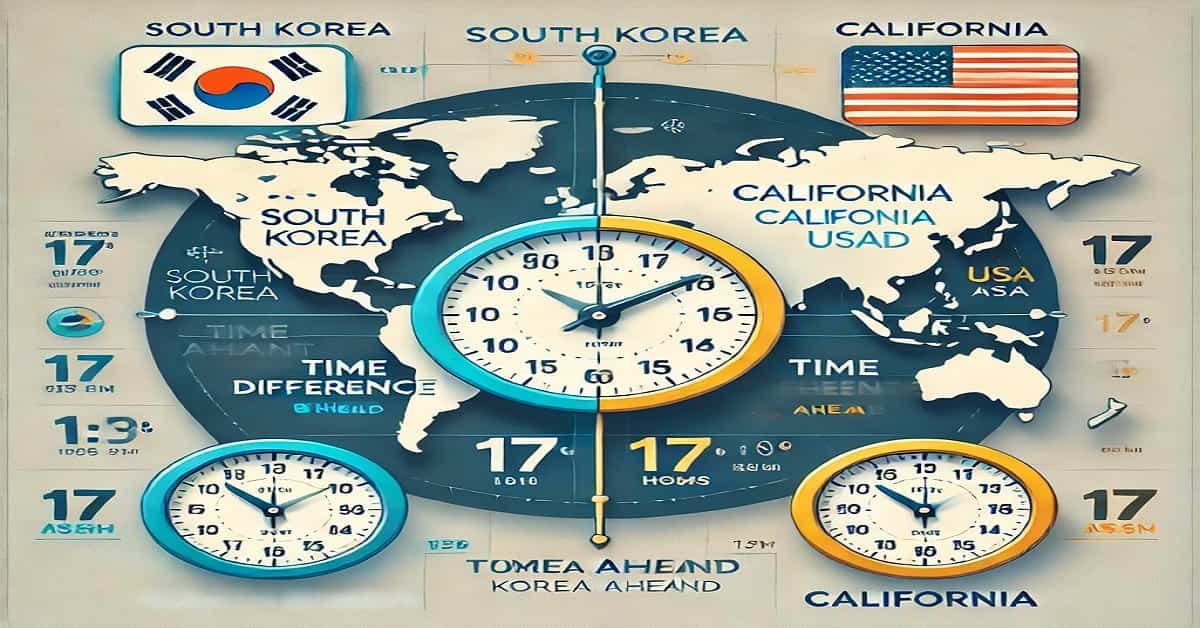
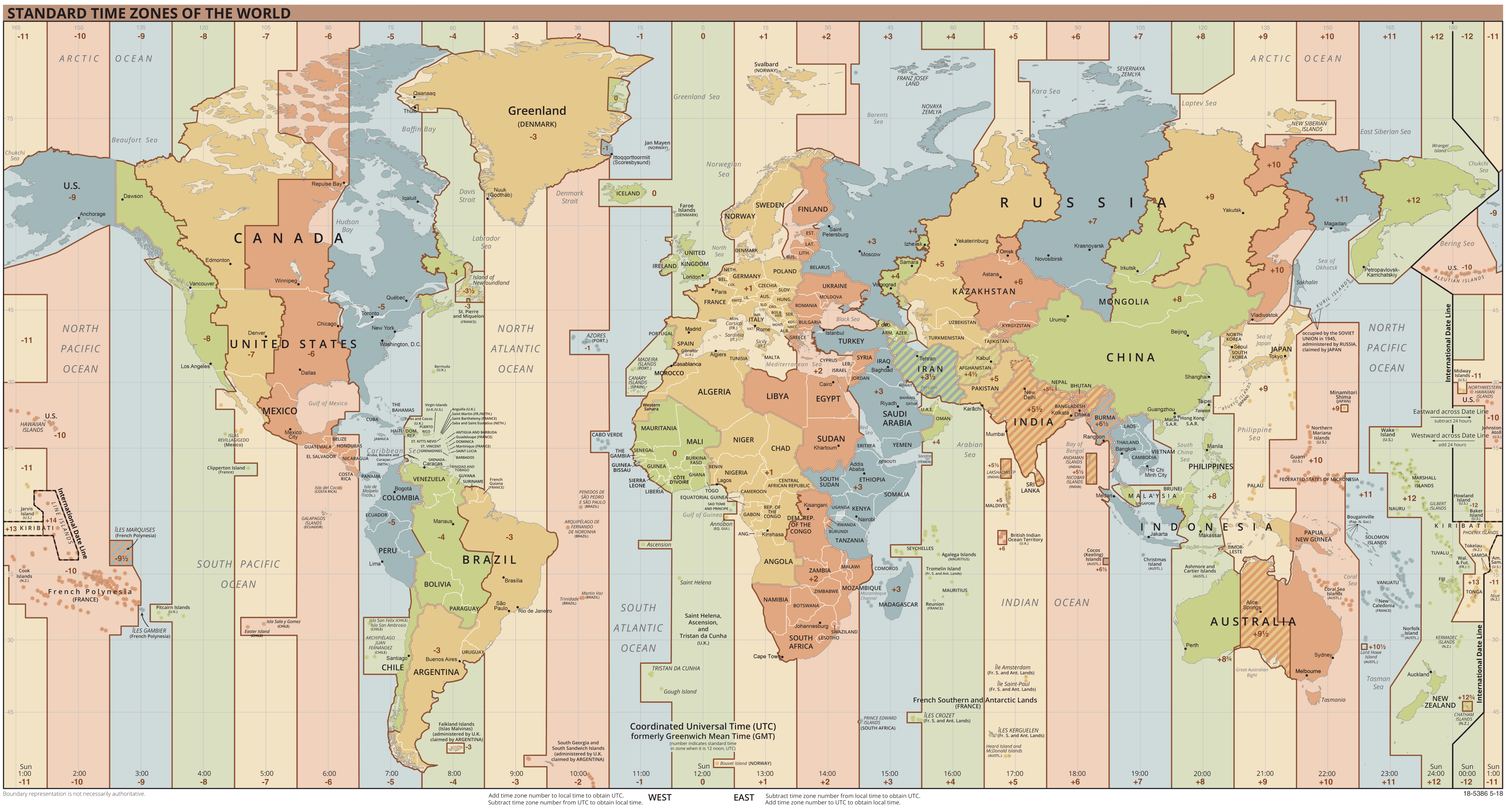
Time zones are typically measured in relation to Coordinated Universal Time (UTC), which serves as the primary time standard by which the world regulates clocks and time. It is a successor to Greenwich Mean Time (GMT) and is based on atomic clocks. Regions to the east of the prime meridian (0° longitude) have positive UTC offsets, meaning their time is ahead of UTC, while regions to the west have negative offsets, indicating they are behind UTC. The vast distance between California on the western coast of North America and Korea in East Asia spans a significant number of these time zones, necessitating a large temporal adjustment.
Korea Standard Time (KST) Defined
Korea observes a single time zone across the entire nation, known as Korea Standard Time (KST). This time zone is fixed at UTC+9. Unlike many other countries, Korea does not observe Daylight Saving Time (DST), meaning its offset from UTC remains constant throughout the year. This consistency simplifies calculations from Korea’s perspective, though it adds a variable when comparing with regions that do adjust for DST.
Pacific Standard Time (PST) and Pacific Daylight Time (PDT) in California
California, like much of the United States, observes Daylight Saving Time (DST). This means that its time offset changes depending on the time of year.
- Pacific Standard Time (PST): During the winter months (typically from early November to mid-March), California operates on PST, which is UTC-8.
- Pacific Daylight Time (PDT): During the summer months (from mid-March to early November), California switches to PDT, which is UTC-7.
This shift is crucial when calculating the time difference, as it introduces a one-hour variance depending on whether California is observing standard or daylight time.
Calculating the Time Difference: A Practical Guide for Travelers
The precise number of hours Korea is ahead of California depends on the time of year due to California’s observance of Daylight Saving Time (DST). The fundamental calculation involves finding the difference between their respective UTC offsets.
Direct Calculation: KST vs. PST
When California is on Pacific Standard Time (PST) (UTC-8):
- KST (UTC+9) – PST (UTC-8) = 9 – (-8) = 17 hours.
- Therefore, during PST, Korea is 17 hours ahead of California.
Accounting for Daylight Saving Time (DST)
When California is on Pacific Daylight Time (PDT) (UTC-7):
- KST (UTC+9) – PDT (UTC-7) = 9 – (-7) = 16 hours.
- Therefore, during PDT, Korea is 16 hours ahead of California.
This means that depending on the season, when you call home to California from Seoul, or vice-versa, the time difference can shift by an hour. This small change can make a big difference in scheduling.
Real-World Examples: When It’s Noon in Seoul
To put this into perspective, let’s consider some practical examples:
-
During California’s PST period (e.g., January):
- If it’s 12:00 PM (noon) on Tuesday in Seoul, Korea (Tuesday, 12:00 KST), then in Los Angeles, California, it would be 7:00 PM on Monday (Monday, 7:00 PM PST).
- This demonstrates that Korea is not only significantly ahead in hours but also often a full day ahead due to crossing the International Date Line.
-
During California’s PDT period (e.g., July):
- If it’s 12:00 PM (noon) on Tuesday in Seoul, Korea (Tuesday, 12:00 KST), then in San Francisco, California, it would be 8:00 PM on Monday (Monday, 8:00 PM PDT).
- Again, the day difference is crucial for scheduling.
Understanding this daily shift is vital for travelers. A flight departing California on a Monday evening might land in Korea on Wednesday morning, effectively “losing” a day.
Navigating Jet Lag: Strategies for Seamless Travel
The substantial time difference of 16 or 17 hours between California and Korea makes jet lag almost inevitable for most travelers. Jet lag, or desynchronosis, is a temporary sleep disorder caused by traveling rapidly across multiple time zones. However, with strategic planning, its effects can be significantly mitigated.
Pre-Departure Adjustments
- Gradual Shift: A few days before your flight, gradually adjust your sleep schedule by going to bed and waking up an hour or two earlier each day if traveling eastbound (to Korea). This pre-adjustment helps ease your body into the new rhythm.
- Hydration and Nutrition: Start hydrating well in advance and maintain a balanced diet. Avoid heavy, fatty foods, excessive caffeine, and alcohol, as these can exacerbate jet lag symptoms.
- Set Your Watch: Upon boarding your flight, immediately set your watch to Korean time. This mental adjustment helps you begin adapting to your destination’s schedule.
In-Flight Techniques
- Sleep Strategically: Try to sleep on the plane when it would be nighttime at your destination. Noise-canceling headphones, an eye mask, and a neck pillow can greatly improve sleep quality.
- Stay Hydrated: The dry cabin air can cause dehydration, which worsens jet lag. Drink plenty of water and avoid alcohol and caffeine during the flight.
- Move Around: Long flights mean prolonged sitting. Get up and walk around the cabin regularly, or perform in-seat stretches to promote circulation and reduce stiffness.
- Light Exposure: If possible, try to get some exposure to natural light if it’s daytime at your destination, or block out light if it’s nighttime.
Post-Arrival Acclimatization
- Embrace Local Time Immediately: The most critical step is to adapt to the local schedule as soon as you arrive. If it’s daytime, resist the urge to nap (or keep naps very short, under 30 minutes). If it’s nighttime, try to go to bed at a reasonable local hour, even if you don’t feel tired.
- Seek Sunlight: Natural light is a powerful regulator of your circadian rhythm. Spend time outdoors during the day to signal to your body that it’s daytime.
- Stay Active: Gentle exercise can help reset your body clock and boost energy levels. A walk through a local park or neighborhood is a great way to explore and combat fatigue.
- Mindful Eating: Eat meals according to local meal times. This helps further align your internal clock with the new schedule. Avoid heavy meals close to bedtime.
- Avoid Over-Scheduling: Give yourself a day or two to adjust before diving into a packed itinerary. Listen to your body and allow for periods of rest.
Beyond Time: Travel Planning Considerations for Korea
While time difference is a significant factor, a journey to Korea from California involves a host of other considerations that contribute to a smooth and enjoyable experience.
Flight Durations and Stopovers
Direct flights from major California cities like Los Angeles or San Francisco to Seoul typically range from 10 to 12 hours. However, factoring in check-in, boarding, and the substantial time zone change, the entire travel day can feel much longer. Many travelers opt for non-stop flights to minimize layover complications, but flights with a single, well-timed stopover can sometimes offer a break or even be more economical. When planning, consider the total travel time in relation to your energy levels and desired arrival time in Korea. Remember that a flight departing late on a Monday will arrive Wednesday morning, effectively consuming two calendar days due to the International Date Line crossing.
Communication Challenges and Solutions
The 16-17 hour time difference makes real-time communication between Korea and California a logistical puzzle. When it’s morning in Seoul, it’s late afternoon or evening of the previous day in California. For business travelers, this means early morning or late evening calls from Korea to align with standard business hours in California. For leisure travelers, it translates to careful scheduling of calls with family and friends. Utilizing messaging apps that allow for asynchronous communication, or pre-scheduling specific call times, becomes essential.

Maximizing Your Korean Experience
Despite the initial challenges presented by the time difference, Korea’s rich cultural tapestry, futuristic cities, and stunning natural landscapes offer an unparalleled travel experience. By proactively addressing the time change and its effects, you can quickly immerse yourself in everything from the bustling markets of Seoul and the serene temples of Gyeongju to the vibrant nightlife and exquisite cuisine. Effective planning and a willingness to adapt will ensure that your journey from California to Korea is not just a trip across time zones, but a truly memorable adventure.
LifeOutOfTheBox is a participant in the Amazon Services LLC Associates Program, an affiliate advertising program designed to provide a means for sites to earn advertising fees by advertising and linking to Amazon.com. Amazon, the Amazon logo, AmazonSupply, and the AmazonSupply logo are trademarks of Amazon.com, Inc. or its affiliates. As an Amazon Associate we earn affiliate commissions from qualifying purchases.