
Navigating the Golden State presents a myriad of opportunities for exploration, from the sun-drenched beaches of Southern California to the towering redwoods of the north. However, like any vast and diverse region, California is often the subject of discussions surrounding safety and crime statistics. For travelers considering their next destination, understanding which urban centers might present more challenges is a responsible approach to planning a trip. This analysis aims to shed light on cities that, based on available data, have historically reported higher crime rates, offering insights for those who prioritize safety in their travel decisions.
Understanding Crime Statistics and Their Nuances
When discussing the “most dangerous” city, it’s crucial to approach the topic with a nuanced understanding of how crime statistics are compiled and interpreted. Several key factors influence these figures and their perception:
Data Sources and Methodologies
The primary sources for crime data in California are typically the California Department of Justice (DOJ) and the Federal Bureau of Investigation (FBI). These agencies collect data on various crime categories, including violent crimes (homicide, rape, robbery, aggravated assault) and property crimes (burglary, larceny-theft, motor vehicle theft).
It’s important to note that:
- Reporting Variations: Not all crimes are reported to the police. Victimization surveys can offer a broader picture, but official statistics rely on reported incidents.
- Population Density: Larger, more densely populated cities often have higher absolute numbers of crimes simply due to the sheer volume of people. Crime rates per capita are a more useful metric for comparison.
- Focus on Violent Crime: When discussions turn to “dangerous,” the focus often sharpens on violent crime rates, as these directly impact personal safety.
Crime Rates vs. Absolute Numbers
A city with a large population might have a higher total number of crimes than a smaller city. However, when adjusted for population size (i.e., crime rate per 100,000 residents), the smaller city might actually appear more dangerous. For instance, a city of 1 million people with 1,000 homicides has a rate of 100 per 100,000. A city of 100,000 people with 150 homicides has a rate of 150 per 100,000, making it statistically more dangerous in terms of homicide.
The Temporal Aspect
Crime statistics are snapshots in time. A city that may have had a high crime rate in a previous year might have implemented successful crime reduction strategies and seen improvements. Conversely, a city with a historically low crime rate could experience an uptick. Therefore, relying on the most recent available data is essential.
Cities Frequently Cited in Crime Discussions
While specific rankings can fluctuate annually and depend on the exact metrics used, several cities in California have, at various points, been cited in discussions about higher crime rates. It is crucial to approach these discussions with the understanding that these statistics represent broader trends and not necessarily individual experiences in every neighborhood.
Los Angeles County
Los Angeles County, the most populous county in the United States, encompasses a wide array of cities with diverse socio-economic profiles and, consequently, varying crime rates.
- Los Angeles City: As a sprawling metropolis, Los Angeles experiences a significant volume of crime. Certain areas within the city have historically reported higher rates of both violent and property crime. Travelers should research specific neighborhoods they plan to visit.
- Long Beach: This major port city, often considered a part of the greater Los Angeles metropolitan area, has also seen periods with elevated crime statistics, particularly concerning property crime and some violent offenses.
- Compton: Historically, Compton has been associated with higher crime rates, a perception often linked to socio-economic challenges within the community.
The Bay Area
The economically vibrant but densely populated Bay Area also features cities that appear in crime analyses.
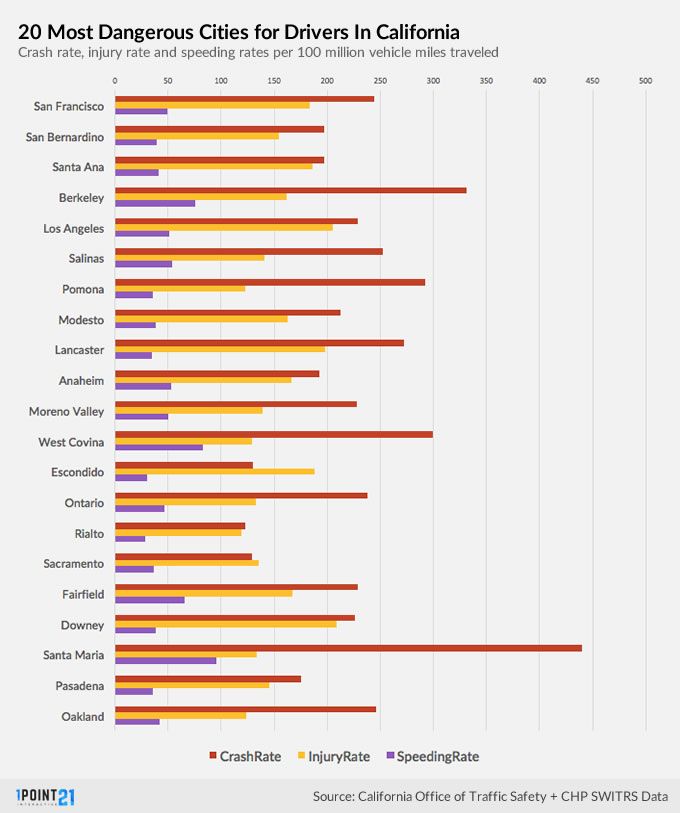
- Oakland: Situated across the bay from San Francisco, Oakland has frequently been highlighted for its higher rates of property crime, particularly car break-ins, and also struggles with violent crime in specific districts.
- San Francisco: While renowned for its iconic landmarks and cultural attractions, San Francisco has grappled with rising concerns about property crime, including widespread theft from vehicles, and an increase in homelessness which can sometimes correlate with certain types of public disorder.
Inland Empire and Other Regions
Beyond the major coastal hubs, other urban centers have also been noted in discussions of crime statistics.
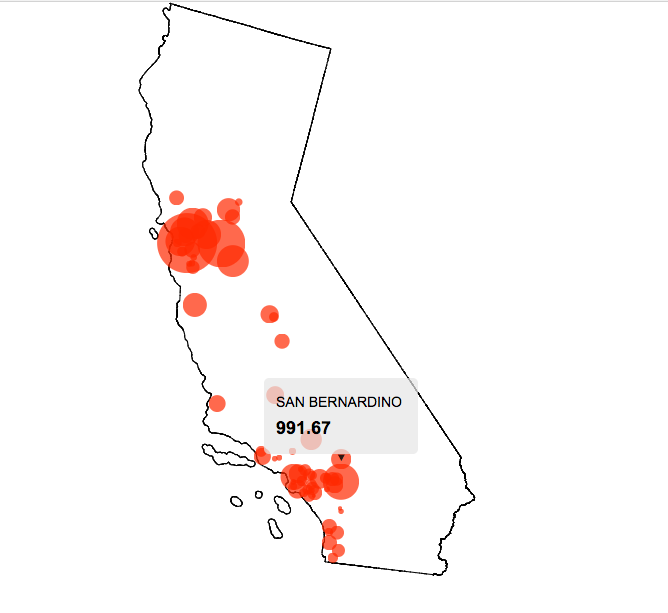
- San Bernardino: Located in the Inland Empire, San Bernardino has, in the past, reported statistics that place it among cities with higher crime rates, particularly violent crimes.
- Bakersfield: Situated in the southern Central Valley, Bakersfield has also appeared in discussions regarding higher crime figures, especially concerning violent offenses.
- Stockton: This city in the Central Valley has, at various times, been identified in reports analyzing crime trends, often featuring higher rates of violent crime.
Factors Contributing to Crime Rates
Understanding the statistics is one part of the picture. The underlying socio-economic and environmental factors that contribute to crime rates are also critical for a comprehensive view.
Socio-Economic Factors
- Poverty and Unemployment: Studies consistently show a correlation between high poverty rates, lack of economic opportunity, and increased crime. Cities struggling with these issues often face greater challenges in maintaining public safety.
- Education Levels: Access to quality education and higher educational attainment are often linked to lower crime rates.
- Housing Instability and Homelessness: Rapid increases in housing costs and homelessness can strain social services and sometimes contribute to public disorder and increased petty crime in affected areas.
Urban Development and Community Engagement
- Neighborhood Design: Urban planning, including factors like street lighting, visible public spaces, and community gathering points, can influence perceived and actual safety.
- Community Policing and Social Programs: The presence of effective community policing initiatives, alongside robust social programs addressing root causes of crime (e.g., youth outreach, job training), can significantly impact local safety.
- Enforcement Strategies: The nature and focus of law enforcement efforts can also play a role in crime statistics, though their impact is complex and debated.
Travel Tips for Enhanced Safety
For any traveler, regardless of destination, adopting a proactive approach to safety is always advisable. When visiting California, or any new place, consider these general tips:
Research Your Destination Thoroughly
- Neighborhood Specifics: Go beyond city-wide statistics. Research the specific neighborhoods within a city where you plan to stay, dine, or visit attractions. Many cities have significant variations in safety from one district to another.
- Local News and Forums: Read local news outlets and online forums to get a sense of current local issues and safety concerns.
Practice Situational Awareness
- Be Alert: Pay attention to your surroundings, especially in crowded areas or at night. Avoid distractions like constantly looking at your phone.
- Trust Your Instincts: If a situation or area feels unsafe, it’s best to leave.
- Avoid Risky Behavior: Do not wander into poorly lit or unfamiliar areas late at night. Be cautious about displaying expensive jewelry or electronics.
Secure Your Belongings
- Valuables: Keep valuables out of sight, both in your hotel room and in your car.
- Vehicle Safety: Never leave anything of value visible in your car. Lock your doors and windows, even when briefly stepping away. Be aware of areas with a high incidence of car break-ins.

Utilize Resources
- Official Travel Advisories: Consult any travel advisories issued by your home country’s government for California.
- Local Law Enforcement: Inquire with your hotel’s concierge or local tourist information centers for any specific safety advice relevant to the immediate area.
While discussions about the “most dangerous” cities in California are often based on statistical data, it is vital to remember that these figures represent broad trends. Millions of tourists visit California every year without incident, enjoying the state’s diverse attractions. By staying informed, practicing common-sense precautions, and conducting targeted research on specific locations, travelers can ensure a safe and enjoyable experience across the Golden State. The vast majority of visits to any California city are pleasant and uneventful, allowing visitors to focus on the unique experiences each destination offers.
LifeOutOfTheBox is a participant in the Amazon Services LLC Associates Program, an affiliate advertising program designed to provide a means for sites to earn advertising fees by advertising and linking to Amazon.com. Amazon, the Amazon logo, AmazonSupply, and the AmazonSupply logo are trademarks of Amazon.com, Inc. or its affiliates. As an Amazon Associate we earn affiliate commissions from qualifying purchases.