
The allure of Hawaii, with its sun-drenched beaches, volcanic landscapes, and vibrant Polynesian culture, beckons travelers from across the globe. But for many, the first question that arises when planning a dream vacation to the Aloha State is a fundamental one: How far away is Hawaii? This isn’t just a simple mileage query; it touches upon travel time, time zone differences, and the overall journey experience. Understanding the distance is crucial for effective planning, from booking flights to packing the right attire and preparing for the shift in time.
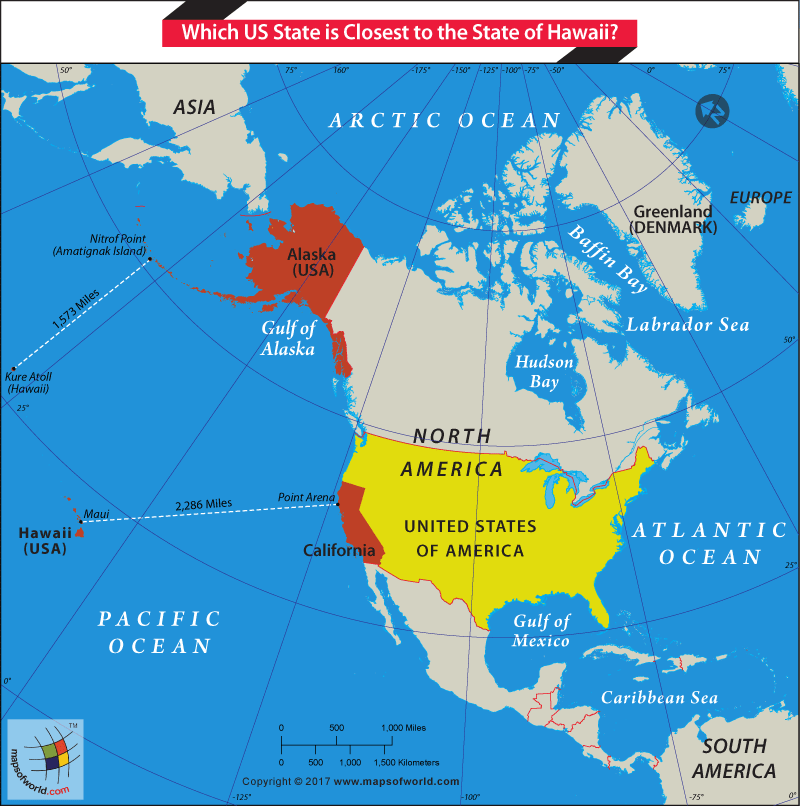
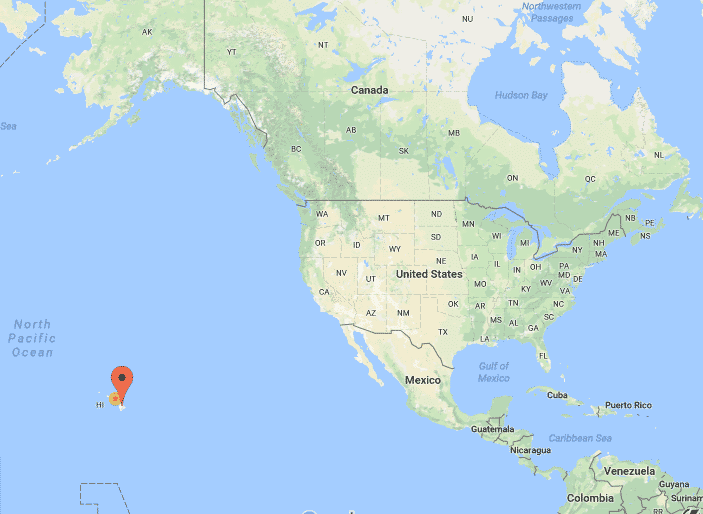
Hawaii’s geographical isolation in the vast Pacific Ocean contributes significantly to its unique appeal, but it also means that reaching its shores involves a substantial journey for most visitors, particularly those from the United States mainland and Europe. The answer to “How far away is Hawaii?” depends entirely on your starting point.
Bridging the Pacific: Distance and Travel Times
The sheer expanse of the Pacific Ocean plays a significant role in how we perceive the distance to Hawaii. While it might seem like a hop across a pond from the West Coast of the United States, it’s a considerable flight for those coming from further afield.
From the United States Mainland
For residents of the United States, the distance to Hawaii varies considerably depending on which coast you’re departing from.
-
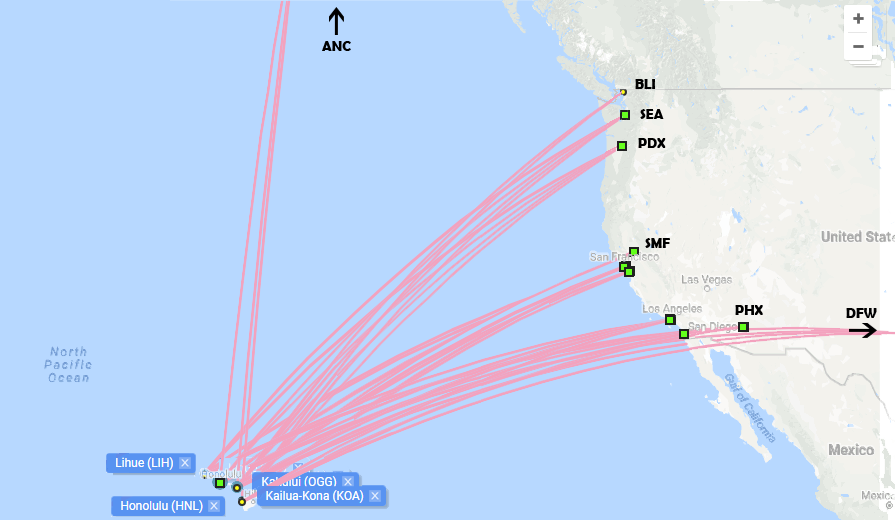
West Coast (e.g., Los Angeles, San Francisco, Seattle): Flights from major West Coast cities are the shortest. You can expect a non-stop flight to Honolulu International Airport on Oahu to be approximately 5 to 6 hours. This makes Hawaii feel relatively accessible for a spontaneous getaway or a shorter vacation for those living in California, Oregon, or Washington. The time difference here is a manageable 3 hours behind Hawaii.
-
Mountain Time Zone (e.g., Denver, Salt Lake City): Journeys from this region are longer, typically requiring flights with a stopover, often on the West Coast. A flight from Denver to Honolulu might take around 8 to 10 hours, including layover time. The time difference is 2 hours behind Hawaii.
-
Central Time Zone (e.g., Chicago, Dallas, Houston): Traveling from the central parts of the United States involves a more significant commitment. Flights usually involve at least one stop, and the total travel time can range from 9 to 12 hours. The time difference here is 1 hour behind Hawaii.
-
East Coast (e.g., New York, Miami, Boston): For those on the East Coast, Hawaii is a substantial distance away. Non-stop flights are rare, and most journeys involve one or two stops. The total travel time can easily reach 10 to 14 hours, sometimes even longer depending on the layover. The time difference is a considerable 6 hours behind Hawaii, meaning you’ll gain significant daylight hours during your journey eastward.
From Canada
-
Western Canada (e.g., Vancouver, Calgary): Similar to the US West Coast, flights from cities like Vancouver to Honolulu are relatively direct and can take around 5 to 6 hours. Time differences are comparable to the US West Coast.
-
Eastern Canada (e.g., Toronto, Montreal): Travelers from Eastern Canada will face longer travel times, often with a stop in the US West Coast or a major US hub. Expect travel durations of 9 to 13 hours. The time difference will also be more pronounced, similar to the US East Coast.
From Europe
The distance from Europe to Hawaii is considerable, making it a destination for those planning extended trips or seeking a truly transformative travel experience.
-
London: Flights from London to Honolulu typically involve at least one, and often two, stops. Common layover points include cities on the US West Coast like San Francisco or Los Angeles, or sometimes even Chicago or New York. The total travel time can range from 15 to 20 hours or more. The time difference is a significant 16 hours behind Hawaii.
-
Paris: Similar to London, journeys from Paris will involve multiple stops and long travel durations, generally between 15 and 20 hours. The time difference is also 16 hours behind Hawaii.
-
Berlin: From Berlin, the travel time is comparable, with flights often routing through US hubs. Expect travel durations of 16 to 22 hours. The time difference is also 16 hours behind Hawaii.
-
Other European Cities: Travel times and time zone differences will vary based on the specific starting point and flight routes, but the general pattern remains: a long journey with at least one stopover is the norm, and the time difference is substantial.
From Australia and New Zealand
-
Sydney: Flights from Sydney to Honolulu are more direct than from Europe or the eastern United States. You can expect a flight time of around 9 to 10 hours. The time difference is a manageable 4 hours ahead of Hawaii.
-
Auckland: From Auckland, the flight to Honolulu is also relatively direct, taking approximately 9 to 10 hours. The time difference is 3 hours ahead of Hawaii.
Navigating the Time Zones: Adjusting to Island Time
One of the most significant aspects of traveling to Hawaii is the time difference. The Hawaiian Islands observe Hawaii Standard Time (HST), which does not recognize daylight saving time. This means that during the periods when other parts of the United States adjust their clocks, the difference between Hawaii and the mainland can change.
-
Pacific Time Zone: Hawaii is 3 hours behind the Pacific Time Zone (PST/PDT). When it’s 9 AM in Los Angeles, it’s 6 AM in Honolulu.
-
Mountain Time Zone: Hawaii is 2 hours behind the Mountain Time Zone (MST/MDT). When it’s 9 AM in Denver, it’s 7 AM in Honolulu.
-
Central Time Zone: Hawaii is 1 hour behind the Central Time Zone (CST/CDT). When it’s 9 AM in Chicago, it’s 8 AM in Honolulu.
-
Eastern Time Zone: Hawaii is 6 hours behind the Eastern Time Zone (EST/EDT). When it’s 9 AM in New York, it’s 3 AM in Honolulu.
-
Europe: The time difference from Europe is substantial. For example, when it’s 9 AM in London (GMT/BST), it’s 11 PM the previous day in Honolulu (HST). This significant shift requires careful consideration for scheduling, especially for international calls or business meetings.
-
Australia and New Zealand: The time difference is reversed. When it’s 9 AM in Sydney (AEDT), it’s 4 PM the previous day in Honolulu (HST). From Auckland, when it’s 9 AM (NZDT), it’s 5 PM the previous day in Honolulu.
This time zone difference is often referred to as “island time” – a gentle reminder to slow down and embrace the relaxed pace of life in Hawaii. However, for the initial days of your trip, be mindful of this shift, as it can affect your sleep patterns and energy levels.
Planning Your Hawaiian Adventure: Beyond the Miles
Understanding the distance and time zone differences is the first step in planning your Hawaiian adventure. The Hawaiian Islands offer a diverse range of experiences across its distinct islands, each with its own charm and attractions.
Island Hopping: A World of Variety
Hawaii is an archipelago comprising eight major islands, but only six are regularly visited by tourists:
-
Oahu: Home to Honolulu and the iconic Waikiki Beach, Oahu offers a mix of bustling city life, historical landmarks like Pearl Harbor, and world-class surfing at the North Shore. It’s often the entry point for international travelers due to Honolulu International Airport.
-
Maui: Known as the “Valley Isle,” Maui is famous for its stunning beaches, the scenic Road to Hana, and the dormant volcano Haleakalā. It’s a popular choice for honeymooners and those seeking romantic escapes and luxurious resorts like the Grand Wailea, A Waldorf Astoria Resort.
-
Kauai: The “Garden Isle,” Kauai is renowned for its dramatic natural beauty, including the breathtaking Nā Pali Coast and the lush Waimea Canyon. It’s ideal for nature lovers and adventure seekers.
-
The Big Island (Hawaii Island): This island is geographically the most diverse, featuring active volcanoes at Hawaii Volcanoes National Park, black sand beaches, and lush rainforests. It offers a unique opportunity to witness geological wonders.
-
Lanai: A more secluded and luxurious destination, Lanai offers upscale resorts and a tranquil escape from the crowds.
-
Molokai: This island retains a strong sense of local culture and offers a glimpse into traditional Hawaiian life, with fewer tourist amenities.
When considering how far away Hawaii feels, think about the type of experience you desire. If you’re looking for a quick getaway from the West Coast, a week on Oahu might suffice. However, for those undertaking longer journeys from Europe or the East Coast, it’s often advisable to plan for a longer stay to fully appreciate the islands and justify the travel time and cost.
Accommodation and Experiences
The vastness of the journey can also influence your accommodation choices and the types of experiences you seek. For shorter stays, you might opt for a well-located hotel in Waikiki, such as the Hyatt Centric Waikiki Beach, for easy access to attractions. For longer, more immersive trips, you might consider renting a villa or apartment, allowing for a more local lifestyle.
From exploring the historical significance of Iolani Palace on Oahu to witnessing the raw power of nature at Hawaii Volcanoes National Park on the Big Island, or indulging in the serene luxury of resorts like Four Seasons Resort Maui at Wailea, Hawaii offers a spectrum of experiences. The distance you travel will often dictate how much of this diverse offering you can comfortably embrace.
Ultimately, “How far away is Hawaii?” is a question answered not just by miles but by the willingness to embark on an unforgettable journey. Whether it’s a few hours or a full day of travel, the reward is an encounter with a destination that captivates the senses and rejuvenates the soul.
LifeOutOfTheBox is a participant in the Amazon Services LLC Associates Program, an affiliate advertising program designed to provide a means for sites to earn advertising fees by advertising and linking to Amazon.com. Amazon, the Amazon logo, AmazonSupply, and the AmazonSupply logo are trademarks of Amazon.com, Inc. or its affiliates. As an Amazon Associate we earn affiliate commissions from qualifying purchases.