
The California Roll is more than just a popular sushi item; it’s a global culinary phenomenon that bridges cultures, caters to diverse palates, and has become an indispensable part of the modern lifestyle, particularly for travelers and food enthusiasts. This iconic roll, known for its vibrant colors and approachable flavors, embodies a fascinating journey from its enigmatic origins to its current status as a worldwide staple. For those exploring new destinations, seeking authentic experiences, or simply enjoying the comforts of a luxurious stay, understanding the story behind the California Roll offers a unique lens through which to appreciate global cuisine and its profound impact on travel and hospitality. It represents innovation, adaptation, and the universal appeal of good food, making it a perfect subject for those who live life out of the box.

Unpacking the Culinary Diplomacy: The California Roll’s Global Journey
The narrative of the California Roll is a testament to culinary diplomacy, showcasing how a dish can transcend borders and become a beloved part of various cultures. Its story is deeply intertwined with the development of fusion cuisine and the increasing globalization of food, influencing how we perceive traditional dishes and the exciting possibilities of culinary innovation. This journey is not just about ingredients; it’s about cultural exchange, entrepreneurial spirit, and the evolving tastes of an increasingly adventurous global population.
Humble Beginnings: A Tale of Two Coasts
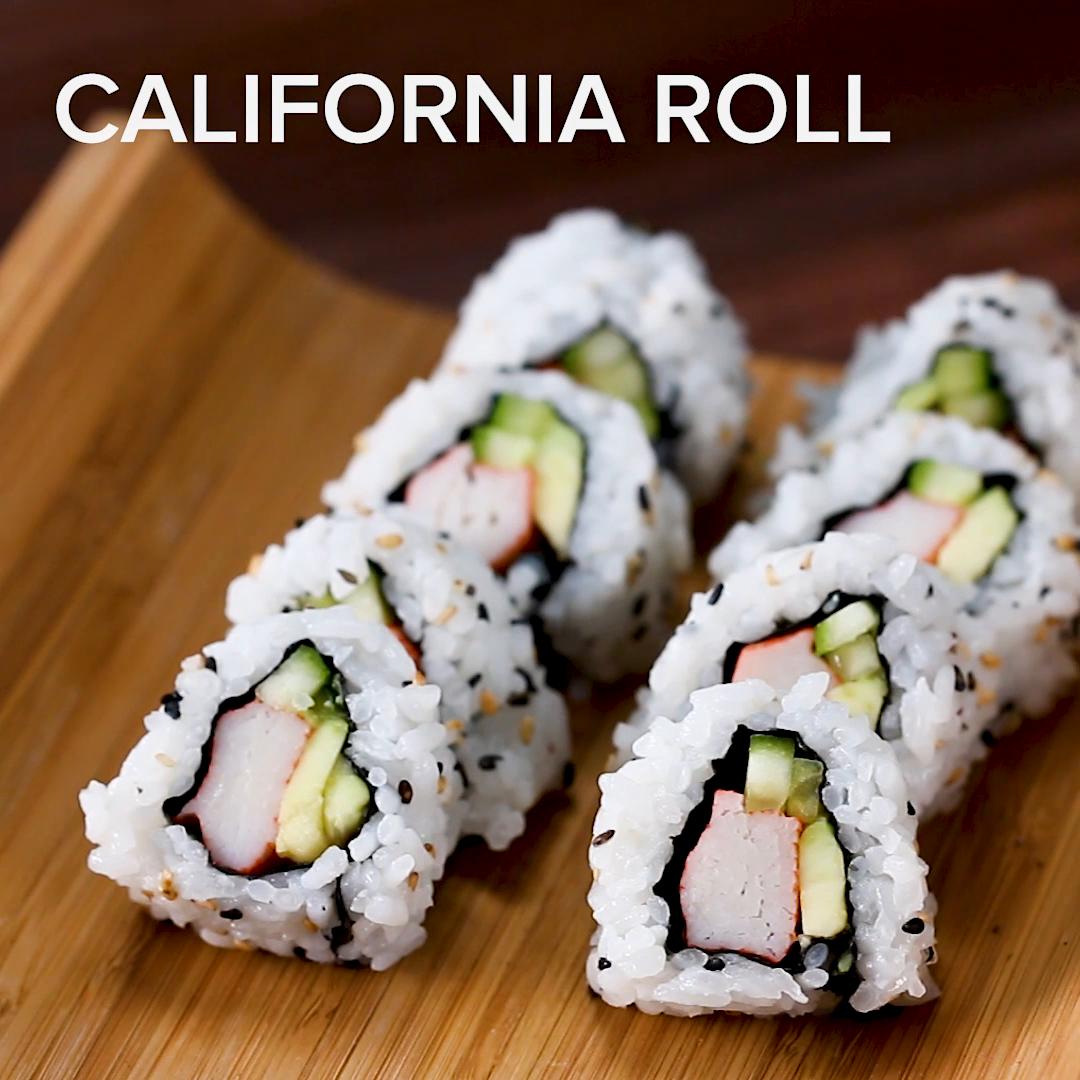
The true origin of the California Roll is a delightful culinary mystery, with claims emerging from both Los Angeles, California, in the United States, and Vancouver, Canada. One popular theory attributes its creation to Chef Ichiro Mashita at the Tokyo Kaikan restaurant in Little Tokyo, Los Angeles, in the late 1960s or early 1970s. Faced with customers unaccustomed to the texture of raw fish or the dark seaweed (nori) on the outside, Chef Mashita innovated. He replaced the traditional tuna with cooked crab meat (or imitation crab), added creamy avocado and crisp cucumber, and inverted the roll, placing the rice on the outside. This bold move made sushi more approachable to the American palate, effectively removing the visual and textural barriers that deterred many newcomers. The avocado, a staple of California agriculture, lent the roll its name, cementing its connection to the Golden State.
Another compelling claim suggests the roll was invented in Vancouver, Canada, by Chef Hidekazu Tojo at his restaurant, Tojo’s, in 1971. He called his creation the “Tojo-maki,” which also featured cooked crab, avocado, and other ingredients with the rice on the outside. While the exact genesis remains debated, both narratives highlight a crucial period of culinary experimentation in North America, driven by a desire to adapt traditional Japanese cuisine to local tastes. This innovation wasn’t just about food; it was about cross-cultural understanding and creating new experiences, a core component of modern tourism and lifestyle. The success of the California Roll paved the way for countless other fusion sushi rolls, transforming the landscape of sushi restaurants far beyond Japan’s shores. Travelers to Los Angeles or Vancouver today can still explore the vibrant culinary scenes that fostered these innovations, often finding homages to these original creations in both high-end establishments and casual eateries.
Ingredients of Innovation: Deconstructing the Classic
At its heart, the California Roll is a study in complementary flavors and textures, designed to appeal to a broad audience. The primary components include:
- Seasoned Sushi Rice: The foundation of any sushi roll, typically short-grain rice seasoned with vinegar, sugar, and salt. For the California Roll, the rice is often on the outside, sprinkled with toasted sesame seeds or bright orange tobiko (flying fish roe), adding visual appeal and a delicate crunch.
- Imitation Crab Meat (Surimi): This is perhaps the most defining ingredient. Originally, fresh crab was used, but imitation crab became a more accessible and cost-effective substitute, contributing to the roll’s widespread affordability and popularity. Its mild, slightly sweet flavor is non-intimidating for those new to seafood.
- Avocado: The creamy, rich texture of ripe avocado is indispensable. It provides a luxurious mouthfeel and a subtle, buttery flavor that complements the other ingredients. Beyond taste, avocado offers healthy fats, aligning with contemporary lifestyle trends focused on wellness.
- Cucumber: Thinly sliced cucumber adds a refreshing crunch and a cool, crisp counterpoint to the richness of the avocado and crab. It also provides a beautiful green contrast within the roll.
- Nori (Seaweed): While traditionally on the outside, in a California Roll, the nori is typically tucked inside, wrapping around the fillings. This makes the roll less visually intimidating for those unfamiliar with seaweed’s dark appearance, yet still contributes its characteristic umami flavor and structural integrity.
Optional additions often include mayonnaise or spicy mayo for an extra layer of creaminess and flavor, and toasted sesame seeds or tobiko on the rice for added texture and visual flair. These ingredients, individually simple, combine to create a balanced and satisfying experience that has captivated taste buds across the globe. This careful selection of ingredients not only ensures a delightful meal but also offers a familiar and comforting option for travelers exploring diverse culinary landscapes, from the bustling street food markets of Asia to the refined dining rooms of European luxury hotels.
More Than Just Sushi: A Lifestyle and Travel Staple
The pervasive presence of the California Roll in menus worldwide speaks volumes about its adaptability and universal appeal. It has transcended its origins to become a true global citizen of cuisine, deeply influencing both travel experiences and modern lifestyle choices. For travelers, it represents a safe and delicious option; for locals, a convenient and often healthy meal. Its journey from a niche culinary experiment to a mainstream icon reflects broader trends in tourism and lifestyle.
The Traveler’s Delight: Finding California Rolls Abroad

For many international travelers, the California Roll serves as a familiar and comforting anchor in unfamiliar culinary waters. Whether you’re exploring the bustling streets of New York City, strolling through the historic alleys of London, or marveling at the futuristic skyline of Dubai, a California Roll is rarely far away. Its ubiquity makes it an excellent choice for those with dietary restrictions, picky eaters, or simply anyone seeking a reliable and tasty meal. From airport lounges to high-end hotel restaurants, its presence signifies a global understanding of what travelers seek: quality, convenience, and a touch of the familiar.
Consider a business traveler staying at a Grand Hyatt Hotel in Sydney, needing a quick yet satisfying lunch. The room service menu or hotel’s casual dining outlet will almost certainly feature a California Roll. Similarly, families on vacation across Europe or South America often find sushi restaurants, with the California Roll as a go-to option that pleases both adults and children. This widespread availability also means that exploring the local interpretation of the California Roll can itself be a mini-culinary adventure, reflecting regional tastes and available ingredients. In some places, it might feature locally sourced seafood; in others, unique seasonings. Its role in hospitality and tourism is undeniable, providing a consistent quality benchmark and a globally recognized culinary comfort zone.
Wellness, Convenience, and Culture: A Modern Lifestyle Choice
Beyond its travel appeal, the California Roll resonates deeply with several modern lifestyle trends.
Firstly, it aligns with the growing emphasis on wellness and healthy eating. Compared to many other fast-food options, a California Roll is relatively low in fat and calories, rich in protein, and offers fresh vegetables and healthy fats from avocado. This makes it a preferred choice for individuals conscious about their diet, whether they are fitness enthusiasts, busy professionals, or families seeking nutritious meal options. Its vibrant appearance also contributes to the “eat the rainbow” philosophy, making healthy eating visually appealing.
Secondly, its convenience factor is unparalleled. Pre-packaged California Rolls are readily available in supermarkets, delis, and airport kiosks, making them an ideal grab-and-go meal for those with busy schedules. This ease of access makes it a cornerstone of modern urban life, catering to the need for quick, satisfying, and relatively healthy food solutions. Whether it’s a quick office lunch, a picnic in a city park near a famous landmark, or a snack before a flight, the California Roll delivers.
Lastly, the California Roll has played a significant role in democratizing sushi culture. By offering a non-intimidating entry point to Japanese cuisine, it has encouraged countless individuals to explore more traditional and adventurous sushi dishes. It has fostered an appreciation for the art of sushi-making and the rich culinary heritage of Japan, often inspiring travelers to visit cities like Tokyo, Kyoto, or Osaka to experience authentic Japanese food culture firsthand. This cultural bridge makes it an interesting facet of food tourism, showcasing how a single dish can open doors to broader cultural understanding and exploration.
The Art of the Roll: Crafting Experience in Hospitality and Beyond
The California Roll’s presence extends deeply into the hospitality sector, from luxury resorts to specialized eateries, demonstrating its versatility and ability to fit into various dining environments. It’s not just about providing food; it’s about crafting an experience, reflecting the quality of accommodation, and embracing local culture through a globally recognized dish. This integration into diverse culinary settings highlights its significance in shaping modern dining experiences for both residents and visitors.
From Hotel Buffets to Boutique Eateries: Accommodation & Dining
The versatility of the California Roll makes it a perfect fit for a wide range of accommodation dining options. In many international hotels and resorts, particularly those catering to diverse travelers, the California Roll is a standard offering. At a luxurious Ritz-Carlton resort in the Caribbean, guests might find an exquisitely crafted California Roll on the poolside menu, featuring fresh local crab and perfectly ripe avocado, served alongside a bespoke cocktail. Similarly, a comprehensive buffet at a Four Seasons Resorts property might feature a dedicated sushi station where chefs prepare California Rolls on demand, providing both entertainment and a fresh, customizable meal.
Even more modest accommodations, such as a cozy Boutique Hotel Paradiso in Barcelona or a chic Urban Escape Lofts apartment in Berlin, might partner with local sushi establishments or offer pre-prepared rolls in their mini-bars or grab-and-go sections. This commitment to offering familiar and high-quality food options significantly enhances the guest experience, ensuring comfort and satisfaction regardless of their culinary adventurousness. For long-term stays or family trips, having such reliable options readily available can be a decisive factor in choosing accommodation, highlighting how the roll supports various travel lifestyles, from luxury to budget-conscious exploration. The presence of the California Roll is a subtle indicator of a hotel’s awareness of global culinary trends and its dedication to accommodating the international palate, enriching the overall travel experience for visitors exploring new cities and regions.
Experiencing Local Flavors Through a Global Lens
While the California Roll itself is a global dish, its widespread adoption also creates unique opportunities for experiencing local flavors. Many chefs around the world put their own spin on the classic, incorporating regional ingredients or culinary techniques. In coastal regions, you might find a “local catch California Roll” featuring fish unique to the Pacific Rim or the Mediterranean. In South America, some versions might include exotic fruits or a spicier kick, reflecting local taste preferences. These variations provide a fascinating cultural immersion, allowing travelers to taste local produce and flavors through the familiar framework of a California Roll.
Participating in local foodie tours can often reveal these creative adaptations, offering insights into how different cultures embrace and reimagine global dishes. It’s an example of “glocal” cuisine – thinking globally, acting locally. This fusion enhances the culinary tourism experience, providing a bridge between the comfort of the known and the excitement of the new. Whether you’re dining in a casual eatery near a bustling market or indulging in a multi-course meal at a Michelin Guide recommended restaurant, the journey of the California Roll reflects the dynamic interplay between tradition and innovation that defines global food culture today. It’s a reminder that even the simplest dishes can tell complex stories of migration, adaptation, and the universal language of delicious food, enriching every aspect of our travel and lifestyle explorations.
LifeOutOfTheBox is a participant in the Amazon Services LLC Associates Program, an affiliate advertising program designed to provide a means for sites to earn advertising fees by advertising and linking to Amazon.com. Amazon, the Amazon logo, AmazonSupply, and the AmazonSupply logo are trademarks of Amazon.com, Inc. or its affiliates. As an Amazon Associate we earn affiliate commissions from qualifying purchases.