
The Mississippi River is more than just a waterway; it is the lifeblood of the United States, a colossal artery that bisects the nation and shapes its geography, history, and ecology. Stretching from the cool, coniferous forests of Minnesota to the marshy deltas of the Gulf of Mexico, the river is a marvel of nature. Understanding its length requires looking past simple numbers to the complexities of hydrology and the sheer scale of the landscape it traverses.
The Source and the Serpent’s Path
The official journey of the Mississippi River begins in Itasca State Park, where the waters emerge from the modest, tranquil Lake Itasca. At this inception point, travelers can easily wade across the narrow, ankle-deep stream, unaware that this humble rivulet will grow into one of the most powerful river systems on the planet.

From Glacial Beginnings to Mighty Flow
The river meanders northward before turning south, picking up volume as it gathers tributaries from the vast interior plains. This initial stretch is characterized by serene woods and quiet wetlands, a sharp contrast to the industrial and commercial juggernaut the river becomes further downstream. As it flows through Bemidji and eventually past Minneapolis, the river gains momentum, shedding its quiet, stream-like demeanor for a wide, navigable channel.
Calculating the Distance
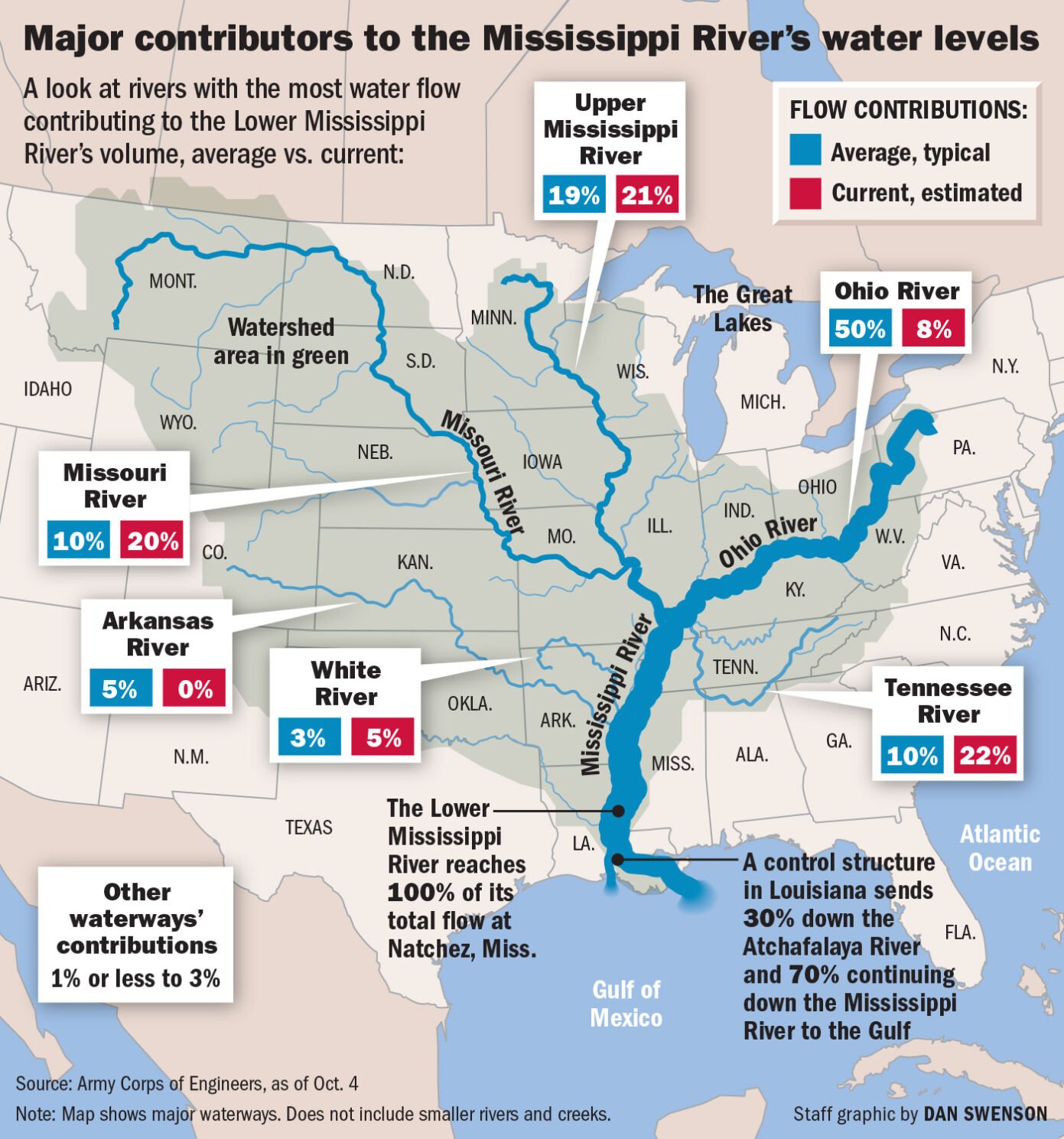
Geographers generally cite the length of the Mississippi River at approximately 2,340 miles (3,766 kilometers). However, this figure is a matter of constant debate. Because the river is a living, shifting entity, its path is subject to natural erosion, human-made channelization, and the seasonal flux of water. When considering the Missouri River—the Mississippi’s longest tributary—the combined system forms the Jefferson-Missouri-Mississippi river system, which ranks among the longest in the world, stretching over 3,700 miles.
The River’s Cultural Corridor
As the river leaves the northern states, it enters the heart of the American Midwest. This region has been shaped entirely by the presence of the water, which has served as a highway for trade, exploration, and cultural exchange for centuries.
The Gateway to the West
In St. Louis, the river is defined by the iconic Gateway Arch. This landmark commemorates the river’s historical role as the portal through which pioneers and traders traveled toward the western frontier. The Mississippi acted as the ultimate boundary between the established colonial east and the wild, unexplored west, making cities along its banks vital hubs of commerce and growth.

A Tapestry of Towns
Traveling down the river, one encounters a distinct evolution of culture. The architecture shifts from the rugged brickwork of St. Paul to the deep-south colonial influences of Natchez and Vicksburg. Each town along the banks offers a unique perspective on how life is anchored to the river’s rhythm. For those interested in the history of the river, visiting the battlefields of Mississippi or the bustling ports of Tennessee provides a profound look at how the river facilitated the rapid development of American industry.
The Ecology and Engineering of the Lower Mississippi
As the river nears the Deep South, its character changes once again. The banks grow wider, the current slows, and the surrounding landscape transforms into the humid, lush environments characteristic of the Louisiana bayous.
Managing the Beast
Human engineering has attempted to tame the Mississippi, primarily through the U.S. Army Corps of Engineers. Extensive levee systems, locks, and dams have been constructed to prevent the river from flooding its banks and to keep the channel open for the massive barges that transport grain, coal, and steel. This intervention has allowed cities like Baton Rouge and New Orleans to thrive, yet it also highlights the perpetual tension between human development and the untamable nature of the waterway.
The Delta and the Sea
The journey concludes as the river spreads out into the Mississippi River Delta, a labyrinthine network of wetlands and marshes that act as a buffer against the sea. Here, the river deposits the sediment it has carried for thousands of miles, creating fertile land that supports a unique ecosystem of migratory birds, aquatic life, and rare flora. Standing at the edge of the Plaquemines Parish, where the freshwater finally surrenders to the salt of the Atlantic Ocean via the gulf, one gains a true sense of the river’s gargantuan impact on the geography of the continent.
Experiencing the River Today
For the modern traveler, the Mississippi is more than a geographic feature; it is an invitation to explore. Whether by steamboat, car, or kayak, traversing the river’s length offers a view of America that is entirely different from the one seen from an interstate highway.
The River Road Experience
Driving the Great River Road allows visitors to trace the path of the river through ten different states. This scenic byway takes travelers through Illinois, Iowa, and Missouri, providing access to state parks, historic riverboat towns, and local festivals that celebrate the river’s heritage. It is a slow, reflective way to move through history, offering stops at antique shops in Galena or the vibrant blues clubs of Memphis.
Why the River Matters
The Mississippi River runs exactly as far as it needs to: from the quiet, hidden springs of the north to the powerful, expansive waters of the south. Its true length, however, is measured not in miles, but in the stories it has collected over millennia. It is a landmark of immense natural beauty, a silent witness to the rise of a nation, and a continuous, flowing journey that remains as captivating today as it was when the first explorers set eyes upon its wide, brown currents. To travel along the Mississippi is to witness the pulse of a continent, a reminder of how the land and water are irrevocably linked in a never-ending cycle of movement and renewal.
LifeOutOfTheBox is a participant in the Amazon Services LLC Associates Program, an affiliate advertising program designed to provide a means for sites to earn advertising fees by advertising and linking to Amazon.com. Amazon, the Amazon logo, AmazonSupply, and the AmazonSupply logo are trademarks of Amazon.com, Inc. or its affiliates. As an Amazon Associate we earn affiliate commissions from qualifying purchases.