
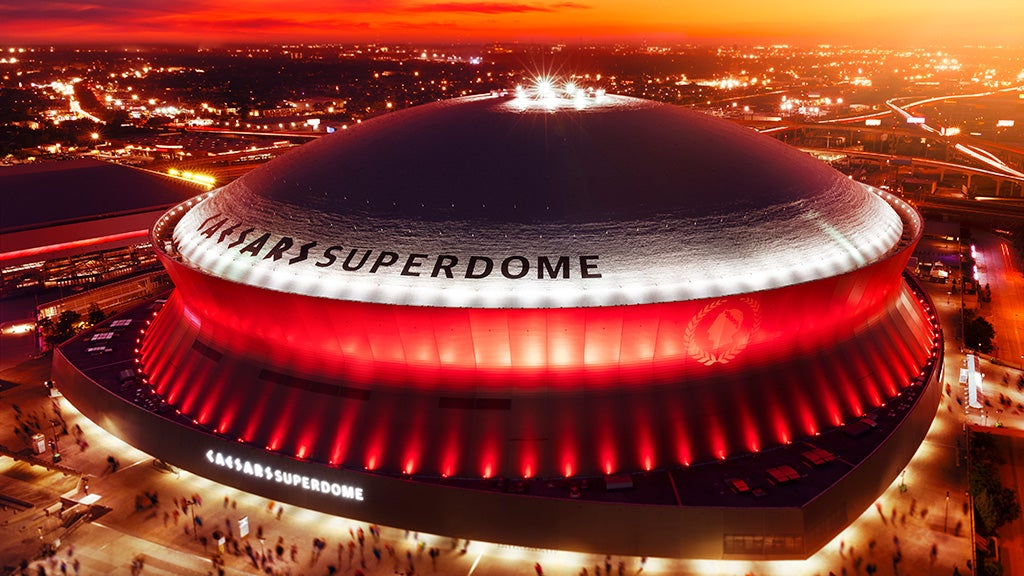
Rising above the skyline of New Orleans, the Caesars Superdome stands as a monumental testament to modern engineering and cultural endurance. Often simply referred to as the Superdome, this massive structure is much more than a stadium; it is a defining landmark of the American South. To understand who truly owns this iconic facility, one must delve into the complex intersection of state governance, public interest, and the evolving landscape of sports business.
The State Ownership Model
The Caesars Superdome is public property. Specifically, the facility is owned by the State of Louisiana. This ownership is facilitated through the Louisiana Stadium and Exposition District, a public body established to oversee the management and operation of the dome.

The Role of the LSED
The Louisiana Stadium and Exposition District acts as the primary governing authority. Created by the state legislature, this board is tasked with the stewardship of the venue to ensure it serves both the public interest and the commercial needs of the city. Because the facility is public property, its existence is inextricably linked to the fiscal policies and administrative priorities of Louisiana.
Management and Operational Partnerships
While the state maintains ownership, the daily operations are entrusted to ASM Global. This private entity manages the scheduling, maintenance, and event logistics of the venue. By utilizing a private management firm, the Louisiana Stadium and Exposition District balances public ownership with the efficiency and expertise required to host world-class events like the Super Bowl and major concert tours.
A Legacy of Architecture and History
The Caesars Superdome is not just a building; it is a feat of structural ingenuity. Opened in 1975, it was designed to be the crown jewel of New Orleans architecture, embodying the city’s ambition to remain a global destination for sports and entertainment.
Construction and Design
The structure is famously the largest fixed-dome building in the world. Its sheer volume and circular geometry allow it to dominate the local horizon. During its construction, architects focused on creating a versatile space that could transition between hosting the New Orleans Saints football games and hosting massive cultural exhibitions. This adaptability is part of what makes the landmark so vital to the United States.

Resilience After Disaster
The historical significance of the Caesars Superdome was solidified during the Hurricane Katrina crisis. As a site of refuge, the structure became a symbol of both the city’s vulnerability and its incredible capacity to recover. The subsequent multi-million dollar renovations served as a catalyst for urban renewal in New Orleans, proving that this publicly owned asset was the heart of the city’s post-storm resilience.
Commercial Evolution and Naming Rights
The question of “who owns” the stadium sometimes confuses observers because of the prominent commercial branding attached to the name. However, it is essential to distinguish between the ownership of the building and the rights to its name.
Defining Naming Rights
In 2021, the venue underwent a significant transition by entering into a long-term agreement with Caesars Entertainment. This deal, while lucrative for the Louisiana Stadium and Exposition District, does not constitute ownership. It is merely a contractual right to attach a brand name to the facility. This is a common practice in modern sports, where public venues leverage their visibility to offset maintenance costs and fund capital improvements.
Public-Private Synergy
The partnership between the State of Louisiana and corporate sponsors demonstrates a hybrid model of ownership. While the state retains the title and the ultimate decision-making power, the venue relies on private sector capital to remain competitive on a global stage. This synergy ensures that the Caesars Superdome continues to attract high-profile events that generate tax revenue and tourism dollars for the wider New Orleans economy.
The Future of the Landmark
Looking ahead, the Caesars Superdome remains a central pillar of Louisiana infrastructure. With ongoing modernization projects, the facility is being prepared to host future Super Bowl games and major international events, ensuring its relevance for decades to come.
Sustaining Public Interest
The future of the Caesars Superdome is tied to the public’s ongoing support. As a landmark, it relies on the consensus that it is an essential public utility. Future upgrades are funded through a combination of state capital outlay and partnerships, maintaining the delicate balance between the interests of the Louisiana Stadium and Exposition District and the fans who fill the seats.
A Cultural Icon
Whether you are visiting New Orleans for a game or to marvel at the sheer scale of the dome, it is worth remembering that you are interacting with a piece of property owned by the people of Louisiana. The Caesars Superdome serves as a reminder of how public architecture can define a city’s identity. From the early days of its construction to its status as a modernized sports hub, the dome remains an indelible part of the landscape, owned by the state but belonging, in spirit, to the culture of the region.
As the New Orleans Saints continue to take the field, the stadium stands as a monument to collective ownership, professional management, and the indomitable spirit of New Orleans. Visitors from across the United States and the world continue to flock to this landmark, drawn by the gravity of its history and the scale of its ambition. Its ongoing success as a venue confirms that the decision to keep this landmark under public stewardship was a vital move for the city’s long-term prosperity.
LifeOutOfTheBox is a participant in the Amazon Services LLC Associates Program, an affiliate advertising program designed to provide a means for sites to earn advertising fees by advertising and linking to Amazon.com. Amazon, the Amazon logo, AmazonSupply, and the AmazonSupply logo are trademarks of Amazon.com, Inc. or its affiliates. As an Amazon Associate we earn affiliate commissions from qualifying purchases.