
The allure of New Orleans is a powerful one, a vibrant tapestry woven with the threads of jazz music, Creole cuisine, and a history as rich and complex as a slow-cooked gumbo. For those in Atlanta, the question of how far this legendary city lies often sparks a desire for an adventure. While the physical distance is a straightforward metric, the journey from the Peach State to the Crescent City is one that can be measured not just in miles, but in experiences, cultural immersion, and the anticipation of what awaits.
This exploration delves into the practicalities of reaching New Orleans from Atlanta, covering the primary modes of transport and offering insights into making the most of your travel. We’ll touch upon the distance, estimated travel times, and factors that influence your journey, all while keeping in mind the diverse travel styles and interests that might lead you to embark on this trip. Whether you’re a budget-conscious student, a family seeking new horizons, or a luxury traveler craving a sophisticated escape, understanding the travel options is the first step to unlocking the magic of New Orleans.
Understanding the Distance and Travel Time
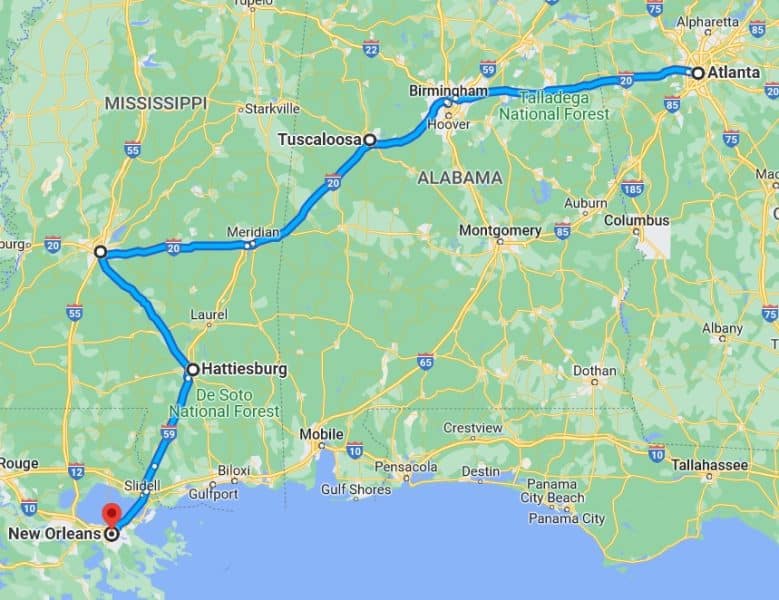
The most direct answer to “How far from Atlanta to New Orleans?” involves a look at the geographical separation. The driving distance between these two iconic Southern cities is approximately 470 miles. This number, however, only tells a fraction of the story. The actual travel time can vary significantly based on the chosen mode of transportation, traffic conditions, and the number of stops you choose to make along the way.
Driving: The Open Road Adventure
Embarking on a road trip from Atlanta to New Orleans offers a classic American travel experience. The primary route typically involves taking Interstate 20 West out of Atlanta, which eventually merges with Interstate 59 South. You’ll then transition to Interstate 10 West, the main artery that will carry you directly into New Orleans.
The estimated driving time without significant stops is generally between 7 and 8 hours. However, this is an optimistic figure that assumes ideal conditions. In reality, factors such as weekend traffic, construction zones, and the natural desire to stretch your legs or grab a bite can easily extend this to 9 or even 10 hours. For those who prefer to break up the journey, there are several towns and cities along the way that offer convenient overnight stops.
- Montgomery, Alabama: Roughly halfway between Atlanta and New Orleans, Montgomery is a city steeped in civil rights history. A stop here could include a visit to the Rosa Parks Museum or the Civil Rights Memorial Center.
- Mobile, Alabama: Situated closer to the Louisiana border, Mobile boasts a charming historic district, the USS Alabama Battleship Memorial Park, and a burgeoning culinary scene. It’s an excellent place to experience a bit of coastal charm before reaching the bayous.
When planning your drive, it’s crucial to factor in rest stops, potential delays, and the enjoyment of the journey itself. Many travelers opt to spread the drive over two days, allowing for more leisurely exploration of the towns and landscapes encountered en route. This approach not only breaks up the monotony of long-distance driving but also provides opportunities to discover hidden gems and local flavors that might otherwise be missed. Remember to check real-time traffic conditions before you depart and throughout your drive, especially as you approach the bustling metropolitan areas of New Orleans.
Flying: The Swift Aerial Route
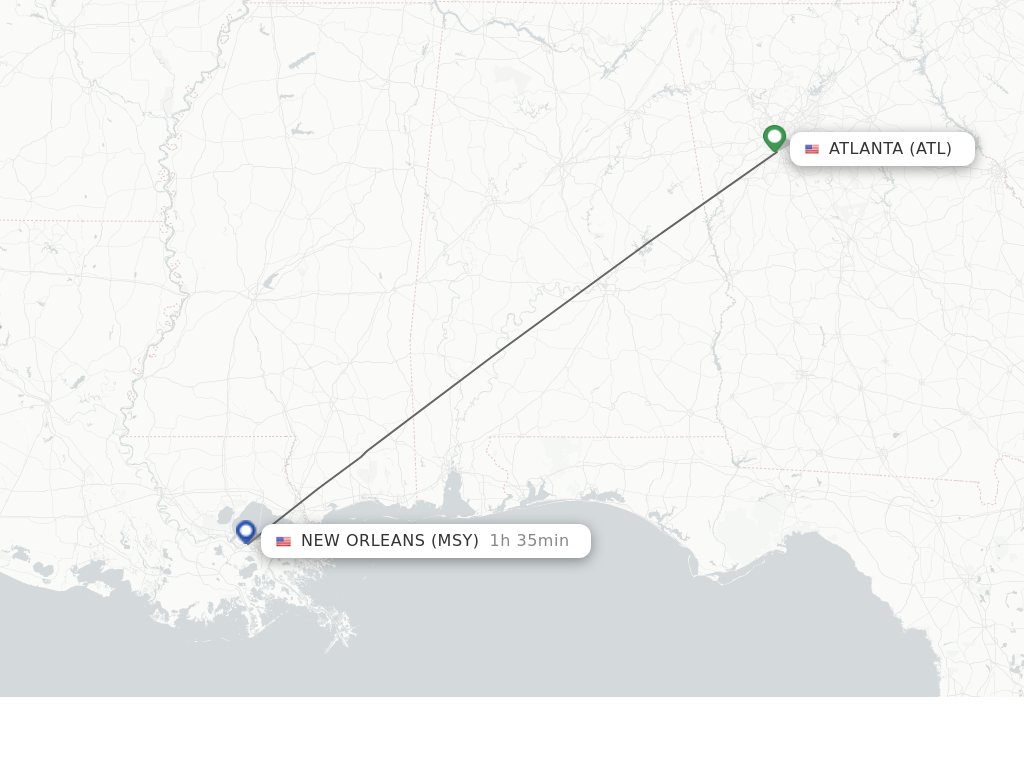
For those prioritizing speed and efficiency, flying from Atlanta to New Orleans is the most direct and often the most practical option. Hartsfield-Jackson Atlanta International Airport (ATL) is a major hub, offering numerous daily flights to Louis Armstrong New Orleans International Airport (MSY).
The flight itself is quite short, typically lasting around 1 hour and 15 minutes. However, it’s essential to consider the total travel time associated with air travel. This includes the time spent getting to Atlanta‘s airport, going through security, boarding the aircraft, the flight duration, deplaning, and then traveling from MSY into the heart of New Orleans. When all these elements are accounted for, the door-to-door travel time can range from 4 to 6 hours.
Several airlines operate this route, providing a range of pricing and schedule options. It’s advisable to book your flights in advance, especially during peak travel seasons or major events in New Orleans, to secure the best fares. Once you land at MSY, you have several options for reaching your accommodation:
- Taxis and Ride-Sharing Services: These are readily available outside the airport terminals and offer a convenient way to get to your hotel.
- Airport Shuttles: Several shuttle services operate between MSY and various hotels in New Orleans, often providing a more economical option than taxis.
- Rental Cars: If you plan on exploring beyond the immediate confines of New Orleans, renting a car at the airport might be a good choice, though parking in the city can be challenging and expensive.
- Public Transportation: While not as extensive as in some other cities, there are bus routes that connect MSY to different parts of New Orleans.
The choice between driving and flying often comes down to personal preference, budget, and the overall nature of your trip. If your primary goal is to reach New Orleans as quickly as possible to begin your exploration of its unique attractions, flying is the clear winner. If, however, you enjoy the journey, have more time to spare, or want the flexibility of having your own vehicle, the road trip offers a different, yet equally rewarding, experience.
Experiencing the Journey: Beyond the Miles
The distance between Atlanta and New Orleans is merely a number; the true essence of the journey lies in the experiences it can offer. Whether you choose the open road or the swift skies, the passage from the hilly terrain of Georgia to the humid, bayou-laced atmosphere of Louisiana is a transition into a distinctly different cultural landscape.
Embracing the Roadside Attractions and Local Flavors
For those who opt to drive, the route between Atlanta and New Orleans is peppered with opportunities for discovery. Interstate 20 and Interstate 10 pass through a diverse array of towns and cities, each with its own unique character and attractions. Beyond the suggested stops in Alabama, consider these possibilities:
- Tuscaloosa, Alabama: Home to the renowned University of Alabama, Tuscaloosa offers a vibrant college town atmosphere. You can visit the stadium or explore the historic downtown area.
- Meridian, Mississippi: This city is known for its role in the Civil War and boasts attractions like the Jimmie Rodgers Museum, celebrating the “Father of Country Music.”
- Baton Rouge, Louisiana: As the capital of Louisiana, Baton Rouge presents an opportunity to delve into state politics and history. The Old Louisiana State Capitol and the current Louisiana State Capitol are impressive architectural landmarks. LSU (Louisiana State University) also adds to the city’s dynamic energy.
One of the greatest pleasures of a road trip is the ability to pull over and sample local cuisine. As you travel south, keep an eye out for diners and roadside eateries that serve up authentic Southern comfort food. From fried chicken and collard greens to regional barbecue, these stops offer a true taste of the South. As you get closer to Louisiana, the culinary influences begin to shift, hinting at the gastronomic delights that await in New Orleans.
Furthermore, the landscapes themselves change. You’ll transition from the rolling hills of Georgia and Alabama to the flatter, more agrarian terrain of Mississippi and Louisiana. Keep an eye out for sprawling cotton fields, cypress swamps, and the distinctive architecture that signals your approach to the Gulf Coast.
The Convenience of Air Travel and Immediate Immersion
While flying sacrifices the gradual immersion that a road trip provides, it maximizes the time spent exploring New Orleans itself. Arriving at MSY, you are immediately greeted by the unique ambiance of Louisiana. The air might feel heavier, the sounds more vibrant, and the scents more exotic, hinting at the culinary and cultural feast to come.
From MSY, you can head directly to your chosen accommodation. Whether you’ve booked a luxurious suite at a historic hotel in the French Quarter, a charming bed and breakfast in the Garden District, or a modern apartment for a longer stay, your comfort is paramount. Many hotels in New Orleans offer amenities that enhance the guest experience, from rooftop pools with city views to on-site restaurants serving delectable local fare.
Once settled, the city is yours to discover. The proximity of New Orleans‘ most famous attractions means you can often start your explorations shortly after arriving. Stroll down the lively streets of the French Quarter, marvel at the opulent mansions of the Garden District, or simply soak in the unparalleled musical atmosphere that permeates the air. The efficiency of air travel allows for more dedicated time to experience the diverse activities and landmarks that make New Orleans a world-renowned destination.
Factors Influencing Your Trip
When planning your journey from Atlanta to New Orleans, several factors will shape your experience, from the time of year you choose to travel to your specific interests and budget. Understanding these elements will help you make informed decisions and ensure a memorable trip.
Seasonality and Special Events
The weather in New Orleans can be a significant consideration. Spring (March to May) and fall (September to November) generally offer the most pleasant temperatures, with warm days and cooler evenings, ideal for walking and outdoor activities. The summer months (June to August) can be very hot and humid, with frequent afternoon thunderstorms. Winter (December to February) is mild, though occasional cold fronts can bring chilly weather.
Beyond the weather, New Orleans is famous for its vibrant calendar of events. If your travel dates coincide with world-renowned festivals like Mardi Gras (typically in February or March) or the New Orleans Jazz & Heritage Festival (late April to early May), be prepared for immense crowds and higher accommodation prices. These events, however, offer an unparalleled glimpse into the city’s spirit and culture.
Conversely, traveling during the shoulder seasons or the off-season can offer a more relaxed experience and potentially lower costs for flights and hotels. Even during quieter times, the city’s inherent charm and the constant hum of music and culinary delights ensure a captivating visit.
Accommodation Choices and Travel Styles
Your choice of accommodation in New Orleans will significantly influence your lifestyle experience. The city offers a vast spectrum of lodging options to suit every preference and budget.
- Luxury Travel: For those seeking an opulent experience, consider staying at renowned hotels like the Hotel Monteleone with its historic carousel bar, or the The Roosevelt New Orleans, A Waldorf Astoria Hotel, known for its grandeur and exquisite service. Many resorts also offer comprehensive amenities, including spa services and fine dining.
- Budget Travel: Travelers mindful of their finances can find numerous affordable hotels, guesthouses, and even hostels. Exploring areas slightly outside the most tourist-heavy districts can often yield better deals without sacrificing access to the city’s attractions. Consider apartment rentals for longer stays, which can offer cost savings and kitchen facilities.
- Family Trips: New Orleans offers plenty for families. Look for hotels with family-friendly amenities like swimming pools or suites that provide extra space. Attractions like the Audubon Aquarium of the Americas and the Children’s Museum are sure to entertain younger visitors.
- Business Stays: For business travelers, New Orleans has a range of hotels that cater to corporate needs, offering business centers, meeting rooms, and convenient locations near convention centers.
The concept of “accommodation” in New Orleans extends beyond just a place to sleep. It’s about the experience. From historic inns to modern apartments, the lodging you choose becomes an integral part of your stay, shaping your daily rhythm and the overall memory of your trip. Comparing prices and reading reviews on various booking platforms can help you find the perfect fit.

Planning for Activities and Sightseeing
Regardless of how you reach New Orleans, the primary motivation for most travelers is to explore its rich tapestry of attractions. The city is a treasure trove of historical landmarks, natural beauty, and cultural experiences.
- Landmarks and Architecture: The French Quarter, a National Historic Landmark, is an absolute must-see. Its wrought-iron balconies, hidden courtyards, and gas-lit streets evoke a bygone era. Beyond the Quarter, the Garden District showcases stunning Victorian mansions, and a streetcar ride along St. Charles Avenue offers a picturesque tour of this architectural splendor. The St. Louis Cathedral stands as a beacon of the city’s religious and historical significance.
- Food and Culture: New Orleans is a culinary paradise. From beignets at Café Du Monde to fresh seafood on the waterfront, the food is an attraction in itself. Immerse yourself in the local culture by attending a live jazz performance on Frenchmen Street, visiting the New Orleans Museum of Art, or taking a steamboat ride on the Mississippi River.
- Nature and Outdoors: For a taste of Louisiana‘s unique natural environment, consider a swamp tour to see alligators and other wildlife in their natural habitat. The nearby Jean Lafitte National Historical Park and Preserve offers opportunities for hiking and exploring bayou ecosystems.
The journey from Atlanta to New Orleans is more than just covering a distance; it’s a transition into a city that pulsates with life, history, and unparalleled charm. Whether you choose the leisurely pace of a road trip, with its serendipitous discoveries and roadside culinary delights, or the swift efficiency of air travel, allowing for immediate immersion into the vibrant energy of New Orleans, the destination promises an unforgettable experience. By considering the distance, travel time, and the myriad of factors that shape your journey, you can craft an adventure that perfectly suits your travel style and awakens your senses to the magic of the Crescent City.
LifeOutOfTheBox is a participant in the Amazon Services LLC Associates Program, an affiliate advertising program designed to provide a means for sites to earn advertising fees by advertising and linking to Amazon.com. Amazon, the Amazon logo, AmazonSupply, and the AmazonSupply logo are trademarks of Amazon.com, Inc. or its affiliates. As an Amazon Associate we earn affiliate commissions from qualifying purchases.