
The vast expanse of the United States stretches from the sun-drenched shores of California to the bustling metropolis of New York. Crossing this immense distance is a quintessential American journey, a chance to witness the diverse tapestry of landscapes, cultures, and lifestyles that define the nation. When contemplating the query, “How far from California to New York?”, the answer isn’t simply a number of miles; it’s an invitation to explore the myriad ways one can traverse this iconic route, each offering a unique perspective and experience.
This journey can be undertaken by air, road, or even rail, with each mode of transport presenting distinct advantages and considerations. Whether you’re a seasoned traveler seeking a luxurious escape, a family embarking on an adventure, or a budget-conscious explorer, understanding the nuances of each travel option is key to planning an unforgettable trip. The distance itself, while significant, becomes a canvas upon which memories are painted, from the towering peaks of the Rocky Mountains to the rolling plains of the Midwest and the historic charm of the Eastern Seaboard.
The Aerial Approach: A Swift Transcontinental Leap
For many, the quickest way to bridge the geographical chasm between California and New York is by air. Flights between major hubs like Los Angeles International Airport (LAX) and John F. Kennedy International Airport (JFK) are abundant, offering a relatively swift transit across the country.
Flight Durations and Factors
Direct flights typically range from 5 to 6 hours, a stark contrast to the days it takes to travel by car. This efficiency makes air travel an attractive option for those with limited time, allowing for maximum exploration of your destination without sacrificing precious vacation days to transit. However, it’s important to factor in additional time for getting to and from airports, check-in procedures, security, and potential delays. When considering the total travel time, including the pre- and post-flight logistics, a journey from doorstep to hotel in New York can easily extend to 8-10 hours.
Several airlines operate this popular route, including American Airlines, United Airlines, Delta Air Lines, and JetBlue. The choice of airline can influence the onboard experience, with varying levels of service, amenities, and seating configurations. Many travelers opt for airlines that offer in-flight entertainment, Wi-Fi, and comfortable seating, especially for this transcontinental flight.
Navigating Airport Hubs
Major Californian airports that serve flights to New York include not only Los Angeles International Airport but also San Francisco International Airport (SFO), San Diego International Airport (SAN), and Oakland International Airport (OAK). Similarly, New York is primarily served by John F. Kennedy International Airport, LaGuardia Airport (LGA), and Newark Liberty International Airport (EWR), located in New Jersey but serving the greater New York metropolitan area.
When booking flights, it’s crucial to compare prices and schedules across different airlines and airports. Prices can fluctuate significantly based on the time of year, day of the week, and how far in advance you book. Utilizing flight comparison websites can be instrumental in securing the best deals. For a luxurious travel experience, consider booking premium economy or business class seats, which offer enhanced comfort, priority boarding, and elevated dining options. For budget-conscious travelers, looking for red-eye flights or booking during off-peak seasons can significantly reduce airfare costs.
The Open Road: An Epic Cross-Country Adventure
For those who embrace the spirit of adventure and wish to truly experience the breadth of the United States, a cross-country road trip from California to New York is an unparalleled journey. This is where the true scale of the distance becomes apparent, offering a chance to witness America’s diverse landscapes unfold before your eyes.
Calculating the Driving Distance
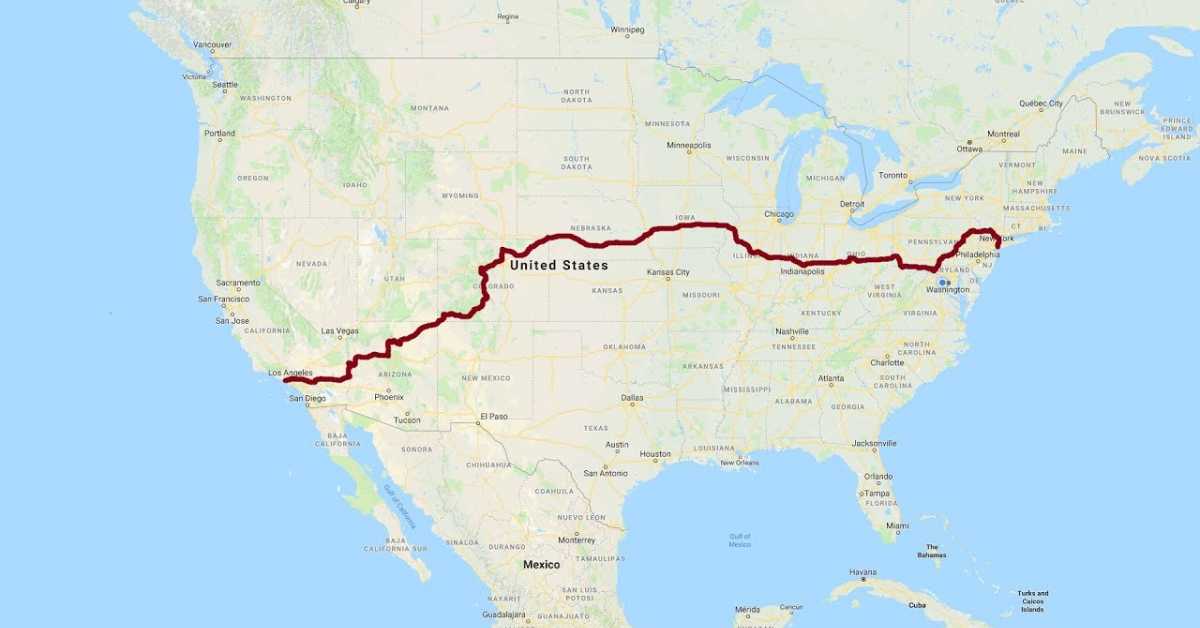
The driving distance between California and New York varies depending on the specific starting and ending points and the chosen route. However, a common and relatively direct route might cover approximately 2,800 to 3,000 miles. This translates to a significant commitment of time and resources.
Driving this distance is not a task to be rushed. Most travelers plan for at least 4 to 7 days of dedicated driving, assuming an average of 8-10 hours behind the wheel each day. This allows for stops, rest, and a reasonable pace. However, to truly savor the experience and explore attractions along the way, a more leisurely pace of 10 to 14 days or even longer is highly recommended.

Essential Road Trip Planning
A successful road trip of this magnitude requires meticulous planning. Key considerations include:
- Route Selection: Deciding on the most appealing route is paramount. Do you prefer a northern route, passing through states like Nevada, Utah, Wyoming, and the Great Lakes region? Or a more southern route, traversing Arizona, New Mexico, Texas, and through the heart of the South? Each path offers distinct attractions. For instance, a northern route might include sights like Arches National Park in Utah or the Badlands National Park in South Dakota. A southern route could lead you to the Grand Canyon National Park in Arizona or the historic city of New Orleans in Louisiana.
- Vehicle Preparation: Ensuring your vehicle is in top condition is crucial. This includes checking tires, brakes, oil, and other essential fluids. Consider investing in roadside assistance for peace of mind.
- Accommodation: Booking hotels or motels in advance, especially during peak travel seasons, is advisable. Options range from budget-friendly chains like Motel 6 and Super 8 to more comfortable stays in hotels like the Hyatt Regency or boutique inns. For a more immersive experience, consider booking cabins or vacation rentals in national parks or scenic towns.
- Budgeting: Factor in costs for fuel, accommodation, food, potential tolls, and activities. Gas prices can vary significantly across states.
- Entertainment and Navigation: Download offline maps, create playlists, or prepare audiobooks for the long stretches of driving. A reliable GPS device or smartphone app is indispensable.
Iconic Stops and Experiences
The beauty of a cross-country road trip lies in the spontaneous discoveries and planned detours. Along the way, you might encounter natural wonders like the Grand Canyon, the majestic Rocky Mountains, or the vast deserts of the Southwest. Historical landmarks, such as the Gateway Arch in St. Louis, Missouri, or the Civil War battlefields of the East, offer glimpses into the nation’s past.
Cities like Denver, Chicago, Nashville, and Washington D.C. are vibrant hubs offering diverse attractions, from world-class museums and culinary delights to live music venues and iconic architecture. Sampling regional cuisines is an integral part of the experience, from Tex-Mex in Texas to Deep-Dish Pizza in Chicago and Barbecue in the South.
The Rail Journey: A Scenic and Relaxing Alternative
For a journey that blends comfort with the opportunity to soak in the scenery, taking a train from California to New York presents a unique and often overlooked option. While not as swift as flying, it offers a more relaxed pace and a different perspective on the American landscape.
Amtrak Routes and Travel Times
Amtrak, the national passenger railroad company, operates routes that can connect California and New York. The most common route involves taking the California Zephyr from Emeryville (near San Francisco) to Chicago, and then transferring to the Lake Shore Limited to New York City.
This journey is an epic adventure in itself, typically taking around 3 days or approximately 70-75 hours of travel time. While this is significantly longer than flying, it provides an opportunity to witness the changing scenery in a comfortable and engaging manner.
Onboard Experience and Amenities
Train travel offers a distinct advantage for those who dislike the claustrophobia of airplanes or the stress of driving. Onboard, you can enjoy spacious seating, the ability to walk around, and often stunning panoramic views from large windows. Amtrak offers various accommodation options, from coach seats to private roomettes and bedrooms, which include meals in the dining car.
The dining car experience is a highlight for many, offering freshly prepared meals with views of the passing countryside. For longer journeys, private rooms provide a comfortable and private space to sleep and relax, making the extended travel time more manageable.

Advantages of Rail Travel
Beyond the scenic views and relaxed atmosphere, train travel can be more environmentally friendly than flying. It also eliminates the need for airport security hassles and the constant worry about baggage restrictions. For travelers who enjoy the journey as much as the destination, the train offers a truly immersive experience, allowing for a deeper connection with the landscapes and a chance to truly disconnect from the rush of daily life. You can often observe the subtle shifts in architecture, vegetation, and even the pace of life as you traverse the country.
The distance from California to New York is more than just a geographical measurement; it’s an invitation to explore the vastness and diversity of the United States. Whether you choose the swift efficiency of air travel, the adventurous spirit of a road trip, or the serene charm of a train journey, each option promises a unique and memorable experience. The true distance is measured not just in miles, but in the richness of the experiences you gather along the way.
LifeOutOfTheBox is a participant in the Amazon Services LLC Associates Program, an affiliate advertising program designed to provide a means for sites to earn advertising fees by advertising and linking to Amazon.com. Amazon, the Amazon logo, AmazonSupply, and the AmazonSupply logo are trademarks of Amazon.com, Inc. or its affiliates. As an Amazon Associate we earn affiliate commissions from qualifying purchases.