
When planning a trip to the dazzling oasis of Las Vegas, Nevada, one of the first practical considerations is how you’ll arrive. The thought of navigating Las Vegas‘s transportation infrastructure might bring to mind the iconic Las Vegas Strip, with its endless stretches of casinos, hotels, and entertainment venues. However, before you even step foot onto that vibrant thoroughfare, your journey likely begins at an airport. The question, “How many airports are in Las Vegas, NV?” is more pertinent than you might initially think, as understanding the aviation landscape can significantly impact your travel experience, from booking flights to choosing your final accommodation.

While many visitors might immediately picture the bustling terminals of a major international airport, Las Vegas offers a more nuanced picture when it comes to its aerial gateways. The answer isn’t a simple single number, but rather a consideration of the primary civilian airport and other aviation facilities that cater to various needs. This exploration will delve into the main airport serving the city, its significance for Las Vegas tourism and lifestyle, and touch upon other aviation points that contribute to the city’s connectivity.
McCarran International Airport: The Gateway to the Entertainment Capital
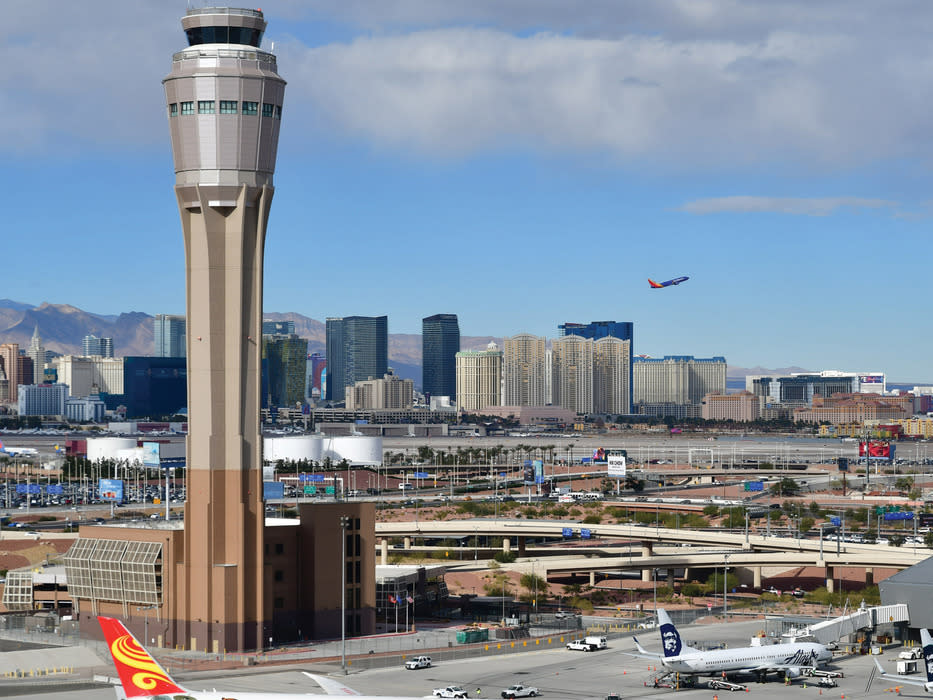
The undisputed primary aviation hub for Las Vegas is McCarran International Airport (LAS). For the vast majority of travelers, including those seeking luxury travel, budget travel, family trips, or business stays, McCarran International Airport is the entry point to the vibrant Las Vegas experience. Situated just over two miles south of the Las Vegas Strip, its proximity is a major advantage, allowing visitors to transition from air to their chosen hotels or resorts with remarkable speed.
A Hub of Activity and Connectivity
McCarran International Airport is a massive operation, consistently ranking among the busiest airports in the United States and the world. Its sheer volume of passenger traffic underscores its critical role in supporting Las Vegas‘s robust tourism industry. The airport boasts two main passenger terminals, Terminal 1 and Terminal 3, along with several concourses, which handle a staggering number of flights daily from a wide array of airlines. This extensive network ensures that travelers from nearly every major city in North America, and many international destinations, can find convenient routes to Las Vegas.
For those arriving for a lavish vacation, the airport’s efficient operations are designed to whisk them away to luxurious suites, sprawling resorts, or exclusive villas without undue delay. Similarly, budget travelers will find ample options for affordable flights, reflecting the airport’s commitment to serving all segments of the travel market. The ease of access to the Las Vegas Strip and downtown areas from McCarran International Airport is a testament to Las Vegas‘s well-developed tourism infrastructure. Whether you’re looking forward to exploring the famous places on the Strip, immersing yourself in the local culture, or indulging in the city’s renowned food scene, your journey begins the moment you land at LAS.
The airport itself is more than just a transit point; it’s an experience. Travelers can find a diverse range of dining options, from quick bites to sit-down restaurants, as well as retail outlets offering everything from travel essentials to Las Vegas souvenirs. Free Wi-Fi is available throughout the terminals, allowing visitors to stay connected, check their hotel bookings, or research attractions and activities in Las Vegas. The airport’s amenities are designed to ensure a comfortable and convenient start or end to any Las Vegas adventure, reflecting the city’s dedication to visitor satisfaction.
Beyond the Main Terminal: Other Aviation Facilities in Las Vegas
While McCarran International Airport is the dominant player, the Las Vegas metropolitan area is also served by other aviation facilities that cater to specific needs, including general aviation, private flights, and military operations. Understanding these can be beneficial for certain types of travelers or those with niche interests in aviation.
Henderson Executive Airport: Catering to Private and Business Aviation

A significant facility serving the broader Las Vegas valley is Henderson Executive Airport (HND), located in the city of Henderson, Nevada, approximately 15 miles south of downtown Las Vegas. This airport is a prime example of an airport that serves a different segment of the aviation market compared to McCarran International Airport. Henderson Executive Airport is primarily a reliever airport, focusing on general aviation, corporate aviation, and private charter flights.
For individuals or groups arriving in private jets or seeking a more exclusive and personalized travel experience, Henderson Executive Airport offers a streamlined and efficient alternative. This can be particularly appealing to those embarking on luxury travel or requiring quick access to specific resorts or business locations outside the immediate vicinity of the main airport. While it doesn’t handle the vast commercial passenger traffic of LAS, its importance to the aviation ecosystem of the region cannot be overstated. Its presence ensures that various aviation needs are met, contributing to the overall connectivity and accessibility of the Las Vegas area for a diverse range of visitors and residents.
North Las Vegas Airport: A Hub for General Aviation and Training
Further contributing to the aerial landscape of Las Vegas is the North Las Vegas Airport (VGT). Located north of the city center, this airport primarily serves general aviation, which includes a wide range of activities such as flight training, recreational flying, and charter operations. It is a bustling hub for pilots and aircraft enthusiasts, offering a different perspective on the aviation world compared to the commercial giants.
For those interested in the history of aviation or seeking experiences related to flight, North Las Vegas Airport provides a glimpse into the operational side of smaller airports. It plays a crucial role in supporting the local aviation community and is a vital resource for flight schools and aircraft maintenance services. While not a primary destination for most tourists arriving for the typical Las Vegas attractions, its existence underscores the comprehensive aviation infrastructure that supports the metropolitan area.
The Significance of Las Vegas’s Airports for Tourism and Lifestyle
The presence and efficiency of Las Vegas‘s airports are intrinsically linked to the city’s identity as a global entertainment and tourism powerhouse. The ease with which millions of visitors can arrive and depart is a cornerstone of the Las Vegas lifestyle and tourism industry.
Facilitating Unprecedented Tourism and Economic Growth
McCarran International Airport, in particular, acts as a vital conduit for the economic engine of Las Vegas. Its ability to handle millions of passengers annually directly supports the hotels, casinos, restaurants, and entertainment venues that define the city. Without efficient air travel, the sheer volume of visitors that Las Vegas attracts would be impossible. The constant flow of tourists ensures that resorts are at capacity, that attractions are vibrant, and that the city remains a top global destination.
The lifestyle associated with Las Vegas is one of accessibility and immediate immersion. Travelers can land at McCarran International Airport and be on the Las Vegas Strip, ready to experience the excitement, within a matter of minutes. This seamless transition is crucial for maximizing the enjoyment of a short trip or a longer stay. Furthermore, the competitive nature of air travel to Las Vegas, facilitated by the airport’s capacity, often leads to favorable pricing, making the city accessible to a broad spectrum of travelers, from those seeking opulent luxury travel to those on a carefully planned budget travel itinerary.
The presence of multiple airports also contributes to the resilience and diversity of the region’s aviation sector. While McCarran International Airport serves the masses, facilities like Henderson Executive Airport and North Las Vegas Airport cater to specialized needs, ensuring that Las Vegas can accommodate a wide range of aviation requirements, from high-net-worth individuals and corporate travelers to flight training schools and recreational pilots. This multifaceted approach to aviation infrastructure solidifies Las Vegas‘s position not just as a tourist destination but also as a significant hub within the broader United States‘s aviation network.
In conclusion, while the immediate answer to “How many airports are in Las Vegas, NV?” might focus on the dominant McCarran International Airport, a deeper look reveals a more complex and interconnected aviation landscape. This network of airports is fundamental to the very existence and continued success of Las Vegas as a world-renowned destination, shaping the travel experience, influencing accommodation choices, and defining the vibrant lifestyle that draws millions to this unique corner of Nevada each year.
LifeOutOfTheBox is a participant in the Amazon Services LLC Associates Program, an affiliate advertising program designed to provide a means for sites to earn advertising fees by advertising and linking to Amazon.com. Amazon, the Amazon logo, AmazonSupply, and the AmazonSupply logo are trademarks of Amazon.com, Inc. or its affiliates. As an Amazon Associate we earn affiliate commissions from qualifying purchases.