
Embarking on a journey across the heartland of America, from the bustling metropolis of Chicago to the historic capital of Springfield, Illinois, promises a rich tapestry of experiences for every traveler. This exploration isn’t just about covering distance; it’s about connecting with the diverse culture, vibrant history, and unique charm that defines the Midwest. Whether you’re a history buff eager to trace the footsteps of Abraham Lincoln, a city explorer seeking architectural marvels, or simply a wanderer looking for a refreshing change of scenery, the path between these two iconic Illinois cities offers something truly special.
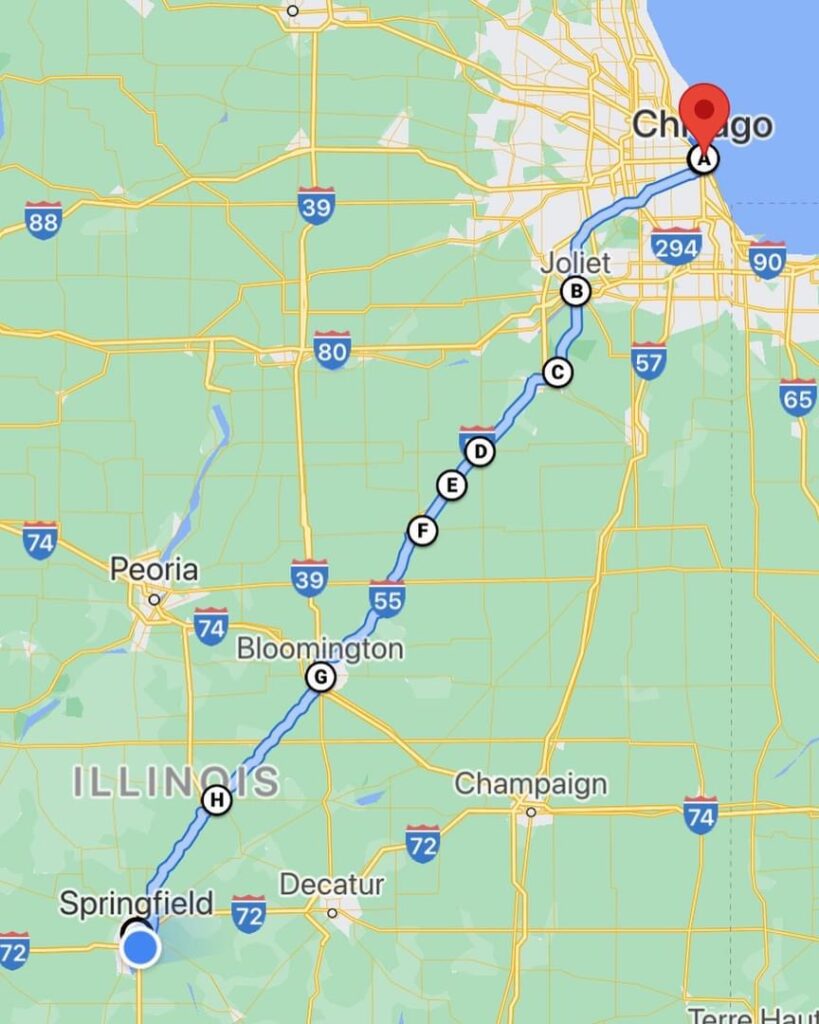
The question “How far from Chicago to Springfield?” is frequently asked by those planning a trip within the State of Illinois. The answer, in simple terms, is approximately 200 miles (about 320 kilometers). However, the journey itself is far more than just a number on a map. It’s an opportunity to delve into various travel modes, discover hidden gems along the way, and immerse yourself in the distinct atmospheres of two remarkable destinations. This comprehensive guide will navigate you through everything you need to know, from optimal travel routes and times to must-see attractions, diverse accommodation options, and practical tips for making your Illinois adventure unforgettable.
The Journey Between Illinois’ Capitals: Distance and Travel Options
The 200-mile stretch separating Chicago’s urban sprawl from Springfield’s historic streets offers a range of transportation choices, each providing a unique perspective on the Illinois landscape. Understanding these options is key to planning a trip that aligns with your budget, schedule, and desired level of comfort and flexibility.
By Car: The Classic American Road Trip
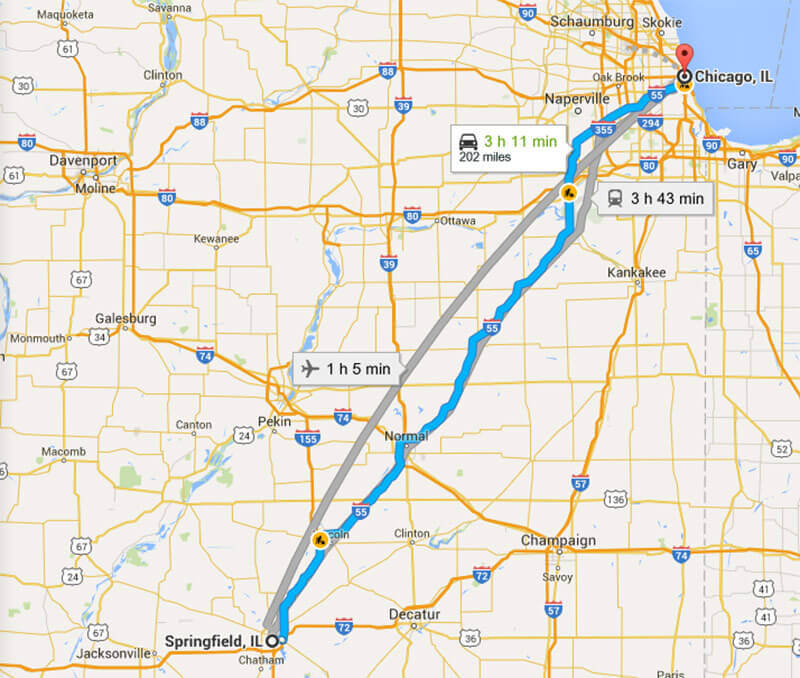
For many, the most appealing way to travel from Chicago to Springfield is by car. This option provides unparalleled flexibility, allowing you to set your own pace, make spontaneous stops, and explore off-the-beaten-path attractions. The primary route is via Interstate 55 (I-55) South, a well-maintained highway that cuts through the heart of Illinois farmland.
- Distance: Approximately 200 miles (320 kilometers).
- Driving Time: Typically ranges from 3 to 3.5 hours, depending on traffic, especially when departing from or arriving in Chicago. Keep in mind that heavy traffic during peak hours, particularly on weekends or holidays, can extend this time.
- Benefits: Freedom to explore, scenic views of agricultural landscapes, the opportunity to discover charming small towns or historical markers along the way. Interstate 55 famously parallels sections of historic Route 66, making it possible to detour to quirky roadside attractions like the Gemini Giant in Wilmington or the Route 66 Hall of Fame and Museum in Pontiac.
- Considerations: Fuel costs, potential for tolls depending on your starting point in Chicago, and the need for parking in both cities. Rental cars are readily available at O’Hare International Airport (ORD) and Midway International Airport (MDW), as well as various downtown locations.
By Train: A Scenic and Relaxing Alternative
For a more relaxed and environmentally conscious journey, traveling by train is an excellent choice. Amtrak operates several daily services between Chicago’s iconic Union Station Chicago and Springfield Amtrak Station.
- Travel Time: Approximately 2.5 to 3 hours, often making it slightly faster than driving when factoring in city traffic.
- Benefits: No need to worry about driving, traffic, or parking. Passengers can enjoy comfortable seating, access to dining cars, and picturesque views of the Illinois countryside. It’s a fantastic option for business travelers who need to work on the go or leisure travelers who prefer to sit back and relax.
- Considerations: Tickets should ideally be booked in advance, especially during peak travel seasons, to secure the best fares. Flexibility might be slightly less than driving, as you’re tied to Amtrak’s schedule. However, the train stations in both cities are centrally located, offering easy access to public transport or ride-sharing services for onward travel.
By Bus: Budget-Friendly and Convenient
Bus travel presents a cost-effective solution for those traveling between Chicago and Springfield. Several reputable bus companies operate this route, offering comfortable coaches and convenient schedules.
- Travel Time: Typically 3 to 4 hours, depending on the number of stops and traffic conditions.
- Benefits: Generally the most economical travel option. Buses often provide amenities like Wi-Fi and power outlets, allowing passengers to stay connected or entertained. Major operators include Greyhound and Peoria Charter, with multiple departures daily.
- Considerations: Travel time can sometimes be longer than other options. Bus terminals are usually well-connected to public transit, but it’s wise to check their exact locations relative to your final destination. Booking tickets online in advance often yields better prices.
By Air: The Fastest (Though Less Direct) Route
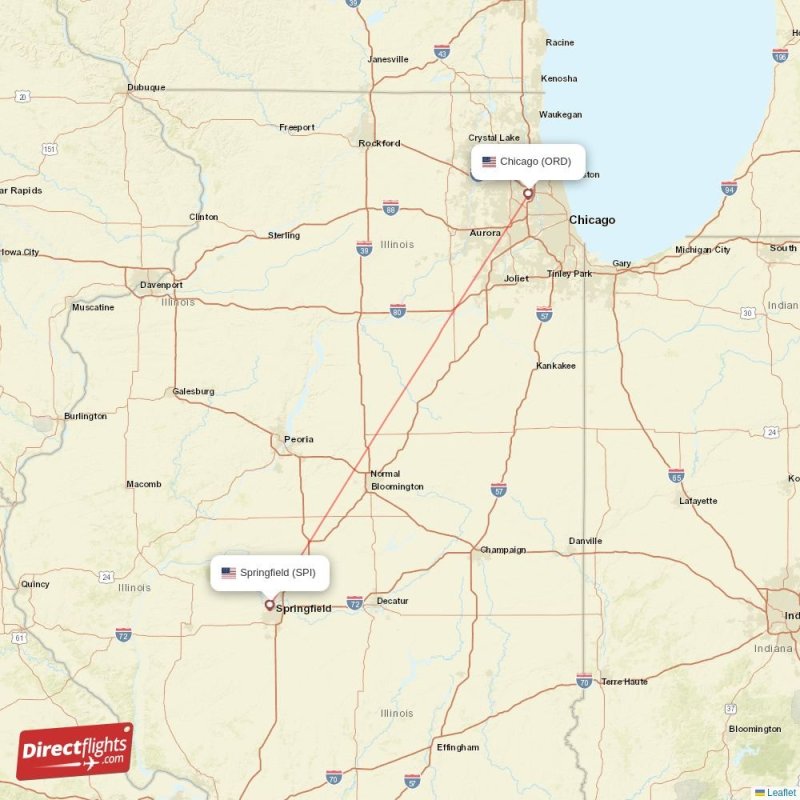
While both cities have airports – O’Hare International Airport (ORD) and Midway International Airport (MDW) for Chicago, and Abraham Lincoln Capital Airport (SPI) for Springfield – direct flights between the two are uncommon and generally impractical for this relatively short distance. The time spent traveling to and from airports, security checks, and flight delays usually makes flying a less efficient option compared to driving, training, or bussing. This option is typically considered only if you have connecting flights or specific logistical needs.
Exploring the Vibrant Cities: What to See and Do
Once you’ve made the journey, both Chicago and Springfield offer a wealth of attractions, activities, and cultural experiences. Each city has its own distinct personality and a compelling array of landmarks waiting to be explored.
Chicago: The Windy City’s Irresistible Charms
Chicago, a global hub for finance, culture, and innovation, is renowned for its stunning architecture, world-class museums, vibrant arts scene, and delicious culinary landscape. A visit here is an immersive urban adventure.
- Architectural Marvels: Begin with an architectural boat tour along the Chicago River to admire iconic skyscrapers like the Willis Tower and the historic Tribune Tower. Stroll through Millennium Park to snap a photo with the iconic “Bean” sculpture, officially known as Cloud Gate, and enjoy the whimsical Crown Fountain.
- Museums and Culture: Immerse yourself in art at the Art Institute of Chicago, explore aquatic life at the Shedd Aquarium, or delve into natural history at the Field Museum. For a free, family-friendly outing, the Lincoln Park Zoo offers an engaging experience.
- Shopping and Dining: Indulge in retail therapy along the Magnificent Mile, home to luxury boutiques and department stores. No trip to Chicago is complete without savoring its famous deep-dish pizza – local favorites like Lou Malnati’s or Giordano’s are must-tries. Explore diverse neighborhoods like Wicker Park for trendy shops and eateries, or Pilsen for vibrant murals and Mexican culture.
- Entertainment: Catch a show in the historic Theatre District, enjoy live music at a blues or jazz club, or ride the Ferris wheel at Navy Pier for stunning views of Lake Michigan.
Springfield: Abraham Lincoln’s Historic Legacy
Springfield offers a profound contrast to Chicago, drawing visitors into the solemn and inspiring world of Abraham Lincoln. As the city where President Lincoln lived for many years before becoming president, it’s a treasure trove of historical sites.
- Lincoln’s Footsteps: The centerpiece of any Springfield visit is the Abraham Lincoln Presidential Library and Museum, an engaging and interactive experience telling the story of his life and legacy. Walk through the beautifully preserved Lincoln Home National Historic Site, the only home Lincoln ever owned. Pay your respects at the Lincoln Tomb State Historic Site in Oak Ridge Cemetery, where President Abraham Lincoln, his wife Mary, and three of their four sons are buried.
- State Capital Attractions: Visit the Old State Capitol, where Lincoln served as a legislator and delivered his famous “House Divided” speech. Tour the magnificent New State Capitol Building, an architectural gem that houses the Illinois General Assembly and the Governor’s Office.
- Beyond Lincoln: Explore the Dana-Thomas House, an exquisite example of Frank Lloyd Wright’s Prairie Style architecture. The Illinois State Museum offers insights into the state’s natural and cultural history. For a tranquil escape, wander through Washington Park and its beautiful botanical garden, or find peace at the Lincoln Memorial Garden, designed by Jens Jensen. Other historical homes like Edwards Place and the Vachel Lindsay Home offer glimpses into Springfield’s past.
Where to Stay: Accommodations for Every Traveler
Both Chicago and Springfield boast a wide range of accommodation options, from luxurious resorts to charming boutique hotels and budget-friendly stays, ensuring that every traveler finds a place to suit their preferences and wallet.
Hotels and Resorts in Chicago
Chicago’s hotel scene is as diverse as its population. You can find world-class luxury, family-friendly suites, and chic boutique options.
- Luxury and Boutique: For an indulgent experience, consider properties like The Langham Chicago or the Peninsula Chicago, known for their impeccable service and stunning amenities. Boutique hotels such as Thompson Chicago in Gold Coast or the Kimpton Allegro Hotel in the Theater District offer unique character and personalized touches.
- Mid-Range and Business: Popular choices for business travelers and those seeking comfortable yet affordable options include the Hyatt Regency Chicago, Palmer House Hilton, or Hotel Chicago Downtown, offering excellent locations and amenities.
- Budget and Extended Stay: For longer visits or budget-conscious travelers, consider serviced apartments or hotels further from the immediate downtown core, which often provide more space and kitchenettes. Hostels are also available for solo travelers or groups looking for very economical options.
- Neighborhoods: Choose your accommodation based on your primary interests. The Loop is ideal for business and cultural attractions, River North for nightlife and dining, and Streeterville or the Magnificent Mile for shopping and iconic views.
Hotels and Accommodation in Springfield
Springfield offers a more laid-back selection of accommodations, with a focus on convenience to its historical sites.
- Downtown Convenience: Hotels like the Wyndham Springfield City Centre or President Abraham Lincoln a DoubleTree by Hilton Hotel offer prime locations, often within walking distance or a short drive to Lincoln attractions and the State Capitol.
- Chain Hotels: Many familiar national chains, such as Hilton Garden Inn, Holiday Inn Express, and Hampton Inn, are available along the main thoroughfares, providing consistent quality and amenities.
- Unique Stays: For a more distinctive experience, consider boutique hotels or bed & breakfasts, which can offer a charming and personalized touch, often with historical character. For example, Graduate Springfield offers a unique, locally inspired design and a prime location.
- Family-Friendly: Hotels with pools and complimentary breakfast are popular choices for families traveling with children, offering added value and convenience.
Planning Your Trip: Essential Tips and Considerations
Making the most of your Chicago to Springfield journey involves a bit of strategic planning. These tips will help you ensure a smooth and enjoyable experience, weaving in elements of local culture, food, and activities.
Best Time to Visit
- Spring (April-May) and Fall (September-October): These seasons offer the most pleasant weather for exploring both cities, with comfortable temperatures and beautiful scenery. Chicago thrives with outdoor activities, and Springfield’s historical sites are delightful to explore on foot. Fall foliage in the surrounding Illinois countryside is particularly scenic.
- Summer (June-August): While warm and sometimes humid, summer brings a vibrant energy to Chicago with numerous festivals, outdoor concerts, and events. Springfield’s attractions are fully operational, though expect larger crowds and higher temperatures.
- Winter (November-March): Illinois winters can be cold and snowy, but this also means fewer crowds and unique experiences like ice skating in Millennium Park or cozying up in Chicago’s renowned restaurants. Indoor attractions in both cities remain excellent choices.
Budgeting for Your Adventure
Your travel budget will depend heavily on your chosen mode of transport, accommodation preferences, and planned activities.
- Transportation: Bus travel is typically the most budget-friendly, followed by train. Driving costs depend on gas prices and potential tolls, plus parking fees.
- Accommodation: Chicago generally has higher accommodation costs than Springfield. Booking in advance and considering options outside the immediate city center can help save money.
- Food: Both cities offer a spectrum of dining, from high-end restaurants to casual eateries and food trucks. Embrace local specialties like Chicago hot dogs and deep-dish pizza, or sample the diverse culinary offerings.
- Attractions: Many of Springfield’s Lincoln sites offer free admission, while the Abraham Lincoln Presidential Library and Museum has an entry fee. Chicago’s museums can be costly, but many offer free days or reduced admission. Consider purchasing a city pass if you plan to visit multiple paid attractions.
Combining Travel with Local Experiences
To truly enrich your journey, think about how to integrate the local lifestyle and unique regional offerings.
- Roadside Americana: If driving, delve into the nostalgic charm of Route 66. Detour to classic diners, quirky museums, and iconic landmarks.
- Outdoor Adventures: Beyond the cities, Illinois offers stunning natural beauty. Consider extending your trip to nearby natural attractions like Starved Rock State Park or Matthiessen State Park (about 1.5 hours north of Springfield), or even the Shawnee National Forest in Southern Illinois for hiking and scenic drives.
- Historical Detours: On your way to Springfield, consider stopping at Lincoln’s New Salem State Historic Site, a reconstructed village where Lincoln lived and worked as a young man.
- Culinary Explorations: Beyond the famous deep-dish pizza, Chicago boasts a world-class food scene, from Michelin-starred restaurants to diverse ethnic eateries. In Springfield, seek out local diners and try the Horseshoe Sandwich, a local specialty.
The journey from Chicago to Springfield, whether you measure it in miles or experiences, is a testament to the diverse appeal of Illinois. It’s a trip that blends urban sophistication with profound historical resonance, offering something for every traveler’s taste. By considering your travel style and interests, you can transform a simple question of distance into an unforgettable adventure.
LifeOutOfTheBox is a participant in the Amazon Services LLC Associates Program, an affiliate advertising program designed to provide a means for sites to earn advertising fees by advertising and linking to Amazon.com. Amazon, the Amazon logo, AmazonSupply, and the AmazonSupply logo are trademarks of Amazon.com, Inc. or its affiliates. As an Amazon Associate we earn affiliate commissions from qualifying purchases.