
When planning a trip to the Golden State, one of the most fundamental logistical questions you’ll encounter is about time zones. Specifically, travelers often wonder: “Is California Pacific Time or Eastern Time?” This seemingly simple query is crucial for coordinating flights, booking accommodations, and making the most of your California adventures. The answer is a resounding Pacific Time. California exclusively observes Pacific Time (PT), which is a significant consideration for anyone traveling from or communicating with regions in other time zones, particularly the Eastern Time Zone (ET).
Understanding California‘s time zone is more than just a trivia point; it directly impacts your travel experience. From booking that dream resort in San Diego to catching a show in Los Angeles or exploring the natural wonders of Yosemite National Park, knowing the local time ensures you don’t miss a beat. This article will delve into the intricacies of Pacific Time, its relationship with Eastern Time, and how this knowledge can enhance your California vacation.
Understanding Time Zones in the United States
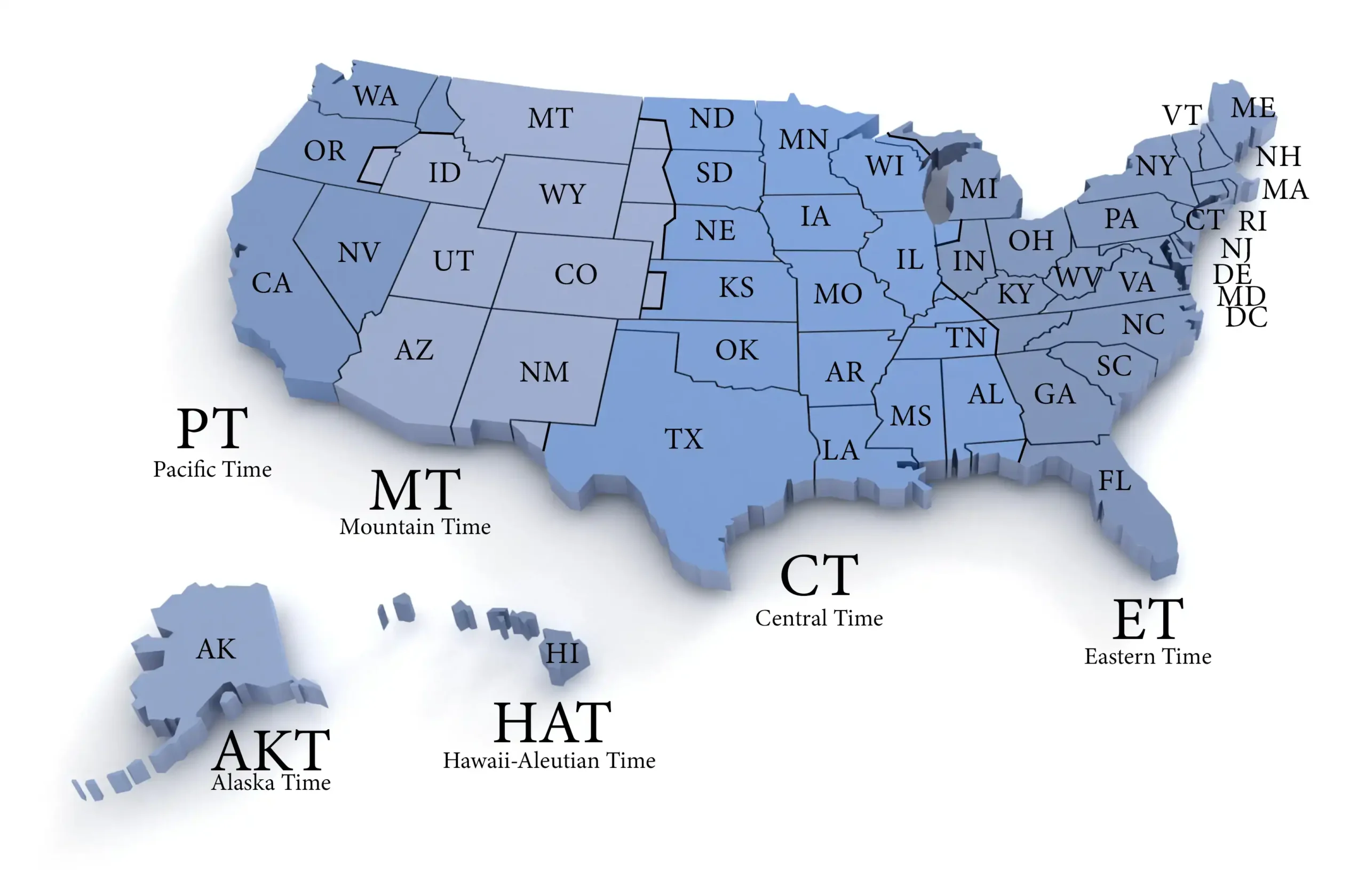
The United States is a vast country that spans multiple time zones, a necessity dictated by its geographical expanse from coast to coast. This system of standardized time aims to synchronize local solar time with the standard clock. The contiguous United States is divided into four primary time zones: Eastern Time, Central Time, Mountain Time, and Pacific Time. Beyond these, Alaska and Hawaii have their own respective time zones.
Eastern Time (ET)
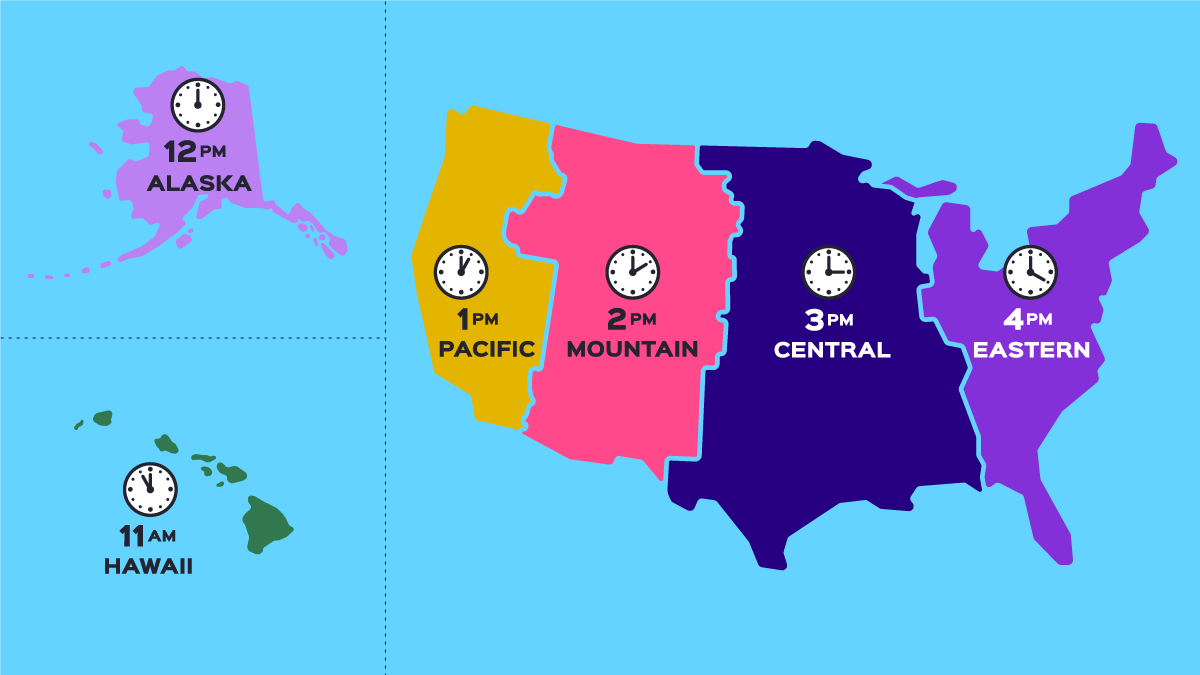
The Eastern Time Zone (ET) is the easternmost of the four contiguous United States time zones. It encompasses states from Maine down to Florida, and west to the Michigan–Indiana border and parts of the Kentucky and Tennessee. Major cities like New York City, Washington D.C., Miami, and Atlanta fall within ET. Eastern Time is UTC-5 during standard time ( Eastern Standard Time, EST) and UTC-4 during daylight saving time ( Eastern Daylight Time, EDT). ET is three hours ahead of Pacific Time. This means when it’s 9 AM in New York, it’s 6 AM in Los Angeles.
Pacific Time (PT)
As mentioned, California is firmly situated within the Pacific Time Zone (PT). This zone covers the westernmost contiguous states, including Washington, Oregon, California, Nevada, and parts of Idaho and Arizona (though Arizona observes MST year-round, meaning it does not switch to MDT and is therefore on the same standard time as PT but an hour behind PDT). Major cities like San Francisco, Seattle, and Portland are all in PT. Similar to ET, Pacific Time observes daylight saving, being UTC-8 as Pacific Standard Time (PST) and UTC-7 as Pacific Daylight Time (PDT).
The three-hour difference between Pacific Time and Eastern Time is a critical piece of information for travelers. It affects flight schedules, the timing of events, and even when businesses operate. For instance, if you’re trying to book a popular restaurant in San Francisco that opens reservations at 10 AM, and you’re calling from New York, you’ll need to remember that 10 AM PST is 1 PM EST.
Navigating Time Differences for Your California Trip
The difference between Pacific Time and Eastern Time requires careful planning, especially when booking travel and accommodations. This is where the website’s focus on Travel, Hotels, and Accommodation becomes particularly relevant.
Planning Your Travel Itinerary
When you book flights, the departure and arrival times are always listed in local time. So, a flight departing New York at 8 AM EST and arriving in Los Angeles at 11 AM PST might seem like a short flight. However, factoring in the time difference, that flight is actually 7 hours long (8 AM EST to 11 AM PST is the same as 8 AM EST to 8 AM PST, plus 3 hours to reach 11 AM PST). Understanding this will prevent confusion and ensure you arrive on time for check-in at your hotel or resort.
If you’re coordinating with friends or family in another time zone, it’s essential to be clear about which time zone you’re referring to. For example, suggesting a video call at 7 PM might mean 7 PM PST for you in California, but it would be 10 PM EST for someone on the East Coast, which could be quite late. Always specify PST/PDT or EST/EDT to avoid miscommunication.

Booking Hotels and Accommodation
The booking process for hotels, apartments, or villas in California will be based on Pacific Time. If you’re comparing rates or availability across different platforms, the times listed for check-in and check-out will adhere to PT. When searching for luxury travel options or budget travel deals, be mindful of the local time zone for any time-sensitive offers or events.
For example, if a hotel in San Francisco offers a “happy hour” from 4 PM to 6 PM, this refers to Pacific Time. If you’re coming from Eastern Time, this means the happy hour begins at 7 PM your local time, a detail that might influence your decision on when to head out for drinks after a day of exploring landmarks and attractions.
Long-term stays also require an awareness of the local time. If you’re arranging a long-term stay in a San Diego apartment, understanding PT ensures you’re aligned with local business hours, appointment times, and the general rhythm of daily life in California.
Experiencing California: Local Culture and Landmarks
The lifestyle and tourism aspects of California are deeply intertwined with its Pacific Time setting. From enjoying local food and activities to immersing yourself in the local culture, the time of day plays a significant role.
Embracing the Pacific Lifestyle
California is renowned for its laid-back lifestyle, and this often extends to its daily schedules. Whether you’re indulging in a leisurely brunch in Santa Monica or enjoying a sunset view from a resort in Carmel-by-the-Sea, the pace of life can feel different compared to the more frenetic Eastern Time Zone.
Morning activities in California often start later than on the East Coast. Coffee shops might open their doors around 7 AM PST, while business meetings might commence at 9 AM PST. This allows for a more relaxed start to the day, a characteristic often associated with the California dream.
When planning family trips, understanding the time difference can help manage jet lag and ensure everyone is adjusted to the local schedule. For instance, arriving in Los Angeles from New York on a morning flight PST means you’ll have the whole afternoon to explore, but remember that your body clock might still be on EST, making you feel more tired than usual.
Exploring California’s Famous Places and Natural Wonders
California boasts an incredible array of famous places, architecture, history, and nature. From the iconic Golden Gate Bridge in San Francisco to the towering trees of Redwood National and State Parks, and the vibrant energy of Disneyland Park in Anaheim, each experience is timed to Pacific Time.
If you’re an early riser who enjoys sunrise photography at Zabriskie Point in Death Valley National Park, you’ll be experiencing it in Pacific Time. Conversely, if you’re planning a business stay in Sacramento, your meetings and networking events will be scheduled according to PT.
The timing of natural phenomena also follows PT. For example, the best times to visit certain areas for optimal wildlife viewing or to catch specific astronomical events will be listed in Pacific Time. If you’re seeking tips on the best times to visit Anza-Borrego Desert State Park for wildflower blooms, the advice will be based on the local California time.
In essence, while California is a state of diverse landscapes and experiences, its temporal identity is unequivocally Pacific Time. Understanding this fundamental aspect of its geography is key to a seamless and enjoyable journey, whether you’re there for leisure, business, or a blend of both. By keeping the three-hour difference between Pacific Time and Eastern Time in mind, you can navigate your California adventure with confidence and maximize every moment of your travel, accommodation, and tourism experiences.
LifeOutOfTheBox is a participant in the Amazon Services LLC Associates Program, an affiliate advertising program designed to provide a means for sites to earn advertising fees by advertising and linking to Amazon.com. Amazon, the Amazon logo, AmazonSupply, and the AmazonSupply logo are trademarks of Amazon.com, Inc. or its affiliates. As an Amazon Associate we earn affiliate commissions from qualifying purchases.