
For travelers planning a trip to the Lone Star State, or for residents navigating its ever-evolving legal landscape, understanding the laws surrounding cannabis in Texas is crucial. Unlike many states across the United States that have embraced full recreational or even broad medical marijuana programs, Texas maintains a highly conservative stance. This article delves into the intricacies of Texas’ cannabis laws, differentiating between marijuana, hemp, and various THC compounds, and provides essential information for anyone considering cannabis use within state borders. From the bustling streets of Houston and Dallas to the vibrant culture of Austin and the historic charm of San Antonio, the rules remain largely consistent, but local enforcement can introduce nuances. Navigating these rules is not just about avoiding legal trouble; it’s about respecting local customs and ensuring a smooth, enjoyable travel or living experience in a state renowned for its unique blend of tradition and modernity.
The Complex Legal Landscape of Cannabis in Texas
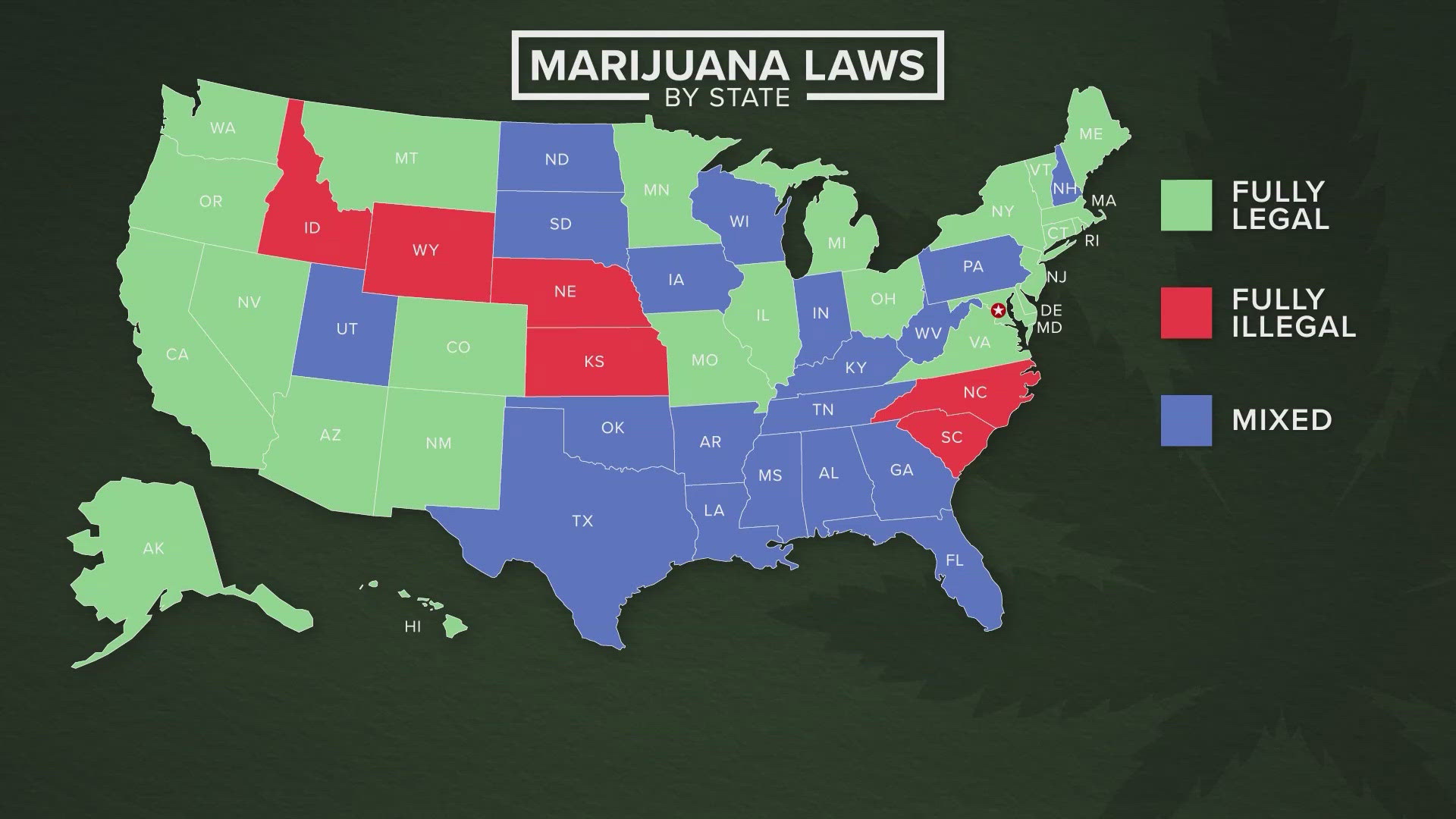
The question of whether “weed is legal in Texas” isn’t a simple yes or no; it’s a multifaceted issue involving state and federal law, scientific definitions, and ongoing legislative debates. While some forms of cannabis-derived products are indeed legal, the plant widely known as marijuana remains largely prohibited. This distinction is vital for both residents and visitors alike, particularly those accustomed to more liberal cannabis laws in other states. Understanding these nuances is essential for anyone venturing into Texas’ diverse travel destinations, whether you’re exploring Big Bend National Park, enjoying the nightlife in Dallas, or relaxing at a resort in Galveston.
Federal vs. State Stance on Marijuana
At the federal level in the United States, marijuana is classified as a Schedule I drug under the Controlled Substances Act, placing it alongside substances like heroin with no accepted medical use and a high potential for abuse. This classification means that, despite individual state laws, cannabis remains illegal under federal law. This federal prohibition creates a challenging environment for states like Texas seeking to establish their own cannabis policies, particularly regarding interstate commerce and financial services for cannabis businesses.
Texas State Law mirrors this conservative stance to a significant degree, classifying marijuana as illegal for recreational use. Possession of even small amounts can lead to criminal charges, ranging from misdemeanors to felonies, depending on the quantity. This strict approach stands in stark contrast to states like Colorado or California, where recreational cannabis is legal and regulated, influencing tourism and local economies significantly. For travelers coming from such states, the difference in legal treatment is a critical consideration. While you might find CBD products readily available, anything containing more than the legal limit of Delta-9 THC is a controlled substance.
Understanding THC: Delta-8, Delta-9, and Beyond
The discussion around “weed” often centers on THC, the primary psychoactive compound in cannabis. However, not all THC is created equal in the eyes of Texas law.
- Delta-9 THC: This is the most well-known form of THC and the compound primarily responsible for the “high” associated with marijuana. In Texas, products containing more than 0.3% Delta-9 THC on a dry weight basis are considered illegal marijuana. This threshold is critical for distinguishing legal hemp from illegal cannabis.
- Delta-8 THC and Delta-10 THC: These are other cannabinoids found in the Cannabis Sativa L. plant, but typically in much smaller concentrations than Delta-9 THC. Due to a loophole created by the 2018 Farm Bill (which legalized hemp with less than 0.3% Delta-9 THC), these compounds existed in a legal gray area for some time. Manufacturers began converting legal CBD from hemp into Delta-8 and Delta-10 THC, which are psychoactive but generally less potent than Delta-9. This led to a surge in products like Delta-8 edibles and vape cartridges being openly sold across Texas, much to the confusion of consumers and law enforcement.
- The Delta-8 Controversy: The legality of Delta-8 THC has been a contentious issue. In 2021, the Texas Department of Public Safety attempted to classify Delta-8 as a Schedule I controlled substance, effectively banning it. This move faced immediate legal challenges from hemp businesses, arguing that the substance falls under the definition of legal hemp. After a temporary injunction, an appeals court in 2023 ultimately ruled in favor of the Texas Department of Public Safety, deeming Delta-8 THC illegal in Texas. This ongoing legal battle highlights the dynamic and uncertain nature of cannabis laws in the state. Travelers should be aware that what might be legal one day could change the next.
Navigating Medical Marijuana in the Lone Star State
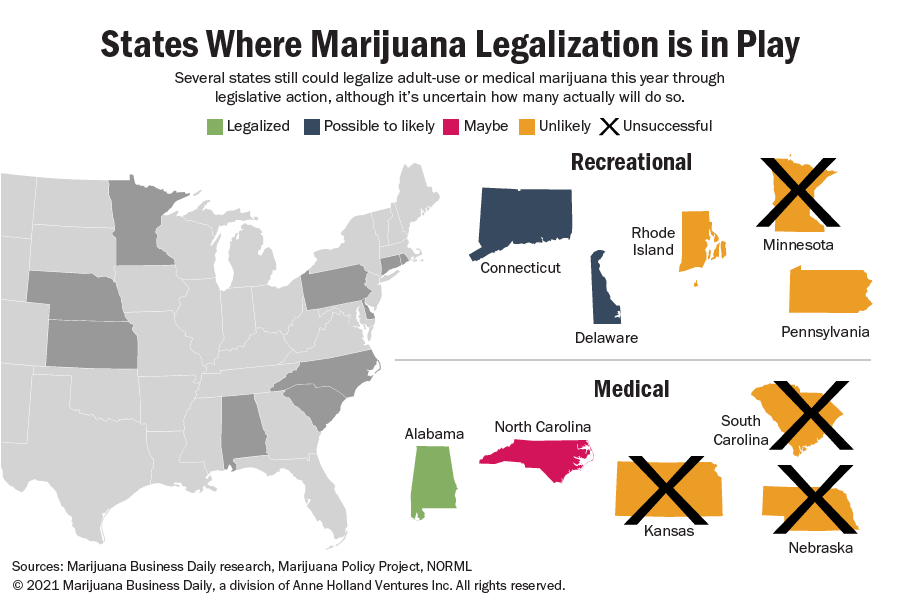
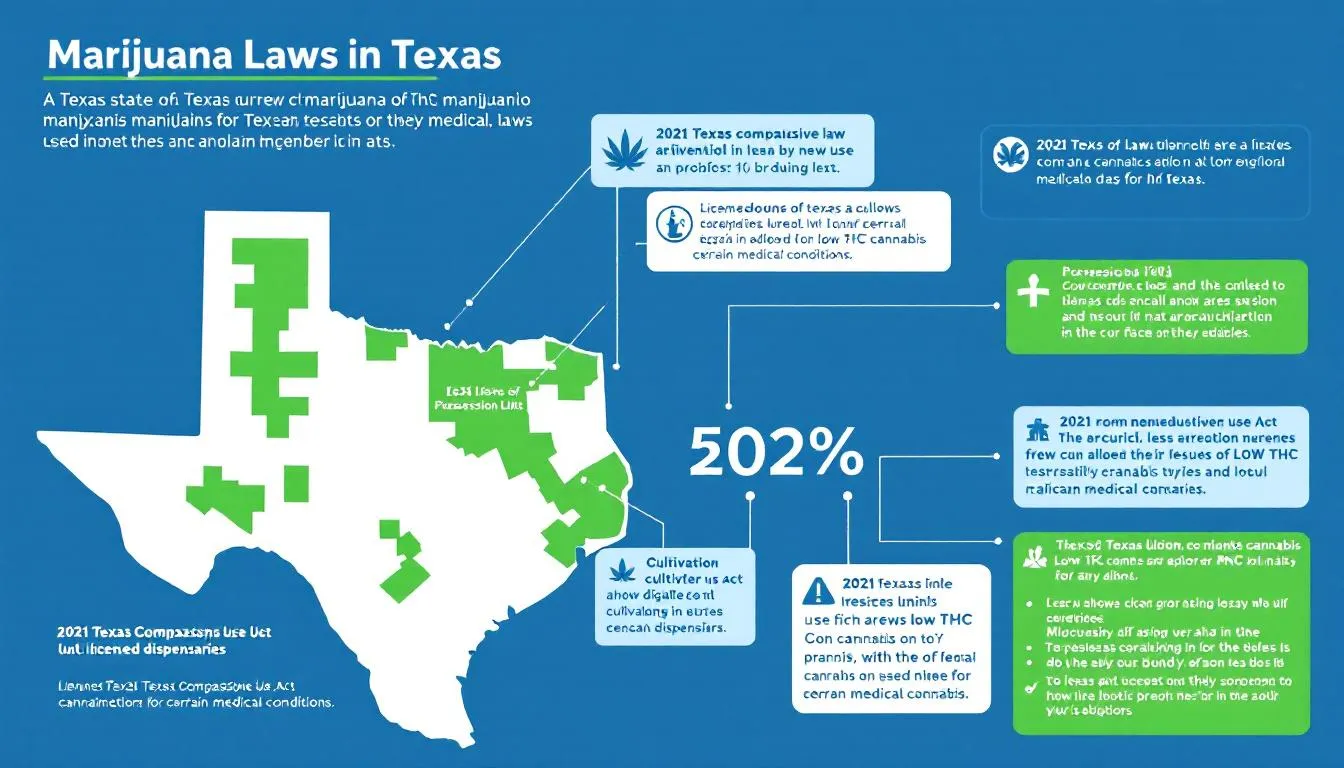
While recreational marijuana remains prohibited, Texas does have a highly restrictive medical marijuana program. The Texas Compassionate Use Program (TCUP) offers a glimmer of hope for patients with specific, debilitating conditions, allowing them access to low-THC cannabis products. However, it’s crucial to understand that this is far from the comprehensive medical cannabis programs seen in states like New York or Oklahoma.
The Texas Compassionate Use Program (TCUP)
TCUP was initially established with the passage of Senate Bill 339 in 2015, which was incredibly limited, permitting only the use of CBD oil with less than 0.5% THC for a very narrow range of conditions. Over the years, the program has seen incremental expansions through subsequent legislative actions.
- House Bill 3703 (2019): This bill broadened the list of qualifying conditions to include multiple sclerosis, spasticity, autism, amyotrophic lateral sclerosis, terminal cancer, and incurable neurological disease. It also increased the allowable THC content to 0.5% Delta-9 THC.
- House Bill 1535 (2021): This was a significant expansion, adding PTSD and all forms of cancer to the list of qualifying conditions. It further raised the THC cap to 1% by weight, allowing for slightly more potent medical cannabis products.
Despite these expansions, TCUP remains one of the most restrictive medical marijuana programs in the country. Patients do not receive traditional “medical marijuana cards” as in other states. Instead, prescriptions are entered into a state registry, and access is limited to a few licensed dispensing organizations. This limited access means that visitors from other states with medical marijuana cards cannot legally purchase or use medical cannabis in Texas, emphasizing the need for travelers to be aware of Texas-specific laws.
Qualifying Conditions and Accessing TCUP
To qualify for TCUP, a patient must be a permanent resident of Texas and suffer from one of the approved medical conditions. These conditions now include:
- Epilepsy or other seizure disorders
- Multiple sclerosis
- Spasticity
- Amyotrophic lateral sclerosis
- Autism
- Terminal cancer
- Incurable neurological disease (e.g., Parkinson’s disease, Alzheimer’s disease)
- PTSD
- All forms of cancer
Patients must obtain a prescription from a qualified physician who is registered with the Texas Compassionate Use Registry. These physicians, like Dr. Matthew Brimberry of the Texas Cannabis Clinic, undergo specific training and registration to recommend low-THC cannabis. The prescribed product is typically in the form of CBD oil or tinctures, not smokable flower. This highly regulated process underscores the state’s cautious approach to medical cannabis, differentiating it significantly from more liberal states where a wider array of products and higher THC concentrations are available.
Hemp and CBD: The Legal Gray Area
While marijuana faces strict prohibitions, the landscape for hemp and CBD products is considerably different, thanks in large part to federal legislation. This distinction has led to a booming industry for CBD and hemp-derived products across Texas, impacting local retail, wellness, and even tourism, as visitors seek out these products in various Texas cities.
The 2018 Farm Bill and Texas Hemp Legislation
The passage of the Agriculture Improvement Act of 2018, commonly known as the 2018 Farm Bill, federally legalized industrial hemp, defining it as Cannabis Sativa L. with a Delta-9 THC concentration of no more than 0.3% on a dry weight basis. This landmark legislation removed hemp from the Controlled Substances Act and allowed states to create their own regulatory frameworks for its cultivation and sale.
Texas followed suit in 2019 with House Bill 1325, which aligned Texas State Law with the 2018 Farm Bill, explicitly legalizing the cultivation, processing, and sale of hemp and hemp-derived products, including CBD. This legislative move opened the floodgates for a vibrant hemp industry across the state, with numerous stores selling CBD oil, edibles, topicals, and other products. For tourists, this means that legitimate CBD stores are easily found in popular destinations like Austin, Houston, and San Antonio, providing access to non-intoxicating cannabis compounds that are often lauded for their wellness benefits.
The Texas Department of Agriculture (TDA) is responsible for regulating the state’s hemp program, ensuring that hemp growers comply with USDA guidelines and Texas’ own Hemp Regulation Plan. This regulation includes testing requirements to ensure that products do not exceed the 0.3% Delta-9 THC limit, providing a degree of consumer protection.
The Controversy of Delta-8 THC
The legal status of Delta-8 THC in Texas has been particularly turbulent. While the 2018 Farm Bill legalized hemp, it specifically focused on Delta-9 THC content. This led to a significant loophole: if a product was derived from hemp and contained less than 0.3% Delta-9 THC, even if it contained higher levels of other psychoactive cannabinoids like Delta-8 or Delta-10 THC, it was often considered legal.
Retailers capitalized on this ambiguity, leading to the widespread sale of Delta-8 products across Texas. However, regulatory bodies, including the Drug Enforcement Administration (DEA) with its 2020 Interim Final Rule, began to scrutinize synthetically derived THC isomers. In Texas, the Department of State Health Services (DSHS) declared Delta-8 illegal in 2021, classifying it as a Schedule I controlled substance under the Texas Health and Safety Code.
This declaration sparked a legal battle, with hemp businesses arguing that DSHS overstepped its authority. Initially, a temporary injunction allowed Delta-8 sales to continue. However, a state appeals court ultimately sided with the DSHS in May 2023, reaffirming the state’s position that Delta-8 THC is illegal. This means that, as of recent rulings, Delta-8 products are generally considered unlawful in Texas. This legal uncertainty surrounding synthetically derived cannabinoids is a critical point for travelers to understand, as possession could still lead to legal consequences, despite their availability in some unregulated markets.
Penalties and Enforcement: What Travelers and Residents Need to Know
Given Texas’ strict approach to marijuana, understanding the potential penalties for possession and related offenses is paramount for anyone in the state. From misdemeanor charges to felony convictions, the consequences can be severe, impacting not only personal freedom but also travel plans and future opportunities.
Consequences of Marijuana Possession
Under the Texas Penal Code, possessing even small amounts of marijuana can lead to criminal charges:
- Less than 2 ounces: This is typically a Class B misdemeanor, punishable by up to 180 days in jail and a fine of up to $2,000.
- 2 to 4 ounces: This is a Class A misdemeanor, carrying penalties of up to one year in jail and a fine of up to $4,000.
- 4 ounces to 5 pounds: This escalates to a state jail felony, with potential sentences ranging from 180 days to two years in a state jail facility and fines up to $10,000.
- Over 5 pounds: Possession of larger quantities results in increasingly severe felony charges, with significant prison time and substantial fines.
It’s also important to note that penalties can be enhanced if the offense occurs in a drug-free zone, such as near a school or public park. Additionally, possession of drug paraphernalia (items used for consuming illegal drugs) is a separate Class C misdemeanor, punishable by a fine of up to $500. For travelers, this means that carrying even a small amount of marijuana, or a vape pen with illegal THC oil, can lead to serious legal issues that could derail their trip and create long-term problems. This is particularly relevant for those coming from states where such items are legal and readily available.
Local Decriminalization Efforts
While state law remains firm, some Texas cities and counties have taken steps to soften enforcement of low-level marijuana possession. These local initiatives, often driven by voter referendums or policy changes by district attorneys, aim to reduce arrests and divert resources to more serious crimes.
- Dallas County: Under former District Attorney John Creuzot, Dallas County implemented a “cite-and-release” policy for small amounts of marijuana, meaning individuals found with less than 2 ounces of cannabis are typically issued a citation rather than arrested and jailed. The Dallas Police Department also adopted a policy in 2020 to not make arrests for misdemeanor possession of marijuana unless it is part of a felony investigation. In May 2023, voters in Dallas passed Proposition B (Dallas), which officially decriminalized low-level marijuana possession in the city, preventing arrests or citations for small amounts of personal use cannabis.
- Harris County (Houston): Similar to Dallas, Harris County has implemented a policy for misdemeanor marijuana possession that emphasizes diversion programs over immediate arrest and jail time.
- Bexar County (San Antonio): Bexar County also has a “cite-and-release” program for minor marijuana offenses.
- Travis County (Austin): Austin, known for its progressive leanings, has gone further. In May 2022, voters passed Proposition A (Austin), which effectively decriminalized misdemeanor marijuana possession within city limits by prohibiting the Austin Police Department from issuing citations or making arrests for such offenses. The Travis County District Attorney, Jose Garza, has also publicly stated his office will not prosecute misdemeanor marijuana possession cases.
It is critical to understand that these local policies do not change Texas State Law. They are enforcement priorities of local law enforcement agencies and district attorneys. A police officer could still choose to enforce state law, and in some more rural or conservative areas of Texas, strict enforcement remains the norm. Travelers should not assume that because a city has a decriminalization policy, marijuana is “legal” there; it merely means enforcement may be less stringent.
The Future of Cannabis Legislation in Texas
The debate surrounding cannabis legality in Texas is far from over. With evolving public opinion, legislative efforts, and the experiences of neighboring states, the future of cannabis in the Lone Star State remains a topic of considerable discussion and speculation. This ongoing conversation could profoundly impact everything from state revenue to the nature of tourism and lifestyle within Texas.
Shifting Public Opinion and Legislative Proposals
Public sentiment in Texas is gradually shifting. Polls increasingly show majority support for some form of cannabis reform, whether it’s expanding medical access or even legalizing recreational use. This change in public opinion is influencing the legislative agenda.
Each legislative session sees multiple bills introduced aimed at reforming cannabis laws, though most face an uphill battle in the conservative Texas State Legislature. Proposals often include:
- Further expansion of TCUP: Advocates push for more qualifying conditions, higher THC limits, and broader access methods, potentially allowing for smokable flower.
- Decriminalization statewide: Bills propose reducing penalties for small amounts of marijuana possession from criminal offenses to civil infractions, similar to a traffic ticket.
- Recreational legalization: While a long shot in the immediate future, some lawmakers and advocacy groups like the Marijuana Policy Project are actively campaigning for full recreational legalization, often citing potential tax revenues and social justice benefits.
- Focus on hemp: Efforts continue to clarify the legal status of all hemp-derived products, including the controversial Delta-8 THC, to provide more certainty for businesses and consumers.
The Republican Party of Texas has historically opposed broader legalization, while the Democrat Party of Texas generally favors reform. However, even within the Republican party, there’s growing interest in discussing cannabis as a revenue source or a matter of individual liberty, indicating a potential for bipartisan movement in the long term.
Potential Economic and Social Impacts
Should Texas move towards more permissive cannabis laws, the economic and social impacts could be substantial, mirroring trends seen in neighboring states like New Mexico, Oklahoma, Louisiana, and Arkansas which have varying degrees of legal cannabis.
- Economic Opportunities: Legalizing recreational marijuana could create a massive new industry, generating significant tax revenue for the state. This revenue could be used to fund public services, infrastructure, or even offer tax relief. The cultivation, processing, distribution, and retail sectors would create thousands of jobs, attracting investment and fostering innovation. Such an industry could also boost tourism, with cannabis dispensaries and consumption lounges becoming new attractions, similar to craft breweries or wineries.
- Social Justice Reform: Decriminalization and expungement of past marijuana convictions could address historical injustices disproportionately affecting minority communities. Funds from legalization could be reinvested into these communities, promoting equity and economic development.
- Public Health and Safety: Critics often raise concerns about public health and safety, including increased impaired driving and potential impacts on youth. Proponents argue that a regulated market allows for better quality control, age restrictions, and public education campaigns, potentially reducing risks associated with unregulated, illicit markets. The experience of other states provides valuable data for Texas to consider as it debates future policies.
Ultimately, while recreational weed is not legal in Texas today, the dynamic legal landscape, shifting public opinion, and ongoing legislative efforts suggest that the state’s cannabis laws are far from static. For travelers and residents, staying informed about these developments is key to navigating the unique environment of the Lone Star State. Always err on the side of caution and adhere to the current laws to ensure a safe and enjoyable experience in Texas’ incredible destinations and vibrant local cultures.
LifeOutOfTheBox is a participant in the Amazon Services LLC Associates Program, an affiliate advertising program designed to provide a means for sites to earn advertising fees by advertising and linking to Amazon.com. Amazon, the Amazon logo, AmazonSupply, and the AmazonSupply logo are trademarks of Amazon.com, Inc. or its affiliates. As an Amazon Associate we earn affiliate commissions from qualifying purchases.