
The expanse of the American Midwest holds a significant journey for travelers connecting two of its most iconic cities: Cleveland, Ohio, and Chicago, Illinois. Understanding the distance and the various ways to traverse it is the fundamental first step in planning an efficient and enjoyable trip. This route is more than just a measurement on a map; it’s a gateway between distinct urban cultures, offering a diverse array of experiences for those who undertake it.
The Journey at a Glance: Distance and Time
Connecting the shores of Lake Erie with the vibrant metropolis on Lake Michigan, the distance between Cleveland and Chicago is substantial, making it a trip that requires thoughtful planning. The primary considerations for most travelers are how far they need to go and how long it will take.
Driving: The Most Common Route
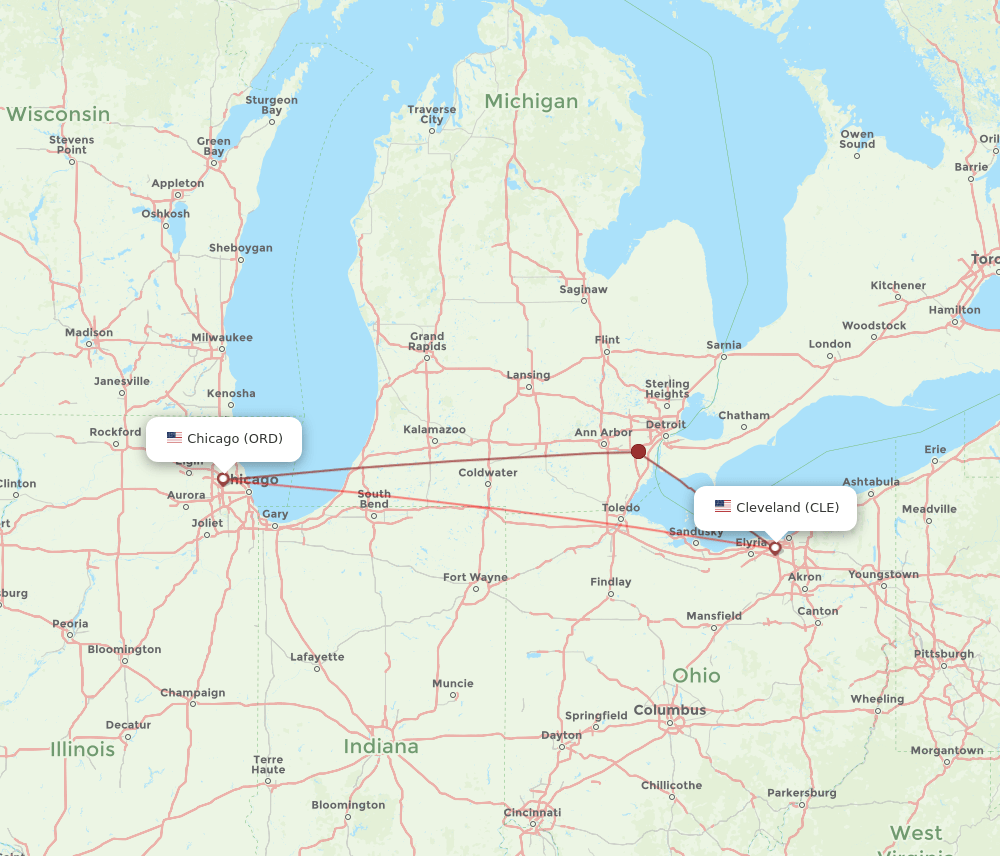
For the vast majority of travelers, driving is the preferred method, offering flexibility and the chance to explore. The approximate driving distance between downtown Cleveland and downtown Chicago typically ranges from 340 to 355 miles (approximately 547 to 571 kilometers), depending on the specific starting and ending points within each city and the exact highway route taken.
Under optimal conditions, without significant traffic delays or extended stops, this journey can be completed in about 5.5 to 6 hours. However, it is crucial to factor in potential variables such as construction zones, rush hour congestion, especially when entering or exiting major urban areas like Chicago or Toledo, and necessary breaks for fuel, food, and rest. A more realistic estimate for a comfortable drive, allowing for a couple of stops, is closer to 6.5 to 7 hours.
The route primarily follows major interstates, predominantly the Ohio Turnpike (Interstate 80/Interstate 90) and then I-80 or I-90 through Indiana into Illinois. These are well-maintained roads designed for long-distance travel, though they do involve tolls, particularly in Ohio and Indiana.
Alternative Modes: Air and Rail
While driving offers unparalleled flexibility, other modes of transport cater to different preferences and needs.
-
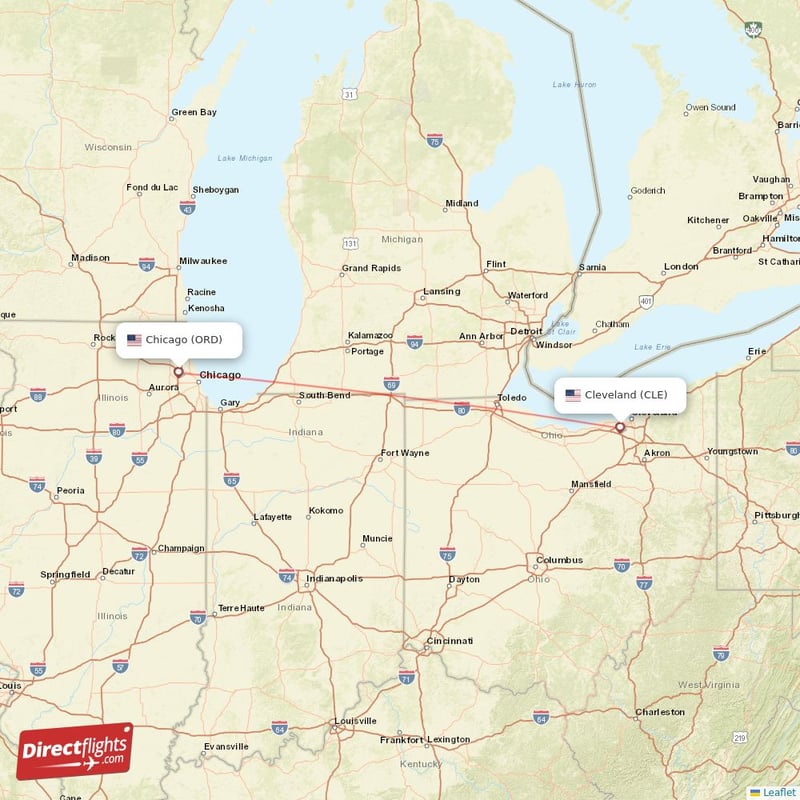
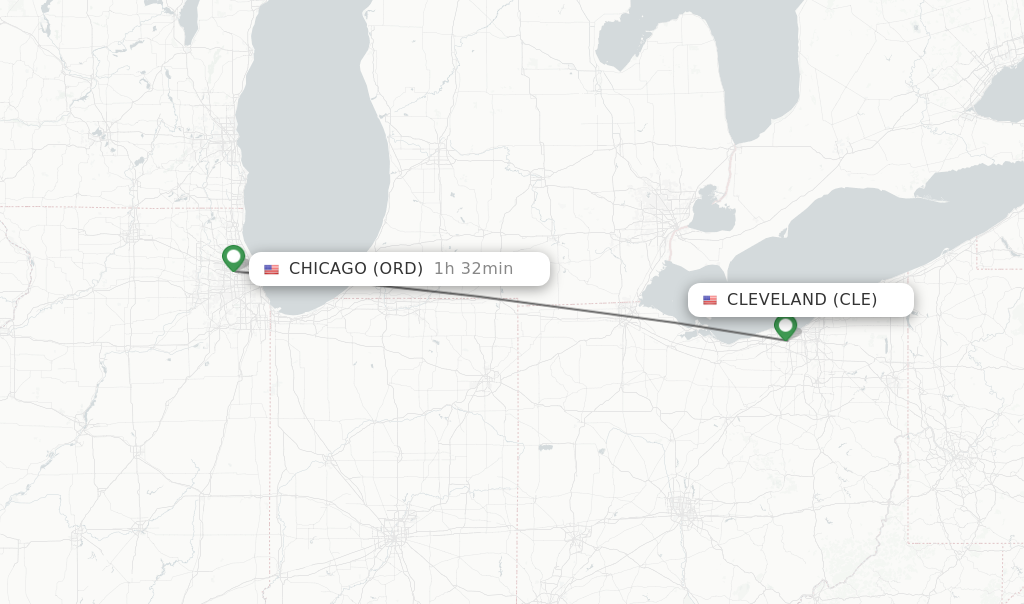
Air Travel: Flying is the fastest option for covering the distance. A direct flight between Cleveland Hopkins International Airport (CLE) and Chicago O’Hare International Airport (ORD) or Midway International Airport (MDW) typically takes around 1 hour and 15 minutes to 1 hour and 30 minutes in the air. However, when factoring in airport security, check-in, boarding, and travel to and from the airports, the total door-to-door travel time can easily extend to 4-5 hours, making it comparable to driving in some scenarios, especially for those residing close to a city center.
-
Rail Travel: Amtrak provides train service connecting the two cities. The Lake Shore Limited route runs through Cleveland and Chicago. While it offers a scenic and relaxing alternative, train journeys are considerably longer than driving or flying. The typical duration for this rail journey is approximately 6.5 to 7.5 hours, often subject to minor delays. This option is popular for those who prefer not to drive, enjoy the journey itself, or wish to avoid the complexities of air travel.
Navigating the Midwest: Driving Routes and Considerations
For those choosing to drive, understanding the primary routes and potential variations is key to a smooth trip. The journey through Ohio, Indiana, and Illinois is predominantly straightforward, but a few details can enhance the experience.
The Direct Path: I-80/I-90 Toll Road
The most direct and frequently used route from Cleveland to Chicago is via the Ohio Turnpike (I-80/I-90 West), which transitions into the Indiana Toll Road (also I-80/I-90 West). This route is renowned for its efficiency and well-maintained infrastructure.
- Through Ohio: From Cleveland, drivers will merge onto the Ohio Turnpike heading west. This segment of the journey will take you past cities like Toledo, a common refueling and rest stop. The Ohio Turnpike is a limited-access highway, meaning fewer exits and generally faster travel.
- Through Indiana: Upon crossing into Indiana, the highway becomes the Indiana Toll Road. This section continues the efficient, high-speed travel, passing through northern Indiana cities such as South Bend. As you approach the Illinois border, I-90 typically veers northwest towards downtown Chicago, while I-80 continues west and south around the metro area.
- Entering Chicago: Depending on your final destination within Chicago, you’ll typically take I-90 (the Chicago Skyway and Dan Ryan Expressway) directly into the city center. Be prepared for potentially heavy traffic as you enter the metropolitan area, especially during peak hours.
Scenic Alternatives and Stops
While the toll roads offer speed, some travelers might prefer a slightly longer but potentially more scenic or amenity-rich route.
- US-20/US-6 Alternative: For those wishing to avoid tolls in Ohio, taking US-20 West or US-6 West can be an option, though it will add significant time due to lower speed limits and more frequent stops in towns. These routes often parallel the turnpike and offer a glimpse into smaller Midwestern communities.
- Stopping Points: Regardless of the route, ideal stopping points can be found in cities like Toledo (Ohio), offering a range of services and attractions, or South Bend (Indiana), home to the University of Notre Dame. These offer good opportunities to stretch, grab a meal, or briefly explore.
Practical Driving Tips
- Tolls: Both the Ohio Turnpike and Indiana Toll Road are tolled. Having an E-ZPass transponder is highly recommended for seamless travel and discounted rates, though cash payment options are available at some plazas.
- Traffic Apps: Utilize real-time navigation apps like Google Maps or Waze to monitor traffic conditions, especially around Cleveland, Toledo, and Chicago, and to identify potential detours for unexpected delays.
- Vehicle Maintenance: For a trip of this length, ensure your vehicle is in good working order, with proper tire pressure, fluid levels, and sufficient fuel.
- Weather: The Midwest can experience diverse weather conditions. Check forecasts, especially during winter months, as heavy snow or ice can severely impact travel times.
Beyond the Miles: What to Expect on Your Trip
The journey from Cleveland to Chicago is more than just covering distance; it’s an opportunity to experience a slice of Midwestern America and transition between two distinct urban environments.
En Route Attractions and Diversions
While the primary goal is often to reach the destination efficiently, conscious travelers can enhance their trip with a few planned stops.
- Toledo, Ohio: Home to the Toledo Museum of Art and its impressive glass collection, or the beautiful Metroparks of the Toledo Area. It’s a convenient mid-point for a longer break.
- Sandusky, Ohio: Just east of the direct route, Sandusky is home to Cedar Point, one of the world’s premier amusement parks. If time allows for an overnight stay or a significant detour, it’s a world-class attraction.
- South Bend, Indiana: Explore the iconic campus of the University of Notre Dame, famous for its golden dome and historic architecture.
These stops can break up the monotony of highway driving and offer memorable experiences, transforming the transit into a mini-adventure of its own.
Preparing for Your Arrival
As you near Chicago, the landscape shifts from rural and suburban stretches to an increasingly dense urban environment. Prepare for:
- Increased Traffic: Chicago is a major metropolitan hub. Traffic congestion, particularly on the Dan Ryan Expressway and approaching the Loop, can be significant.
- Parking: Parking in Chicago can be expensive and challenging to find. Research parking options at your destination or hotel in advance, or consider utilizing park-and-ride facilities and Chicago’s extensive public transit system, the CTA.
- City Navigation: Have your navigation system ready and be aware of one-way streets and complex intersections within the city.
Making the Most of Your Midwest Connection
Whether your trip is for business or leisure, efficiently traveling between Cleveland and Chicago sets the stage for a fulfilling experience in both dynamic cities.
Planning for Both Cities
When you plan your journey, consider what awaits you at either end. Cleveland offers attractions like the Rock & Roll Hall of Fame and a vibrant culinary scene, while Chicago boasts world-class museums such as the Art Institute of Chicago, stunning architecture, and deep-dish pizza. Understanding the travel time allows you to maximize your exploration of these distinct urban offerings.
Optimizing Your Travel Experience
- Time of Day: Driving during off-peak hours can significantly reduce travel time, especially when leaving Cleveland or approaching Chicago.
- Group Travel: Carpooling can make the trip more economical, splitting fuel and toll costs, and more engaging with company.
- Relaxation: For longer drives, consider breaking the journey into two shorter segments if you have ample time, perhaps with an overnight stay in Toledo or South Bend to fully enjoy the drive and intermediate attractions.
The distance from Cleveland to Chicago is manageable and opens up a wealth of possibilities for travelers. By understanding the mileage, travel times, and logistical considerations, you can transform a simple transit into an integral part of your Midwest adventure.
LifeOutOfTheBox is a participant in the Amazon Services LLC Associates Program, an affiliate advertising program designed to provide a means for sites to earn advertising fees by advertising and linking to Amazon.com. Amazon, the Amazon logo, AmazonSupply, and the AmazonSupply logo are trademarks of Amazon.com, Inc. or its affiliates. As an Amazon Associate we earn affiliate commissions from qualifying purchases.