
Alaska, a land of breathtaking natural beauty and extreme environmental conditions, presents a unique proposition for travelers seeking experiences beyond the ordinary. For many, the allure of the Last Frontier lies not just in its majestic mountain ranges and abundant wildlife, but also in its distinctive celestial phenomena. Among the most frequently asked questions by potential visitors is about the duration of darkness, particularly the phenomenon of the polar night. Understanding the seasonal variations in daylight is crucial for planning a trip to Alaska, influencing everything from the types of activities available to the best time to witness its most iconic sights. This exploration delves into the specifics of Alaskan darkness, offering insights for the discerning traveler.
Understanding Alaska’s Unique Daylight Cycles
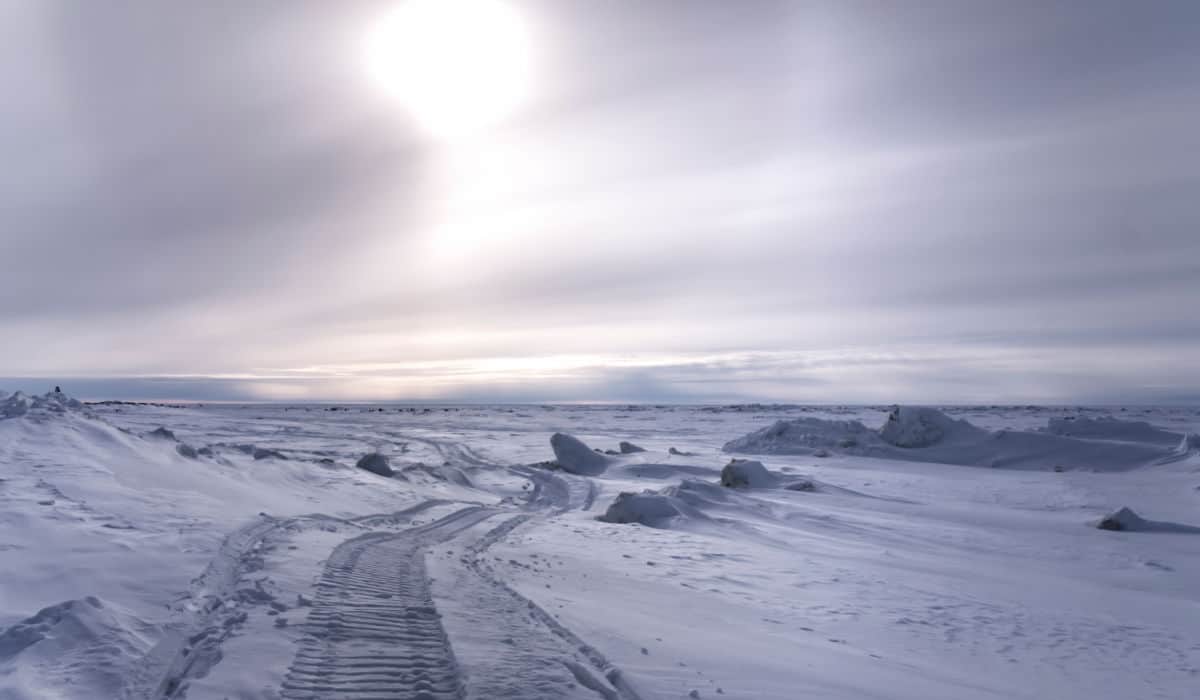
Alaska’s vast geographical expanse, stretching across numerous degrees of latitude, places a significant portion of the state well within the Arctic Circle. This extreme northern location dictates the dramatic fluctuations in daylight hours throughout the year. Unlike more temperate regions where daylight hours vary gradually, Alaska experiences periods of prolonged daylight in summer and extended darkness in winter.
The Summer Solstice: Midnight Sun
The period around the summer solstice, typically on June 20th or 21st, marks the longest day of the year. In many parts of Alaska, this translates to the phenomenon known as the Midnight Sun. This is when the sun remains visible above the horizon for 24 hours or more. In cities like Barrow (now Utqiaġvik), the northernmost point of the United States, the Midnight Sun can last for over two months, from late May to late July. Further south, in Anchorage or Fairbanks, while there isn’t 24-hour daylight, the days are incredibly long, with the sun setting for only a few hours, often dipping just below the horizon before rising again. This extended daylight offers unparalleled opportunities for outdoor exploration and sightseeing. Travelers can hike, fish, or explore national parks well into the evening, making the most of every moment of the Alaskan summer.
The Winter Solstice: Polar Night
Conversely, the winter solstice, around December 21st, signifies the shortest day of the year and the onset of the polar night in the northernmost regions of Alaska. This is the period when the sun does not rise at all above the horizon. In Barrow, the polar night can last for approximately 65 days, from mid-November to late January. During this time, the landscape is bathed in a perpetual twilight, with the sun appearing as a faint glow on the horizon for a few hours each day, if at all. Even in cities further south, daylight hours are severely limited. Fairbanks, for instance, experiences only about three to five hours of usable daylight during the darkest months. While this might seem daunting to some, it creates a unique atmosphere and is the prime season for witnessing the spectacular Northern Lights. The prolonged darkness is essential for the aurora borealis to become visible, offering a magical spectacle for those who brave the winter chill.
Factors Influencing Daylight Hours
The duration of darkness in Alaska is not uniform across the entire state. Several factors influence the exact number of months experiencing extreme daylight or darkness.
Latitude: The Primary Determinant
The most critical factor is latitude. The further north one travels in Alaska, the more pronounced the effects of the Midnight Sun and polar night become. The Arctic Circle itself is a significant marker. Any location north of the Arctic Circle will experience at least one day of 24-hour daylight and one day of 24-hour darkness annually. As latitude increases, the duration of these phenomena extends.
- South of the Arctic Circle: Regions like Juneau or Ketchikan, located in the Panhandle, experience more conventional daylight cycles, albeit with longer days in summer and shorter days in winter than in the contiguous United States. They do not experience true polar night.
- North of the Arctic Circle: Areas such as Prudhoe Bay and Utqiaġvik (formerly Barrow) are subject to the most extreme variations. Here, the concept of “months of darkness” or “months of daylight” becomes most relevant.
Topography and Coastal vs. Interior Locations
While latitude is primary, topography and geographical location also play a role. Coastal areas may experience slightly different light patterns due to atmospheric conditions and the reflective properties of water. However, the differences are generally less significant than those dictated by latitude. The interior of Alaska, being further from the moderating influence of the ocean, can experience more extreme temperature variations, which often coincide with the most extreme daylight variations.
Practical Implications for Travelers
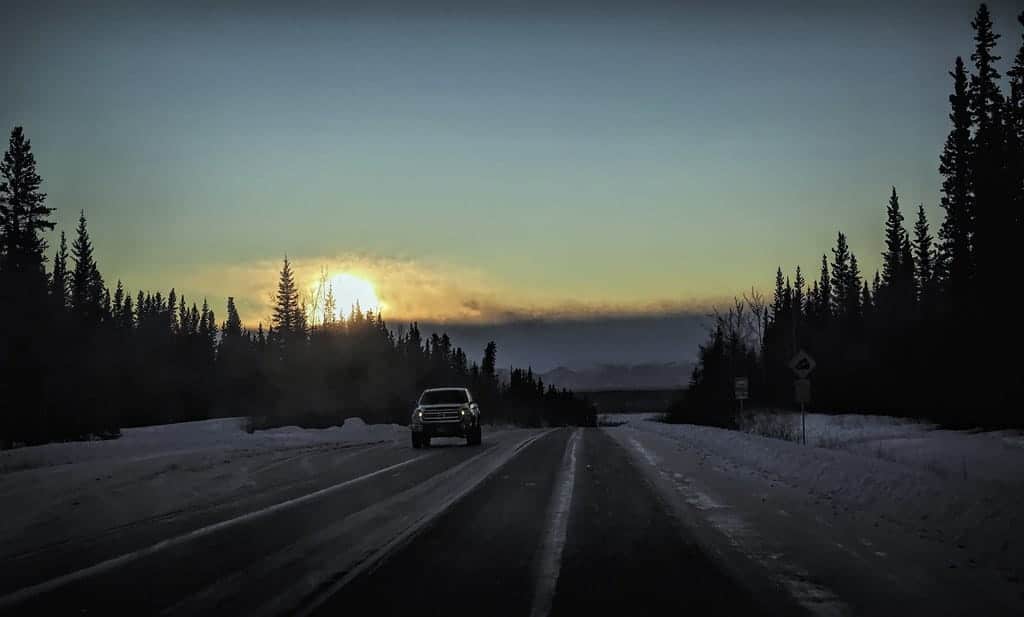
Understanding Alaska’s daylight cycles is not just an academic exercise; it has profound implications for planning a trip. The season you choose to visit will dictate the activities available and the overall experience you can expect.
Summer Travel: Maximizing Daylight for Exploration
Visiting Alaska during the summer months, from May to August, means embracing the extended daylight. This is the peak tourist season for good reason.
- Activities: With the Midnight Sun or long twilight hours, travelers can pack more into their days. Hiking in Denali National Park, exploring the coastal waters around Kodiak Island, or taking a scenic drive along the Parks Highway can all be enjoyed at unconventional hours.
- Wildlife Viewing: Many of Alaska’s iconic animals, such as moose, caribou, and bears, are most active during the longer daylight hours. Boat tours for whale watching or bear viewing are highly recommended during this period.
- Logistics: While extended daylight is a benefit, it also means higher prices for flights and accommodations. Booking in advance is essential, especially for popular destinations like Seward and Homer.
Winter Travel: Embracing the Darkness for Unique Wonders
The winter months, from November to March, present a dramatically different Alaskan experience, characterized by prolonged darkness and cold.
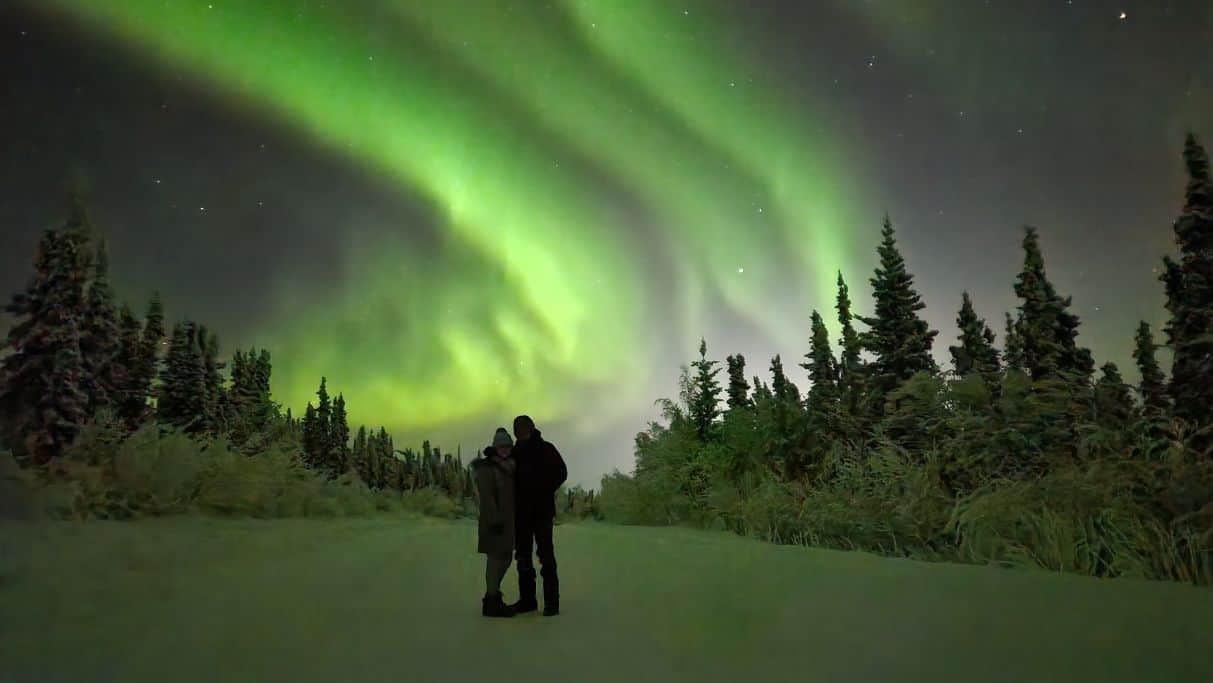
- The Northern Lights: This is the prime season for witnessing the Aurora Borealis. Cities like Fairbanks are renowned for their aurora viewing opportunities, offering dedicated tours and accommodations. The months of September through April are generally considered the best for aurora viewing, with the darkest periods offering the highest probability of sightings.
- Winter Sports: For the adventurous, winter in Alaska offers opportunities for skiing, snowboarding, snowmobiling, and dog sledding. Many resorts and tour operators cater to these activities.
- Cultural Experiences: The darkness fosters a unique cultural rhythm. Travelers can experience the warmth of Alaskan hospitality in cozy lodges, learn about indigenous cultures, and enjoy hearty Alaskan cuisine. The lack of daylight means fewer outdoor activities, encouraging a focus on indoor pursuits and the mesmerizing celestial displays.
Quantifying “Months of Darkness”
The question “How many months is it dark in Alaska?” is best answered by considering specific locations and the definition of “dark.”
Defining “Dark”
- Polar Night (24-hour darkness): This occurs north of the Arctic Circle when the sun does not rise above the horizon at all. In Utqiaġvik, this period effectively lasts for about two full months (roughly mid-November to mid-January).
- Limited Daylight (Twilight): In areas south of the Arctic Circle, but still at high latitudes like Fairbanks, there isn’t 24-hour darkness, but the daylight hours can be as short as three to five hours per day. This period of significantly reduced daylight can extend for several months, typically from November through February.
A General Overview
While specific definitions vary, one can generalize:
- Extreme North (e.g., Utqiaġvik): Experiences approximately 2 months of true polar night (24-hour darkness) and several more months with very limited, twilight-only daylight.
- Interior Alaska (e.g., Fairbanks): Experiences about 4-5 months (from November to March) where daylight hours are significantly reduced (less than 6 hours per day), with the darkest period concentrated in December and January.
- Southern Alaska (e.g., Anchorage, Juneau): Experiences shorter winter days, but not polar night. Daylight hours in winter are comparable to those in parts of Canada or the northern United States, typically with around 6-8 hours of daylight in the darkest months.
Ultimately, Alaska’s dramatic interplay of light and darkness is a defining characteristic of this magnificent state. For travelers, understanding these cycles is key to unlocking the unique experiences that Alaska offers, whether bathed in the perpetual glow of the summer sun or illuminated by the ethereal dance of the Northern Lights under a star-studded winter sky. Each season presents its own set of wonders, making Alaska a destination that rewards exploration year-round.
LifeOutOfTheBox is a participant in the Amazon Services LLC Associates Program, an affiliate advertising program designed to provide a means for sites to earn advertising fees by advertising and linking to Amazon.com. Amazon, the Amazon logo, AmazonSupply, and the AmazonSupply logo are trademarks of Amazon.com, Inc. or its affiliates. As an Amazon Associate we earn affiliate commissions from qualifying purchases.