
The journey between the high-altitude ponderosa pines of Flagstaff and the shimmering neon skyline of Las Vegas represents one of the most iconic road trips in the United States. Spanning approximately 250 miles, this route offers travelers a seamless transition from the rugged Colorado Plateau to the sun-drenched floor of the Mojave Desert. Whether you are embarking on a cross-country adventure or simply seeking a weekend escape, understanding the logistics of this drive is essential for a smooth travel experience.
Navigating the Route: Distance and Driving Time
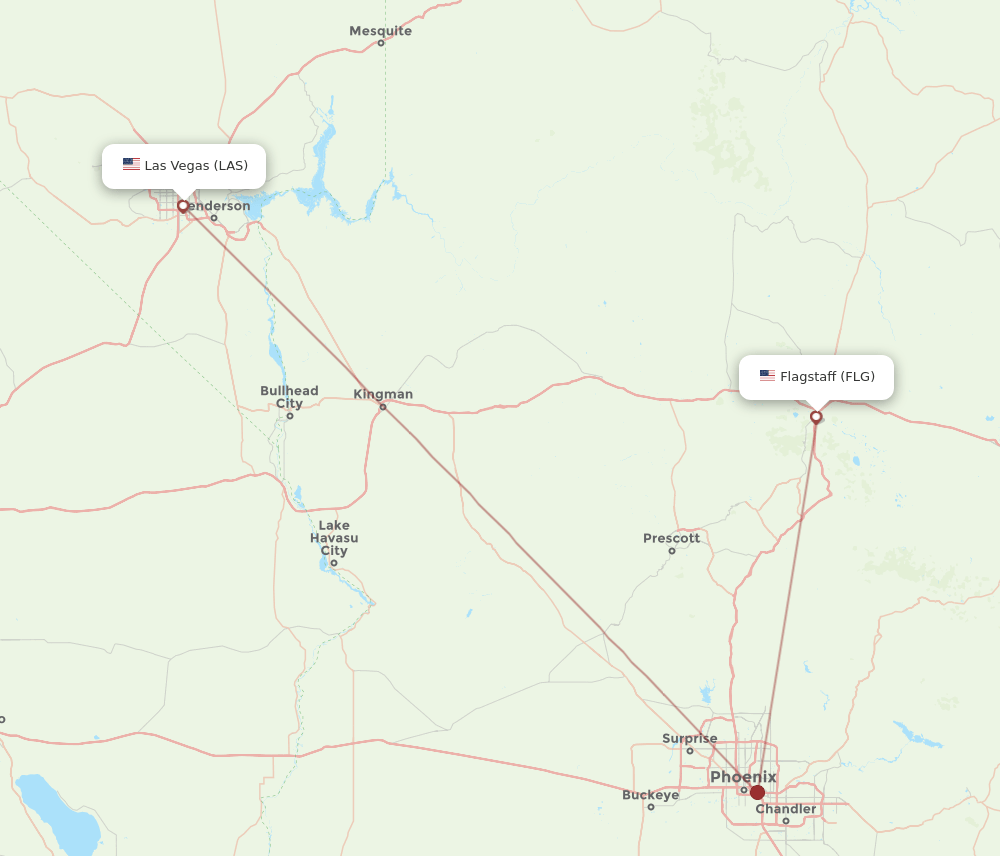
For the majority of travelers, the primary path connecting these two cities is via Interstate 40 West to U.S. Route 93 North. This straightforward route typically takes between four and five hours, depending on traffic conditions and personal pace.

Understanding Road Conditions
The drive is generally uncomplicated, characterized by well-maintained highways and vast, sweeping vistas. However, travelers should remain aware of seasonal shifts. During the winter months, Flagstaff frequently experiences significant snowfall, which can occasionally lead to temporary closures on regional highways. Conversely, as you descend into the Nevada basin, temperatures rise dramatically, especially during the summer, necessitating a well-maintained vehicle with a reliable cooling system.
Timing Your Departure
To optimize your travel time, aim to depart early in the morning. Leaving before the mid-morning rush ensures you avoid potential congestion around major transit hubs. Furthermore, driving during the cooler hours of the day makes the transition across the Arizona desert much more comfortable, allowing you to enjoy the changing landscape without the fatigue often associated with peak-sun exposure.
Scenic Highlights Along the Way
While the drive can be completed in a single stretch, the region is teeming with breathtaking landmarks that warrant a detour. Integrating a few stops into your itinerary transforms a functional commute into a memorable American expedition.
The Hoover Dam
As you approach the border between Arizona and Nevada, the Hoover Dam serves as an engineering marvel that is impossible to miss. Spanning the Colorado River, this historic site offers spectacular photo opportunities and deep insight into the industrial history of the American West. Walking across the Mike O’Callaghan–Pat Tillman Memorial Bridge provides a vertigo-inducing, panoramic view of the dam below, making it a perfect spot to stretch your legs and break up the drive.
Kingman and Historic Route 66
Before merging fully onto the final stretch toward Las Vegas, you will pass through Kingman. This town serves as a nostalgic hub for Route 66 enthusiasts. The city’s historic district is filled with kitschy diners, classic signs, and a deep appreciation for the “Mother Road.” It serves as an ideal location for a midday meal, offering a glimpse into the mid-century American travel culture that defined road trips for generations.
Essential Tips for a Successful Road Trip
Crossing the Southwest requires preparation. Because you will be traversing long stretches of remote highway where cellular service may be intermittent, foresight is your greatest asset.
Vehicle Readiness
Before departing, ensure your vehicle is up to the task. Check your tire pressure, coolant levels, and oil. The Mojave Desert is unforgiving to mechanical failures. Always keep a gallon of water in the trunk, regardless of the season, and keep a paper map as a reliable backup to GPS systems.
Hydration and Provisions
Because of the arid climate found throughout much of this route, dehydration can set in faster than you might realize, even in the car. Maintain a consistent intake of water. While convenience stores are available in towns like Williams and Kingman, stocking up on healthy snacks and hydration before leaving Flagstaff will save you time and ensure you have what you need if you decide to pull over and explore a remote trail or viewpoint.
Managing Expectations for Traffic
As you approach Las Vegas, particularly on a Friday afternoon or Sunday evening, traffic volume will increase significantly. The influx of weekend tourists from Southern California often converges on the same highways. Planning your arrival for mid-week or off-peak hours can drastically reduce the time spent in stop-and-go traffic upon your entry into the Las Vegas Valley.
Choosing Your Mode of Transportation
While the private automobile remains the most popular method for traveling between these two United States destinations, it is not the only option.
Rental Car Considerations
For those flying into Flagstaff Pulliam Airport and intending to drop a car off at Harry Reid International Airport, it is vital to research one-way rental fees in advance. Many rental agencies allow this, but the costs can be significantly higher than a round-trip rental due to the logistical requirements of moving fleet vehicles between different regions.

Bus and Shuttle Alternatives
If you prefer not to drive, several shuttle services operate routes between Northern Arizona and Las Vegas. These services provide a stress-free environment where you can view the landscape without the responsibility of navigating. While this removes the flexibility of spontaneous stops, it offers a reliable and comfortable alternative for solo travelers or those unfamiliar with regional driving patterns.
By understanding the distance, preparing for the unique environmental conditions of the Southwest, and scheduling your departure wisely, the journey from Flagstaff to Las Vegas becomes an integral part of your overall experience. Whether you are seeking the tranquility of the mountain pines or the high-energy stimulation of the world-famous Las Vegas Strip, the four-to-five-hour drive serves as a beautiful bridge between two vastly different, yet equally captivating, facets of the United States. Embrace the vastness, respect the elements, and enjoy the open road as you transition from the heights of Arizona to the lights of Nevada.
LifeOutOfTheBox is a participant in the Amazon Services LLC Associates Program, an affiliate advertising program designed to provide a means for sites to earn advertising fees by advertising and linking to Amazon.com. Amazon, the Amazon logo, AmazonSupply, and the AmazonSupply logo are trademarks of Amazon.com, Inc. or its affiliates. As an Amazon Associate we earn affiliate commissions from qualifying purchases.