
Planning a trip to the entertainment capital of the world requires more than just picking out the perfect show or securing a reservation at a high-end restaurant. One of the most critical logistical components of your itinerary is understanding the time investment required to reach Las Vegas. While the allure of the neon lights and the bustling Las Vegas Strip is universal, the journey itself varies significantly depending on your starting point, carrier choice, and the type of flight you select.
Understanding the Factors Influencing Flight Duration
When you look at a map, it is easy to assume that flight time is purely a product of geographical distance. However, several variables can turn a straightforward flight into a lengthy endeavor. Whether you are traveling domestically from New York or internationally from London, understanding these factors is essential for managing your expectations.
The Impact of Geographical Starting Points
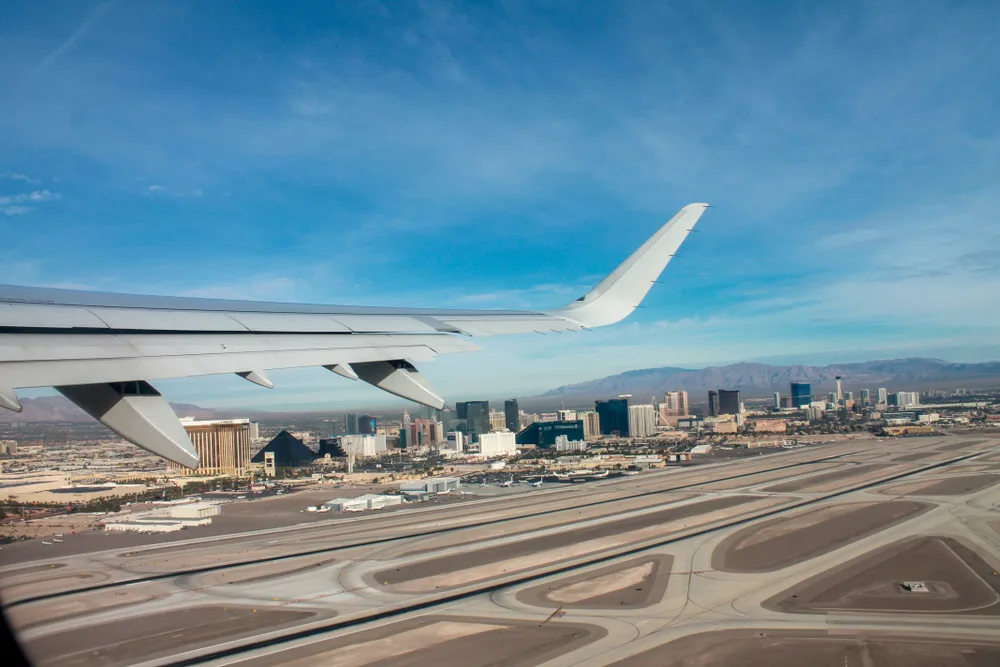
The most obvious factor is your origin. A flight from Los Angeles to Harry Reid International Airport is often a short hop, sometimes lasting less than an hour in the air. Conversely, travelers departing from Chicago or Atlanta will find themselves in the air for approximately four hours. These variations are standard, but they become more complex when crossing international borders or navigating transoceanic routes.
Direct Versus Connecting Flights
The choice between a direct flight and a connecting flight is the single biggest determinant of your total travel time. A direct flight might take five hours, while a flight with a layover in Denver or Dallas could push your total travel time to seven or eight hours. Travelers often weigh the cost-saving benefits of connecting flights against the time-efficiency of non-stop options. While the lure of a cheaper ticket is strong, the fatigue associated with navigating through a busy hub like Phoenix can significantly dampen the excitement of arriving in the United States.
Weather Patterns and Jet Streams
Commercial aviation is heavily dictated by the jet stream—a high-altitude wind current that moves west to east. When flying from the East Coast of the United States toward the West, planes often face a “headwind” that can add 30 to 45 minutes to the flight duration. Conversely, flights returning from Las Vegas to Boston or Miami often benefit from a “tailwind,” resulting in a faster trip. Meteorological conditions, including thunderstorms in the Midwest or severe turbulence, can further alter these flight paths and durations.
Typical Flight Times from Major Global Hubs
To assist in your travel planning, it is helpful to categorize flight times based on general regions. These estimates assume non-stop, direct flights under normal cruising conditions.
Domestic Travel within the United States
For those arriving from within the United States, the journey is generally manageable. From the West Coast, such as San Francisco or Seattle, flight times typically range between 90 minutes and two hours. Moving toward the center of the country, cities like Houston or Minneapolis generally see flight times in the three-to-four-hour range. East Coast departures, such as from Washington D.C. or Philadelphia, are the longest domestic routes, often hovering around five to five-and-a-half hours.

International Arrivals and Long-Haul Journeys
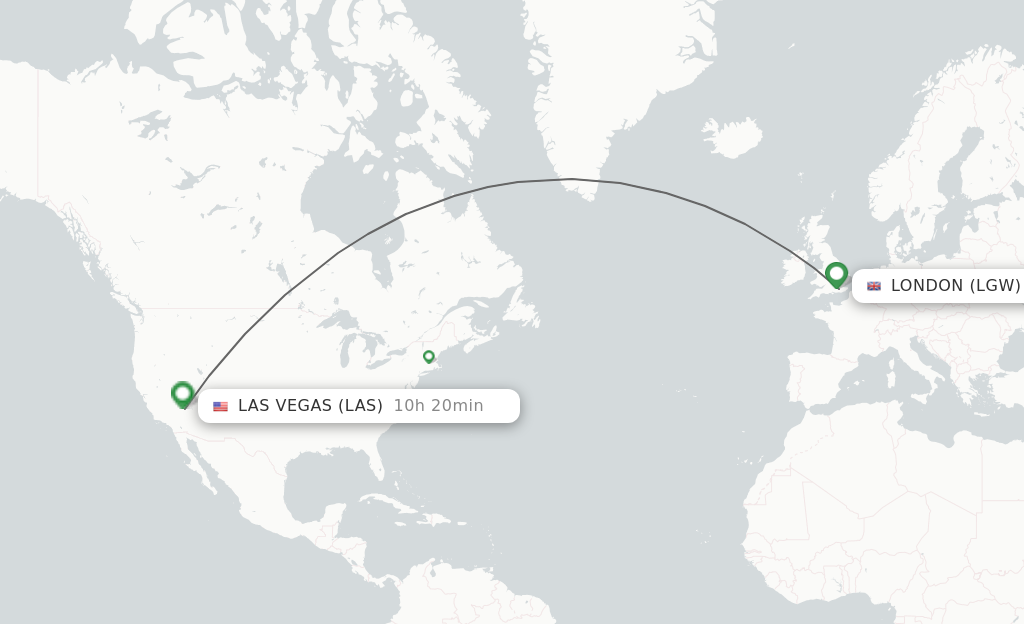
International travelers have a more significant commitment. A flight from Toronto or Vancouver in Canada usually clocks in at four to five hours. Travelers coming from Europe, such as those departing from Paris, Frankfurt, or Amsterdam, can expect a flight time between 10 and 12 hours. From Asia, particularly from hubs like Tokyo or Seoul, flights are considerably longer, often requiring 11 to 14 hours in the air.
Managing Your Time: Tips for a Smoother Journey
Regardless of whether your flight is two hours or 14 hours, the experience of traveling to a destination as high-energy as Nevada can be improved with strategic planning.
Strategic Booking
If you value your time above all else, always prioritize non-stop flights. While they may carry a premium price, the ability to avoid terminal changes and the risk of missed connections is invaluable. Utilize reputable travel aggregation sites to filter specifically for “non-stop only.” If you must take a connecting flight, aim for a minimum of a two-hour layover to accommodate potential delays of your incoming flight.
Dealing with Jet Lag
Crossing multiple time zones can wreak havoc on your internal clock. Upon landing at Harry Reid International Airport, it is tempting to head straight to the casino floor or a show at the MGM Grand. However, experts suggest staying hydrated and adjusting your watch to local time as soon as you board the plane. If you arrive in the evening, try to push through to a standard bedtime to help your body acclimate to the Pacific Time Zone more effectively.
Maximizing Comfort
For longer flights, seat selection is paramount. If you are flying premium economy or business class, the extra legroom and recline features can make a significant difference in how you feel upon arrival. If flying economy, choosing an aisle seat can allow for better circulation and easier access to the aisle for movement, which is crucial on flights lasting longer than four hours. Additionally, bringing noise-canceling headphones, a neck pillow, and a pre-downloaded selection of entertainment can make even a 12-hour flight feel significantly shorter.
Arrival and Logistics at Harry Reid International Airport
Once your plane touches down, you will find yourself at one of the busiest and most efficient airports in the country. Harry Reid International Airport is uniquely positioned just minutes away from the major resort corridors.
Navigating the Airport
The airport is divided into multiple terminals and concourses. Be aware that you may need to take an inter-terminal transit train to reach baggage claim or ground transportation. Because this airport serves as a gateway to both the Las Vegas Strip and Downtown Las Vegas, it is designed to move large volumes of people quickly.
Ground Transportation Efficiency
Upon exiting the terminal, you have several options to reach your destination. Ride-sharing services, traditional taxis, and shuttle buses are all readily available. Because the airport is so close to the Las Vegas Strip, the final leg of your journey after your flight is typically very short—often 15 to 20 minutes. This is a massive advantage compared to other major tourist destinations where the airport might be an hour or more away from the city center. By understanding your flight duration and preparing your logistics, you can transition seamlessly from the monotony of the sky to the vibrant, neon-soaked excitement that awaits you in the desert.
LifeOutOfTheBox is a participant in the Amazon Services LLC Associates Program, an affiliate advertising program designed to provide a means for sites to earn advertising fees by advertising and linking to Amazon.com. Amazon, the Amazon logo, AmazonSupply, and the AmazonSupply logo are trademarks of Amazon.com, Inc. or its affiliates. As an Amazon Associate we earn affiliate commissions from qualifying purchases.