
The vibrant allure of South Florida is undeniable, and two of its most captivating cities, Fort Lauderdale and Miami, often beckon travelers with their distinct charms. If you find yourself basking in the subtropical sun in Fort Lauderdale and contemplating a hop over to the electric atmosphere of Miami, a fundamental question arises: “How far from Fort Lauderdale to Miami?” This distance, while seemingly straightforward, unlocks a spectrum of travel possibilities, influencing your choice of transportation, the time you’ll spend en route, and the kinds of experiences you can readily integrate into your journey. Understanding this proximity is the first step to crafting a seamless and unforgettable South Florida adventure.
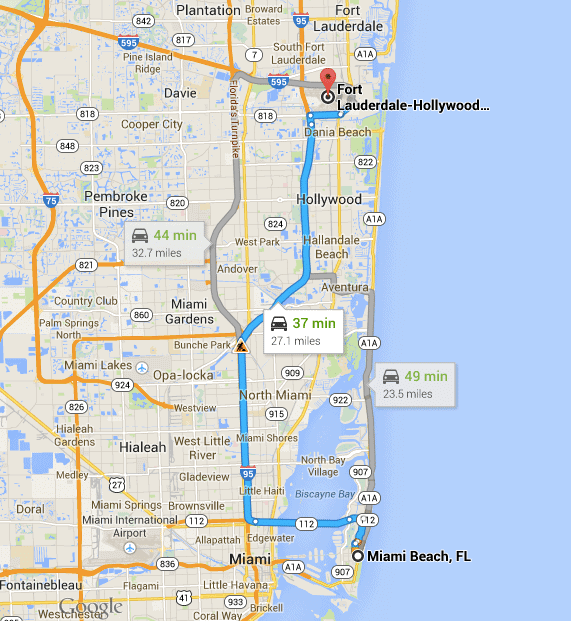
The roughly 30-mile (48-kilometer) stretch between these two iconic destinations is more than just a number; it represents a transition zone, a bridge connecting the relaxed elegance of the “Venice of America” with the pulsating international hub of Miami. This relatively short distance makes day trips feasible, spontaneous excursions practical, and a multi-city exploration incredibly accessible. Whether you’re drawn to Fort Lauderdale‘s pristine beaches and tranquil waterways or the cosmopolitan dynamism of Miami‘s art deco districts and world-class dining, navigating between them is a breeze, opening up a world of diverse activities and accommodations.
Navigating the Distance: Transportation Options from Fort Lauderdale to Miami
The journey from Fort Lauderdale to Miami is remarkably versatile, offering a range of transportation options to suit every traveler’s budget, schedule, and preference. The decision of how to make this relatively short commute often hinges on what you prioritize: speed, cost-effectiveness, comfort, or the opportunity for scenic detours. Each method provides a unique perspective on the South Florida landscape and a different preamble to your Miami experience.
Driving: The Freedom of the Open Road
For many, the most convenient and flexible way to travel from Fort Lauderdale to Miami is by car. The primary route, Interstate 95 (I-95), is a direct artery that can whisk you to your destination in approximately 30 to 45 minutes, traffic permitting. However, “traffic permitting” is a crucial caveat in South Florida. During peak hours, especially weekday mornings and late afternoons, I-95 can become heavily congested, significantly extending travel times. It’s always wise to check real-time traffic conditions before setting off.
Renting a car offers unparalleled freedom to explore at your own pace. You can make spontaneous stops, venture off the beaten path, and easily access attractions in both cities without being tied to public transport schedules. If you’re staying in a suburban area of Fort Lauderdale or planning to explore beyond the immediate downtowns of either city, a car is often the most practical choice. Parking in Miami, particularly in popular areas like South Beach or the Brickell district, can be challenging and expensive, so factor this into your budget and planning. Consider rideshare services like Uber or Lyft for shorter trips within Miami once you’ve parked your rental.
Public Transportation: Budget-Friendly and Eco-Conscious
For those seeking a more economical or environmentally friendly option, public transportation provides a viable alternative. The Brightline train service is a standout choice for inter-city travel in South Florida. It offers a comfortable, efficient, and relatively quick journey between Fort Lauderdale and Miami. The Brightline station in Fort Lauderdale is conveniently located, and its Miami Central station places you right in the heart of downtown Miami, with excellent connections to further public transit and rideshare services. The train ride itself is a pleasant experience, often taking around 30-40 minutes, and it bypasses road traffic entirely.
Beyond the Brightline, the local bus systems, primarily operated by the Broward County Transit and Miami-Dade Transit agencies, can also connect you between the two cities, though this is generally a much slower and less direct option. These routes are best suited for travelers with ample time and a desire to experience local life at a more leisurely pace. They can be significantly cheaper than driving or the Brightline, but the journey can take upwards of 1.5 to 2 hours, depending on the specific route and stops.
Rideshare and Taxis: Door-to-Door Convenience
Rideshare services like Uber and Lyft, along with traditional taxi companies, offer convenient door-to-door transportation between Fort Lauderdale and Miami. This is an excellent option if you’re traveling with luggage, have a specific pick-up or drop-off point in mind, or prefer not to worry about parking. The cost will vary depending on the time of day, demand, and the specific service you choose, but it’s generally more expensive than public transport. The travel time will be similar to driving, around 30-45 minutes without significant traffic. Booking a larger vehicle might be necessary if you have a group or a lot of baggage.
Exploring the Transition: What to See and Do Between Fort Lauderdale and Miami
While the direct route between Fort Lauderdale and Miami is a swift one, the region between these two cities is rich with potential for exploration. The landscape gradually shifts from the suburban sprawl and mangrove estuaries to the urban density and coastal beauty of Miami. Depending on your chosen mode of transport and your interests, you can incorporate fascinating stops that enhance your South Florida experience.

Coastal Charms and Everglades Encounters
For those driving or taking a taxi, the coastal route offers glimpses of the Atlantic Ocean and charming beach towns. While not directly on the most direct path, a slight detour could lead you to explore areas like Hollywood Beach or Dania Beach, each with its own unique pier and beachfront promenade. These offer a chance to stretch your legs, grab a casual bite, and enjoy the ocean breeze before continuing your journey.
If your interests lean towards nature and wildlife, the proximity of the Everglades National Park is a significant advantage. While a full day is typically dedicated to exploring the vast wetlands, you can potentially incorporate a shorter airboat tour or a visit to an educational center along the periphery of the park. These excursions offer a thrilling introduction to the unique ecosystem of South Florida and the diverse array of animals, including alligators and exotic birds, that inhabit it. Access points are generally accessible via I-75, which runs north of Miami and can be a route taken from Fort Lauderdale if you’re aiming for western Miami-Dade areas.
Urban Hubs and Cultural Pockets
As you approach Miami, the landscape transforms. If you opt for public transport like the Brightline, you’ll arrive directly into the heart of downtown Miami, a bustling urban core that is itself a destination. From Miami Central, you can easily connect to the Metrorail and Metromover systems, which can take you to various districts.
For those driving, consider a stop in areas like Wynwood, known for its vibrant street art and galleries, or the Design District, a hub for luxury shopping and art installations. These areas offer a distinct flavor of Miami‘s creative and cosmopolitan spirit. Even a quick drive through these neighborhoods can provide a taste of the city’s dynamic culture before you settle into your final destination.
Choosing Your Miami Base: Accommodation and Activities
Once you’ve made the short journey from Fort Lauderdale to Miami, the possibilities for accommodation and activities are virtually endless. Miami offers a diverse range of neighborhoods, each with its own character, catering to various travel styles and budgets. From luxurious beachfront resorts to chic urban apartments, your choice of stay will significantly shape your Miami experience.
Beachfront Bliss and Urban Sophistication
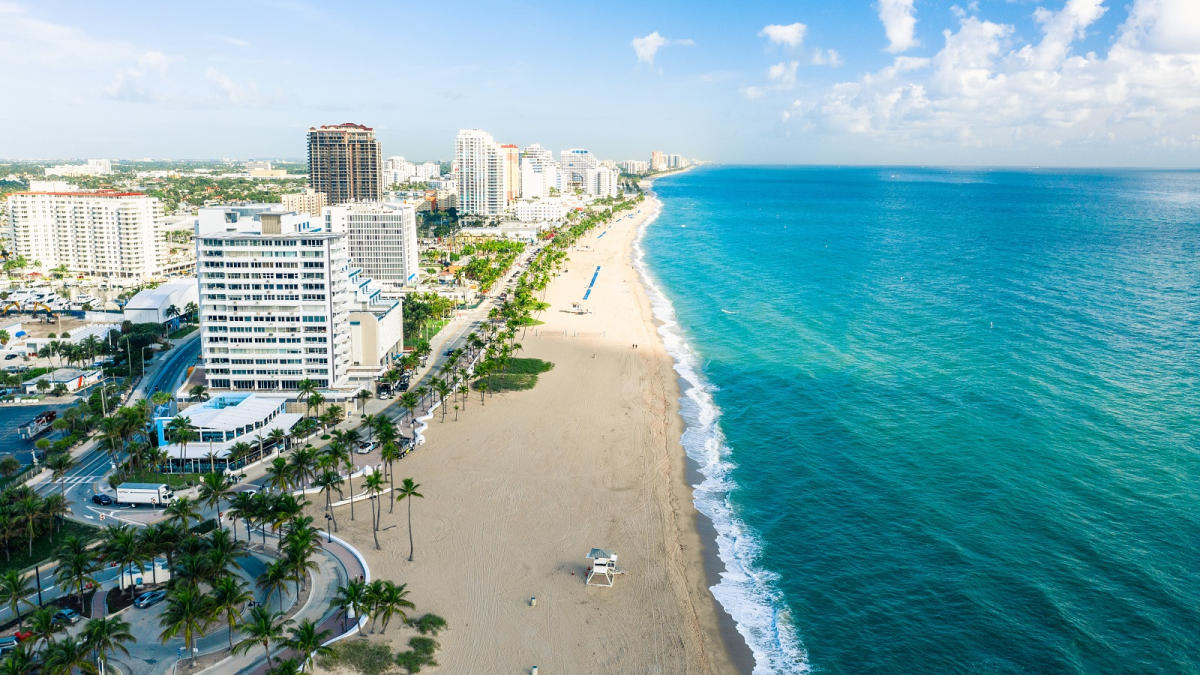
If your vision of Miami involves sun-drenched days and ocean views, staying in South Beach or along the main Miami Beach strip is ideal. Here, you’ll find iconic Art Deco architecture, world-class restaurants, and a lively nightlife. Hotels range from historic boutique establishments to sprawling resorts with all the amenities, including swimming pools, private beach access, and on-site dining. The Fontainebleau Miami Beach and the Ritz-Carlton, South Beach are prime examples of the luxurious beachfront experiences available. For those seeking a more contemporary feel, areas like Mid-Beach offer a slightly more relaxed, yet still upscale, atmosphere.
Alternatively, if you prefer the buzz of a cosmopolitan city center, consider staying in downtown Miami or the trendy Brickell neighborhood. These areas are characterized by sleek high-rise hotels, chic condominiums, and a sophisticated urban vibe. Brickell, in particular, is known for its financial district, upscale shopping at Brickell City Centre, and a vibrant dining scene. Hotels like the Mandarin Oriental, Miami or the EAST, Miami offer stunning city and bay views and easy access to the city’s cultural attractions.
Cultural Immersion and Culinary Delights
Beyond the obvious attractions of beaches and nightlife, Miami is a melting pot of cultures, offering rich experiences for those who seek them. A visit to Little Havana is a must for anyone interested in Cuban heritage. Here, you can savor authentic Cuban coffee and pastries, listen to live music, and witness the vibrant daily life of the community. The Vizcaya Museum & Gardens, a stunning Gilded Age estate, offers a glimpse into historical opulence and boasts breathtaking Italian Renaissance gardens overlooking Biscayne Bay.
For art enthusiasts, the Wynwood Walls are an outdoor museum of global street art, a truly unique and photogenic experience. The Pérez Art Museum Miami (PAMM) showcases a diverse collection of contemporary and international art with a focus on the Americas, housed in an architecturally significant building. Miami‘s culinary scene is as diverse as its population, offering everything from fresh seafood and innovative fusion cuisine to authentic ethnic flavors. Exploring neighborhoods like Coconut Grove or Coral Gables can reveal charming cafes and restaurants, offering a different pace and ambiance from the bustling beach and downtown areas.
Whether you choose to base yourself in the heart of the action or opt for a more tranquil enclave, the transition from Fort Lauderdale to Miami is a journey of discovery, unlocking a South Florida experience that is both diverse and deeply rewarding. The proximity between these two gems makes it easier than ever to sample the best of what this sun-kissed region has to offer.
LifeOutOfTheBox is a participant in the Amazon Services LLC Associates Program, an affiliate advertising program designed to provide a means for sites to earn advertising fees by advertising and linking to Amazon.com. Amazon, the Amazon logo, AmazonSupply, and the AmazonSupply logo are trademarks of Amazon.com, Inc. or its affiliates. As an Amazon Associate we earn affiliate commissions from qualifying purchases.