
The shimmering lights of Las Vegas, Nevada, often serve as a dazzling starting point for travelers eager to explore the diverse and breathtaking landscapes of the American Southwest. Just a stone’s throw away, the vast and varied state of Arizona beckons with its iconic canyons, red rock formations, vibrant desert cities, and rich cultural heritage. While the two states share a border, understanding the “how far” is more nuanced than a simple mileage number; it involves considering specific destinations within Arizona, the chosen routes, and the wealth of experiences awaiting travelers. This guide delves into the proximity and accessibility of Arizona from Las Vegas, offering insights for planning an unforgettable journey across state lines.

The Proximity and Allure of Arizona from Las Vegas
Las Vegas and Arizona are intrinsically linked, sharing a border that makes day trips and multi-day excursions between them incredibly popular. For many, Las Vegas acts as a convenient international gateway, with its major airport and extensive accommodation options providing a perfect launchpad for adventures into the Grand Canyon State. The transition from the neon-lit Strip to the rugged natural beauty of Arizona offers a striking contrast, appealing to a wide range of travelers seeking everything from outdoor thrills to serene desert retreats.
Las Vegas as a Gateway
Las Vegas’s strategic location in the southwestern United States positions it as an ideal starting point for exploring regional wonders. Its status as a major tourist hub means excellent infrastructure, including a vast array of car rental agencies, tour operators, and direct bus services that facilitate easy access to Arizona. Many visitors combine the excitement of Las Vegas with the natural splendor of Arizona into a single, comprehensive itinerary, maximizing their travel experience in the region. The proximity means that even a quick drive can take you from bustling city life to awe-inspiring natural landmarks.
Arizona’s Diverse Landscape
Arizona itself is a mosaic of diverse landscapes, each offering unique attractions. From the iconic red rock formations of Sedona and the ponderosa pine forests of Flagstaff to the vast desert expanses surrounding Phoenix and Tucson, the state presents an ever-changing panorama. The sheer scale of the Grand Canyon National Park alone is a testament to the state’s natural grandeur, drawing millions of visitors annually. This geographical diversity is a significant draw, promising a different kind of adventure depending on which part of Arizona you choose to explore.
Understanding the Distance: Key Destinations and Routes
The distance from Las Vegas to Arizona varies greatly depending on your specific destination within the state. Arizona is vast, and its border begins immediately after crossing the Hoover Dam on the Colorado River, which is only about 30 miles (48 km) southeast of Las Vegas. However, most popular tourist destinations require a more significant journey.
The Grand Canyon National Park Route
For many, the Grand Canyon is the primary draw for visiting Arizona from Las Vegas. There are two main access points for the Grand Canyon from Las Vegas: the West Rim and the South Rim.
- Grand Canyon West Rim: This is the closest section of the canyon, home to the famous Skywalk glass bridge. It’s approximately 120 miles (193 km) from Las Vegas, with a driving time of about 2 to 2.5 hours. The route typically involves taking US Route 93 south through Boulder City and past the Hoover Dam, then connecting to local roads. This makes it a popular option for day trips.
- Grand Canyon South Rim: The South Rim is the most visited and iconic part of the Grand Canyon National Park, offering more expansive views and facilities. It’s about 280 miles (450 km) from Las Vegas, with a driving time of approximately 4.5 to 5 hours. The most common route involves taking US Route 93 south to Kingman, then Interstate 40 (I-40) east to Williams, and finally State Route 64 north to the park entrance.
Journey to Phoenix and Scottsdale
Phoenix, the capital city of Arizona, and its affluent neighbor Scottsdale, represent a different facet of the state, offering urban amenities, vibrant culture, and world-class resorts amidst a stunning desert backdrop. The distance from Las Vegas to Phoenix is approximately 300 miles (483 km), and the drive typically takes 4.5 to 5 hours.
- Route: The most direct route is US Route 93 south (which is increasingly being upgraded to Interstate 11) all the way to Phoenix. This highway passes through scenic desert landscapes and smaller towns.
Exploring Kingman and Lake Havasu City
For those looking for closer Arizona experiences, cities like Kingman and Lake Havasu City offer unique attractions.
- Kingman: Located about 100 miles (161 km) southeast of Las Vegas along US Route 93 and Interstate 40, Kingman is a historic stop on the famed Route 66. The drive takes around 1.5 to 2 hours.
- Lake Havasu City: Further south, about 150 miles (241 km) from Las Vegas, Lake Havasu City is famous for the London Bridge, which was dismantled in London and reassembled here. This journey takes approximately 2.5 to 3 hours, offering water activities on Lake Havasu.
The Sedona and Flagstaff Escape
North-central Arizona offers a cooler climate and stunning natural beauty in Flagstaff and Sedona.
- Flagstaff: Situated at a higher elevation, Flagstaff is surrounded by pine forests and is a gateway to the Grand Canyon and other northern Arizona attractions. It’s approximately 260 miles (418 km) from Las Vegas, a 4 to 4.5-hour drive via US Route 93 and Interstate 40.
- Sedona: Renowned for its vibrant red rock formations and spiritual vortexes, Sedona is roughly 280 miles (450 km) from Las Vegas. The drive takes around 4.5 to 5 hours, usually accessed by continuing south from Flagstaff on Interstate 17 then taking State Route 89A, a scenic route itself.
Modes of Travel and Estimated Times
While driving offers the most flexibility, other options exist for traveling from Las Vegas to Arizona.
Driving: The Most Popular Choice
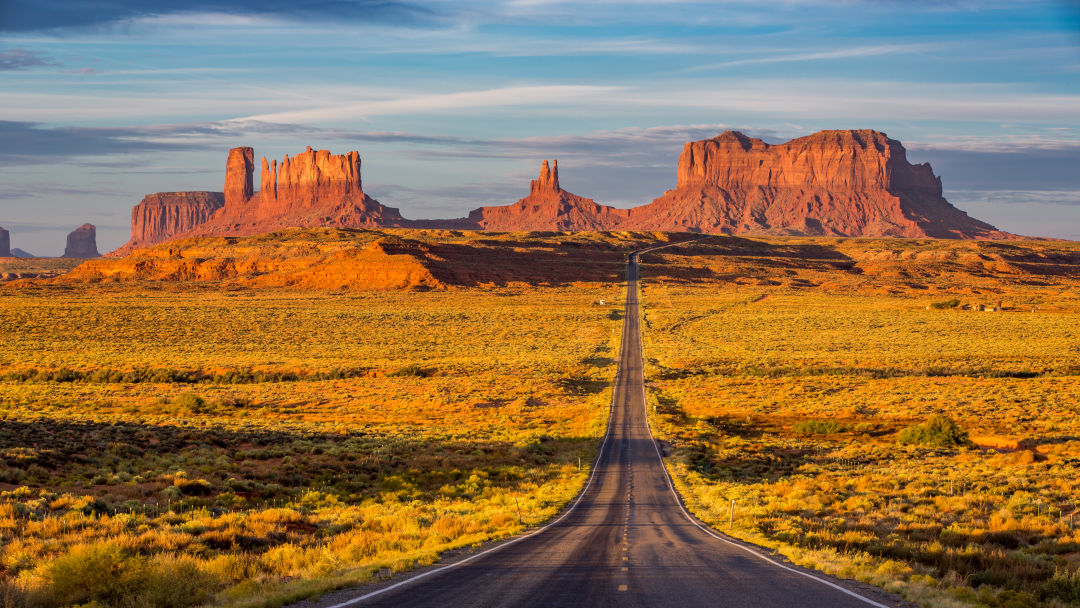
Self-driving is overwhelmingly the most popular method for exploring Arizona from Las Vegas. It provides the freedom to stop at scenic viewpoints, roadside attractions, and charming small towns along the way. Car rental agencies are abundant in Las Vegas, making it easy to pick up a vehicle. Remember to factor in fuel costs, potential tolls (though rare on these routes), and parking fees. The condition of roads connecting Las Vegas to major Arizona destinations is generally excellent, mostly consisting of well-maintained highways.
Bus Services and Tours
For those who prefer not to drive, numerous bus services and organized tours operate daily from Las Vegas to various Arizona destinations, particularly the Grand Canyon.
- Organized Tours: Many tour companies offer full-day or multi-day excursions to the Grand Canyon West Rim and South Rim, often including hotel pick-up, guided commentary, and meals. This is a hassle-free option that handles all logistics.
- Intercity Bus Lines: Companies like Greyhound offer routes from Las Vegas to cities like Kingman, Flagstaff, and Phoenix. While more economical, these services typically involve longer travel times due to multiple stops.
Air Travel Considerations
While less common for cross-border trips given the driving distances, air travel can be an option for reaching farther destinations like Phoenix or Tucson quickly. McCarran International Airport (now Harry Reid International Airport) in Las Vegas offers numerous direct flights to Phoenix Sky Harbor International Airport. The flight time is typically just over an hour, but when factoring in airport transfers, security, and check-in, it might not save significant time for destinations closer than Phoenix. For visiting the Grand Canyon by air, scenic helicopter tours departing from Las Vegas offer a spectacular, albeit expensive, way to see the canyon from above.
Planning Your Las Vegas to Arizona Road Trip
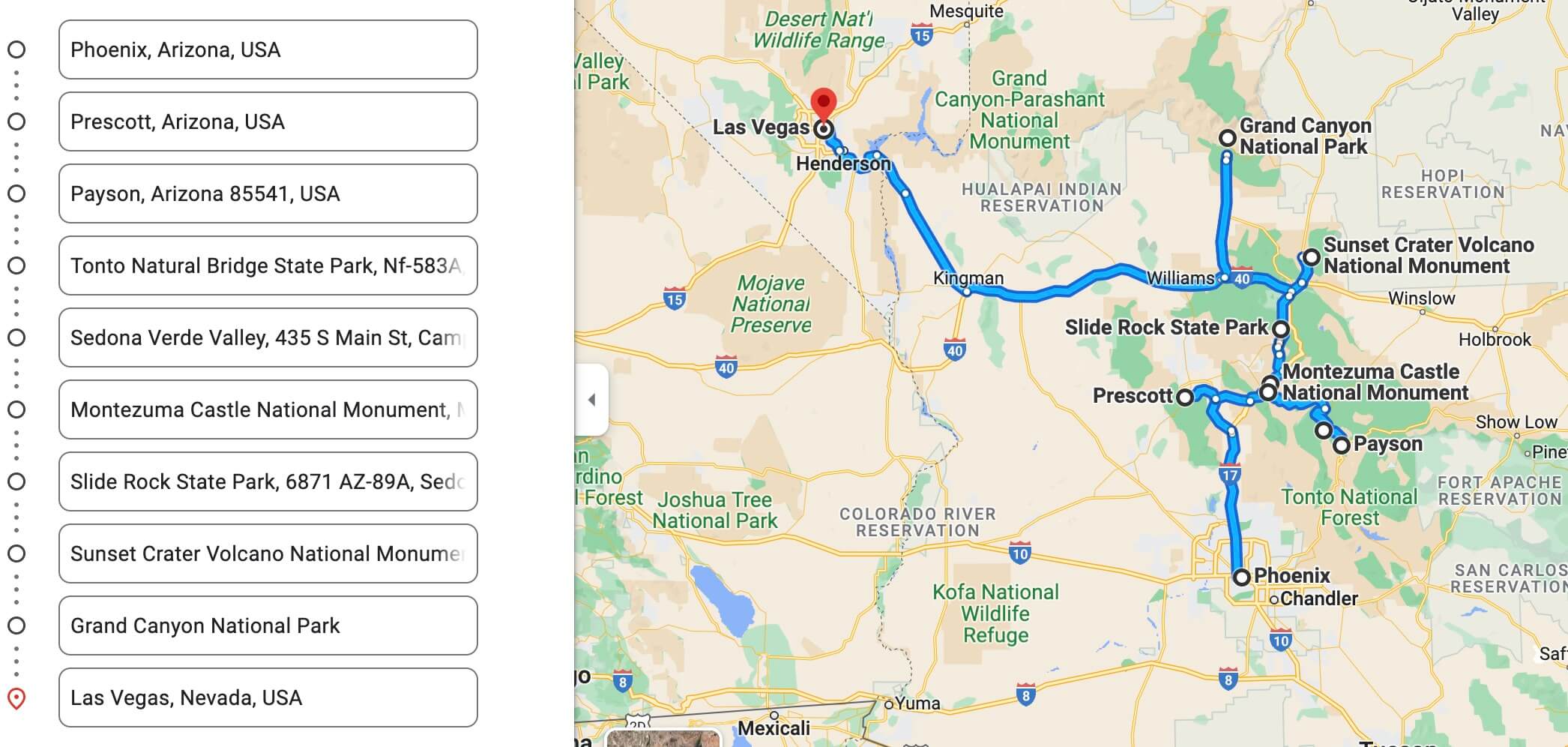
A road trip from Las Vegas to Arizona offers incredible flexibility and adventure. Careful planning can enhance the experience, ensuring a smooth and enjoyable journey.
Essential Packing Tips
The climate in the Southwest can be extreme and varied, so packing smart is crucial.
- Layers: Desert temperatures can fluctuate significantly between day and night, especially at higher elevations. Pack layers that can be added or removed easily.
- Hydration: Always carry plenty of water, especially during warmer months. Dehydration is a serious risk in the desert.
- Sun Protection: Sunscreen, hats, and sunglasses are essential year-round.
- Comfortable Footwear: You’ll likely be doing a lot of walking, especially at natural attractions.
- Navigation: While GPS is common, a physical map or downloaded offline maps can be invaluable in areas with limited cell service.
- Emergency Kit: Jumper cables, a first-aid kit, extra water, and snacks are always good to have.
Best Times to Travel
The best time to travel depends on your preferred activities and tolerance for heat.
- Spring (March to May) and Fall (September to November): These seasons offer the most pleasant weather, with moderate temperatures perfect for hiking and outdoor exploration. Wildflowers bloom in spring, and fall foliage can be surprisingly beautiful in northern Arizona.
- Winter (December to February): While desert areas like Phoenix have mild winters, higher elevations like the Grand Canyon and Flagstaff can experience snow and freezing temperatures. This can offer unique photographic opportunities but requires preparedness for winter driving conditions.
- Summer (June to August): Temperatures in southern Arizona (e.g., Phoenix, Lake Havasu City) can be extremely hot, often exceeding 100°F (38°C). Northern Arizona offers a welcome respite from the heat, making it popular during these months. Monsoon season typically occurs in July and August, bringing sudden, heavy rainstorms.
Roadside Attractions and Stopovers
The journey itself from Las Vegas to Arizona is rich with attractions.
- Hoover Dam and Lake Mead: Just outside Las Vegas, the colossal Hoover Dam is an engineering marvel worth a stop. Lake Mead, formed by the dam, offers stunning views and recreational opportunities.
- Route 66: If heading towards the Grand Canyon South Rim or Flagstaff, parts of the historic Route 66 pass through towns like Kingman and Seligman, offering a nostalgic trip back in time with classic diners and quirky roadside stops.
- Meteor Crater: Near Winslow, Arizona, this impressive impact crater is a natural wonder and a fascinating geological site.
Maximizing Your Arizona Experience
Once you’ve arrived in Arizona, the opportunities for exploration are endless. Beyond the well-trodden paths, there’s much more to discover.
Beyond the Mainstream
While the Grand Canyon is undoubtedly magnificent, Arizona boasts many other incredible, often less crowded, natural and cultural sites.
- Antelope Canyon and Horseshoe Bend (near Page): These iconic slot canyons and the dramatic bend in the Colorado River offer unparalleled photographic opportunities. Located near the town of Page in northern Arizona, these require advance booking for guided tours for Antelope Canyon.
- Monument Valley: Further north on the Navajo Nation reservation, Monument Valley is famous for its towering sandstone buttes and is a quintessential symbol of the American West.
- Canyon de Chelly National Monument: Also on the Navajo Nation, this monument preserves ancient cliff dwellings and is still home to Navajo families.
- Saguaro National Park (near Tucson): Dedicated to preserving the nation’s largest cacti, this park offers beautiful desert hiking and scenic drives.
Safety and Preparedness
Exploring the vast wilderness of Arizona requires a degree of caution and preparedness. Always inform someone of your itinerary, especially if venturing into remote areas. Stay on marked trails, be aware of local wildlife (including snakes and scorpions), and respect natural environments. Cell service can be spotty in remote parts, so having downloaded maps and emergency supplies is vital.
In conclusion, the distance from Las Vegas to Arizona is not merely a number but an invitation to embark on an incredible journey. Whether you’re seeking the grandeur of the Grand Canyon, the vibrant city life of Phoenix, or the spiritual serenity of Sedona, Arizona offers a diverse range of travel experiences easily accessible from the entertainment capital of the world. With proper planning and an adventurous spirit, the transition from the bustling strip to the tranquil desert wilderness will be an enriching chapter in your travels.
LifeOutOfTheBox is a participant in the Amazon Services LLC Associates Program, an affiliate advertising program designed to provide a means for sites to earn advertising fees by advertising and linking to Amazon.com. Amazon, the Amazon logo, AmazonSupply, and the AmazonSupply logo are trademarks of Amazon.com, Inc. or its affiliates. As an Amazon Associate we earn affiliate commissions from qualifying purchases.