
Embarking on a journey from the vibrant lights of Las Vegas to the awe-inspiring depths of the Grand Canyon is a quintessential American travel experience, blending the thrill of a world-class entertainment hub with the serene majesty of one of nature’s most iconic wonders. While seemingly close on a map, the actual distance and travel time can vary significantly depending on which rim of the Grand Canyon you choose to visit, and the mode of transportation you prefer. This comprehensive guide will delve into the nuances of this popular route, offering insights into distances, travel options, accommodation choices, and essential tips to help you plan an unforgettable adventure to one of the most famous landmarks in the United States.

The Grand Canyon is not a single, monolithic entity; rather, it’s a vast National Park Service protected area divided into distinct regions, each offering a unique perspective and travel experience. The three primary accessible areas are the West Rim, the South Rim, and the North Rim. Each has its own appeal, accessibility, and, critically, distance from Las Vegas. Understanding these differences is the first step in answering the question of “how far,” as it dictates not only the drive time but also the type of experience you’ll have. From the quick day trip appeal of the Grand Canyon West Rim to the classic, expansive views of the Grand Canyon South Rim, and the remote tranquility of the Grand Canyon North Rim, your choice of destination will shape your entire itinerary.
Understanding the Grand Canyon’s Multiple Rims: Your Gateway Choices
The vastness of the Grand Canyon means that “the Grand Canyon” itself is a broad term encompassing several distinct areas. When planning your trip from Las Vegas, it’s crucial to differentiate between these rims, as they offer vastly different experiences in terms of accessibility, attractions, and overall ambiance.
Grand Canyon West Rim: The Closest Option for a Quick Escape
The Grand Canyon West Rim is by far the most accessible option for travelers departing from Las Vegas, making it an ideal choice for a day trip. Located on the Hualapai Indian Reservation in Arizona, it’s specifically designed for tourists seeking a memorable experience without committing to a long journey.
- Distance from Las Vegas: Approximately 120 miles (193 km).
- Driving Time: About 2 to 2.5 hours, one way.
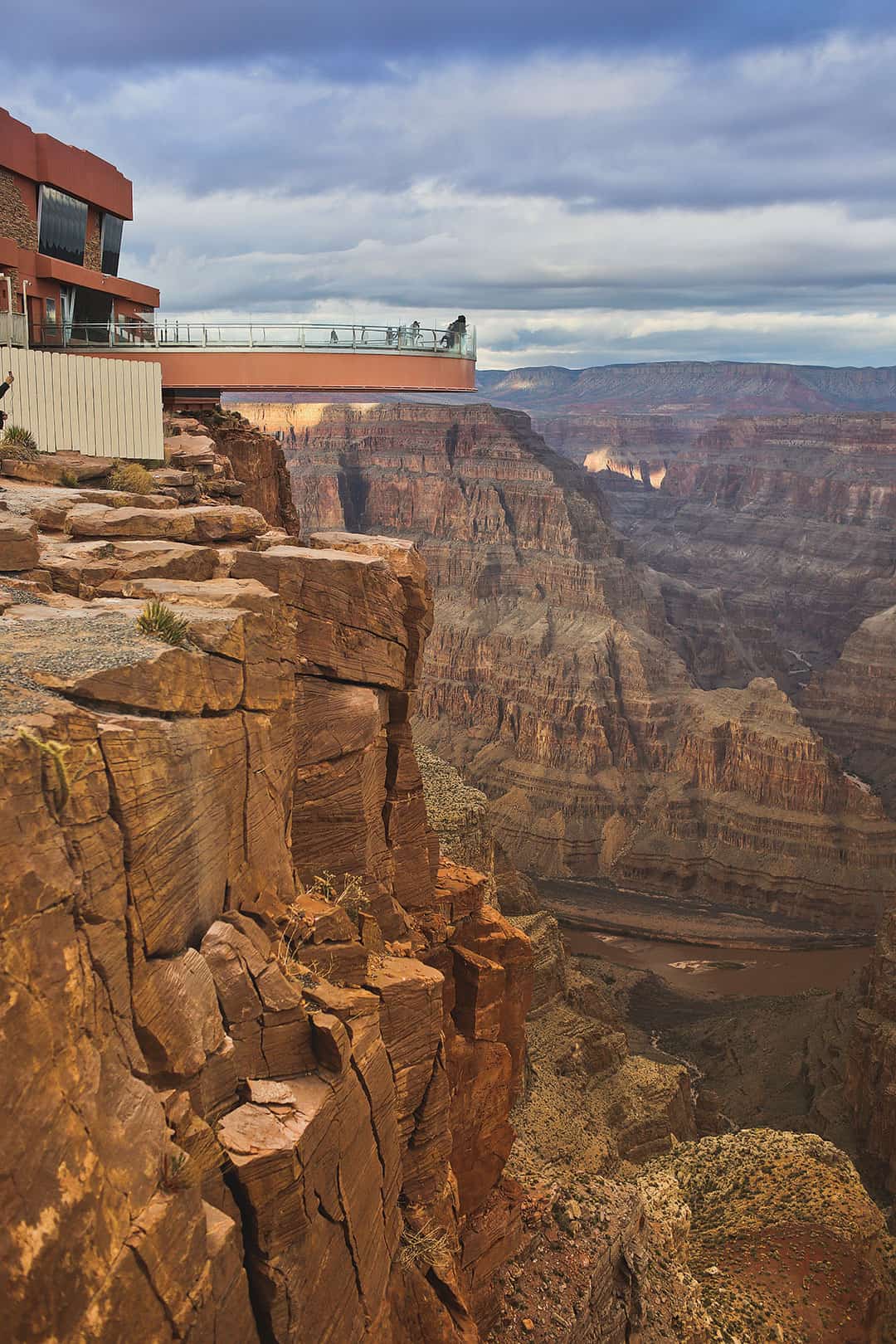
- Key Attractions: The Grand Canyon Skywalk, a horseshoe-shaped glass bridge extending 70 feet out over the canyon rim, offering unparalleled views straight down 4,000 feet to the canyon floor. Other popular viewpoints include Eagle Point and Guano Point, each providing unique perspectives and photo opportunities. Helicopter tours descending into the canyon and pontoon boat rides on the Colorado River are also available.
- Experience: This rim offers a more commercialized and activity-focused experience. It’s perfect for those seeking adrenaline rushes, quick tours, and iconic photo opportunities. The cultural aspect of the Hualapai people is also present, with demonstrations and cultural village tours.
- Accommodation: While some basic lodging is available on the reservation, most visitors treat the West Rim as a day trip, returning to Las Vegas hotels or nearby towns for the night.
Grand Canyon South Rim: The Most Popular and Classic Choice
The Grand Canyon South Rim is the most visited and iconic part of the Grand Canyon National Park. It’s home to the most famous panoramic vistas, extensive hiking trails, and the majority of visitor services. If you’re envisioning the classic postcard image of the Grand Canyon, this is likely what you have in mind.
- Distance from Las Vegas: Approximately 280 miles (450 km).
- Driving Time: About 4.5 to 5 hours, one way. This does not include stops for sightseeing, such as the Hoover Dam or along historic Route 66.
- Key Attractions: Popular viewpoints like Mather Point, Yavapai Point, and Hopi Point offer breathtaking vistas. Extensive hiking opportunities include sections of the Bright Angel Trail and South Kaibab Trail. The historic Grand Canyon Village provides amenities, museums, and ranger programs. Hermit Road and Desert View Drive offer numerous scenic overlooks.
- Experience: The South Rim provides a more traditional national park experience, focusing on natural beauty, geology, and outdoor activities. It’s ideal for those wanting to immerse themselves in the canyon’s grandeur through hiking, photography, and educational programs. It often requires an overnight stay due to the longer travel time.
- Accommodation: A range of accommodation options are available both inside the park (like El Tovar Hotel and Bright Angel Lodge) and in nearby towns such as Tusayan, Williams, and Flagstaff.
Grand Canyon North Rim: The Secluded Escape
The Grand Canyon North Rim is the least visited of the three, largely due to its remoteness and shorter operating season (typically mid-May to mid-October). Situated at a higher elevation, it offers a different perspective with more forested landscapes and a tranquil, less crowded atmosphere.
- Distance from Las Vegas: Approximately 270 miles (435 km).
- Driving Time: About 4.5 to 5 hours, but this is a different route than to the South Rim, often requiring a longer detour or combining with other national parks like Zion National Park or Bryce Canyon National Park.
- Key Attractions: Point Imperial, Cape Royal, and Bright Angel Point are popular viewpoints. Hiking trails are available, though less extensive than the South Rim.
- Experience: The North Rim offers a peaceful, more rugged experience for those seeking solitude and a break from crowds. It’s often favored by seasoned travelers or those on extended road trips through the Southwest.
- Accommodation: Limited options, primarily the historic Grand Canyon Lodge North Rim and a campground within the park. Reservations are essential and book up far in advance.
Getting There: Transportation Options from Las Vegas
Once you’ve decided which rim to visit, the next step is choosing how to get there. Las Vegas serves as a major hub for various transportation options to the Grand Canyon, catering to every budget and travel style.
Driving Yourself: Freedom and Flexibility
Renting a car and driving yourself offers the most flexibility, allowing you to stop at leisure and explore sights along the way. This is particularly popular for those visiting the South Rim, as the drive itself is part of the adventure.
- Route to Grand Canyon West Rim: Take US-93 South out of Las Vegas, crossing the Hoover Dam bypass bridge, then continue on Pierce Ferry Road to Diamond Bar Road. This route is straightforward.
- Route to Grand Canyon South Rim: The most common route involves taking US-93 South (passing the Hoover Dam and Lake Mead) to I-40 East in Kingman, Arizona. From I-40, you can either take AZ-64 North from Williams directly to the South Rim entrance, or US-180 North from Flagstaff (which merges with AZ-64). The drive offers opportunities to visit small towns along historic Route 66.
- Route to Grand Canyon North Rim: This involves a longer, more scenic drive. Take I-15 North from Las Vegas into Utah, then various state routes (e.g., UT-9, US-89, AZ-67) towards the North Rim. This route is often combined with visits to Zion National Park and Bryce Canyon National Park.
- Considerations: Be mindful of gas stations, especially on less-traveled routes. Summer months can bring extreme heat, so ensure your vehicle is in good condition. Winter travel to the South Rim can involve snow and road closures, while the North Rim is completely closed.
Bus Tours: Convenient and Guided Experiences
For those who prefer a hassle-free experience, numerous bus tour companies operate daily from Las Vegas to both the West and South Rims. These tours typically include transportation, entrance fees, and often a meal, along with a knowledgeable guide.
- Pros: No need to worry about driving, navigation, or parking. You gain insights from the tour guide.
- Cons: Less flexibility in itinerary and time spent at each stop. Can feel rushed.
- Options: Full-day trips to the Grand Canyon West Rim are very common, often including the Skywalk and other viewpoints. Longer, multi-day tours are available for the South Rim, sometimes including overnight accommodation in Tusayan or Williams.
Air Tours: The Ultimate Scenic Experience
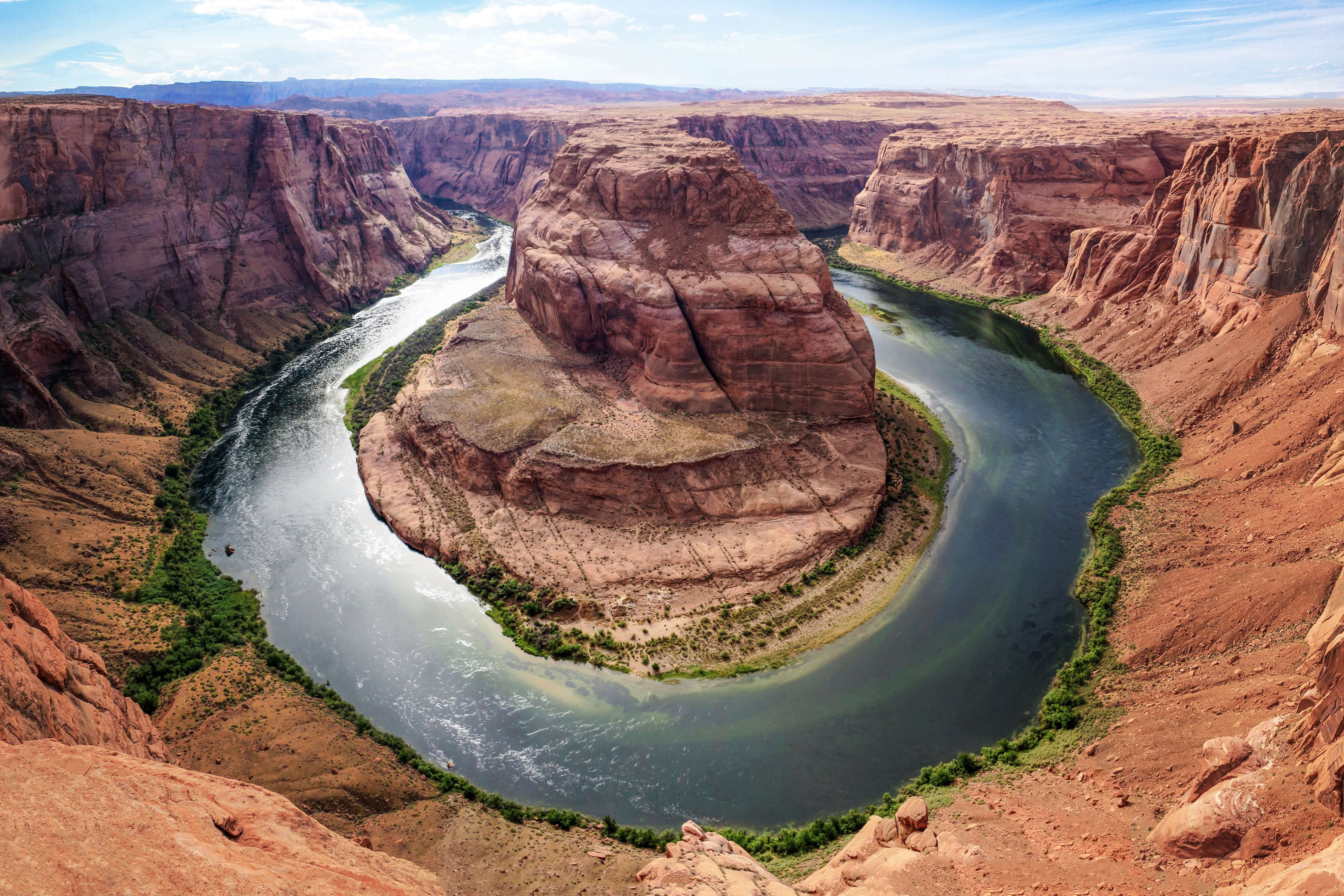
For a truly spectacular and time-efficient way to see the Grand Canyon, consider an air tour. Helicopter and small plane tours depart regularly from Las Vegas, offering unparalleled aerial views.
- Types of Tours:
- Helicopter Tours: Often land at the bottom of the Grand Canyon West Rim for a pontoon boat ride on the Colorado River or a picnic. Others simply provide fly-over views.
- Airplane Tours: Typically fly over the South Rim, offering panoramic views of the entire park, including areas less accessible by land.
- Pros: Incredible, unique perspectives. Significantly reduces travel time.
- Cons: Can be expensive. Weather-dependent. Some travelers may experience motion sickness.
- Popularity: These are highly sought-after experiences and often considered a luxury lifestyle travel option, perfect for special occasions.
Planning Your Grand Canyon Adventure: Accommodation and Activities
Whether you’re planning a swift day trip or an immersive multi-day expedition, careful planning of your accommodation and activities will significantly enhance your Grand Canyon experience. Integrating these aspects into your itinerary allows for a seamless travel journey.
On-Rim Accommodation Options for an Immersive Stay
Staying directly on the rim of the Grand Canyon South Rim offers an unparalleled experience, allowing you to witness sunrise and sunset over the canyon and easily access trails and viewpoints. These hotels are extremely popular and book up months, if not a year, in advance, especially for peak seasons.
- Grand Canyon Village: The primary hub for on-rim lodging on the South Rim. Options include:
- El Tovar Hotel: A historic, luxury hotel offering prime canyon views.
- Bright Angel Lodge: Historic and rustic, with cabins and lodge rooms.
- Kachina Lodge & Thunderbird Lodge: Modern, hotel-style rooms directly on the rim.
- Yavapai Lodge & Maswik Lodge: More budget-friendly options, a short walk or shuttle ride from the rim.
- Grand Canyon North Rim: The only lodging inside the park is the historic Grand Canyon Lodge North Rim, offering cabins and motel rooms with spectacular views. Reservations are essential due to limited availability.
- Phantom Ranch: Located at the very bottom of the Grand Canyon, accessible only by foot, mule, or rafting. Stays here require a lottery system due to extremely high demand.
Near-Rim and Off-Site Stays for Flexibility
If on-rim lodging isn’t available or doesn’t fit your budget travel plans, numerous excellent options are available in towns close to the Grand Canyon entrances.
- For the South Rim:
- Tusayan, Arizona: Just outside the South Entrance, offering several hotels, restaurants, and a IMAX theater.
- Williams, Arizona: About an hour south of the South Rim, a charming historic town on Route 66. It’s home to the Grand Canyon Railway, which offers daily train service directly into the park.
- Flagstaff, Arizona: A larger city about 1.5 hours south, offering a wider range of accommodation (from budget motels to boutique resorts) and dining options, along with a vibrant local culture.
- For the Grand Canyon West Rim: Most visitors stay in Las Vegas, but there are limited lodging options in nearby towns like Peach Springs or on the Hualapai Reservation itself.
Must-Do Activities at the Grand Canyon
Beyond simply admiring the views, the Grand Canyon offers a plethora of activities that cater to all interests and fitness levels, enriching your tourism experience.
- Hiking: The most popular activity, with trails ranging from easy rim walks (like the paved path between Mather Point and Grand Canyon Village) to strenuous multi-day treks into the canyon via the Bright Angel Trail or South Kaibab Trail. Always carry plenty of water and be aware of elevation changes.
- Scenic Drives and Viewpoints: For the South Rim, drive along Desert View Drive and explore the numerous overlooks. For the West Rim, the views from Guano Point and Eagle Point are breathtaking, especially with the Skywalk.
- Rafting the Colorado River: Ranging from calm scenic floats to exhilarating whitewater adventures, these trips offer a unique perspective from the canyon floor. Permits or guided tours are required.
- Helicopter and Airplane Tours: As mentioned, these provide an aerial panorama that is truly unforgettable. Many depart directly from Las Vegas or from near the Grand Canyon entrances.
- Ranger Programs: Offered primarily at the South Rim, these free, educational talks cover geology, wildlife, and history, enriching your understanding of this natural wonder.
- Mule Rides: A classic Grand Canyon experience, these guided rides take visitors down into the canyon for an adventure unique to the park. Highly sought after and require advance booking.
- Photography: With ever-changing light and vast landscapes, the Grand Canyon is a photographer’s paradise. Early morning and late afternoon light (golden hour) offer the best conditions.
Maximizing Your Trip: Tips and Considerations
A journey from Las Vegas to the Grand Canyon can be an incredible experience with a little foresight and planning. From choosing the right season to packing essentials, these tips will help you make the most of your adventure.
Best Time to Visit
The Grand Canyon offers different experiences depending on the season, impacting crowds, weather, and accessibility.
- Spring (March-May) and Fall (September-November): Generally considered the best times to visit. The weather is pleasant for hiking, crowds are manageable (though still significant), and temperatures are moderate. Wildflowers bloom in spring, and fall foliage (especially on the North Rim) can be beautiful.
- Summer (June-August): The busiest season. Temperatures at the rim can be hot (80s-90s°F / 27-35°C), and the inner canyon can reach extreme temperatures (over 100°F / 38°C), making strenuous hiking dangerous. Expect large crowds, high accommodation prices, and long lines. However, all park amenities and the North Rim are open.
- Winter (December-February): Offers a unique, serene experience with fewer crowds and the possibility of snow, creating stunning frosted landscapes. Temperatures are cold, and some roads and services on the South Rim may be closed (e.g., Hermit Road is often accessible only by shuttle). The North Rim is typically closed from mid-October to mid-May. Winter visits require appropriate cold-weather gear and awareness of icy conditions.
What to Pack
Regardless of the season, a few essentials will make your Grand Canyon visit more comfortable and safe.
- Layers of Clothing: Temperatures can fluctuate dramatically, especially between day and night, and between the rim and the canyon floor.
- Comfortable Walking Shoes/Hiking Boots: Essential for exploring viewpoints and trails.
- Water Bottle: Stay hydrated, especially if hiking. Water filling stations are available.
- Sun Protection: Hat, sunglasses, and sunscreen are crucial, even on cloudy days, due to the high altitude.
- Snacks: While food options are available, bringing your own snacks can be convenient and cost-effective.
- Camera and Binoculars: To capture the incredible vistas and spot wildlife.
- Map and Compass/GPS: Even with marked trails, it’s wise to have navigational aids, especially for longer hikes.
- First-Aid Kit: For minor scrapes or blisters.
Budgeting Your Journey
A trip to the Grand Canyon can range from a budget-friendly road trip to a luxury travel experience, depending on your choices.
- Transportation: Driving yourself is generally the most economical, especially if splitting costs with others. Bus tours are a mid-range option, while air tours are the most expensive but offer a unique perspective.
- Park Entrance Fees: The Grand Canyon National Park charges an entrance fee per vehicle or per person, valid for seven days. Consider purchasing an “America the Beautiful” National Parks Pass if you plan to visit multiple national parks within a year. The Grand Canyon West Rim has its own separate entrance fees as it is managed by the Hualapai Indian Reservation.
- Accommodation: On-rim lodging is generally pricier and requires early booking. Staying in nearby towns like Tusayan, Williams, or Flagstaff can offer more affordable options. Camping is the most budget-friendly choice within the park, but requires reservations.
- Activities: Helicopter tours, mule rides, and white-water rafting are significant expenses. Prioritize which experiences are most important to you. Many of the best experiences, like hiking and enjoying the viewpoints, are free or included with your park entrance fee.
- Food and Drink: Bringing your own cooler with drinks and snacks can save money compared to purchasing everything inside the park or at tourist-heavy areas.
In conclusion, the distance from Las Vegas to the Grand Canyon isn’t just a matter of miles; it’s a choice between different experiences, travel times, and logistical considerations. Whether you opt for the quick, thrill-packed Grand Canyon West Rim or the classic, expansive beauty of the Grand Canyon South Rim, careful planning will ensure your journey to this natural wonder is as spectacular as the canyon itself.
LifeOutOfTheBox is a participant in the Amazon Services LLC Associates Program, an affiliate advertising program designed to provide a means for sites to earn advertising fees by advertising and linking to Amazon.com. Amazon, the Amazon logo, AmazonSupply, and the AmazonSupply logo are trademarks of Amazon.com, Inc. or its affiliates. As an Amazon Associate we earn affiliate commissions from qualifying purchases.