
The journey between Memphis and New Orleans is more than just a simple trek across the United States; it is a pilgrimage through the heart of American music, culinary history, and cultural evolution. Whether you are a fan of the blues, a devotee of soul food, or a history enthusiast, the route between these two iconic southern cities offers a unique perspective on the Deep South. Understanding the distance and the logistical realities of this trip is the first step toward planning an unforgettable road journey.
Navigating the Distance: Routes and Travel Time
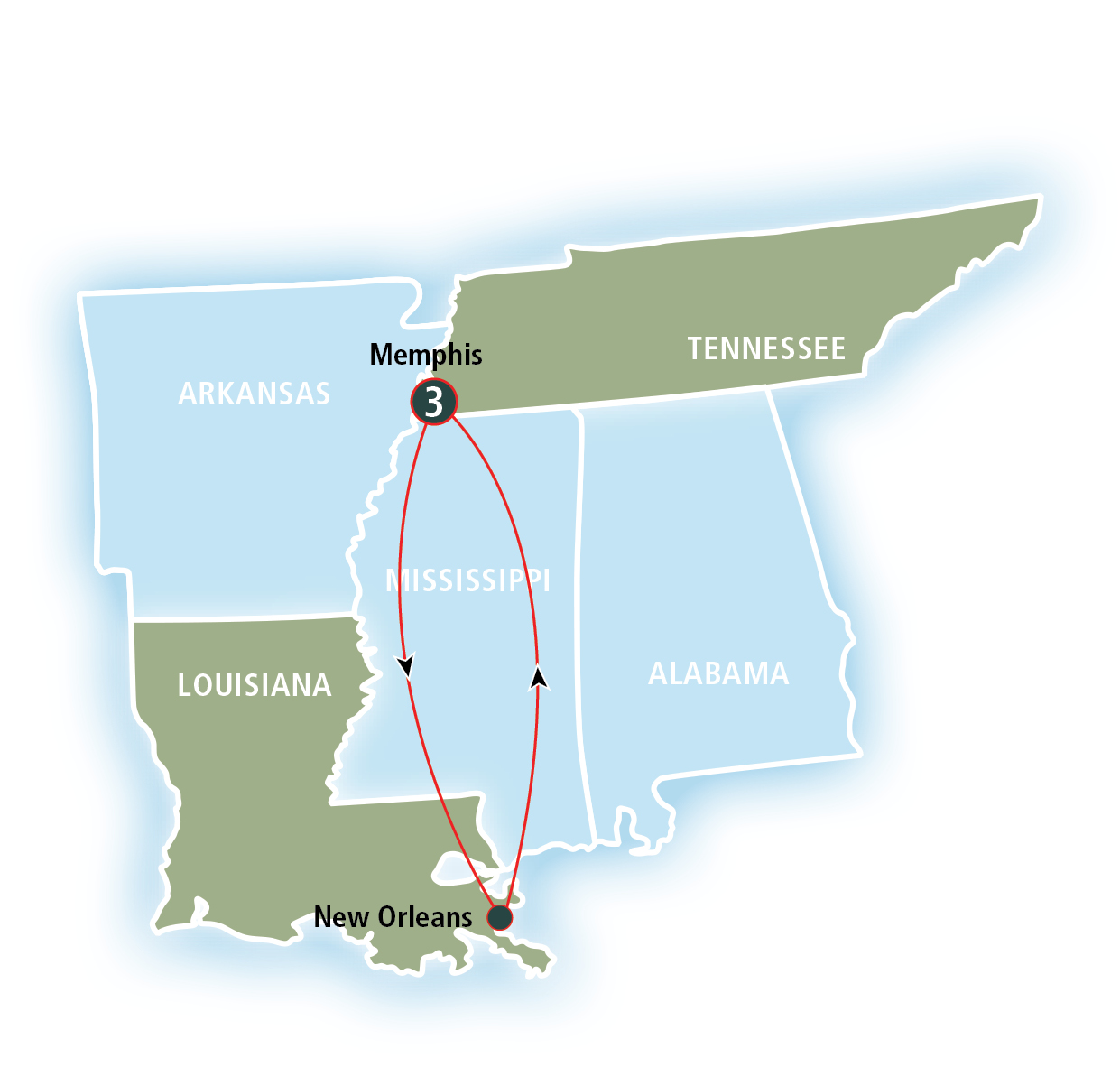
When planning a trip from the home of the blues to the birthplace of jazz, the distance is approximately 400 miles. Depending on your chosen mode of transport and your willingness to detour, this journey can take anywhere from six to eight hours of pure driving time.

The Interstate 55 Corridor
The most direct route takes travelers straight down Interstate 55. This highway slices through the heart of Mississippi and serves as the primary artery for those looking to reach Louisiana as efficiently as possible. When traffic is light, drivers can reasonably expect to cover the distance in about six and a half hours.
Considering the Scenic Alternatives
While the interstate is efficient, many travelers opt for the Blues Highway, also known as U.S. Route 61. Taking this route significantly increases your drive time, often stretching it to ten or twelve hours if you plan to stop. However, the experience of rolling through the Mississippi Delta is unparalleled. You pass through towns like Clarksdale, where the Crossroads legend was born, offering a deeper connection to the history of the region.
Essential Stops Along the Way
Treating this drive as a destination in itself transforms a tedious commute into a highlights reel of southern culture. By breaking up the 400-mile stretch, you gain access to regional gems that would otherwise be missed.
The Spirit of the Mississippi Delta
As you leave Shelby County, you enter a landscape defined by vast cotton fields and weathered porch swings. Stopping in Cleveland, Mississippi, provides an opportunity to visit the Grammy Museum Mississippi. It is a fascinating juxtaposition of modern museum technology and the raw, historical soil of the delta.
The Capital City Influence
Further down the road, Jackson serves as a convenient midpoint. As the capital of Mississippi, it offers a variety of dining options that bridge the gap between Memphis-style barbecue and the complex, spicy creole flavors awaiting you further south. A stop at a local diner here offers a glimpse into the daily life of residents who exist between the musical legacies of Beale Street and the vibrant energy of the French Quarter.
Cultural Contrasts: Comparing Two Southern Titans
It is impossible to discuss the distance between these two cities without acknowledging the profound cultural differences that await you at either end. While both are river cities shaped by the Mississippi River, their personalities are distinct.
Memphis: The Soul of the Blues
Memphis is a city that feels grounded in the roots of rock and roll and the legacy of the civil rights movement. When you walk through Graceland, the former home of Elvis Presley, or visit the National Civil Rights Museum, you are stepping into a narrative of intense historical weight. The city is gritty, authentic, and unapologetic about its influence on global music.
New Orleans: The Crescent City Charm
Conversely, arriving in New Orleans feels like stepping into a different country. The influence of French, Spanish, and West African cultures creates an atmosphere that is festive, mysterious, and deeply sensory. From the jazz echoing through Frenchmen Street to the architectural beauty of the Garden District, the city demands that you slow down. The pace of life here is dictated by the rhythm of the music and the slow simmer of a pot of gumbo.
Practical Tips for the Road Trip
Traveling through the southern United States requires a degree of preparation to ensure a smooth journey. Whether you are driving your own vehicle or renting one, the climate and geography play significant roles.
Preparing for the Southern Climate
The humidity in the American South can be intense, especially between the months of May and September. Ensure your vehicle’s cooling system is in peak condition before departing. If you are traveling during the late summer months, keep an eye on the weather reports, as the corridor between Memphis and the Gulf Coast is occasionally subject to heavy tropical storms or severe thunderstorms.
Culinary Considerations
One of the best parts of this road trip is the evolution of food. You begin your journey with the dry-rub ribs and pulled pork that define Tennessee barbecue. As you head south into Mississippi, you will find more southern comfort food, such as fried catfish and collard greens. By the time you reach Louisiana, the menu shifts toward crawfish, jambalaya, and beignets. Plan your meal stops strategically to ensure you taste the best of each region.
Connectivity and Navigation
While modern GPS makes navigation simple, cellular service can be spotty in the more rural stretches of the Mississippi Delta. It is advisable to download offline maps before leaving the city limits of Memphis. Additionally, having a physical map or a printed itinerary of your planned stops provides a safety net that technology sometimes lacks.
The distance between these two urban landmarks is more than just a line on a map. It represents a transition through the soul of the United States. Whether you complete the drive in one focused sprint or take several days to meander through the small towns and hidden attractions of the American South, the journey provides a unique perspective on the history, music, and food that define this storied region. As you transition from the blues of the north to the jazz of the south, you will find that the road itself is as memorable as the destinations at either end.
LifeOutOfTheBox is a participant in the Amazon Services LLC Associates Program, an affiliate advertising program designed to provide a means for sites to earn advertising fees by advertising and linking to Amazon.com. Amazon, the Amazon logo, AmazonSupply, and the AmazonSupply logo are trademarks of Amazon.com, Inc. or its affiliates. As an Amazon Associate we earn affiliate commissions from qualifying purchases.