
Embarking on a journey from the scenic landscapes of North Carolina to the sun-kissed beaches of Florida is a quintessential American travel experience, whether for business or leisure. The distance separating these two vibrant states varies significantly depending on your exact starting point in North Carolina and your final destination in Florida. Understanding this geographical span, along with the myriad transportation options available, is key to planning a smooth, enjoyable, and efficient trip. This comprehensive guide will delve into the distances, travel times, and various routes, offering insights for every type of traveler looking to bridge the gap between these two diverse Southern states.
Understanding the Geographic Span
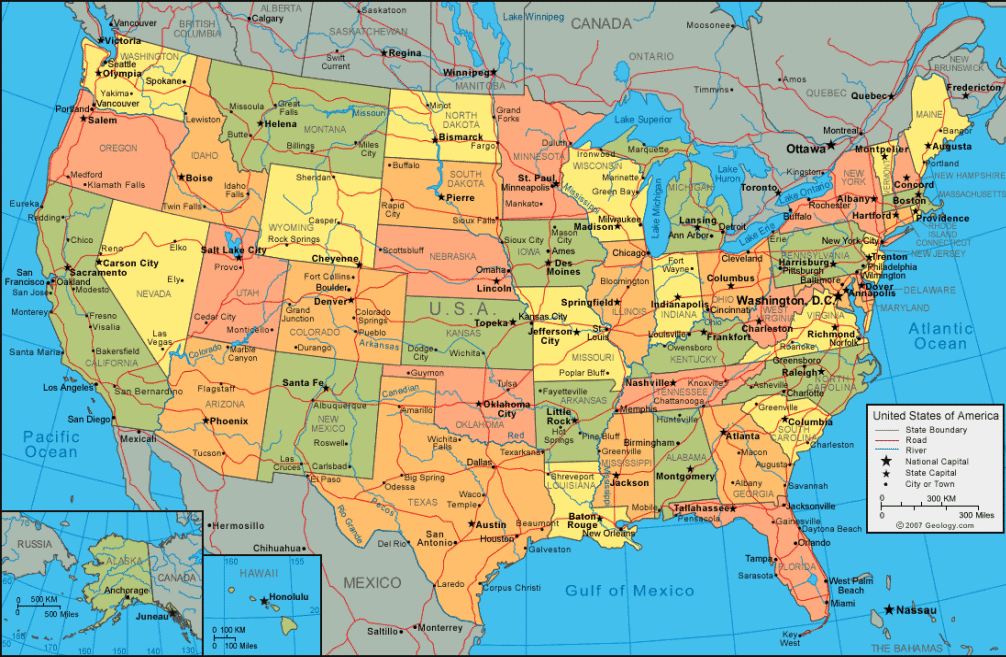
The journey from North Carolina to Florida encompasses a substantial stretch of the East Coast, traversing multiple states and diverse terrains. While both states share a coastal proximity, the considerable north-to-south expanse of both means that “how far” is rarely a simple, single answer. Instead, it’s a dynamic figure influenced by specific origins and destinations.
Key Distances Between Major Cities
To provide a clearer picture, let’s look at some common city-to-city distances, primarily by road, as this is the most flexible and popular mode of travel between the two states. These estimates serve as a useful benchmark for planning your journey.
- From Charlotte, NC to Jacksonville, FL: Approximately 420-450 miles. This journey typically takes about 6.5 to 7.5 hours of driving time, excluding stops. Jacksonville is Florida’s northernmost major city, making it the shortest route for many North Carolina residents.
- From Raleigh, NC to Orlando, FL: Roughly 600-630 miles. This central Florida destination requires about 9.5 to 10.5 hours of continuous driving. Orlando is a magnet for tourists, famous for its theme parks like Walt Disney World Resort and Universal Studios Florida.
- From Asheville, NC to Miami, FL: This is one of the longest potential routes. Asheville, nestled in the mountains of western North Carolina, to Miami at Florida’s southern tip, can span over 900 miles. Expect a driving time of 14 to 15 hours or more, making it a journey best broken up over two days. Miami offers a vibrant blend of culture, beaches, and nightlife.
- From Wilmington, NC to Tampa, FL: Approximately 600-650 miles, taking about 9.5 to 10.5 hours. Wilmington is a coastal North Carolina city, and Tampa is a major hub on Florida’s Gulf Coast.
Factors Influencing Travel Time
Beyond the sheer mileage, several elements can impact the total time spent traveling:
- Traffic: Major interstate highways, especially I-95, are prone to congestion, particularly around urban centers like Fayetteville, Columbia, Savannah, and Jacksonville, and during peak travel seasons or holidays.
- Road Construction: Ongoing roadwork can cause unexpected delays and detours.
- Weather Conditions: Heavy rain, fog, or severe thunderstorms, particularly common in the Southeast during certain seasons, can significantly slow down travel.
- Stops and Breaks: The estimated driving times are for continuous travel. Factor in time for meals, restroom breaks, refueling, and stretching, which can easily add several hours to a long drive. For safety and comfort, it’s recommended to take a 15-30 minute break every 2-3 hours.
- Time Zones: While most of Florida operates on Eastern Time, a small portion of its panhandle observes Central Time. North Carolina is entirely in the Eastern Time Zone. This usually doesn’t impact travel duration but is worth noting for scheduling purposes.
Navigating the Journey: Driving Routes
For many, a road trip is the preferred method of travel between North Carolina and Florida, offering flexibility, the ability to carry more luggage, and the opportunity to discover interesting places along the way. Two primary driving routes dominate this corridor.
The Inland Interstate Route (I-95)
The most direct and fastest driving route is generally via Interstate 95 (I-95), which spans the entire East Coast. From North Carolina, I-95 slices through the heart of South Carolina and Georgia before entering Florida near Jacksonville.
- Pros: It’s the most straightforward path, well-maintained, and offers numerous services, gas stations, and dining options along its length. It’s designed for efficiency and speed.
- Cons: It can be monotonous, heavily trafficked, and prone to accidents or construction delays. Much of the scenery consists of forests, billboards, and highway infrastructure.
- Key Cities Along the Way: Traveling south on I-95 from North Carolina, you’ll pass near Fayetteville (NC), Florence and Columbia (SC), and Savannah (GA) before reaching Florida. These cities offer potential stopovers for an overnight stay or a quick break.
The Scenic Coastal Drive
While less direct and longer in duration, taking a route that hugs the coastline can offer a more picturesque and relaxed travel experience. This typically involves combining segments of I-95 with other routes like US-17 or other state highways that parallel the ocean.
- Pros: Opportunities to visit charming coastal towns, historic sites, and beautiful beaches in North Carolina, South Carolina, and Georgia. Examples include Myrtle Beach (SC), Charleston (SC), and Savannah (GA).
- Cons: Slower travel speeds due to more traffic lights, smaller roads, and lower speed limits. This route will significantly increase your overall travel time.
- Recommendation: If choosing this route, plan for at least one or two overnight stops to truly enjoy the journey and avoid driver fatigue. This is more of a leisurely travel experience than a direct transit.
Essential Road Trip Planning Tips
- Vehicle Check: Before any long drive, ensure your vehicle is in good condition: check tires, oil, fluids, and brakes.
- Navigation: While GPS is invaluable, having a physical map or a downloaded offline map can be a lifesaver in areas with poor signal.
- Pack Smart: Bring snacks, drinks, first-aid kit, phone chargers, and entertainment for passengers.
- Share Driving: If possible, travel with another licensed driver to share the burden of driving and allow for more frequent, refreshing breaks.
- Timing: Try to avoid driving through major cities during rush hour, especially Charlotte, Raleigh, Columbia, Charleston, and Jacksonville.
- Accommodation: If breaking up the trip, book hotels in advance, especially during peak season, to secure good rates and availability.
Air Travel: Speed and Convenience
For those prioritizing speed and convenience, flying is undoubtedly the quickest way to travel from North Carolina to Florida. Despite the extra steps of getting to and from airports, security checks, and boarding, the actual flight time is significantly shorter than driving.
Major Airports in North Carolina

North Carolina boasts several major airports offering direct flights to various Florida cities:
- Charlotte Douglas International Airport (CLT): This is one of the busiest airports in the Southeast and a major American Airlines hub. It offers numerous direct flights daily to virtually all major Florida airports.
- Raleigh-Durham International Airport (RDU): Serving the Research Triangle area, RDU also has a wide range of direct flight options to Florida, including Orlando, Miami, Fort Lauderdale, and Tampa.
- Piedmont Triad International Airport (GSO) in Greensboro: Offers fewer but still significant direct routes to Florida destinations.
Major Airports in Florida
Florida is exceptionally well-served by airports, catering to its massive tourism industry:
- Orlando International Airport (MCO): The primary gateway for visitors to Walt Disney World Resort and other Orlando attractions.
- Miami International Airport (MIA): A major international hub, ideal for reaching South Florida and beyond.
- Fort Lauderdale-Hollywood International Airport (FLL): Another excellent option for South Florida, often providing more budget-friendly flights.
- Tampa International Airport (TPA): Serves the Tampa Bay area and the Gulf Coast.
- Jacksonville International Airport (JAX): Convenient for destinations in northern Florida.
Estimating Flight Durations and Costs
- Flight Time: Direct flights from North Carolina to Florida typically range from 1 hour 30 minutes to 2 hours 30 minutes, depending on the specific airports.
- Total Travel Time: Factor in time for travel to and from airports, check-in, security, and potential delays. A conservative estimate for total door-to-door travel time by air would be 4-6 hours.
- Cost: Airfare varies wildly based on seasonality, booking in advance, the airline, and the specific route. Expect prices to be higher during holidays, spring break, and peak summer. Budget airlines like Spirit or Frontier often offer competitive fares, but be mindful of baggage fees and other add-ons.
Other Modes of Transportation
While driving and flying are the most common, other options exist for those seeking alternative travel experiences or budget-friendly solutions.
Rail Travel with Amtrak
Amtrak provides rail service connecting cities in North Carolina to various destinations in Florida. The primary service is the Silver Service (Silver Meteor and Silver Star lines), which runs down the East Coast.
- Pros: Relaxing travel experience, avoids traffic, offers comfortable seating, dining cars, and potentially sleeping accommodations for longer journeys. You can also transport your car on Amtrak Auto Train from Lorton, VA to Sanford, FL, though this requires an initial drive to Virginia.
- Cons: Significantly longer travel times compared to flying, often longer than driving (e.g., Raleigh to Orlando could be 16-18 hours or more). Fares can sometimes be comparable to or even exceed airfare, especially for private rooms.
- Key Stations: Major North Carolina stations include Raleigh, Greensboro, and Charlotte. In Florida, Amtrak serves cities like Jacksonville, Orlando, Tampa, and Miami.
Bus Services: A Budget-Friendly Option
Intercity bus services, primarily Greyhound, offer the most economical way to travel between the states.
- Pros: Very budget-friendly fares, especially when booked in advance.
- Cons: Longest travel times, frequent stops, and generally less comfortable than other options. This option is often chosen out of necessity rather than preference for long-distance travel.
- Travel Time: Expect journeys from North Carolina to Florida to range from 12 hours (e.g., Charlotte to Jacksonville) to over 24 hours (e.g., Asheville to Miami), often involving transfers.
Making the Journey an Experience
Regardless of the distance or your chosen mode of transport, the trip from North Carolina to Florida can be much more than just transit. It can be an integral part of your vacation, filled with discoveries and memorable moments.
Notable Stops Along the Way
If you opt for a road trip, strategically planning stops can transform a long drive into an engaging adventure.
- South Carolina: Explore the historic charm of Charleston with its cobblestone streets and antebellum architecture, or enjoy the lively beaches and entertainment of Myrtle Beach.
- Georgia: Delve into the rich history and Southern elegance of Savannah, known for its picturesque squares and ghost stories. Alternatively, the Golden Isles offer serene coastal beauty.
- Northern Florida: Stop in Jacksonville for its vibrant riverfront and expanding arts scene, or head a little further south to St. Augustine, the nation’s oldest continuously inhabited European-established settlement, boasting stunning Spanish colonial architecture and a wealth of history.
Choosing Your Florida Destination
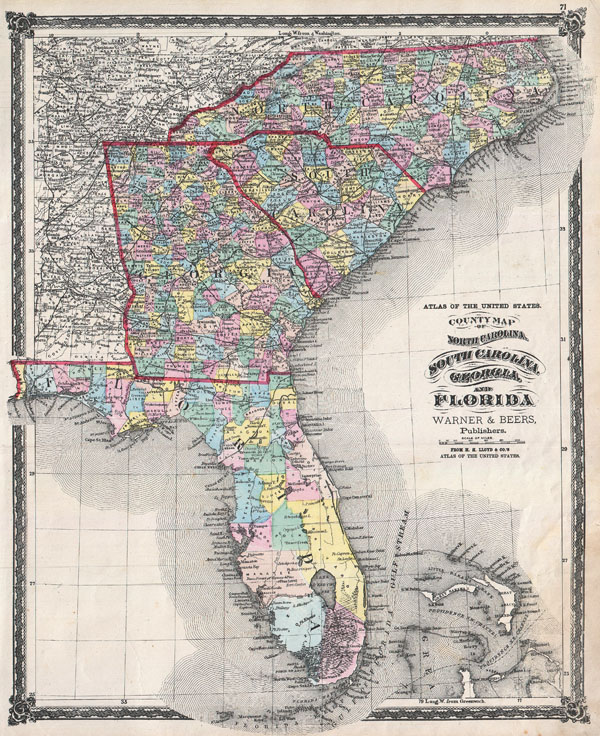
Florida’s diverse offerings mean your final destination heavily influences the total distance and travel experience.
- Theme Park Adventures: Head to Orlando for world-class theme parks like Walt Disney World Resort, Universal Studios Florida, and SeaWorld Orlando.
- Beach Escapes: Seek out the pristine white sands of the Emerald Coast in the Panhandle, the vibrant shores of South Beach in Miami, or the family-friendly beaches of the Space Coast near Cape Canaveral.
- Cultural Immersion: Discover the Latin influences and art deco charm of Miami, the historic allure of St. Augustine, or the artistic enclaves of Sarasota.
- Nature and Wildlife: Explore the unique ecosystems of the Everglades National Park, kayak through the springs of Central Florida, or dive into the underwater wonders of the Florida Keys.
Ultimately, the journey from North Carolina to Florida offers a spectrum of possibilities. By carefully considering the distance, travel time, budget, and desired experience, travelers can choose the perfect mode of transport and route to begin their Florida adventure. Whether it’s a quick flight for a weekend getaway or an epic road trip filled with Southern charm, the path from the Tar Heel State to the Sunshine State is ripe for exploration.
LifeOutOfTheBox is a participant in the Amazon Services LLC Associates Program, an affiliate advertising program designed to provide a means for sites to earn advertising fees by advertising and linking to Amazon.com. Amazon, the Amazon logo, AmazonSupply, and the AmazonSupply logo are trademarks of Amazon.com, Inc. or its affiliates. As an Amazon Associate we earn affiliate commissions from qualifying purchases.