
Mississippi, often referred to as the Magnolia State, is a land rich in history, vibrant culture, and breathtaking natural beauty. From the meandering Mississippi River that defines its western border to the rolling hills and picturesque coastlines, the state offers a tapestry of experiences for every traveler. Part of understanding and appreciating any destination involves delving into its unique symbols and emblems. These symbols often tell a story about the region’s heritage, environment, and the values held dear by its people. For Mississippi, one of its most cherished and unmistakable symbols takes flight in the form of a modest yet remarkably vocal avian resident: the Northern Mockingbird.
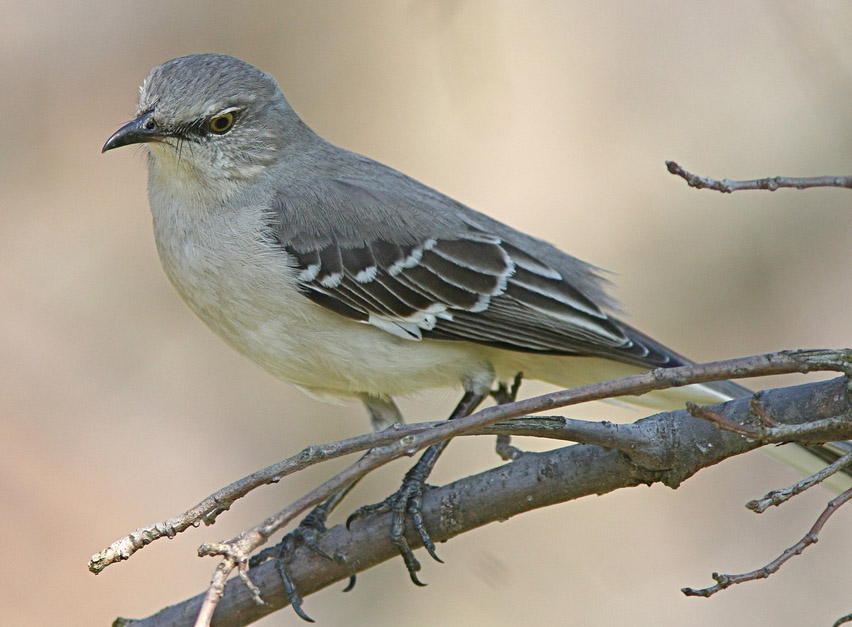
The Northern Mockingbird (Mimus polyglottos) holds the esteemed title of Mississippi’s official state bird, a distinction it has proudly held since 1944. Its selection was far from arbitrary; it reflects the deep connection residents have with this resilient and melodious creature. Often seen flitting through gardens, perched atop utility wires, or serenading from a prominent branch, the Northern Mockingbird is an omnipresent fixture in the Mississippi landscape. For tourists interested in connecting with the heart and soul of the Magnolia State, understanding this remarkable bird offers a unique window into its natural heritage and cultural fabric. Its captivating song and distinctive personality embody a certain spirit that is intrinsically Mississippian.
The Melodious Symbol of the Magnolia State
The Northern Mockingbird is not just any bird; it is a creature of extraordinary talent and charisma. Its presence is marked by its distinctive grey and white plumage, a long tail, and, most notably, its incredible vocal prowess. Unlike many birds with a limited repertoire of calls, the Northern Mockingbird is a true maestro, capable of performing an astonishing array of songs and sounds.
A Prolific Mimic
What truly sets the Northern Mockingbird apart is its unparalleled ability to mimic. Its scientific name, Mimus polyglottos, literally translates to “many-tongued mimic,” a fitting description for a bird that can imitate the songs of dozens of other bird species, often weaving them into long, complex sequences. From the chirps of a robin to the whistles of a cardinal, and even the sounds of frogs, car alarms, or squeaky gates, the Northern Mockingbird can reproduce an astonishing variety of auditory stimuli.
These intricate vocal displays serve multiple purposes. Males, in particular, use their extensive song libraries to attract mates, with a wider repertoire often indicating a more experienced and desirable partner. They sing day and night, especially during the breeding season, creating a constant soundtrack to the Mississippi landscape. For visitors, hearing a Northern Mockingbird is an auditory delight, a testament to the rich biodiversity thriving within the state. Observing one in full song, often switching between different imitations with seamless fluidity, is a captivating experience that provides a deeper appreciation for the wonders of nature.
Ecological Role and Habitat
The Northern Mockingbird thrives in a variety of habitats across Mississippi, from suburban gardens and urban parks to open woodlands and thorny thickets. This adaptability is one of the reasons it is so ubiquitous. Its diet consists primarily of insects during the warmer months, helping to control pest populations, and switches to fruits and berries in the fall and winter. This dietary flexibility further demonstrates its resilience and its integral role in the local ecosystem.
They are generally non-migratory in Mississippi, meaning they can be observed year-round, adding a consistent element of natural beauty to the state. Their preference for relatively open areas with scattered shrubs and trees, where they can easily find food and construct their cup-shaped nests, makes them highly visible to both residents and tourists. Spotting a Northern Mockingbird in a backyard in Jackson or a state park along the coast is a common and cherished experience.
A Legacy Woven into Mississippi’s Identity
The designation of the Northern Mockingbird as the state bird was not merely a bureaucratic decision; it was a recognition of its deep resonance with the people and natural environment of Mississippi.
The Road to Official Recognition
The campaign to choose a state bird for Mississippi gained momentum in the early 20th century. Various birds were considered, but the Northern Mockingbird quickly emerged as a favorite, championed by schoolchildren, women’s clubs, and conservation groups across the state. Its widespread presence, delightful song, and spirited demeanor made it a clear contender.
In 1944, after much deliberation and popular support, the Mississippi Legislature officially adopted the Northern Mockingbird as the state bird. This decision cemented its place not just in nature, but in the civic and cultural identity of Mississippi. It joined the ranks of other significant state symbols, representing the natural heritage and unique character of the state. Its selection reflects the enduring admiration Mississippians have for its beauty, intelligence, and persistent song.

Cultural Significance Beyond the Birdbath
While the Northern Mockingbird is literally a creature of nature, its symbolic presence extends far into the cultural landscape of Mississippi. It represents resilience, the beauty of the natural world, and the power of individual expression. The bird’s ability to imitate speaks to the adaptability often required in the South, while its continuous song is a symbol of enduring spirit.
Visitors to Mississippi might encounter references to the Northern Mockingbird in various forms, from local art and craftworks to names of businesses or community projects. Its image is often used to evoke a sense of home, tradition, and the unspoiled beauty of the Southern landscape. For many, the familiar sight and sound of a Northern Mockingbird conjures feelings of nostalgia and a deep connection to the rich, storied past of the state. Engaging with this symbol offers tourists a deeper, more authentic understanding of what makes Mississippi so special.
Experiencing Mississippi’s Avian Wonders
For tourists eager to experience the natural splendor of Mississippi firsthand, observing the Northern Mockingbird and other native bird species is an enriching activity. The state boasts diverse ecosystems that support a vibrant avian population.
Prime Birdwatching Spots
While the Northern Mockingbird can be found almost anywhere in Mississippi, certain locations offer exceptional opportunities for birdwatching.
- The Audubon Mississippi Coastal Birding Trail: This trail, spanning the state’s Gulf Coast, features numerous prime locations to spot various species, including the Northern Mockingbird, especially during migratory seasons. The diverse habitats, from coastal marshes to barrier islands, attract a wide array of birds.
- Mississippi Sandhill Crane National Wildlife Refuge: Located near Gautier, this refuge is dedicated to protecting the endangered Mississippi Sandhill Crane but also provides excellent opportunities to observe other native birds in their natural habitat, including the ever-present mockingbird.
- State Parks and Forests: Parks like LeFleur’s Bluff State Park in Jackson, Tishomingo State Park in the northeastern hills, or Shepard State Park near the coast, all offer trails and natural areas where one can easily spot Northern Mockingbirds alongside a host of other forest and wetland species.
- Backyard Birding: Don’t underestimate the power of simply looking out for them in hotel gardens or public parks in any Mississippi city or town. Their presence is a constant reminder of nature’s proximity, even in urban settings.
Beyond the Mockingbird: A Diverse Avian Landscape
While the Northern Mockingbird is the state’s proud emblem, Mississippi is home to over 370 bird species, making it a paradise for birdwatchers. The state lies along the Mississippi Flyway, a major migratory route, meaning that spring and fall bring an influx of colorful warblers, shorebirds, raptors, and waterfowl.
Visitors can also encounter iconic Southern birds like the vibrant Northern Cardinal, the majestic Great Blue Heron, various species of woodpeckers, and, along the coast, a plethora of gulls, terns, and pelicans. Exploring these diverse bird populations adds another layer of depth to the travel experience, allowing for a broader appreciation of Mississippi’s rich natural heritage.
Connecting with Mississippi’s Natural Heritage
Engaging with the state bird and Mississippi’s wider avian population is more than just a tourist activity; it’s an opportunity to connect with the state’s commitment to its natural environment.
Supporting Conservation Efforts
As visitors enjoy the sight and sound of the Northern Mockingbird and other birds, they can also contribute to their preservation. Supporting local conservation organizations, visiting state parks and wildlife refuges (which often charge nominal entrance fees that fund maintenance), and practicing responsible tourism are all ways to help protect these precious habitats. Simple actions like not disturbing wildlife, staying on marked trails, and properly disposing of waste contribute significantly to maintaining the ecological balance that allows these birds to thrive. These efforts ensure that future generations of both Mississippians and tourists can continue to enjoy the natural beauty of the state.

Educational Opportunities
For those seeking to deepen their understanding, many state parks, wildlife refuges, and nature centers in Mississippi offer educational programs, guided tours, and interpretive exhibits. These resources provide valuable insights into the local ecosystem, bird identification, and the importance of conservation. Learning about the specific behaviors and ecological roles of birds like the Northern Mockingbird enhances the viewing experience and fosters a greater appreciation for biodiversity. Check local visitor centers or park websites for schedules of events and guided walks.
In conclusion, the state bird for Mississippi is the remarkable Northern Mockingbird. This humble yet extraordinary bird, with its unparalleled vocal talents and widespread presence, perfectly encapsulates the spirit and natural charm of the Magnolia State. For any traveler exploring Mississippi, taking a moment to listen to its varied song or observe its spirited antics offers a genuine connection to the local culture and the enduring beauty of the American South. The Northern Mockingbird is more than just a symbol; it is a vibrant, living testament to the rich, diverse, and melodious heritage of Mississippi.
LifeOutOfTheBox is a participant in the Amazon Services LLC Associates Program, an affiliate advertising program designed to provide a means for sites to earn advertising fees by advertising and linking to Amazon.com. Amazon, the Amazon logo, AmazonSupply, and the AmazonSupply logo are trademarks of Amazon.com, Inc. or its affiliates. As an Amazon Associate we earn affiliate commissions from qualifying purchases.