
The vibrant Pacific Northwest region beckons travelers with its diverse landscapes, from rugged coastlines to lush forests and dynamic urban centers. Two of its most prominent cities, Portland in Oregon and Seattle in Washington, are popular destinations that often feature on the same itinerary. Understanding the distance between these two hubs is crucial for effective travel planning, whether you’re embarking on a scenic road trip, a quick business jaunt, or a journey to explore the unique charms of each locale.
The direct distance, often referred to as “as the crow flies,” between Portland and Seattle is approximately 130 miles (209 kilometers). However, for the vast majority of travelers, this aerial measurement is less relevant than the actual driving distance and the time it takes to cover it. The journey between these two major Pacific Northwest cities is a well-trodden path, offering several transportation options, each with its own advantages and travel times.
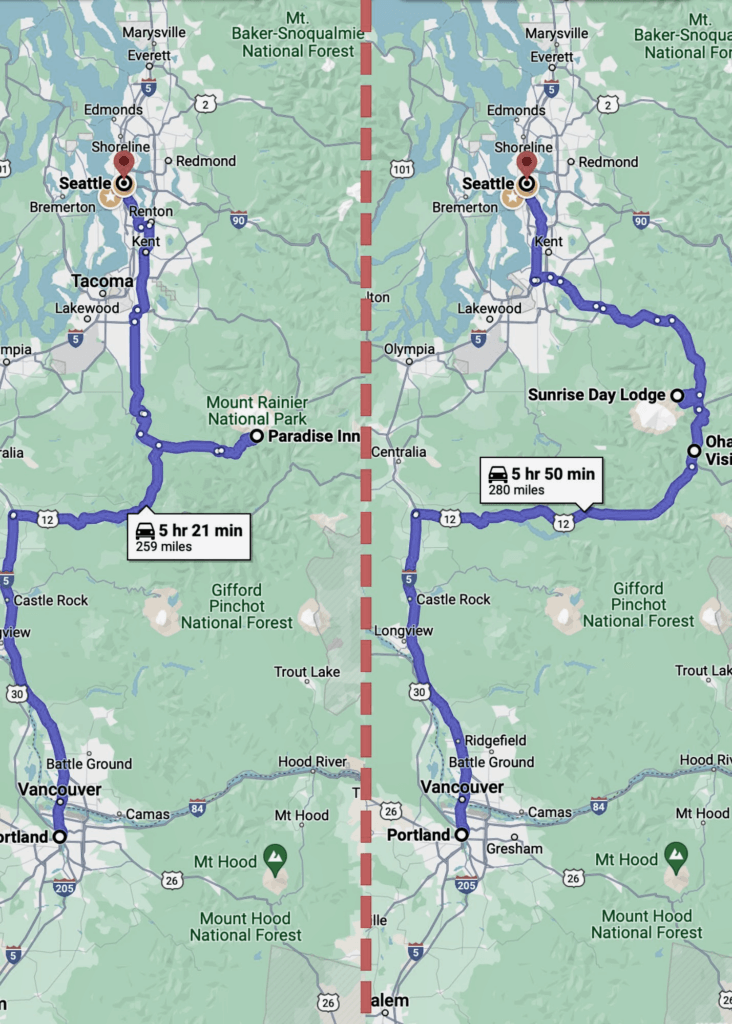
Navigating the Distance: Driving Options
The most common and flexible way to travel between Portland and Seattle is by car. The primary route is via Interstate 5 (I-5) North. This highway is a major artery connecting California to Washington, passing through both Oregon and Washington.
The I-5 Northbound Journey
The driving distance along I-5 is typically around 175 miles (282 kilometers). The estimated driving time without significant traffic or stops is generally between 3 to 3.5 hours. However, this is an optimistic estimate and real-world travel times can be considerably longer.
Factors Influencing Driving Time:
- Traffic Congestion: Both Portland and Seattle experience substantial rush hour traffic, particularly during weekday mornings and evenings. Major interchanges and metropolitan areas along I-5 can become bottlenecks.
- Road Construction: As with any major highway, sections of I-5 can be subject to construction or maintenance, leading to lane closures and delays.
- Weather Conditions: The Pacific Northwest is known for its variable weather. Rain, fog, and occasional winter ice or snow can significantly slow down traffic and make driving conditions hazardous.
- Stops and Sightseeing: Many travelers choose to break up the drive with stops. Popular points of interest include the Mount Rainier National Park area (though this requires a detour), small towns, or roadside attractions. Each stop adds to the total travel duration.
- Time of Day: Traveling during off-peak hours, such as mid-morning on a weekday or early on a weekend, can significantly reduce your travel time.
Alternative Routes:
While I-5 is the most direct and popular route, there are alternative roads that can offer a more scenic, albeit longer, experience. The US Route 101 along the coast is a significantly longer and more leisurely option, taking several days to traverse and explore the stunning coastal scenery of Oregon and Washington. For those seeking a balance between directness and scenery, State Route 99W (the Willamette Valley Scenic Byway) north from Portland eventually connects to I-5 further north, offering glimpses of wine country and charming agricultural landscapes.
Public Transportation Options: Convenience and Efficiency
For travelers who prefer not to drive or wish to avoid the potential headaches of traffic and parking, public transportation offers convenient and efficient alternatives between Portland and Seattle.
Amtrak Cascades Train Service
The Amtrak Cascades train service is a highly recommended mode of transport for this route. It offers a comfortable and scenic journey, allowing passengers to relax and enjoy the views of the Pacific Northwest countryside without the stress of driving.
- Travel Time: The train journey typically takes between 3.5 to 4.5 hours, depending on the specific schedule and stops. This is comparable to driving time but offers a more relaxed experience.
- Stations: Trains depart from Portland Union Station and arrive at Seattle King Street Station. Both stations are centrally located in their respective cities, providing easy access to public transport, hotels, and attractions upon arrival.
- Amenities: Amtrak Cascades trains often feature comfortable seating, Wi-Fi, power outlets, and an onboard café car. Many travelers find the ability to move around, work, or simply enjoy the scenery a significant advantage over being confined to a car.
- Environmental Benefits: Opting for train travel is generally a more environmentally friendly choice compared to individual car travel.

Intercity Bus Services
Several intercity bus companies operate routes between Portland and Seattle, offering a budget-friendly option for travelers. Companies like FlixBus and BoltBus (though BoltBus has ceased operations, FlixBus is a common alternative) provide frequent service.
- Travel Time: Bus travel times can vary significantly due to traffic, often ranging from 3.5 to 5 hours or more. The route primarily utilizes I-5.
- Cost: Bus tickets are generally the most affordable option, making them attractive for budget-conscious travelers.
- Comfort and Amenities: While modern buses offer comfortable seating and Wi-Fi, the experience can be less spacious and flexible than train travel. Stops for restrooms and stretching are usually incorporated into the journey.
- Departure/Arrival Points: Bus terminals are often located in convenient downtown areas, but it’s essential to confirm the exact pick-up and drop-off locations for each provider.
Air Travel
For those prioritizing speed over all else, flying between Portland and Seattle is an option, though it often involves more logistical considerations and can be less cost-effective for this relatively short distance.
- Flight Duration: The actual flight time is very short, typically around 1 hour.
- Total Travel Time: When factoring in travel to and from airports ( Portland International Airport (PDX) and Seattle-Tacoma International Airport (SEA) ), check-in procedures, security screenings, and potential boarding delays, the total door-to-door travel time can easily match or exceed that of driving or taking the train.
- Cost: Airfare can fluctuate widely and may be more expensive than train or bus tickets, especially if booked last minute.
- Convenience: The primary advantage is speed of transit between cities, but the airport experience itself can be time-consuming.
Planning Your Journey: Key Considerations
Regardless of your chosen mode of transport, careful planning will ensure a smooth and enjoyable journey between Portland and Seattle.
When to Travel
- Weekday vs. Weekend: Weekdays, especially during rush hours, will present the most challenging traffic conditions for drivers. Weekends can also be busy, particularly for leisure travel.
- Time of Year: Summer months (June-August) offer pleasant weather but can be the busiest travel period. Fall (September-October) provides beautiful foliage and fewer crowds. Winter (November-February) can bring rain and occasional snow, impacting driving conditions. Spring (March-May) offers blooming landscapes and moderate weather.
Booking and Reservations
- Car Rentals: If driving, ensure your rental car is booked in advance, especially during peak seasons.
- Train Tickets: Amtrak Cascades tickets are best purchased in advance to secure preferred seating and potentially better prices.
- Bus Tickets: Bus tickets can often be booked closer to the travel date, but advance booking can also secure better fares.
- Flights: If flying, booking well in advance is generally recommended for the best pricing.
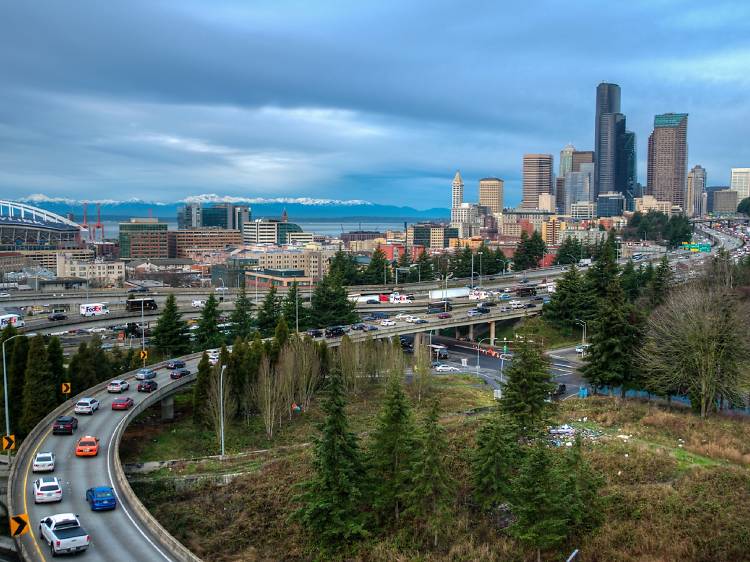
Accommodation in Seattle
Upon arrival in Seattle, you’ll find a wide array of accommodation options to suit every budget and travel style. From luxury hotels in the downtown core to boutique inns in charming neighborhoods and convenient airport hotels, Seattle caters to all visitors. Popular areas to consider for lodging include:
- Downtown: Offers easy access to major attractions like the Pike Place Market, the Space Needle, and the waterfront. Here you can find well-known hotels such as the Fairmont Olympic Hotel and the Thompson Seattle.
- Belltown: Known for its vibrant nightlife, trendy restaurants, and proximity to downtown.
- South Lake Union: A rapidly developing area with modern hotels and close access to the Museum of Pop Culture (MoPOP) and the Chihuly Garden and Glass.
- Capitol Hill: A bohemian and lively neighborhood with a diverse range of hotels, eateries, and shops.
The proximity of Portland to Seattle makes them easily combinable destinations. Whether you are looking for a quick weekend getaway or a more extensive exploration of the Pacific Northwest, understanding the travel dynamics between these two captivating cities is the first step towards an unforgettable experience. The 175-mile stretch is more than just a number; it’s a gateway to diverse experiences, from urban exploration to natural wonders, easily accessible by a variety of convenient and enjoyable travel methods.
LifeOutOfTheBox is a participant in the Amazon Services LLC Associates Program, an affiliate advertising program designed to provide a means for sites to earn advertising fees by advertising and linking to Amazon.com. Amazon, the Amazon logo, AmazonSupply, and the AmazonSupply logo are trademarks of Amazon.com, Inc. or its affiliates. As an Amazon Associate we earn affiliate commissions from qualifying purchases.