
Embarking on a journey from the vast plains of Texas to the sun-kissed shores and diverse landscapes of California is an iconic American adventure. More than just a simple query about mileage, “How far from Texas to California?” opens the door to a world of travel planning, discovery, and unforgettable experiences. This article delves deep into the practicalities of covering this considerable distance, exploring various travel options, iconic landmarks along the way, and essential tips for making your trip truly remarkable, whether you’re seeking a cross-country road trip, a quick flight, or a more leisurely train ride.
Unpacking the Distance: Miles, Hours, and Realities
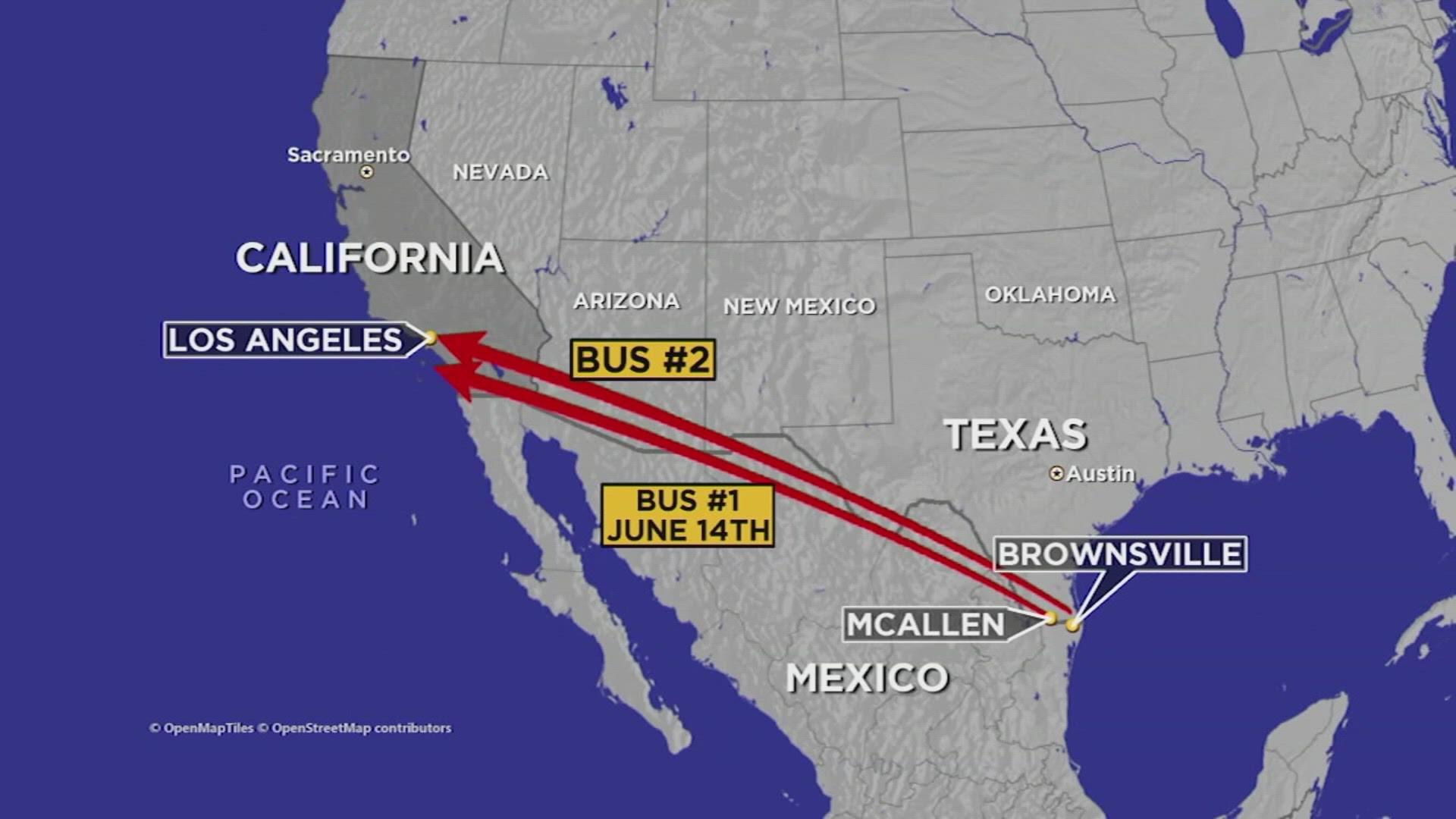
The geographical span between Texas and California is significant, traversing several states and diverse terrains. Understanding the exact distance and the time commitment involved is the first step in planning any journey of this magnitude.
Understanding the Geographic Span
Texas, the second-largest state in the U.S., borders New Mexico to its west, which in turn shares a long border with Arizona, leading directly into California. This means any overland journey will take you through at least two, and often three, additional states before reaching your final destination.
The distance isn’t uniform. Depending on your specific starting point in Texas and your desired destination in California, the mileage can vary considerably. For instance:
- From Houston, Texas to Los Angeles, California: Approximately 1,500 to 1,600 miles.
- From Dallas, Texas to Los Angeles, California: Roughly 1,400 to 1,500 miles.
- From El Paso, Texas (the westernmost point of Texas) to San Diego, California: About 700-800 miles, representing the shortest direct route.
- From Dallas, Texas to San Francisco, California: Approximately 1,700 to 1,800 miles.
These figures provide a general idea, but always consult a reliable mapping service for the most accurate, real-time data for your specific itinerary.
Driving Time: What to Expect
For most travelers, the primary mode of transport for this journey is by car, offering flexibility and the chance to explore. Given the distances mentioned, a continuous drive is not only impractical but also unsafe.
- Average Driving Time: Expect anywhere from 22 to 28 hours of pure driving time, depending on your route and destination.
- Recommended Duration: To make the journey enjoyable and safe, it’s highly recommended to break up the drive over at least two days, and preferably three days or more, especially if you plan to sightsee.
- Daily Driving Limit: Limiting driving to 8-10 hours per day allows for comfortable travel, ample rest, and time to enjoy stopovers. This means a two-day trip might involve two very long driving days, while a three-day trip allows for more relaxed exploration.
Factors Influencing Your Journey
Several elements can significantly impact both the distance you cover and the time it takes:
- Traffic: Major metropolitan areas like Phoenix, Los Angeles, or Dallas can add significant delays during peak hours.
- Road Construction: Roadwork is a constant on major interstates and can lead to detours or slowed traffic.
- Weather Conditions: The desert landscapes of New Mexico and Arizona can experience extreme heat in summer, impacting vehicle performance and traveler comfort. Winter brings the possibility of snow and ice, especially at higher elevations, which can close roads or make driving hazardous. California’s mountains can also see significant snowfall.
- Fuel Stops and Breaks: Factor in time for refueling, meals, and stretching your legs. These short breaks are essential for maintaining alertness.
- Route Choices: While major interstates offer speed, scenic routes, though often longer in mileage, can sometimes take less relative time due to fewer traffic delays, and certainly offer more enjoyment.
Navigating the Journey: Popular Routes and Scenic Detours
The route you choose from Texas to California will largely define your experience, offering either the efficiency of major interstates or the charm of scenic byways.
The Classic Interstate Corridor: I-10 and I-40
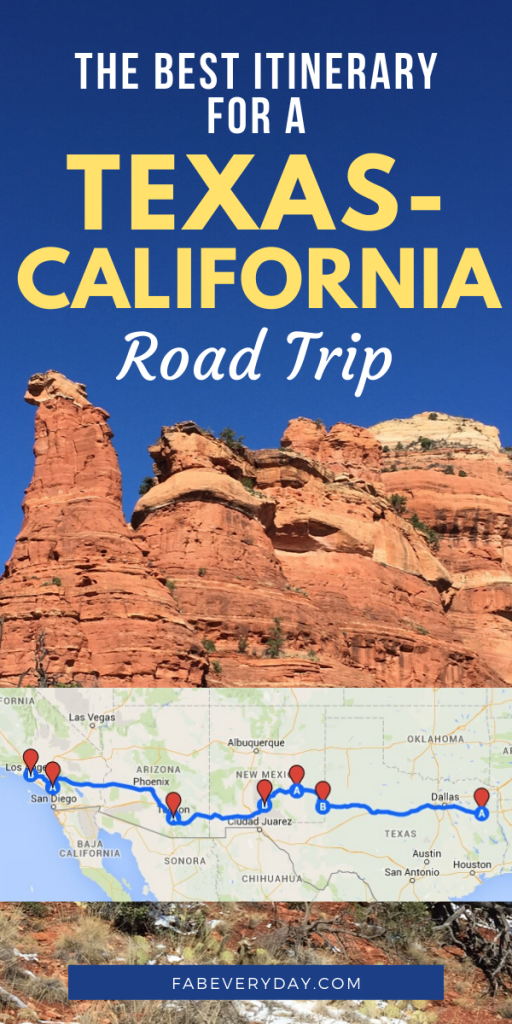
For most travelers prioritizing speed and directness, the primary routes are via Interstate 10 or Interstate 40.
-
Interstate 10: The Southern Route
- This is the most direct and widely used route for destinations in Southern California, such as Los Angeles or San Diego.
- Originating near Jacksonville, Florida, I-10 cuts across Texas, passing through cities like Houston, San Antonio, and El Paso.
- From El Paso, I-10 continues through the southern parts of New Mexico (passing near Las Cruces) and then directly through Arizona, including Phoenix and Tucson, before crossing into California near Blythe and heading towards Los Angeles.
- This route is generally lower in elevation and thus less prone to winter weather closures, making it a popular choice year-round.
-
Interstate 40: The Northern Route
- For those starting in northern Texas or aiming for destinations in Central or Northern California (like San Francisco or Yosemite National Park), I-40 is a viable option.
- I-40 traverses the Texas Panhandle, passing through Amarillo. It then enters New Mexico, going through Albuquerque and near Santa Fe, before continuing into northern Arizona, passing through Flagstaff and near the Grand Canyon National Park.
- From Arizona, you’d typically connect to other interstates (like I-15 or I-5) to reach various California destinations.
- This route offers different scenic vistas, including mountainous areas in Arizona, but it can be subject to snow and ice during winter months.
Beyond the Highway: Exploring the American Southwest
While interstates offer efficiency, some travelers prefer to incorporate more scenic drives into their itinerary, even if it adds time.
- Historic Route 66: Parts of this legendary highway run parallel to I-40 through Texas, New Mexico, and Arizona. Detouring onto sections of Route 66 allows for a nostalgic trip past quirky roadside attractions, classic diners, and a slower pace of travel.
- State Highways and Byways: Many state highways offer unique perspectives on the landscape, leading through charming small towns and providing access to hidden gems often bypassed by interstate traffic. Research specific state scenic byways if you have extra time and a desire for a more immersive experience.
Maximizing Your Trip: Attractions and Experiences Along the Way
The journey from Texas to California is a prime opportunity for sightseeing. The American Southwest is brimming with natural wonders, historical sites, and vibrant cities.
Iconic Stops in New Mexico
Crossing the border from Texas into New Mexico unveils the “Land of Enchantment.”
- White Sands National Park: A truly surreal landscape of gypsum dunes, perfect for sledding or photography. Located near Alamogordo, it’s a worthwhile detour from I-10.
- Carlsbad Caverns National Park: While a bit south of the main interstates, these massive underground caverns are a UNESCO World Heritage site and an awe-inspiring natural wonder.
- Santa Fe: The capital city offers a rich blend of Native American, Spanish, and Anglo cultures. Its historic Plaza, unique adobe architecture, vibrant arts scene, and delicious New Mexican cuisine make it a captivating stop, especially if traveling I-40 (with a short detour north).
- Albuquerque: New Mexico’s largest city, situated on I-40, offers a charming Old Town, the Sandia Peak Tramway, and a vibrant cultural scene.
Arizona’s Wonders: From Deserts to Canyons
Arizona is a treasure trove of natural beauty and cultural experiences.
- Grand Canyon National Park: An absolute must-see if your route takes you anywhere near northern Arizona. The sheer scale and beauty are unparalleled. Plan for at least half a day, ideally a full day, to explore its South Rim.
- Sedona: Famous for its stunning red rock formations, spiritual vortexes, and outdoor activities like hiking and mountain biking. It’s a popular detour from I-40 via Flagstaff.
- Petrified Forest National Park: Located directly on I-40, this park offers a unique landscape of fossilized wood and the colorful Painted Desert.
- Saguaro National Park: Near Tucson on I-10, this park is home to the iconic saguaro cactus, the largest cactus in the United States.
- Phoenix: Arizona’s bustling capital, situated on I-10, offers resorts, desert botanical gardens, and vibrant nightlife.
Gateway to California: First Impressions
As you cross into California, the landscape begins to shift, often starting with vast desert vistas.
- Joshua Tree National Park: This park, easily accessible from I-10 in southeastern California, is renowned for its unique Joshua trees, striking rock formations, and incredible stargazing opportunities. It’s an excellent first stop in the Golden State.
- Palm Springs: A desert oasis known for its mid-century modern architecture, golf courses, luxurious resorts, and the Palm Springs Aerial Tramway, offering panoramic views.
Planning Your Stay: Accommodation and Lifestyle Considerations
A long road trip necessitates careful planning of stopovers. The website’s focus on hotels, accommodation, and lifestyle perfectly aligns with optimizing your overnight stays.
Finding Your Perfect Stopover: Hotels, Motels, and Unique Stays
Choosing where to rest significantly impacts your travel experience. Options range from budget-friendly to luxurious.
- Budget-Friendly Motels: Chains like Motel 6, Super 8, or Days Inn are widely available along interstate exits in all states you’ll pass through. They offer basic, clean rooms and are ideal for travelers looking to minimize costs.
- Mid-Range Hotels: Brands such as Holiday Inn Express, Hampton Inn, or Best Western provide more amenities like complimentary breakfast, pools, and fitness centers, offering a comfortable upgrade without breaking the bank.
- Luxury Resorts and Boutique Hotels: In larger cities like Phoenix, Santa Fe, or Palm Springs, you can find upscale resorts and charming boutique hotels offering enhanced services, dining options, and unique atmospheres. These are perfect if you plan to extend your stay in a particular location.
- Vacation Rentals (Apartments, Villas): Platforms like Airbnb or VRBO offer apartments, villas, or entire homes, which can be ideal for families or longer stays, providing more space and kitchen facilities.
- Camping/RV Parks: For adventure seekers, numerous national and state parks, as well as private RV parks, offer camping options. This allows for a deeper connection with nature and can be a very cost-effective way to travel, especially in the scenic areas of Arizona and California.
Booking Tips:
- Book in Advance: Especially during peak travel seasons or if you have specific preferences, booking your accommodation ahead of time ensures availability and often secures better rates.
- Read Reviews: Check recent reviews on travel websites to gauge cleanliness, service, and location.
- Consider Loyalty Programs: If you frequently travel, using a hotel chain’s loyalty program can earn you points and benefits.
- Location, Location, Location: For overnight stops, consider hotels right off the interstate for convenience, but for extended stays, consider locations closer to attractions or downtown areas.
Travel Styles: Luxury, Budget, or Family Adventure
The journey can be tailored to various lifestyle preferences.
- Luxury Travel: If you’re seeking comfort and indulgence, plan stopovers in cities known for their upscale resorts and fine dining, such as Scottsdale (near Phoenix) or Santa Fe. Opt for premium hotels, spa services, and gourmet experiences.
- Budget Travel: For those mindful of expenses, focus on economical accommodation options, pack your own snacks and drinks, and take advantage of free attractions like scenic overlooks and state parks with minimal entry fees.
- Family Trips: When traveling with children, look for hotels with pools and family-friendly amenities. Plan shorter driving days, incorporate frequent stops at playgrounds or attractions like children’s museums, and pack plenty of entertainment for the car.
- Business Stays: While less common for a cross-country drive, if your trip is business-related, look for hotels with good Wi-Fi, meeting facilities, and comfortable workspaces.
Beyond the Drive: Other Ways to Travel
While driving offers unparalleled flexibility, it’s not the only way to get from Texas to California.
Flying High: The Fastest Option
For those pressed for time, flying is undoubtedly the quickest way to cover the distance.
- Major Airports: Direct flights are available from major Texas airports (Dallas/Fort Worth International Airport, George Bush Intercontinental Airport in Houston, Austin-Bergstrom International Airport) to California’s busiest hubs (Los Angeles International Airport, San Francisco International Airport, San Diego International Airport).
- Flight Duration: A direct flight typically takes between 2.5 to 4 hours, depending on the specific origin and destination.
- Considerations: While fast, flying involves time for airport security, check-in, and travel to and from the airports. It also restricts your ability to bring large items and removes the opportunity for spontaneous stops.
Rail and Bus: A Different Perspective
For a more relaxed or budget-conscious journey, trains and buses offer alternative methods of transportation.
- Train (Amtrak): Amtrak offers several routes that connect Texas to California. The “Sunset Limited” travels from New Orleans, passing through Houston, San Antonio, and El Paso before heading to Los Angeles. The “Texas Eagle” connects Chicago to San Antonio, where it links with the “Sunset Limited” for onward travel to California.
- Duration: Train journeys are significantly longer than driving, often taking over 30-40 hours, excluding potential layovers.
- Experience: Amtrak provides a unique travel experience, allowing passengers to relax, enjoy the scenery, and avoid the stresses of driving. Sleeper cars are available for added comfort on long routes.
- Bus (Greyhound): Greyhound offers extensive networks connecting cities across the U.S., including routes from Texas to California.
- Duration and Cost: Bus travel is typically the most economical option but also the slowest, often involving multiple transfers and long hours on the road, similar to or even longer than train travel.
- Accessibility: Greyhound serves many towns and cities that don’t have train stations or airports, making it accessible to more locations.
In conclusion, the distance from Texas to California is considerable, but the journey itself is an integral part of the adventure. Whether you choose to traverse the vast American Southwest by car, speed across the country by plane, or relax on a train, careful planning ensures a memorable and enjoyable experience tailored to your preferences and travel style. Each mile covered brings you closer to the diverse attractions and vibrant culture that await in the Golden State, making the trip far more than just a measurement of miles.
LifeOutOfTheBox is a participant in the Amazon Services LLC Associates Program, an affiliate advertising program designed to provide a means for sites to earn advertising fees by advertising and linking to Amazon.com. Amazon, the Amazon logo, AmazonSupply, and the AmazonSupply logo are trademarks of Amazon.com, Inc. or its affiliates. As an Amazon Associate we earn affiliate commissions from qualifying purchases.