
Embarking on a journey across the vast and vibrant landscape of Arizona is an experience many travelers seek, and one of the most frequently navigated routes connects the charming desert oasis of Tucson with the sprawling metropolitan heart of Phoenix. Whether you’re a seasoned desert explorer, a first-time visitor to the Grand Canyon State, or a business traveler connecting between these two significant urban centers, understanding the distance, travel options, and points of interest along the way is crucial for a seamless and enjoyable trip. This comprehensive guide will not only pinpoint the exact distance separating these two iconic Arizona cities but will also delve into the best ways to traverse the terrain, highlight must-see landmarks and attractions, and offer invaluable tips for planning your perfect desert adventure. From the rugged beauty of the Sonoran Desert to the bustling cityscapes, this journey promises a unique blend of natural wonder, cultural richness, and modern convenience.
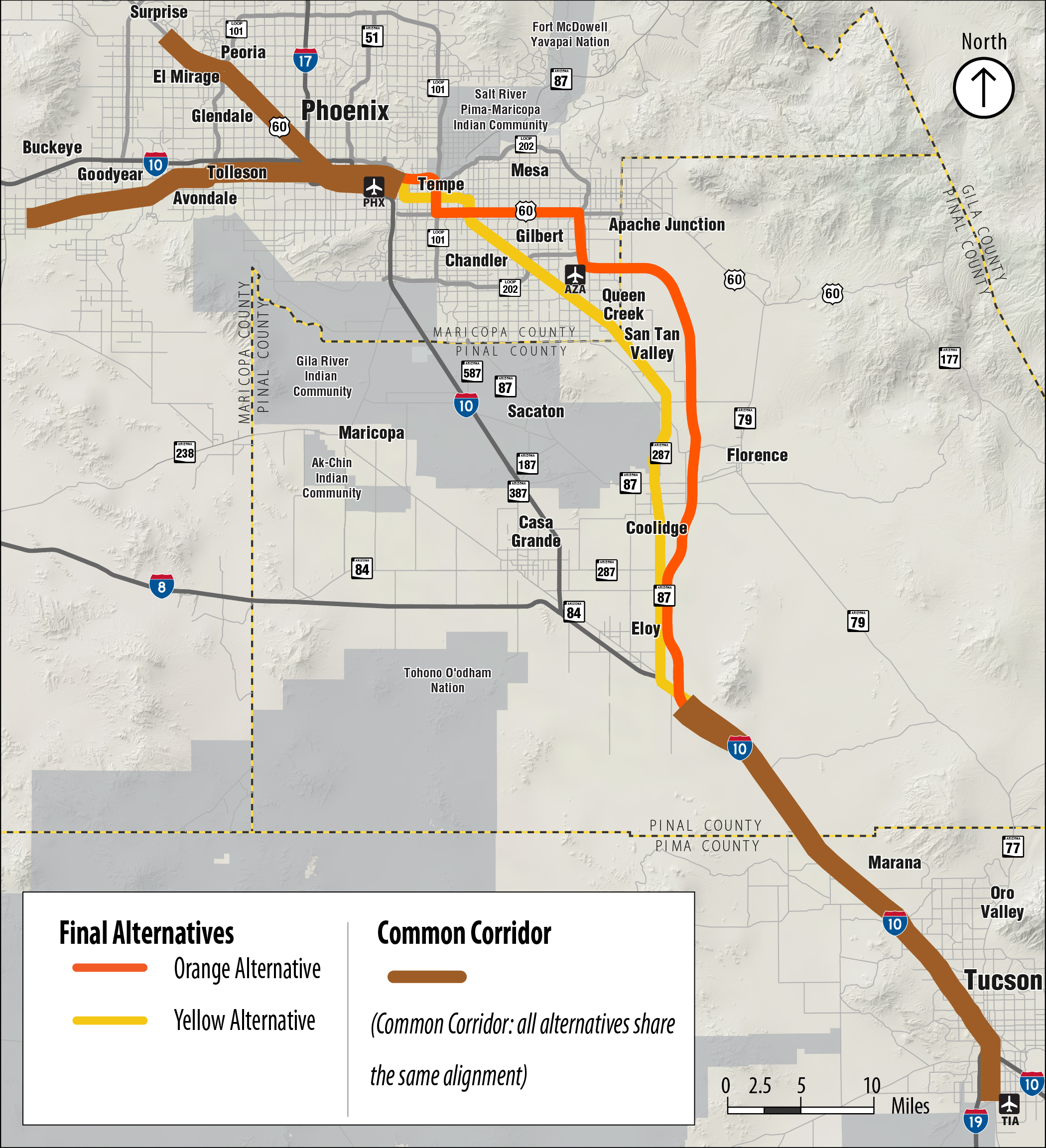
The Distance and Travel Time Between Tucson and Phoenix
The direct distance between Tucson and Phoenix is relatively straightforward, making it a manageable journey for most travelers. These two major Arizona cities are connected primarily by a well-maintained interstate highway, ensuring a relatively quick and efficient passage.
By Car: The Most Common Route
For the vast majority of travelers, driving is the preferred method of transport between Tucson and Phoenix. The primary route is via Interstate 10 (I-10) North. This highway offers a direct, four-lane (or more in some sections) passage through the heart of the Sonoran Desert.
- Distance: The approximate driving distance from downtown Tucson to downtown Phoenix is about 115 to 120 miles (185 to 193 kilometers).
- Travel Time: Under normal traffic conditions, the drive typically takes between 1 hour and 45 minutes to 2 hours. However, it’s essential to factor in potential delays, especially during peak travel times or if navigating the busy urban areas of either city. For instance, traveling during rush hour into or out of Phoenix can easily add an extra 30 minutes or more to your journey.
The convenience of having your own vehicle allows for flexibility, spontaneous stops, and easy access to attractions slightly off the main thoroughfare. Car rentals are readily available at both Tucson International Airport and Phoenix Sky Harbor International Airport, as well as within the city centers, catering to various budget and lifestyle preferences, from economical compact cars to luxurious SUVs.
Alternative Routes and Scenic Drives
While Interstate 10 is the most direct, a few alternative routes offer a different perspective of the Arizona landscape, albeit typically adding to the travel time.
One option involves taking a slight detour east through towns like Florence and Coolidge. This route, often using highways like Arizona State Route 79 and 287, allows you to explore the Casa Grande Ruins National Monument, a remarkable prehistoric Hohokam farming community with a multi-story “Great House.” This adds significant time, turning the drive into a half-day excursion, but it’s perfect for those seeking to immerse themselves in ancient history and observe more of the authentic rural Arizona landscape away from the interstate bustle. This route transforms a simple commute into a scenic road trip experience.
Another less common, but equally rewarding, scenic alternative involves heading north from Tucson on US-89 and then connecting to various state routes that wind through more remote parts of the Sonoran Desert before rejoining the major highways closer to Phoenix. This path might take you through the Pinal Pioneer Parkway, known for its saguaro forests and historical markers, offering a slower pace and opportunities for photography and quiet contemplation of the desert’s grandeur. These alternative routes cater to a “slow travel” lifestyle, prioritizing exploration over speed.
Factors Affecting Travel Duration
Several factors can influence the actual time it takes to get from Tucson to Phoenix:
- Traffic: As mentioned, rush hour in both cities (typically 6:30 AM – 9:00 AM and 4:00 PM – 6:30 PM on weekdays) can significantly extend travel times. Major sporting events or concerts in Phoenix can also cause congestion.
- Construction: Roadwork is an ongoing reality on major highways. While efforts are made to minimize disruption, unexpected lane closures or detours can occur.
- Weather: Arizona enjoys mostly clear skies, but monsoon season (typically July and August) can bring sudden, intense thunderstorms and flash flooding, which can impact visibility and road conditions. Dust storms, though less common, can also severely affect visibility.
- Stops: Whether for fuel, food, or a quick stretch, factoring in a 15-30 minute stop is always wise, especially for longer journeys or if traveling with family.
Exploring Travel Options Beyond Driving
While driving offers unparalleled flexibility, not everyone prefers or has access to a personal vehicle. Fortunately, several other modes of transport connect Tucson and Phoenix, catering to different budgets and preferences.
Bus Services: An Economical Choice
Bus services provide a cost-effective and convenient way to travel between the two cities. Greyhound is the primary operator, offering multiple daily departures from both Tucson and Phoenix.
- Journey Time: Bus journeys typically take a bit longer than driving, averaging around 2 hours to 2 hours and 30 minutes, depending on the number of stops and traffic conditions.
- Cost: Fares are generally quite affordable, especially when booked in advance, making it an excellent option for budget travel.
- Amenities: Modern buses often come equipped with Wi-Fi, power outlets, and comfortable seating, enhancing the travel experience.
- Convenience: Bus stations are usually centrally located or easily accessible via public transport, providing a straightforward option for those without a car.
Train Travel: A Scenic (Though Limited) Alternative
While Arizona does have Amtrak service, the direct train connection between Tucson and Phoenix is not as straightforward as one might hope. Tucson is a stop on Amtrak’s Sunset Limited route, which runs three times a week. However, Phoenix does not have a central Amtrak station; the nearest stop is in Maricopa, requiring an additional shuttle or taxi service to reach Phoenix proper.
- Journey Time & Cost: Because of the indirect nature, taking the train is usually longer and often more expensive than a bus for this specific route.
- Experience: For train enthusiasts, it offers a nostalgic and scenic travel experience, but for practical commuting between Tucson and Phoenix, it’s generally not the most efficient choice. This falls under a niche lifestyle preference rather than a mainstream option.
Flights: The Fastest Option for Longer Distances
Although both cities have major airports (Tucson International Airport and Phoenix Sky Harbor International Airport), flying between Tucson and Phoenix is generally impractical due to the short distance.
- Flight Time: The actual flight time would be minimal, perhaps 30-45 minutes.
- Overall Travel Time: However, when you factor in check-in, security, boarding, deplaning, and ground transportation to and from both airports, the total time would far exceed driving or taking the bus.
- Cost: Flights are also significantly more expensive for this route. Therefore, for most travelers, flying is not a viable option for this intra-state journey.
Ride-Sharing and Private Transfers
Services like Uber and Lyft are available and can be a convenient option, particularly for business travelers or those who prefer door-to-door service without the hassle of driving or parking. Private shuttle services also exist, often offering more comfort and reliability, especially for groups or those with specific schedules. These options usually fall into the luxury travel or business stays lifestyle categories.
What to See and Do Along the Way: A Road Trip Guide
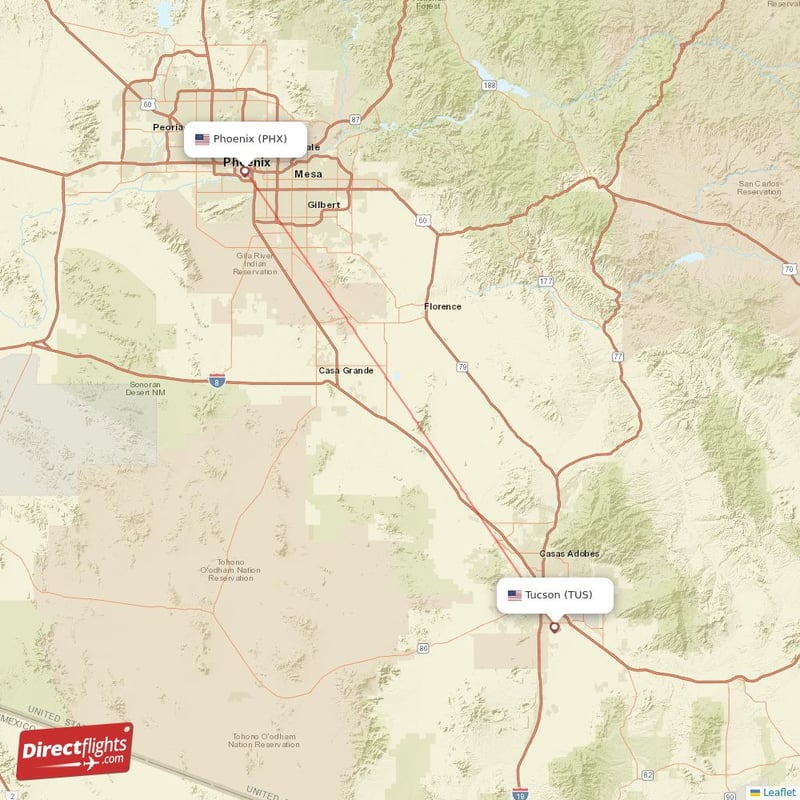
The journey between Tucson and Phoenix doesn’t have to be just a commute; it can be an integral part of your Arizona adventure. Several fascinating attractions and scenic spots dot the landscape, making for excellent road trip stops.
Notable Stops and Attractions
- Picacho Peak State Park: Roughly halfway between the two cities, this distinctive, towering peak is a prominent landmark visible from Interstate 10. The park offers hiking trails for various skill levels, including a challenging ascent to the summit with incredible panoramic views of the Sonoran Desert. It’s also famous for its vibrant wildflower blooms in the spring, making it a perfect spot for nature lovers and photographers.
- Casa Grande Ruins National Monument: As mentioned, this historic site is a slight detour off I-10 near Coolidge. It preserves the remains of a large Hohokam village, including the “Great House,” an impressive structure built by ancient desert dwellers. It’s a fantastic place to learn about the region’s pre-Columbian history and architecture, offering a glimpse into the local culture and ingenuity of early inhabitants.
- Pinal Pioneer Parkway: While this would be part of a more extensive detour, the Pinal Pioneer Parkway (Highway 79) offers a truly scenic alternative route that highlights the unique flora and fauna of the Sonoran Desert. It’s an ideal choice for those looking to experience the raw beauty of Arizona’s desert landscape without straying too far from the main cities.
Unique Local Experiences and Dining
Beyond specific landmarks, consider stopping at one of the many roadside stands or small-town eateries you might encounter. Look for places offering authentic regional cuisine, such as Sonoran hot dogs, green chile stew, or freshly made tortillas. These stops provide a taste of local flavor and an authentic tourism experience. Many small towns also feature quaint antique shops or local art galleries, offering a chance to discover unique souvenirs and interact with community members, enriching your overall travel experience.
Delving into Tucson: A Desert Gem
Before or after your journey, spending time in Tucson is highly recommended. Known for its rich cultural heritage, stunning desert scenery, and vibrant food scene, Tucson offers a different pace and charm compared to Phoenix.
Top Attractions in Tucson
- Saguaro National Park: Divided into two districts flanking the city, this park is dedicated to preserving the iconic saguaro cactus forests. Visitors can enjoy scenic drives, hiking trails, and breathtaking sunsets amidst these majestic desert giants. It’s an essential landmark for anyone wanting to experience the quintessential Sonoran Desert.
- Arizona-Sonora Desert Museum: More than just a museum, this world-renowned attraction is a zoo, botanical garden, art gallery, and natural history museum all rolled into one. It provides an immersive experience into the diverse ecosystems of the Sonoran Desert, showcasing local wildlife, plants, and geological features.
- Mission San Xavier del Bac: Often referred to as the “White Dove of the Desert,” this historic Spanish Catholic mission is a stunning example of 18th-century Spanish colonial architecture and a functioning church. Its intricate frescoes and sculptures make it a significant landmark and a profound spiritual and historical site.
- Old Tucson Studios: For a taste of the Wild West, this movie studio and theme park, where countless Western films and TV shows were shot, offers live action shows, rides, and a glimpse into frontier life.
- Kitt Peak National Observatory: A bit further out, but well worth the drive, this observatory is home to one of the largest collections of astronomical instruments in the world. It offers daily tours and night sky programs, providing a celestial experience like no other.
- Mount Lemmon: Drive from the desert floor to a cool pine forest in about an hour. This Sky Island offers hiking, camping, and even skiing in winter, showcasing Tucson’s incredible biodiversity.
- University of Arizona: Explore the beautiful campus, home to several museums and cultural venues.
- El Presidio Historic District: Wander through Tucson’s oldest neighborhood, featuring adobe architecture and charming shops.
Accommodation and Dining in Tucson
Tucson boasts a diverse range of accommodation options, from luxurious resorts to cozy boutique hotels and charming vacation rentals. For a lavish stay, consider the JW Marriott Starr Pass Resort & Spa or The Ritz-Carlton, Dove Mountain, both offering exquisite amenities and stunning desert views, ideal for a luxury lifestyle. More budget-friendly options can be found near the University of Arizona or along the SunLink Streetcar route, which conveniently connects downtown with popular areas. Tucson is also celebrated for its UNESCO City of Gastronomy designation, ensuring an incredible culinary journey. Don’t miss out on authentic Mexican cuisine, particularly Sonoran-style, at local favorites.
Discovering Phoenix: The Valley of the Sun
As the capital and largest city in Arizona, Phoenix is a bustling metropolis offering a wealth of urban attractions, vibrant nightlife, and luxurious resorts. It’s a hub for business stays, family trips, and lavish getaways alike.
Must-Visit Landmarks in Phoenix
- Desert Botanical Garden: A spectacular showcase of desert flora from around the world, this garden features thousands of species of cacti, succulents, and wildflowers. It’s a beautifully curated space that celebrates the unique biodiversity of the desert, offering trails and exhibits for all ages.
- Heard Museum: Dedicated to the advancement of Native American art and cultures, the Heard Museum houses an impressive collection of traditional and contemporary works. It provides deep insight into the rich history and living cultures of the region’s indigenous peoples, a vital part of Arizona’s local culture.
- Camelback Mountain: A prominent natural landmark recognizable for its camel-like hump, this mountain offers challenging hiking trails with rewarding panoramic views of the entire Phoenix metropolitan area.
- South Mountain Park and Preserve: One of the largest municipal parks in the United States, offering miles of trails for hiking, biking, and horseback riding, along with scenic drives and breathtaking vistas.
- Frank Lloyd Wright’s Taliesin West: The former winter home and architectural school of the legendary Frank Lloyd Wright, this site is a UNESCO World Heritage site and offers fascinating tours exploring his innovative designs and connection to the desert landscape.
- Musical Instrument Museum: A truly unique attraction showcasing musical instruments from every country in the world, often with interactive exhibits and concert footage.
- Downtown Phoenix: Explore the vibrant core with Chase Field (home of the Arizona Diamondbacks), Footprint Center (for concerts and Phoenix Suns games), museums, and a thriving food scene.
- Surrounding Cities: Don’t forget nearby Scottsdale, Tempe, and Mesa, which offer their own unique attractions and experiences.
Hotels and Lifestyle in Phoenix
Phoenix is renowned for its world-class resorts and diverse accommodation landscape. For luxury seekers, options like the Arizona Biltmore, A Waldorf Astoria Resort, or The Phoenician, a Luxury Collection Resort, Scottsdale offer opulent suites, championship golf courses, and exquisite amenities, perfect for a pampering getaway or a high-end business stay. Downtown Phoenix offers modern hotels like the Westin Phoenix Downtown, catering to urban explorers and convention-goers. Beyond hotels, the city also has numerous vacation villas and apartments for longer-term stays or those seeking a more home-like environment. The lifestyle in Phoenix blends outdoor activities with urban sophistication, offering everything from hiking and golf to fine dining and cultural events.
Planning Your Trip: Tips for a Seamless Journey
To ensure your journey between Tucson and Phoenix (and your stay in both cities) is as smooth as possible, consider these practical tips.
Best Time to Travel
The ideal time to visit Arizona is during the cooler months, from October to April. During this period, temperatures are pleasant (typically ranging from the 60s to 80s Fahrenheit), making outdoor activities and exploration much more enjoyable. The summer months (May to September) bring intense heat, with temperatures often exceeding 100°F (38°C), which can limit daytime outdoor activities and make driving less comfortable. If traveling in summer, plan drives and outdoor activities for early mornings or evenings.
Packing Essentials
Regardless of the season, packing smart is key for Arizona desert travel:
- Hydration: Always carry plenty of water, especially if you plan any outdoor activities. The desert climate is very dry.
- Sun Protection: Sunscreen, a wide-brimmed hat, and sunglasses are non-negotiable.
- Clothing: Layered clothing is best, as desert temperatures can fluctuate significantly between day and night. Breathable fabrics are recommended for daytime.
- Footwear: Comfortable walking or hiking shoes are essential for exploring parks and city streets.
- Navigation: While smartphones are prevalent, having a physical map or a downloaded offline map can be a lifesaver in areas with spotty cell service.
Budgeting for Your Adventure
Travel costs can vary widely based on your chosen lifestyle.
- Accommodation: Hotels and resorts in both cities range from budget-friendly options to ultra-luxury. Consider booking in advance, especially during peak season, for better rates. Look for deals on hotel suites or extended-stay apartments if you plan a longer visit.
- Transportation: Driving your own car or a rental offers flexibility. Buses are generally the most economical public transport option. Factor in fuel costs and potential parking fees in urban areas.
- Activities & Food: Both cities offer free natural attractions (like hiking) and paid entry to museums and gardens. Dining ranges from casual eateries to fine dining experiences. Researching and booking some activities ahead of time can help manage your budget.

Conclusion
The journey from Tucson to Phoenix, Arizona, is far more than just a matter of distance; it’s an opportunity to immerse yourself in the diverse beauty, rich history, and vibrant culture of the Sonoran Desert. Whether you choose the direct efficiency of Interstate 10 or opt for a scenic detour, each mile offers a new perspective on this remarkable state. With ample travel options, captivating landmarks along the way, and a wealth of attractions in both cities, planning your adventure carefully will ensure a memorable and enriching experience. From the saguaro-studded landscapes surrounding Tucson to the dynamic urban sprawl of Phoenix, this Arizona road trip promises a perfect blend of natural wonder and metropolitan excitement for every kind of traveler.
LifeOutOfTheBox is a participant in the Amazon Services LLC Associates Program, an affiliate advertising program designed to provide a means for sites to earn advertising fees by advertising and linking to Amazon.com. Amazon, the Amazon logo, AmazonSupply, and the AmazonSupply logo are trademarks of Amazon.com, Inc. or its affiliates. As an Amazon Associate we earn affiliate commissions from qualifying purchases.