
The call of the wild, the allure of ancient landscapes, and the promise of unforgettable adventures often lead intrepid travelers to explore the world’s most majestic rivers. Among these, the Colorado River stands as a true titan, carving an indelible path through the heart of the American Southwest and Mexico. Far more than just a waterway, it’s a vibrant artery sustaining life, inspiring legends, and fueling an incredible array of travel and tourism experiences. For those planning a journey through this iconic region, a fundamental question often arises: “How long is the Colorado River?”
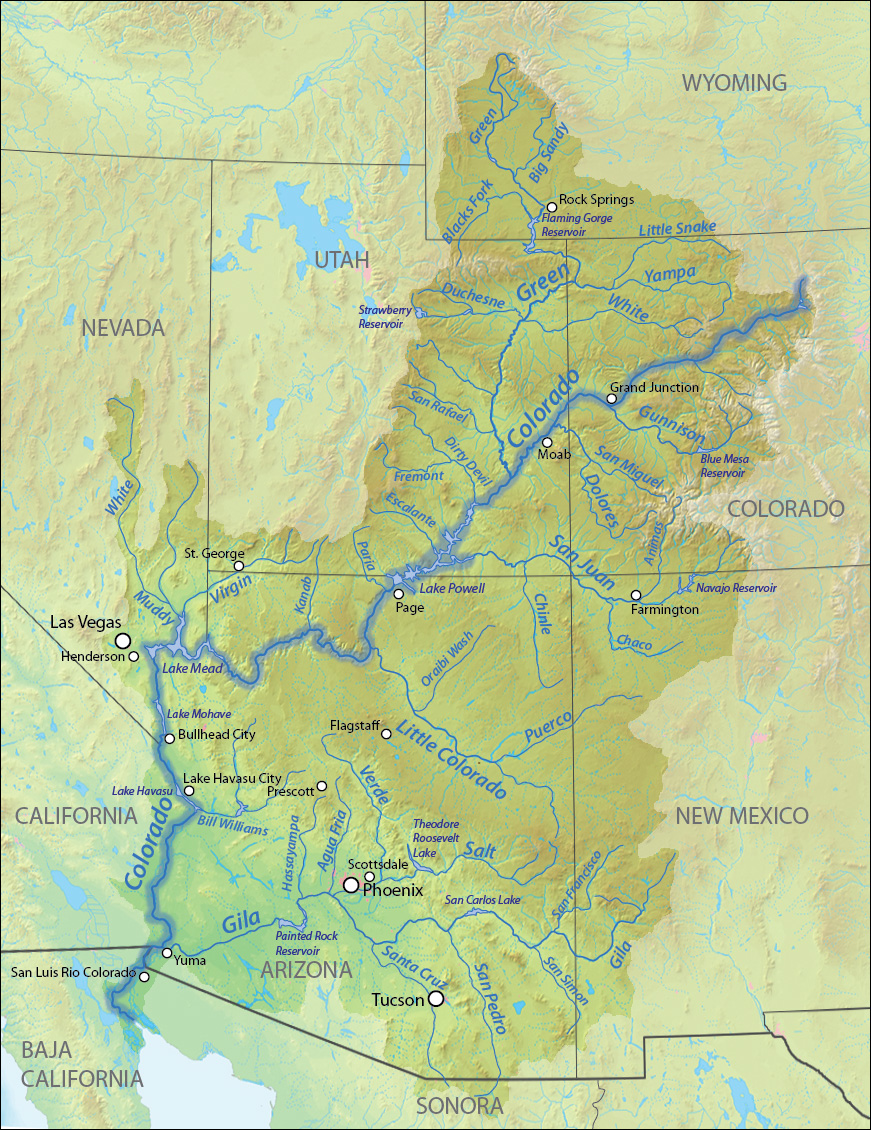
Measuring approximately 1,450 miles (about 2,330 kilometers) from its humble origins in the Rocky Mountains to its historic delta at the Gulf of California, the Colorado River is a geographical marvel. Its sheer length is impressive, but it’s the dramatic journey it undertakes, the diverse landscapes it traverses, and the profound impact it has on the environment, economy, and culture of both the United States and Mexico that truly define its significance. For travelers, this immense river system offers a lifetime of exploration, from thrilling white-water rafting expeditions and serene houseboating holidays to discovering some of the most breathtaking national parks and vibrant cities on the continent.
This guide delves into the length and breadth of the Colorado River, exploring its geographical wonders, its critical role in regional development, and the myriad of travel opportunities it presents. Whether you’re a luxury traveler seeking exclusive resort experiences, an adventure enthusiast planning a budget-friendly camping trip, or a family looking for educational and fun destinations, the Colorado River basin holds a treasure trove of possibilities waiting to be discovered.
The Magnificent Journey: Tracing the Colorado River’s Path
To truly appreciate the grandeur of the Colorado River, one must understand its extensive and intricate journey. This river is a testament to nature’s power, having sculpted some of the most iconic landscapes on Earth over millions of years.
From Rockies to the Gulf: A Geographical Masterpiece
The Colorado River begins its epic voyage high in the Rocky Mountains of Colorado. Its source is often cited as La Poudre Pass, nestled within the pristine wilderness of Rocky Mountain National Park, where snowmelt and alpine springs coalesce to form its nascent flow. From these elevations, it cascades southward and westward, gathering strength and volume as it traverses a vast and varied terrain.
The river basin, an area encompassing approximately 246,000 square miles, touches seven U.S. states: Colorado, Wyoming, Utah, New Mexico, Arizona, Nevada, and California. Each state boasts unique natural features shaped by the river’s influence, offering distinct attractions for visitors. After its long trek through the United States, the Colorado River crosses the international border into Mexico, flowing through the states of Baja California and Sonora before historically emptying into the Gulf of California, also known as the Sea of Cortés.
Along its immense length, the river transforms from a narrow mountain stream into a powerful force that has carved some of the world’s most spectacular canyons and plateaus. This ever-changing landscape is a primary draw for tourists, from the verdant valleys of Colorado to the dramatic red rock formations of Utah and Arizona, culminating in the expansive desert ecosystems of California and Mexico. The diverse ecosystems it supports and the geological wonders it has created make it an unparalleled destination for nature lovers and adventurers alike.
A Lifeline for Millions: Its Enduring Impact
Beyond its impressive physical dimensions, the Colorado River is an indispensable lifeline for approximately 40 million people across the Southwest. It provides vital drinking water for major metropolitan areas such as Las Vegas, Phoenix, and Los Angeles, powering their growth and sustaining their populations.
The river’s power is harnessed through colossal engineering feats like the Hoover Dam and Glen Canyon Dam, which not only generate critical hydropower but also create immense reservoirs such as Lake Mead and Lake Powell — themselves major tourist attractions. These dams are landmarks of human ingenuity, attracting millions of visitors who marvel at their scale and significance.
Furthermore, the Colorado River sustains a vast agricultural industry, particularly in the fertile Imperial Valley of California, which relies heavily on its waters for irrigation, contributing billions to the national economy. This extensive human reliance, however, also presents challenges, with ongoing concerns about drought, water scarcity, and the ecological health of the river, making it a critical focus for environmental tourism and sustainable travel initiatives. Understanding these dynamics enhances a traveler’s appreciation of the region’s delicate balance.
Unforgettable Destinations Along the Colorado River
The 1,450-mile span of the Colorado River is dotted with an extraordinary collection of natural wonders, national parks, and vibrant gateway cities. Each offers a unique perspective on the river’s grandeur and its surrounding landscapes, making it a prime destination for various types of travel, from rugged adventure to luxurious relaxation.
Iconic Natural Wonders and National Parks
No discussion of the Colorado River is complete without immediately thinking of the Grand Canyon National Park. Carved over millions of years by the relentless flow of the river, this geological masterpiece is arguably the most famous landmark in the United States. Visitors can explore its vastness from numerous viewpoints, such as Mather Point and Lipan Point on the South Rim, or embark on challenging hikes down to the river itself. White-water rafting through the Grand Canyon is a bucket-list experience for many, offering an intimate perspective of its towering walls and roaring rapids. Accommodations range from historic lodges like the El Tovar Hotel and Bright Angel Lodge directly on the rim, to more budget-friendly options in nearby gateway towns, ensuring options for all travel styles.
Further upstream, near Moab, Utah, the river winds its way past Arches National Park and Canyonlands National Park. While not flowing directly through Arches, the river is a short drive away, and it dramatically carves through Canyonlands, creating breathtaking vistas at places like the Confluence Overlook, where the Green River meets the Colorado. These parks are havens for hikers, photographers, and rock climbers, and Moab itself is a vibrant hub for adventure tourism, offering a range of hotels, suites, and vacation rentals.
In Arizona, the constructed marvels of Lake Powell and Lake Mead offer different types of watery escapes. Lake Powell, near Page, Arizona, is renowned for houseboating, kayaking, and exploring hidden coves and slot canyons like the famous Antelope Canyon. Nearby, Horseshoe Bend, a dramatic meander of the Colorado River, provides an iconic photo opportunity. Lake Mead, formed by the Hoover Dam on the border of Nevada and Arizona, is a popular spot for boating, fishing, and watersports, with tours of the impressive dam offering insight into its construction and operation.

Gateway Cities and Cultural Hubs
The immense length of the Colorado River means it influences numerous cities that serve as excellent bases for exploring its wonders. Denver, Colorado, while not directly on the main stem, is a crucial gateway for travelers looking to explore the river’s headwaters and the Rocky Mountain National Park. As a vibrant city, Denver offers diverse hotels and a thriving local culture before heading into the wilderness.
Moab, Utah, as mentioned, is the undisputed adventure capital of the Colorado River region. It serves as a perfect base for exploring Arches and Canyonlands National Parks, offering a wide range of accommodation, from cozy budget motels to luxurious boutique resorts, and an abundance of tour operators for rafting, mountain biking, and off-roading.
Perhaps the most famous gateway city linked to the Colorado River is Las Vegas, Nevada. Though known for its glittering resorts and entertainment, Las Vegas is surprisingly close to the Colorado River at the Hoover Dam and offers convenient access for helicopter tours to the Grand Canyon. Luxury travelers will find world-class hotels like the Bellagio or Caesars Palace, offering amenities that complement adventurous day trips with indulgent evenings.
Further south, communities along the Colorado River such as Laughlin, Nevada and Lake Havasu City, Arizona, cater to different travel preferences, offering casino resorts and water-focused activities respectively. Even Sedona, Arizona, famous for its red rock formations and spiritual retreats, is within easy reach of the Colorado River’s influence and often included in wider regional travel itineraries. These cities provide comfortable accommodations and local tourism opportunities, allowing travelers to experience the culture and lifestyle of the Southwest while being close to the river’s natural wonders.
Crafting Your Colorado River Adventure: Travel & Accommodation
The extensive length and diverse landscapes of the Colorado River basin mean there’s an adventure to suit every traveler’s taste, budget, and lifestyle. From adrenaline-pumping excursions to tranquil retreats, planning your trip requires considering the array of activities and accommodation options available.
Activities for Every Lifestyle
For the adventure seeker, the Colorado River is synonymous with white-water rafting. The most famous stretches, such as the Grand Canyon and Cataract Canyon in Utah, offer multi-day trips that plunge through exhilarating rapids and provide unparalleled views of geological formations. Kayaking, paddleboarding, and jet-skiing are popular on the calmer waters of Lake Powell and Lake Mead, offering a different kind of watery exploration. Hiking is another staple, with trails ranging from the challenging multi-day treks like the Bright Angel Trail in the Grand Canyon to scenic rim walks like the Rim Trail.
Those seeking relaxation and scenic beauty can opt for leisurely houseboating on Lake Powell, exploring its hundreds of miles of shoreline and secluded canyons. Scenic drives, such as those near Page, Arizona, offer stunning vistas of Horseshoe Bend and the surrounding desert. Photography tours to places like Antelope Canyon provide opportunities to capture its ethereal beauty, while boat tours on the river or lakes offer a unique perspective.
Family trips can be seamlessly integrated with the Colorado River experience. Many resorts in gateway cities offer kid-friendly amenities, and guided tours often cater to families, combining educational insights with fun activities. Short rafting trips, gentle hikes, and visits to interpretive centers offer engagement for all ages.
For luxury travel, the region does not disappoint. High-end lodges and boutique hotels are available near national parks, offering exquisite comfort after a day of exploration. Private helicopter tours provide breathtaking aerial views of the Grand Canyon, and exclusive guided tours can be arranged to tailor every aspect of your adventure. Culinary experiences in cities like Las Vegas or Denver further elevate the luxury lifestyle aspect of a trip to the Colorado River basin.
Where to Stay: Hotels, Resorts, and Unique Accommodations
Accommodation options along the Colorado River’s vast stretch are as diverse as the landscapes themselves. For those visiting the Grand Canyon National Park, iconic, historic hotels like the El Tovar Hotel and the Bright Angel Lodge offer unrivaled proximity to the South Rim, though booking far in advance is essential. Outside the park, towns like Tusayan, Arizona, provide a range of hotel suites and resorts.
In adventure hubs like Moab, Utah, you’ll find everything from charming boutique hotels and comfortable chain hotels to extensive vacation rentals and robust camping facilities, including RV parks, catering to budget travelers and those seeking a longer stay. Page, Arizona, offers mid-range hotels and is a prime location for renting houseboats on Lake Powell.
When staying in larger cities like Las Vegas, Nevada, the options are virtually endless, from opulent resorts like the Bellagio and Caesars Palace offering every imaginable amenity, to more modest hotels for budget-conscious travelers. Many of these offer convenient shuttle services or tour packages to nearby Colorado River attractions.
For a truly unique accommodation experience, consider glamping sites near national parks, cabins tucked away in scenic areas, or even long-term apartment rentals in towns like Grand Junction, Colorado, for an extended stay exploring the lesser-known parts of the river. When planning, always prioritize booking in advance, especially during peak seasons, and use online platforms to compare hotels, read reviews, and find the best deals for your preferred type of accommodation.
Essential Travel Tips for the Colorado River Region
- Best Time to Visit: Spring (March to May) and Fall (September to November) offer the most pleasant weather for outdoor activities, avoiding the extreme heat of summer and the potential snow of winter in higher elevations.
- Packing Essentials: Sun protection (hats, sunscreen, sunglasses) is crucial due to the intense Southwest sun. Bring plenty of water, comfortable hiking shoes, and layers of clothing, as temperatures can vary significantly between day and night.
- Transportation: A rental car is often essential for exploring the vast distances between attractions. For specific activities like rafting, booking with reputable tour operators that provide transportation is advisable.
- Respect Nature and Culture: Adhere to “Leave No Trace” principles to preserve the natural beauty of the region. Be mindful of local customs and the delicate ecosystems you are visiting. Many areas are culturally significant to Native American tribes; respect their heritage.
- Permits and Reservations: Certain activities, especially extended rafting trips or backcountry hiking, require permits, which can be highly competitive and need to be secured well in advance. Similarly, popular accommodations and tours book up quickly.
- Budgeting: The Colorado River region can cater to various budgets, from luxurious resort stays to economical camping trips. Plan your expenses for accommodation, food, activities, and transportation, and consider travel insurance for peace of mind.
In conclusion, the question “How long is the Colorado River?” barely scratches the surface of this natural wonder. At 1,450 miles, it’s not just a measure of distance but a testament to a landscape-shaping force that has created an unparalleled travel destination. From its icy origins in the Rocky Mountains to its final embrace with the Gulf of California, the Colorado River offers a diverse tapestry of experiences. Whether you seek thrilling adventures, serene natural beauty, cultural immersion, or luxurious relaxation, the Colorado River basin beckons. Plan your journey today and discover why this grand artery of North America continues to captivate the hearts and imaginations of travelers worldwide.
LifeOutOfTheBox is a participant in the Amazon Services LLC Associates Program, an affiliate advertising program designed to provide a means for sites to earn advertising fees by advertising and linking to Amazon.com. Amazon, the Amazon logo, AmazonSupply, and the AmazonSupply logo are trademarks of Amazon.com, Inc. or its affiliates. As an Amazon Associate we earn affiliate commissions from qualifying purchases.