
Embarking on a journey from the nation’s capital, Washington D.C., to the historic cradle of American liberty, Boston, is a classic Northeast Corridor experience. This route connects two pivotal cities, each brimming with historical significance, cultural attractions, and distinct urban flavors. The distance between them, and consequently the travel time, can vary significantly depending on the chosen mode of transportation and various external factors like traffic, weather, or service delays. Understanding these nuances is key to planning a seamless and enjoyable trip, whether you’re seeking speed, scenic views, or budget-friendly options.
The Journey: Distance and Travel Time
The straight-line distance, or “as the crow flies,” between Washington D.C. and Boston is approximately 399 miles (642 kilometers). However, actual travel distances on roads or rail lines will be slightly longer due to the winding nature of routes. The journey is a fundamental part of the adventure, offering glimpses into the diverse landscapes and bustling metropolises that define the eastern United States.
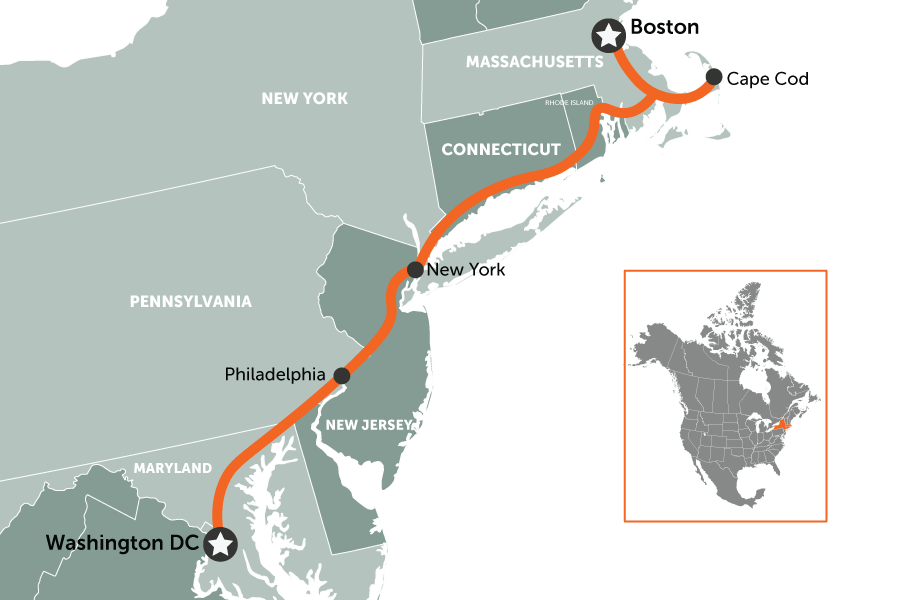
By Car: The Classic American Road Trip
Driving offers unparalleled flexibility and the chance to explore at your own pace. The typical driving distance is around 440 miles (708 kilometers) via the most direct routes, primarily I-95 North.
- Estimated Driving Time: Without significant stops, the drive generally takes between 7 to 9 hours. This estimate can fluctuate wildly based on traffic, especially when passing through major metropolitan areas like Baltimore, Philadelphia, New York City, and the various cities in Connecticut and Massachusetts.
- Route Considerations: The primary route, I-95, is a heavily trafficked artery. Travelers should account for tolls, particularly in Maryland, Delaware, New Jersey, and New York. Electronic toll systems like E-ZPass are highly recommended to avoid delays. Alternatives like US-1 or scenic detours can add significant time but offer different perspectives. Planning rest stops and meal breaks is crucial for a comfortable journey, especially for solo drivers.
By Train: Scenic and Convenient Rail Travel
Amtrak provides a popular and often stress-free option for intercity travel along the Northeast Corridor.
- Routes and Travel Time:
- The high-speed Acela Express is the quickest, with journeys typically ranging from 6.5 to 7 hours. It offers fewer stops and premium amenities.
- The Northeast Regional service makes more stops and generally takes between 8 to 9 hours. While slower, it’s often more economical.
- Stations: Trains depart from Union Station, Washington D.C. and arrive at South Station, Boston, both centrally located with excellent public transport connections.
- Benefits: Rail travel allows passengers to relax, work, or enjoy the scenery without the hassles of driving or navigating airport security. It’s often considered a more sustainable travel choice.
By Bus: Economical and Accessible
Bus travel is typically the most budget-friendly option, making it a favorite for students and cost-conscious travelers.
- Major Operators: Companies like Greyhound, Peter Pan Bus Lines, and Megabus operate frequent services between the two cities.
- Travel Time: Due to multiple stops and traffic, bus journeys are generally the longest, ranging from 8 to 11 hours, and sometimes longer during peak travel times or unexpected delays.
- Departure/Arrival: Buses usually depart from major transportation hubs or dedicated bus terminals in each city, often similar to or adjacent to train stations, offering convenient access.
By Air: The Quickest Route
For those prioritizing speed, flying is undoubtedly the fastest way to cover the distance, though it comes with its own set of considerations.
- Flight Time: The actual flight time is remarkably short, usually around 1 hour and 15 minutes to 1 hour and 30 minutes.
- Airports:
- From Washington D.C., travelers typically use Ronald Reagan Washington National Airport (DCA) for its close proximity to downtown. Washington Dulles International Airport (IAD) and Baltimore/Washington International Thurgood Marshall Airport (BWI) are also options, though further out.
- Arrival in Boston is at Boston Logan International Airport (BOS), which is conveniently located a short distance from the city center.
- Total Travel Time: While the flight itself is quick, the overall journey time can extend to 4-6 hours once you factor in travel to and from airports, security checks, boarding, and potential delays. The cost can also be significantly higher, especially for last-minute bookings.
Planning Your Journey: Tips for a Smooth Trip
Careful planning can transform a long journey into a memorable part of your travel experience.
Best Time to Travel
The Northeast Corridor experiences distinct seasons, each affecting travel conditions.

- Spring (April-May) and Fall (September-October): These are often considered the best times to travel, offering mild weather, beautiful scenery (especially fall foliage), and generally fewer crowds compared to summer.
- Summer (June-August): While popular for vacations, summer sees increased traffic, higher prices, and potential for heat and humidity. Book well in advance.
- Winter (November-March): Can bring challenging weather conditions, including snow and ice, which can cause significant delays for all modes of transport. However, off-peak travel during winter often means lower prices and fewer crowds.
- Holidays and Weekends: Always expect heavier traffic and higher fares during national holidays and long weekends, regardless of the season.
Cost Analysis: Budgeting for Your Trip
The cost of travel varies widely:
- Bus: Generally the most affordable, with tickets often ranging from $25-$60 one-way if booked in advance.
- Train: A mid-range option. Northeast Regional tickets can start from $50-$100, while Acela Express can be $80-$200+ for a one-way trip, depending on class and booking time.
- Car: Variable costs include gas (significant for 440 miles), tolls (easily $20-$40+ one-way), parking fees in both cities (can be very expensive), and vehicle wear and tear.
- Air: Typically the most expensive, with flights ranging from $100-$300+ one-way, not including potential baggage fees or airport transfer costs. Always compare total cost-to-destination, not just ticket price.
Packing Essentials
Beyond standard luggage, consider items specific to the journey:
- Comfort: A travel pillow, blanket, noise-canceling headphones, and comfortable shoes are invaluable for long trips.
- Entertainment: Books, e-readers, downloaded movies, podcasts, or music to pass the time. Power banks are essential for keeping devices charged.
- Snacks and Hydration: While food options are available on trains and at stops, having your own snacks and a reusable water bottle can save money and cater to preferences.
- Navigation: For drivers, having both GPS (Google Maps, Waze) and a physical map as a backup can be helpful.
Route Optimization for Road Trippers
- Traffic Apps: Utilize real-time traffic apps to avoid congested areas and find alternative routes.
- Pit Stops: Plan interesting stops along the way. Philadelphia offers historical sites, while scenic coastal towns in Connecticut or Rhode Island can provide a refreshing break. These stops transform the drive from a mere transit into an extended part of your travel experience.
What to Expect: A Tale of Two Cities and the Northeast Corridor
The journey itself is a passage through a cross-section of American history and modernity.
From Washington D.C.: A Capital of History and Power
Your trip begins in a city defined by monumental architecture and political significance. Washington D.C. offers the National Mall, the iconic U.S. Capitol Building, the Lincoln Memorial, and a wealth of free Smithsonian Museums, setting a grand tone for any departure.
The Northeast Corridor: A Tapestry of American Heritage
As you travel north, you’ll traverse several states, each contributing to the rich fabric of the Northeast Corridor:
- Maryland: Home to Baltimore’s historic Inner Harbor and vibrant neighborhoods.
- Delaware: A small but significant state, often passed through quickly.
- Pennsylvania: Featuring Philadelphia, the birthplace of American independence, with landmarks like Independence Hall and the Liberty Bell.
- New Jersey: A diverse state, from industrial areas to coastal resorts.
- New York: The route typically skirts around or passes through the bustling heart of New York City, a global epicenter of culture, finance, and entertainment.
- Connecticut: Known for charming towns, picturesque coastlines, and prestigious universities like Yale University.
- Rhode Island: The smallest state, famous for its coastal beauty and the mansions of Newport.
- Massachusetts: The final stretch, leading into Boston.
Each state offers unique landscapes and cultural insights, showcasing the historical depth and modern dynamism of the region.
To Boston: A Hub of Revolution and Innovation
Your destination, Boston, awaits with its cobblestone streets, revolutionary war history, and intellectual prowess. Explore the Freedom Trail, wander through Harvard University in Cambridge, catch a Red Sox game at Fenway Park, or savor fresh seafood at Quincy Market. The city seamlessly blends its storied past with a vibrant, forward-looking present.
Making the Most of Your Travel Time
The journey from Washington D.C. to Boston is more than just covering distance; it’s an opportunity to transition between two distinct American experiences. Whether you choose to dive into a book on the train, listen to a podcast on the bus, plan your Boston itinerary on a plane, or discover hidden gems on a road trip, embrace the travel time as an integral part of your adventure. It’s a chance to unwind, reflect, or prepare for the exciting destination that awaits.
LifeOutOfTheBox is a participant in the Amazon Services LLC Associates Program, an affiliate advertising program designed to provide a means for sites to earn advertising fees by advertising and linking to Amazon.com. Amazon, the Amazon logo, AmazonSupply, and the AmazonSupply logo are trademarks of Amazon.com, Inc. or its affiliates. As an Amazon Associate we earn affiliate commissions from qualifying purchases.