
Gifting a car in Florida can be a wonderfully generous act, whether it’s for a family member, a friend, or even as a charitable donation. However, the process involves specific legal and administrative steps to ensure the transfer of ownership is smooth and compliant with state regulations. Navigating these requirements is crucial to avoid future complications for both the giver and the recipient. This guide will walk you through the essential considerations and procedures for gifting a vehicle in the Sunshine State.
Understanding the Basics of Gifting a Vehicle
Before diving into the practicalities, it’s important to understand what constitutes a “gift” in the context of vehicle titling and registration. A gifted vehicle is one transferred from one person to another without any exchange of money or other compensation. This distinction is significant because it often affects the taxes and fees associated with the transfer. In Florida, gifts are generally exempt from sales tax, but specific documentation is still required to prove the nature of the transaction.
Eligibility and Requirements
To successfully gift a car, several criteria must be met:
- Ownership: The giver must have clear title to the vehicle, meaning there are no outstanding loans or liens against it. If there is a lienholder, their consent and involvement will be necessary for the title transfer.
- Recipient: The recipient must be able to legally own and operate a vehicle in Florida. This typically means possessing a valid driver’s license and meeting insurance requirements.
- Vehicle Condition: While not a strict legal requirement for gifting, it’s good practice to ensure the vehicle is in a safe and operable condition, especially if it’s intended for immediate use.
The Role of the Florida Department of Highway Safety and Motor Vehicles (FLHSMV)
The Florida Department of Highway Safety and Motor Vehicles (FLHSMV) is the governing body responsible for vehicle titling and registration in the state. Understanding their procedures and requirements is paramount. The FLHSMV provides the necessary forms and guidelines to ensure all vehicle transfers are handled correctly.
Steps for Gifting a Vehicle in Florida
The process of gifting a car in Florida involves several key steps, from preparing the necessary documents to finalizing the transfer with the FLHSMV.
1. Obtaining and Completing the Title
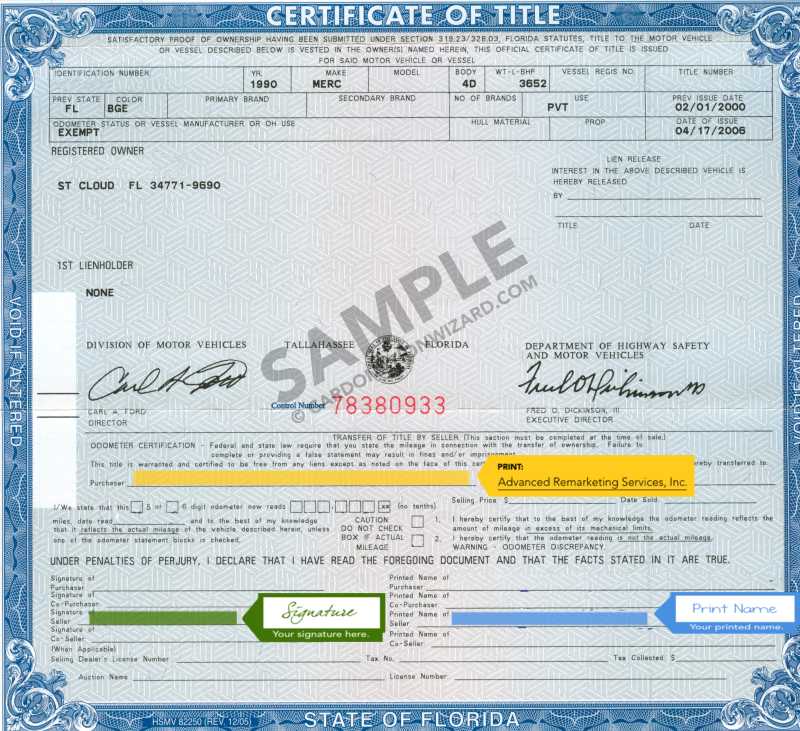
The Certificate of Title is the most critical document in vehicle ownership. To gift a car, the current owner (the giver) must have the physical title. If the title is lost or damaged, a duplicate must be obtained from the FLHSMV before proceeding.
- Section for Transfer of Title by Gift: On the title, there will be a section designated for the transfer of ownership. The giver needs to accurately fill out their information as the seller and the recipient’s information as the buyer.
- Odometer Disclosure: Federal and state laws require an accurate odometer reading to be disclosed at the time of transfer. Both the giver and the recipient must sign the title to acknowledge the recorded mileage.
- “Gift” Declaration: Crucially, the giver must clearly indicate that the vehicle is being gifted and is not being sold. This is often done by stating “Gift” or “No Value” in the purchase price section or by completing a specific affidavit.
2. The Affidavit of Gift
While the title itself can sometimes indicate a gift, a more robust and often required document is the Affidavit of Gift. This form, typically provided by the FLHSMV or available through county tax collector offices, serves as formal proof that the vehicle was transferred without monetary compensation.
- Key Information: The affidavit will require details such as the giver’s and recipient’s names and addresses, the vehicle’s make, model, year, and Vehicle Identification Number (VIN), and a statement confirming the gift.
- Notarization: In most cases, the Affidavit of Gift must be notarized. This adds a layer of legal authenticity to the declaration. Both the giver and the recipient may need to be present with a notary public.
- Exemption from Sales Tax: The Affidavit of Gift is instrumental in allowing the recipient to claim an exemption from Florida’s sales tax on the gifted vehicle. Without this documentation, the FLHSMV may assess sales tax based on the vehicle’s book value.
3. Completing the Application for Certificate of Title With Application for Registration (Form HSMV 82040)
The recipient will need to complete and submit Form HSMV 82040, the Application for Certificate of Title With Application for Registration. This form is essential for officially transferring ownership and registering the vehicle in the recipient’s name.
- Recipient’s Details: The recipient must provide their personal information, including name, address, and driver’s license number.
- Vehicle Information: All details about the gifted vehicle, including the VIN, make, model, and year, must be accurately entered.
- Lien Information (if applicable): If the recipient is financing the vehicle or if there’s a lienholder involved, this information must be declared on the form.
- Proof of Insurance: Florida requires proof of personal injury protection (PIP) insurance and property damage liability (PDL) insurance before a vehicle can be registered. The recipient must provide valid insurance documentation.

4. Submitting Documents to the County Tax Collector’s Office
Once all the necessary documents are prepared and completed, they must be submitted to the local county tax collector’s office. These offices act as agents for the FLHSMV and handle title and registration transactions.
- Required Documents: Typically, you will need to submit:
- The completed Certificate of Title, signed by the giver.
- The notarized Affidavit of Gift.
- Completed Form HSMV 82040.
- Proof of Florida insurance.
- A valid Florida driver’s license for the recipient.
- Proof of identity for both parties.
- If the vehicle is new to Florida and the giver is out-of-state, a Vehicle Identification Number (VIN) inspection may be required.
- Fees: While the gift itself exempts the recipient from sales tax, there are still fees associated with titling and registration. These include title fees, registration fees (which vary based on the vehicle’s weight and type), and potentially a plate transfer fee if the giver is transferring an existing plate. The county tax collector’s office can provide an estimate of these costs.
Special Considerations for Gifting a Car
Beyond the standard procedure, there are a few special circumstances and points to consider when gifting a vehicle in Florida.
Lienholders and Loans
If the vehicle you intend to gift has an outstanding loan, you cannot simply sign over the title. The lienholder must be involved in the transfer process.
- Satisfying the Lien: The most straightforward approach is to pay off the loan completely before gifting the car. Once the lien is satisfied, the lienholder will release their interest, and you will receive a clear title.
- Lienholder Consent: If paying off the loan isn’t feasible, you will need to obtain consent from the lienholder. They may have specific procedures for transferring ownership of a vehicle with an active loan, which could involve the recipient taking over the loan or having a new loan arranged. This process can be complex and requires careful coordination with the lender.
Transferring a Vehicle to a Minor
Gifting a car to a minor (under 18 years old) introduces additional complexities in Florida. Minors cannot legally hold a title or register a vehicle in their own name.
- Co-Ownership: The vehicle must be titled in the name of a parent or legal guardian, potentially as co-owners with the minor. The parent or guardian will be responsible for all legal aspects, including registration, insurance, and any liability.
- Parental Consent: For a minor to be listed on the title or to operate the vehicle, specific parental consent forms and documentation will likely be required by the FLHSMV.
Gifting to a Non-Resident
If you are gifting a car to someone who is not a resident of Florida, the process might differ, especially regarding registration. The recipient will need to register the vehicle in their state of residence, and the titling and gifting requirements of that state will apply. You would still need to properly title the vehicle out of your name in Florida using the appropriate forms.
Charitable Donations
If you are gifting a car to a qualified charitable organization, there are specific procedures to follow to ensure your donation is recognized for tax purposes.
- Choosing a Charity: Ensure the organization is a legitimate 501(c)(3) non-profit entity.
- Documentation: Work with the charity to complete the title transfer. They will typically provide you with a receipt detailing the donation, which you can use for tax deductions. The rules for deducting charitable contributions of vehicles can be complex, so consulting with a tax professional is advisable.

Finalizing the Transfer and Ongoing Responsibilities
Once the documents are submitted to the county tax collector’s office, the process is largely complete for the giver. The recipient will receive the new title and registration, and the vehicle will officially be in their name.
- License Plates: If the giver wishes to keep their current license plate, they should remove it from the gifted vehicle before the title transfer is finalized. The plate can then be transferred to another vehicle owned by the giver or returned to the FLHSMV.
- Insurance: It is the recipient’s responsibility to ensure continuous insurance coverage on the vehicle. Driving without insurance in Florida is illegal and carries significant penalties.
- Transfer of Liability: While gifting a car means transferring ownership, it’s wise for the giver to retain a record of the transaction and potentially notify the FLHSMV or their insurance company about the transfer to ensure they are no longer liable for the vehicle in case of an accident or parking violation after the sale date.
Gifting a car is a significant gesture that requires careful attention to detail. By understanding and following these steps, you can ensure a seamless and legally sound transfer of ownership in Florida, making the experience positive for everyone involved. Always consult the official FLHSMV website or your local county tax collector’s office for the most current forms and regulations.
LifeOutOfTheBox is a participant in the Amazon Services LLC Associates Program, an affiliate advertising program designed to provide a means for sites to earn advertising fees by advertising and linking to Amazon.com. Amazon, the Amazon logo, AmazonSupply, and the AmazonSupply logo are trademarks of Amazon.com, Inc. or its affiliates. As an Amazon Associate we earn affiliate commissions from qualifying purchases.