
California, a state renowned for its breathtaking landscapes, vibrant cities, and innovative culture, is also famous for its seismic activity. For many visitors planning a trip, the question of earthquakes often arises, especially when considering the safety and overall experience. Understanding the reality of seismic events in California is crucial for any tourist, not to deter travel, but to ensure an informed and prepared visit. The simple answer to “How many earthquakes in California 2024?” is complex, as the state experiences thousands of seismic events annually, most of which are minor and undetectable to humans. However, focusing solely on a number misses the bigger picture of how this geological reality intertwines with tourism and public safety.
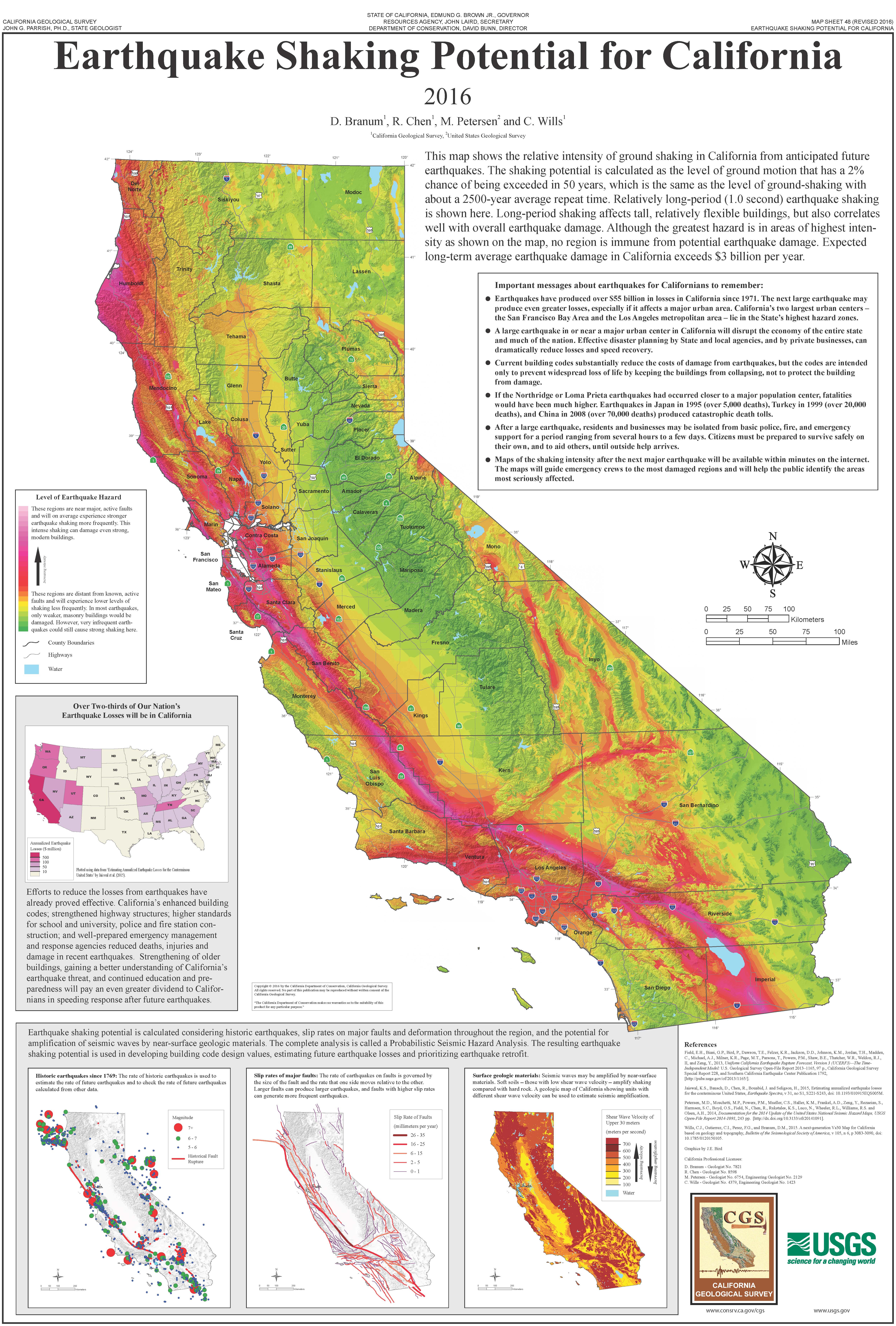
Understanding Seismic Activity in California
California sits atop a complex network of fault lines, making it one of the most seismically active regions in the world. The state’s position at the boundary of two major tectonic plates, the Pacific Plate and the North American Plate, is the primary driver of this constant geological motion. These plates are not static; they grind past each other, accumulating stress that is periodically released as earthquakes.
The San Andreas Fault and Tectonic Plates
The most famous of these fault lines is the San Andreas Fault, which stretches for over 800 miles through California. It is a right-lateral strike-slip fault, meaning the Pacific Plate is moving northwest relative to the North American Plate. While the San Andreas Fault is capable of generating very large earthquakes, countless other smaller faults crisscross the state, contributing to the frequent, often imperceptible, tremors. The dynamic nature of these plates means that seismic activity is a continuous process, not an occasional event. For tourists, recognizing that this geological backdrop is part of California’s natural character is the first step in understanding its environment.
Distinguishing Between Major and Minor Tremors
When people ask about the number of earthquakes, they often implicitly mean significant, perceptible quakes. However, the vast majority of seismic events registered by instruments are minor, often below a magnitude of 3.0, and go unnoticed by most people. The United States Geological Survey (USGS) monitors seismic activity around the clock, recording thousands of these small tremors each year. In 2024, this pattern has continued, with the typical distribution of frequent small quakes, occasional moderate ones, and very rarely, a large, damaging event. For a tourist, the chances of experiencing a significant, damaging earthquake during a typical visit are statistically low, but the possibility of feeling a minor tremor is much higher, especially in regions closer to major fault lines like Los Angeles or San Francisco.
The Reality of Earthquakes for California Tourism
The presence of earthquakes does not deter millions of tourists from visiting California annually. The state’s infrastructure, building codes, and emergency preparedness are among the most advanced globally, designed to mitigate risks. Tourism in California thrives because safety measures are robust, and the experiences offered, from the vibrant urban life to the serene national parks, are unparalleled.
What to Expect as a Visitor
As a tourist, you might experience a minor earthquake—a gentle sway or jolt that lasts for a few seconds. These are typically harmless and often a topic of mild curiosity rather than fear. Major earthquakes, those capable of causing widespread damage, are far less frequent. The focus for tourists should be on being aware and prepared, rather than allowing fear to overshadow the excitement of exploring destinations like the Hollywood Sign, the Golden Gate Bridge, Disneyland, or the natural wonders of Yosemite National Park. These attractions operate with strict safety protocols and are built to withstand seismic activity.
Impact on Tourist Destinations and Infrastructure
In the rare event of a moderate to large earthquake, certain tourist services and infrastructure might be temporarily affected. Roads, bridges, and public transportation could experience delays or closures for safety inspections. Attractions might also close temporarily. However, the rapid response of emergency services and the resilience of California’s infrastructure mean that disruptions are usually managed efficiently. Communication channels are quickly activated to inform the public, including tourists, about affected areas and safe routes. Hotels and other accommodations often have their own earthquake preparedness plans, including designated assembly points and emergency procedures, which guests are typically briefed on.
Staying Safe: Essential Tips for Tourists

Being prepared is the best defense against any unexpected event, and earthquakes are no exception. For tourists visiting California, a few simple steps can significantly enhance safety and peace of mind.
Before You Travel: Preparation is Key
- Stay Informed: Follow news from reputable sources like the United States Geological Survey (USGS) for general seismic activity trends. While specific predictions are not possible, understanding the geological context is helpful.
- Emergency Contacts: Keep a list of emergency contacts, including local emergency services (911), your country’s embassy or consulate, and family members.
- Accommodation Safety: When booking accommodation, inquire about their earthquake safety protocols. Many modern hotels in California are built to stringent seismic standards.
- Travel Insurance: Consider travel insurance that covers natural disasters, including potential disruptions to travel plans or additional accommodation costs.
- Emergency Kit: While you don’t need to carry a full survival kit, having essentials like a flashlight (on your phone), comfortable walking shoes, and any necessary medications easily accessible is wise.
During an Earthquake: Drop, Cover, and Hold On
If you feel an earthquake while in California, remember the widely recommended “Drop, Cover, and Hold On” procedure:
- DROP to the ground immediately.
- COVER your head and neck with your arms. If possible, crawl under a sturdy desk or table.
- HOLD ON to your shelter until the shaking stops. If there’s no shelter nearby, drop to the ground next to an interior wall and cover your head and neck.
- Stay away from windows, hanging objects, mirrors, and tall furniture.
- If outdoors, move to an open area away from buildings, streetlights, and utility wires.
- If in a car, pull over to a clear location and stay inside with your seatbelt fastened until the shaking stops.
After an Earthquake: What to Do
Once the shaking subsides, take these steps:
- Assess Your Surroundings: Check yourself and others for injuries.
- Look for Hazards: Be aware of potential aftershocks, which can occur minutes or days later. Watch for fallen objects, damaged structures, or gas leaks.
- Communicate: If possible, contact family or friends to let them know you are safe. Use text messages or social media if phone lines are overloaded.
- Follow Official Guidance: Tune into local news or emergency broadcasts for instructions from authorities. Do not re-enter damaged buildings.
- Expect Aftershocks: These are common and can be strong enough to cause further damage. Remain vigilant.
Monitoring and Communication for Public Safety
California’s commitment to public safety is paramount, particularly concerning seismic activity. Advanced monitoring systems and robust communication networks are in place to protect residents and visitors alike.
Early Warning Systems and Public Alerts
The state utilizes cutting-edge technology, including the ShakeAlert system, which provides seconds of warning before an earthquake’s strong shaking reaches a given location. This alert system can be integrated into smartphone apps and other public alert systems, offering crucial moments for people to “Drop, Cover, and Hold On.” While the warning time is brief, those few seconds can allow individuals to seek safety and potentially save lives. Tourists should consider enabling emergency alerts on their mobile devices when visiting California to receive these critical notifications.
Government Resources and Emergency Services
Organizations like the California Earthquake Authority (CEA) and the Federal Emergency Management Agency (FEMA) provide extensive resources and guidelines for earthquake preparedness. Local emergency services are highly trained and equipped to respond to seismic events, ensuring swift action in case of a significant incident. Regular drills, such as the Great California ShakeOut, involve millions of participants in practicing earthquake safety, demonstrating the state’s proactive approach to preparedness. These initiatives underscore the commitment to making California a safe destination.

Embracing the California Experience Responsibly
The question of “How many earthquakes in California 2024?” serves as a valuable prompt for understanding the state’s unique geological environment. While thousands of tremors occur each year, only a small fraction are felt, and even fewer cause significant concern for tourists. By being informed, taking simple preparatory steps, and knowing how to react during and after an earthquake, visitors can confidently explore the diverse attractions California has to offer. The state’s beautiful national parks like Death Valley National Park and Joshua Tree National Park, vibrant cities, and stunning coastlines remain welcoming destinations, underpinned by robust safety measures and a population accustomed to living responsibly with nature’s dynamic forces. Enjoy the unforgettable experiences that await, with the added confidence of being a prepared and aware traveler.
LifeOutOfTheBox is a participant in the Amazon Services LLC Associates Program, an affiliate advertising program designed to provide a means for sites to earn advertising fees by advertising and linking to Amazon.com. Amazon, the Amazon logo, AmazonSupply, and the AmazonSupply logo are trademarks of Amazon.com, Inc. or its affiliates. As an Amazon Associate we earn affiliate commissions from qualifying purchases.