
Florida, with its sun-drenched beaches, vibrant theme parks, and rich cultural tapestry, is a dream destination for many. Whether you’re planning a leisurely vacation, a family adventure, or seeking a luxurious escape, understanding the nuances of your accommodation is key to an unforgettable experience. Among the many factors that contribute to the charm and resilience of Florida’s hospitality offerings, the roofing materials play a significant, albeit often overlooked, role. One of the most prevalent and enduring roofing choices across the Sunshine State is the tile roof. For those considering a stay in a resort, villa, or even a long-term apartment, knowing the lifespan of these roofs can provide valuable insight into the property’s upkeep and potential durability.
The Enduring Appeal of Florida Tile Roofs
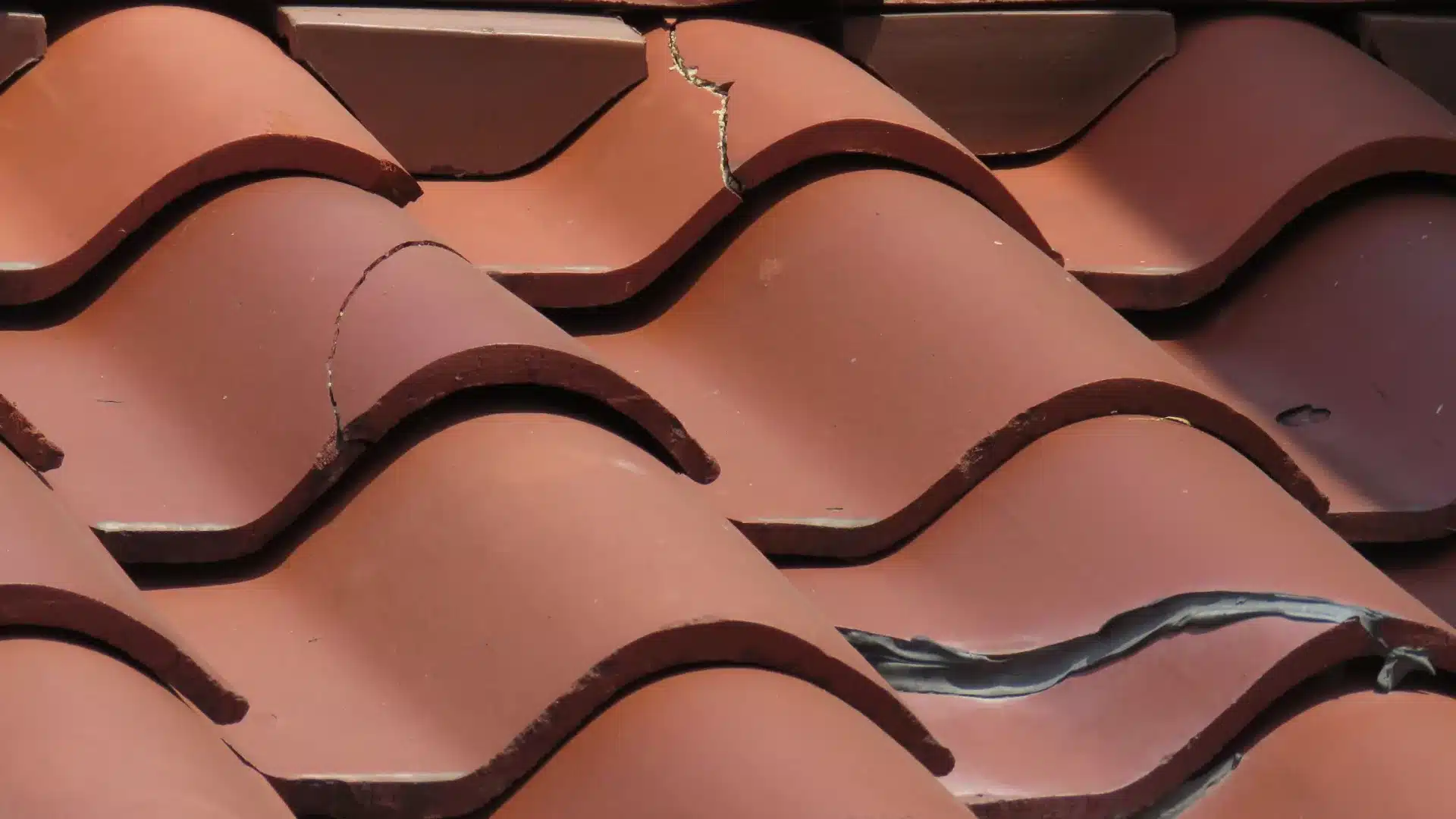
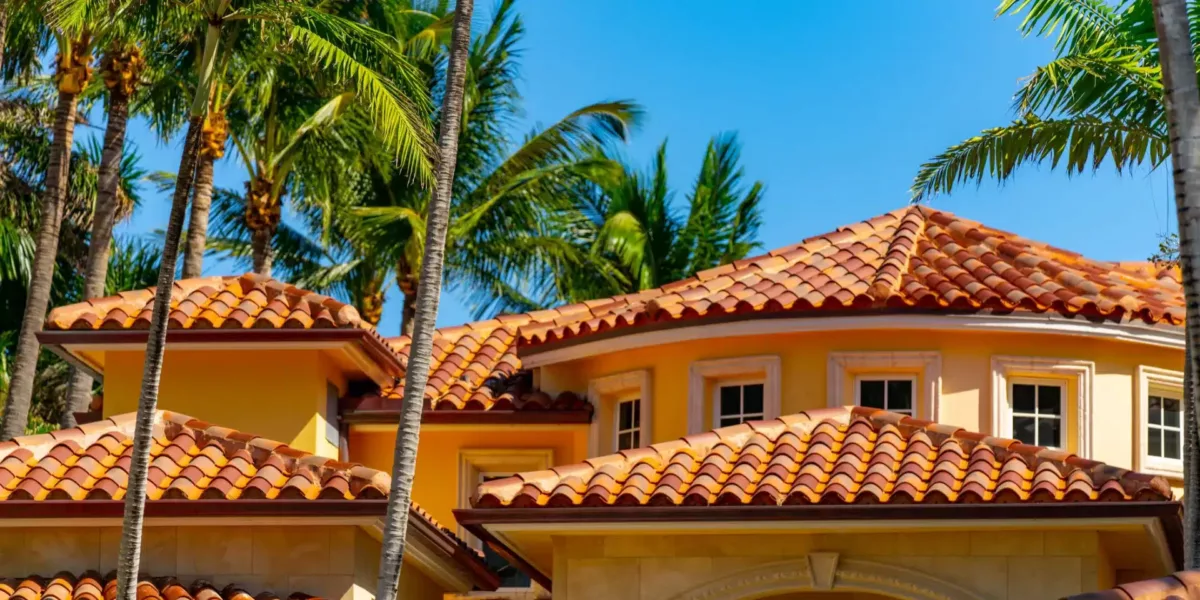
Tile roofs have been a staple in Florida architecture for decades, and for good reason. Their inherent beauty, longevity, and ability to withstand the state’s challenging climate make them an ideal choice for a wide range of properties, from quaint bungalows to sprawling luxury resorts. The visual appeal of terracotta, concrete, or clay tiles evokes a sense of classic Florida charm, often seen adorning the historic districts of St. Augustine or the elegant villas of Miami. Beyond aesthetics, the practical benefits are substantial.
Climate Considerations and Durability
Florida‘s climate presents a unique set of challenges for any building material. Intense sun, high humidity, frequent thunderstorms, and the occasional hurricane can take a toll on structures. Tile roofs, particularly those made from clay or concrete, are remarkably well-suited to these conditions.
Resistance to Wind and Storms
One of the primary advantages of a tile roof in Florida is its exceptional resistance to high winds. Properly installed tiles, especially interlocking designs, can withstand wind speeds that would easily lift or damage other roofing materials like shingles. This is crucial in a state that is no stranger to hurricane activity. While no roof is entirely impervious to the most extreme storm events, a well-maintained tile roof offers a superior layer of protection for your vacation rental or resort stay. Properties in coastal areas, such as those found on the Florida Keys or near Clearwater Beach, often feature tile roofs precisely because of this wind resilience.
Heat Reflection and Energy Efficiency
The reflective properties of many tile types contribute significantly to energy efficiency. In the relentless Florida sun, a tile roof can help to keep the interior of a building cooler by reflecting solar radiation. This can translate to lower cooling costs for hotels and resorts, and potentially a more comfortable stay for guests, especially in older buildings that might not have the most advanced insulation. Properties in inland cities like Orlando, known for its summer heat, also benefit greatly from this characteristic.
Resistance to Pests and Fire
Unlike asphalt shingles, tile roofs are inorganic and therefore resistant to fire and common pests like termites. This adds another layer of safety and longevity, reducing the risk of costly repairs or damage during your stay. This inherent durability is a testament to the material’s suitability for the Florida environment.
The Lifespan of a Tile Roof in Florida
The question of “how long does a tile roof last in Florida?” is not a simple one, as it depends on several factors. However, with proper installation and maintenance, tile roofs are known for their exceptional longevity, often outlasting the lifespan of the building itself.
Average Lifespan Expectations
Generally, a well-maintained tile roof in Florida can be expected to last anywhere from 50 to 100 years. This is a significant investment for any property owner, and for guests, it often signifies a well-cared-for and structurally sound accommodation.
- Clay Tiles: These are among the most durable and can easily reach the upper end of the lifespan spectrum, often exceeding 100 years. Their natural resilience and resistance to weathering make them a premium choice for luxury resorts and historic villas.
- Concrete Tiles: While also very durable, concrete tiles typically have a lifespan of 50 to 75 years. They offer a more budget-friendly option than clay but still provide excellent longevity and performance in the Florida climate.
- Asphalt Shingles (for comparison): For context, standard asphalt shingles typically last 15 to 30 years, highlighting the superior lifespan of tile roofing.
Factors Influencing Longevity
While the material itself is robust, several variables can affect the actual lifespan of a tile roof in Florida:
Quality of Installation
This is arguably the most critical factor. A tile roof’s performance is heavily dependent on how it is installed. Improper underlayment, inadequate fastening, or incorrect flashing can lead to premature failure, even with the highest quality tiles. When booking a stay at a resort or villa, especially one known for its architectural integrity, it’s a good indicator that professional installation practices have been followed. Properties managed by reputable hotel chains like Marriott or Hilton, or luxury developments in areas such as Palm Beach, often prioritize such meticulous installation.
Climate Extremes and Environmental Factors
While tile roofs are designed for Florida‘s climate, extreme weather events can still impact their lifespan. Repeated exposure to intense hurricanes, hailstorms, or prolonged periods of extreme heat can cause wear and tear over time. Areas more prone to hurricanes, like the western coast of Florida facing the Gulf of Mexico, might see slightly accelerated wear compared to more sheltered inland locations.
Maintenance and Repairs
Regular inspections and timely maintenance are essential for maximizing a tile roof’s lifespan. This includes checking for cracked, broken, or slipped tiles, as well as ensuring the gutters and drainage systems are clear. Properties that are frequently rented out or are part of well-managed hotel portfolios will generally have robust maintenance schedules in place, ensuring the integrity of their roofs. This attention to detail contributes to a more secure and enjoyable guest experience.
Foot Traffic and Physical Impact
Accidental damage can occur, whether from falling branches, debris during storms, or even unauthorized access to roofs by untrained personnel. Properties that are well-maintained and have clear policies regarding roof access are less likely to suffer from such impacts.
Identifying a Well-Maintained Tile Roof
As a traveler, you might not be able to inspect a roof up close, but there are subtle indicators that suggest a property’s roofing is well-cared for:
- Cleanliness: A tile roof free from excessive moss, algae, or debris generally indicates regular cleaning and maintenance.
- Absence of Visible Damage: Look for any obvious signs of cracked, missing, or slipped tiles from ground level.
- Age of the Property and Renovation Records: Older properties with original tile roofs that have lasted for decades are a testament to quality materials and upkeep. Newer constructions should have a warranty on their roofing. Reputable resorts and hotels will often be transparent about recent renovations, which could include roofing work.
Beyond Longevity: Benefits for Accommodation Seekers
The impressive lifespan of tile roofs in Florida translates into tangible benefits for those seeking accommodation, whether for a short vacation or an extended stay.
Structural Integrity and Peace of Mind
A well-maintained tile roof is a strong indicator of a property’s overall structural integrity. For a guest, this means greater peace of mind, knowing that their accommodation is well-protected against the elements. This is particularly important during the rainy season or if a tropical storm is forecast. Resorts in areas prone to severe weather, such as those near Tampa or Fort Lauderdale, often invest heavily in durable roofing to ensure guest safety and minimize disruption.
Aesthetic Appeal and Atmosphere
The distinctive look of tile roofs significantly contributes to the charm and atmosphere of Florida‘s destinations. From the Spanish colonial influence seen in parts of St. Petersburg to the Mediterranean Revival style prevalent in Palm Beach, tile roofs are an integral part of the visual identity. Staying in a hotel or villa with this classic roofing style can enhance the overall travel experience, immersing guests in the local architectural heritage. Imagine waking up in a charming Key West guesthouse or a luxurious beachfront resort in Naples, with the gentle sound of the ocean and the timeless beauty of a tile roof overhead.
Potential for Quieter Stays
Compared to metal roofs, tile roofs often offer better sound insulation. The weight and composition of the tiles can help to muffle the sound of heavy rain, which is a common occurrence in Florida. This can lead to a more peaceful and restful stay, especially in areas known for their frequent downpours.
Conclusion: A Roof Above Your Head in Florida
The longevity of tile roofs in Florida is a testament to their enduring quality and suitability for the region’s climate. With lifespans that can stretch to a century or more, these roofs provide not only robust protection but also contribute significantly to the aesthetic appeal of the state’s diverse accommodations. From grand resorts to intimate villas, the presence of a well-maintained tile roof is a subtle yet important indicator of a property’s commitment to quality, durability, and guest comfort. When planning your next trip to the Sunshine State, consider the enduring presence of tile roofs as a reassuring element of your chosen sanctuary, promising a comfortable and secure experience under the vast Florida sky. Whether your travels take you to the theme parks of Orlando, the beaches of South Beach, or the historical streets of St. Augustine, you’ll find that the steadfast tile roof has long been a silent guardian of Florida hospitality.
LifeOutOfTheBox is a participant in the Amazon Services LLC Associates Program, an affiliate advertising program designed to provide a means for sites to earn advertising fees by advertising and linking to Amazon.com. Amazon, the Amazon logo, AmazonSupply, and the AmazonSupply logo are trademarks of Amazon.com, Inc. or its affiliates. As an Amazon Associate we earn affiliate commissions from qualifying purchases.